

Commentary
This year’s wars have made alternative routes to transit through Russia no less risky for Central Asian countries.
Galiya Ibragimova
{
  "authors": [],
  "type": "pressRelease",
  "centerAffiliationAll": "dc",
  "centers": [
    "Carnegie Endowment for International Peace"
  ],
  "collections": [],
  "englishNewsletterAll": "menaTransitions",
  "nonEnglishNewsletterAll": "",
  "primaryCenter": "Carnegie Endowment for International Peace",
  "programAffiliation": "MEP",
  "programs": [
    "Middle East"
  ],
  "projects": [],
  "regions": [
    "Middle East"
  ],
  "topics": []
}
REQUIRED IMAGE
FOR IMMEDIATE RELEASE: July 11, 2007
- NEWS RELEASE -
WASHINGTON, July 11—Islamist women are increasingly involved in political processes and could spawn a full-fledged Islamist movement for women’s rights, finds a new study by the Carnegie Endowment. In Women in Islamist Movements: Toward an Islamist Model of Women’s Activism, Carnegie scholars Omayma Abdellatif and Marina Ottaway argue that women’s participation in Islamist movements reflects a growing trend toward women’s activism in the Arab world, though quite different from Western norms.
Through interviews and conversations with women belonging to Lebanon’s Hizballah, Egypt’s Muslim Brotherhood, and other Islamist organizations across numerous Arab nations, the authors found an energetic debate among women activists on their newfound role as political actors.
Key findings:
“Secular women’s nongovernmental organizations (NGOs) led by educated women have only limited outreach outside the urban upper class they come from,” write the authors. “Islamist movements, in contrast, have proven themselves adept at building a broad following across social classes. If women activists become more influential, Islamist movements could become important instruments—possibly the most important instruments—for promoting the rights of Arab women.”
###
Notes:
Carnegie does not take institutional positions on public policy issues; the views represented herein are those of the author(s) and do not necessarily reflect the views of Carnegie, its staff, or its trustees.
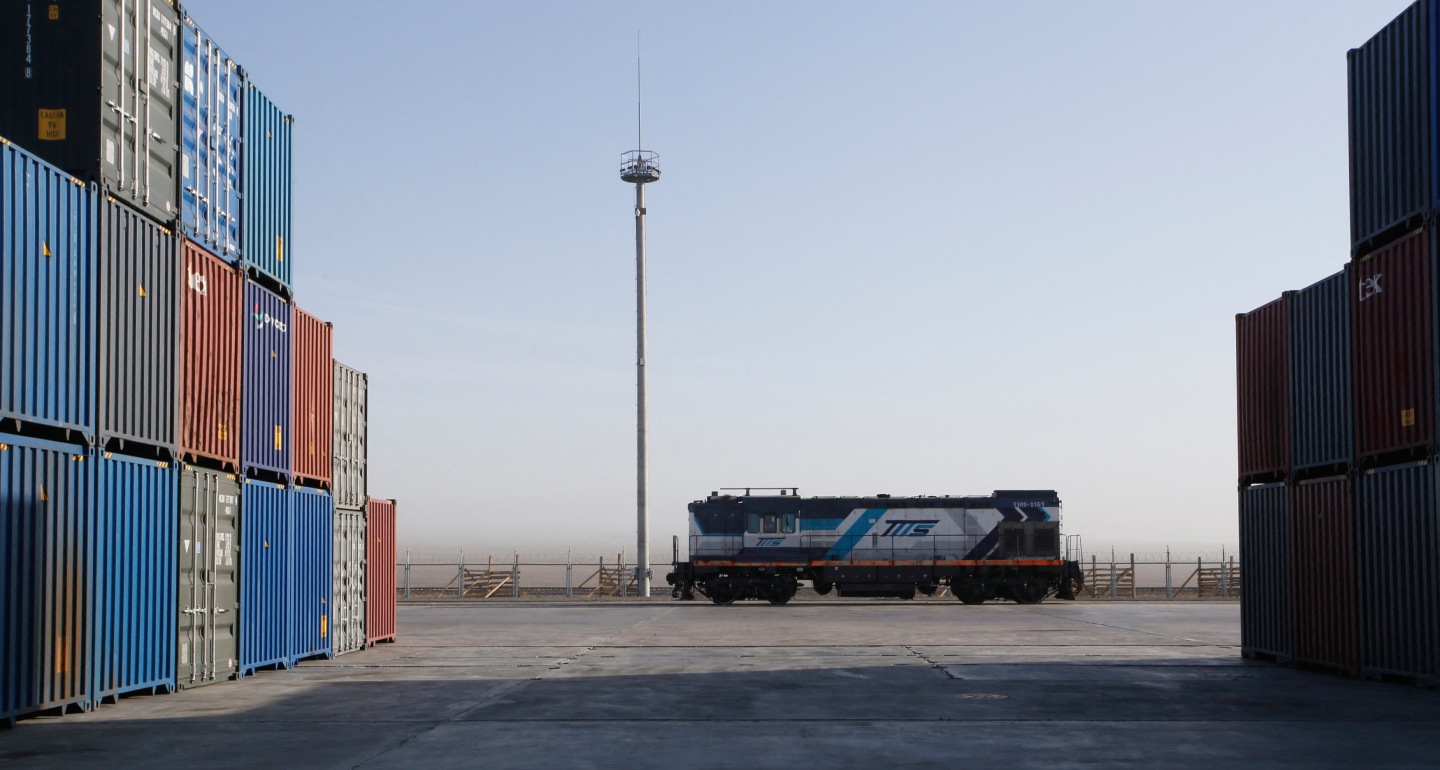
This year’s wars have made alternative routes to transit through Russia no less risky for Central Asian countries.

Galiya Ibragimova
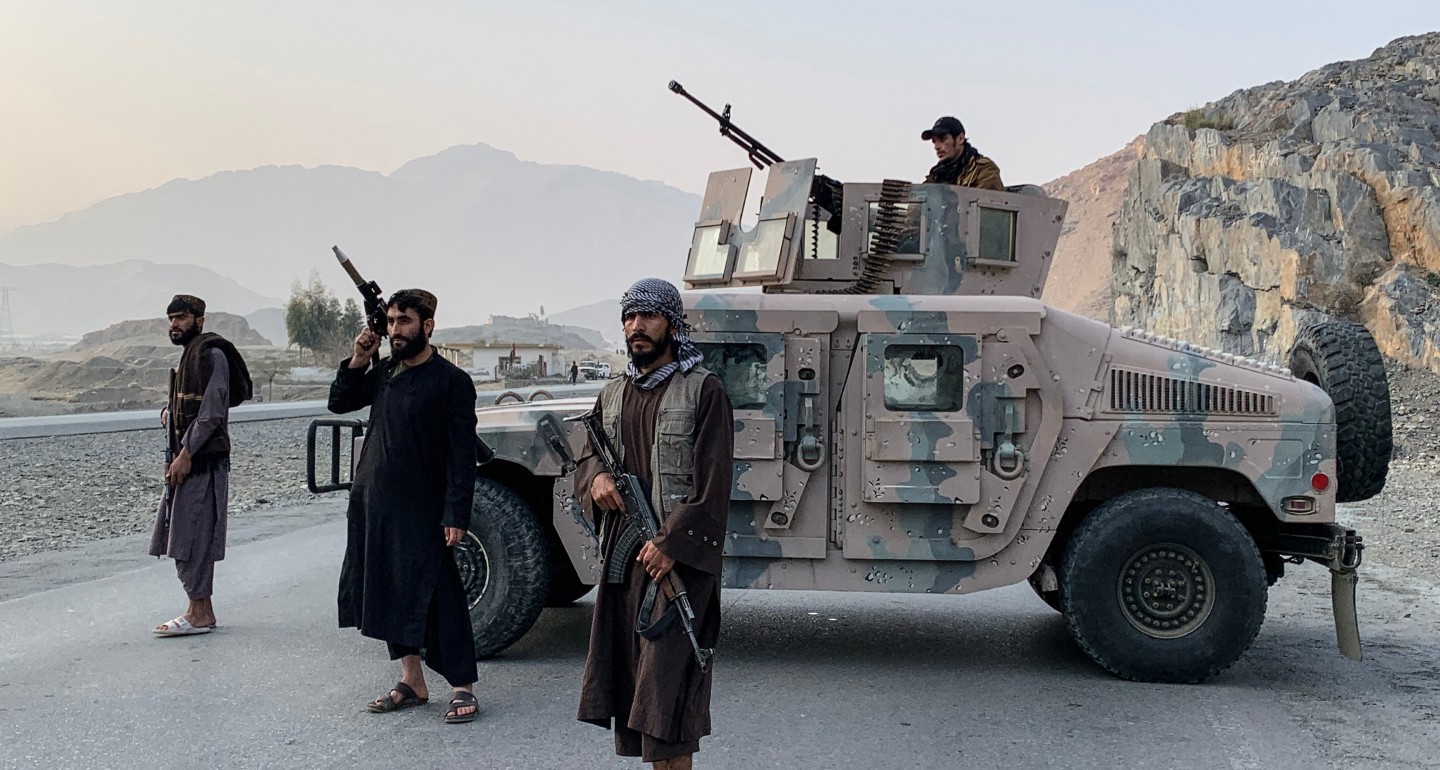
Not only does the fighting jeopardize regional security, it undermines Russian attempts to promote alternatives to the Western-dominated world order.

Ruslan Suleymanov
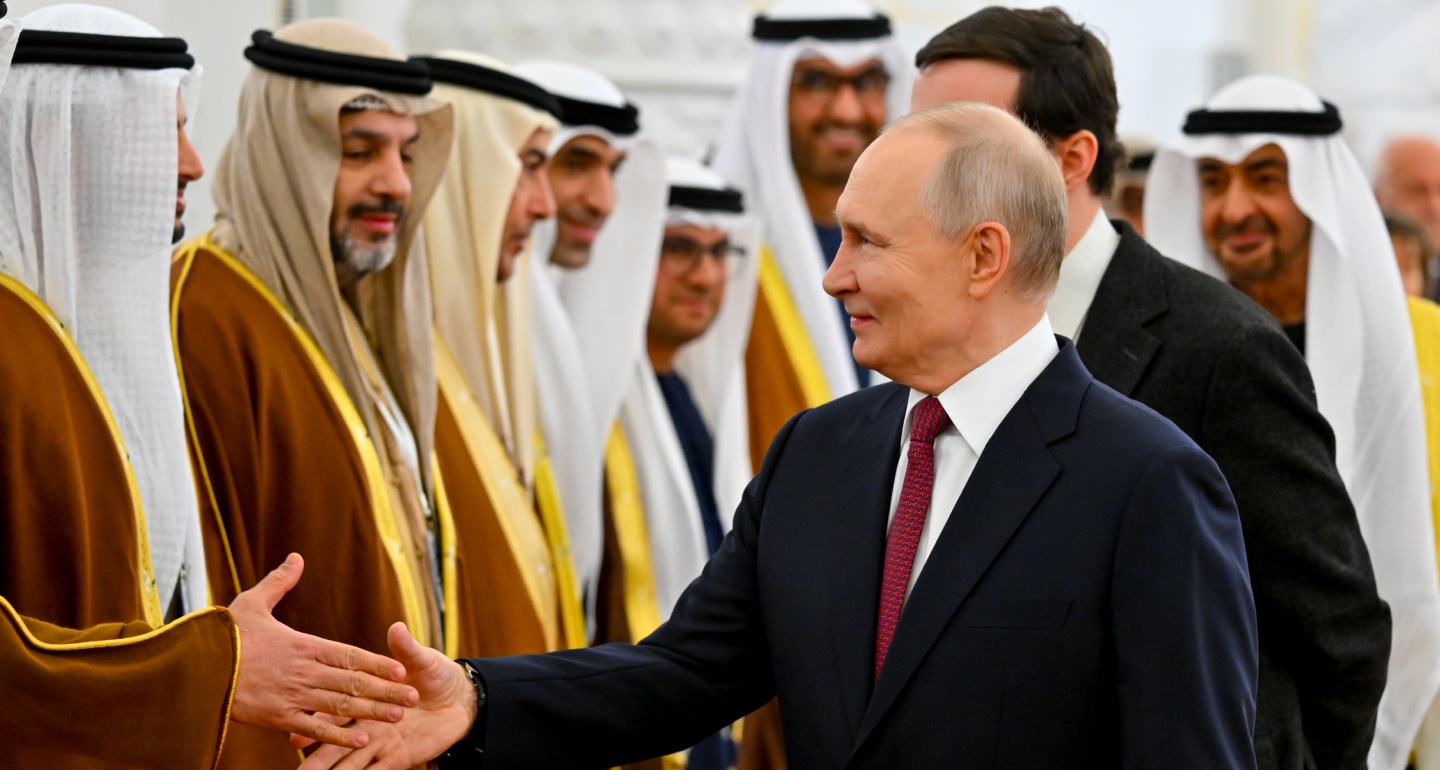
Disillusioned with the West over Gaza, Arab countries are not only trading more with Russia; they are also more willing to criticize Kyiv.
Ruslan Suleymanov

Baku may allow radical nationalists to publicly discuss “reunification” with Azeri Iranians, but the president and key officials prefer not to comment publicly on the protests in Iran.

Bashir Kitachaev
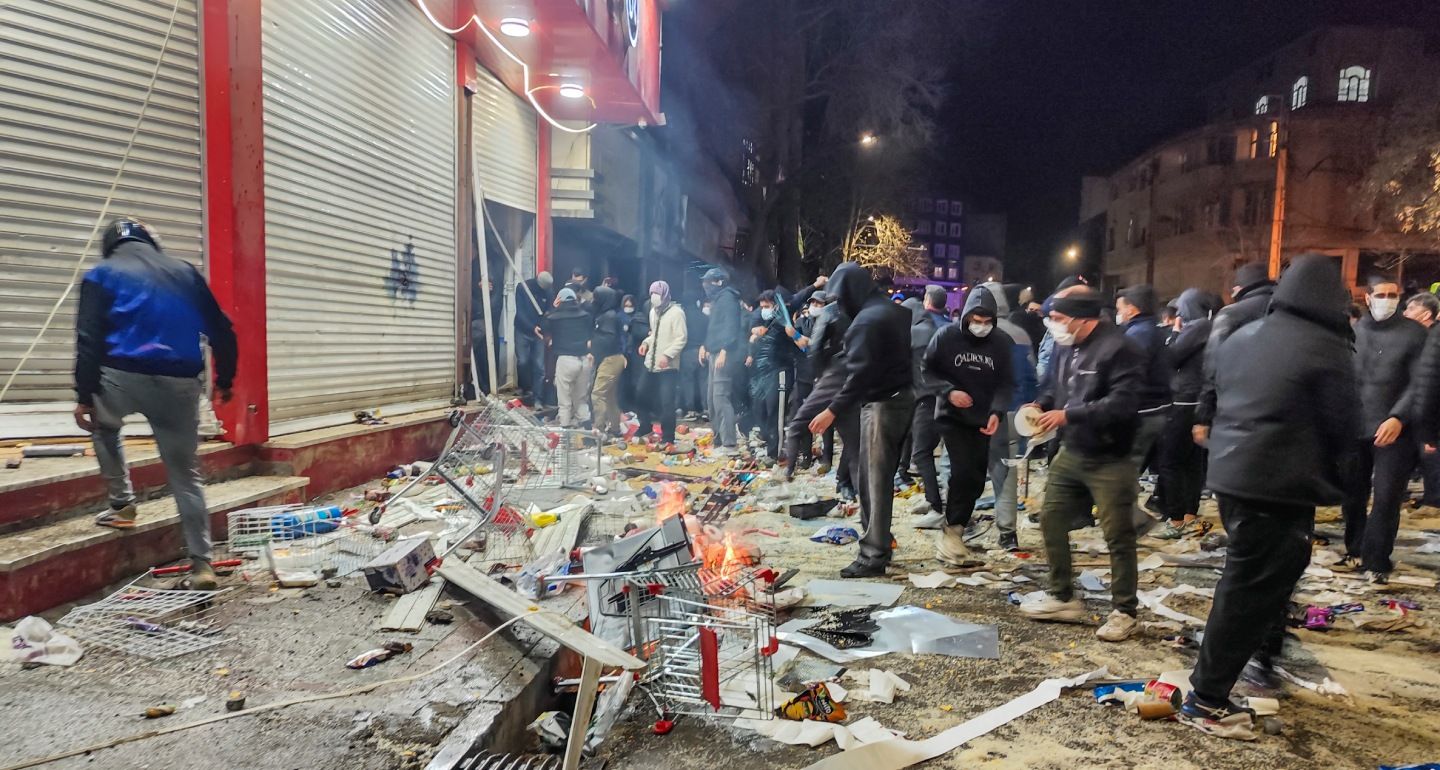
It’s one thing to export Russian helicopters to Iran to fight the insurgency, and it’s easy to imagine Moscow becoming a haven for fleeing Iranian leaders. But it’s very difficult to imagine Russian troops defending the Iranian regime on the ground.

Nikita Smagin