

Commentary
Latvia and Lithuania have been considering whether they could temporarily host NATO nuclear weapons in the event of war or a similar crisis.
Sergejs Potapkins
{
  "authors": [],
  "type": "pressRelease",
  "centerAffiliationAll": "dc",
  "centers": [
    "Carnegie Endowment for International Peace"
  ],
  "collections": [],
  "englishNewsletterAll": "ctw",
  "nonEnglishNewsletterAll": "",
  "primaryCenter": "Carnegie Endowment for International Peace",
  "programAffiliation": "NPP",
  "programs": [
    "Nuclear Policy"
  ],
  "projects": [],
  "regions": [],
  "topics": [
    "Nuclear Policy"
  ]
}
REQUIRED IMAGE
FOR IMMEDIATE RELEASE: August 21, 2007
- NEWS RELEASE -
WASHINGTON, Aug 21—An unprecedented gathering of 800 nonproliferation experts from 33 countries has identified ten key priorities for the nonproliferation regime, providing specific recommendations for international agencies; the business community; and the United States, EU, and Russia.
The Top Ten Results from the 2007 Carnegie International Nonproliferation Conference identifies the three most critical challenges to the nonproliferation regime, the three best new policy proposals, and the four most important policies to implement by 2010.
The ten priorities are a result of the June 2007 Carnegie International Nonproliferation Conference, sponsored by the Carnegie Endowment for International Peace, that brought together U.S. and foreign government officials, policy and technical experts, academics, and journalists, as well as representatives from the International Atomic Energy Agency (IAEA), the United Nations, and the European Union to exchange ideas on the most urgent nonproliferation topics.
Top Three Challenges to the Nonproliferation regime:
Top Three Best New Policy Proposals:
Top Four High Impact Ideas to Implement by 2010:
###
Notes:
Carnegie does not take institutional positions on public policy issues; the views represented herein are those of the author(s) and do not necessarily reflect the views of Carnegie, its staff, or its trustees.
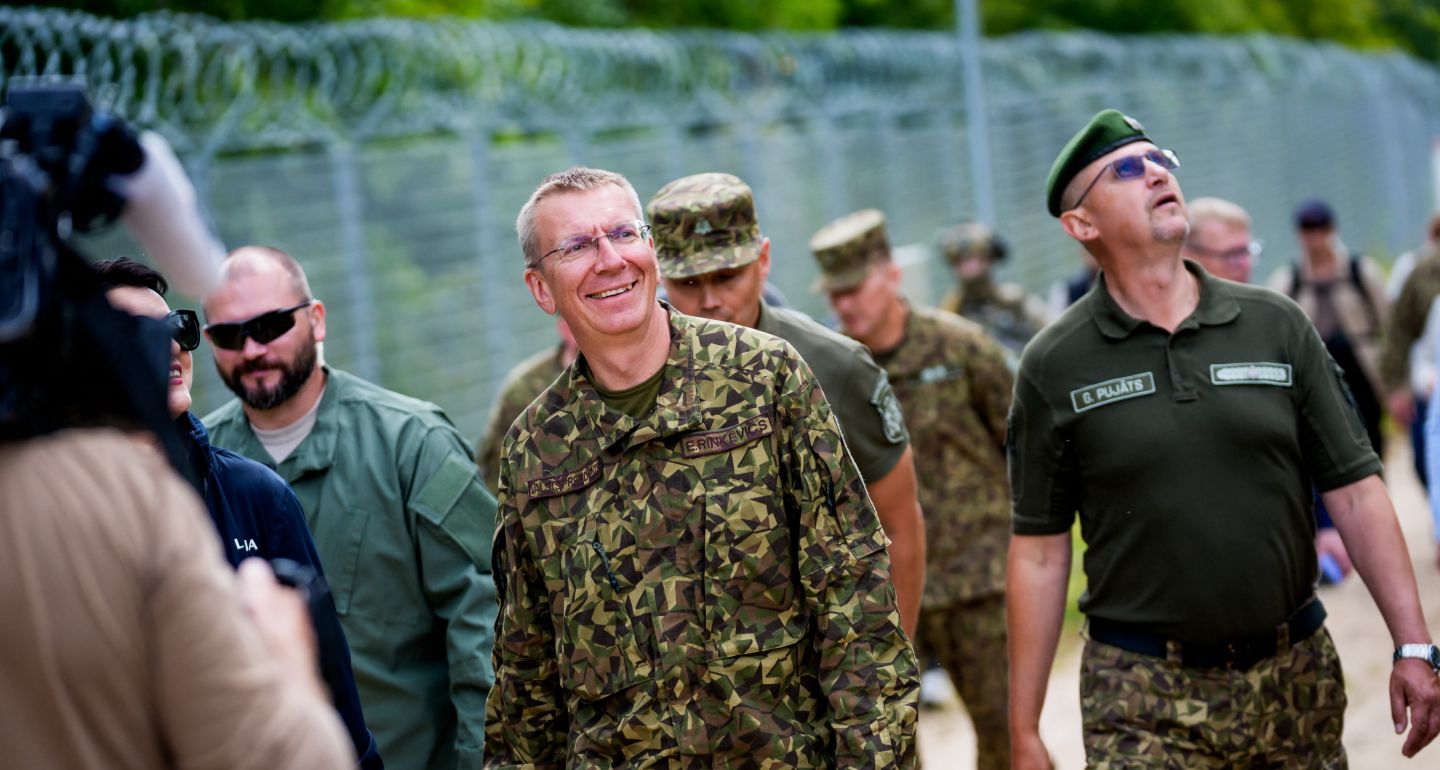
Latvia and Lithuania have been considering whether they could temporarily host NATO nuclear weapons in the event of war or a similar crisis.
Sergejs Potapkins
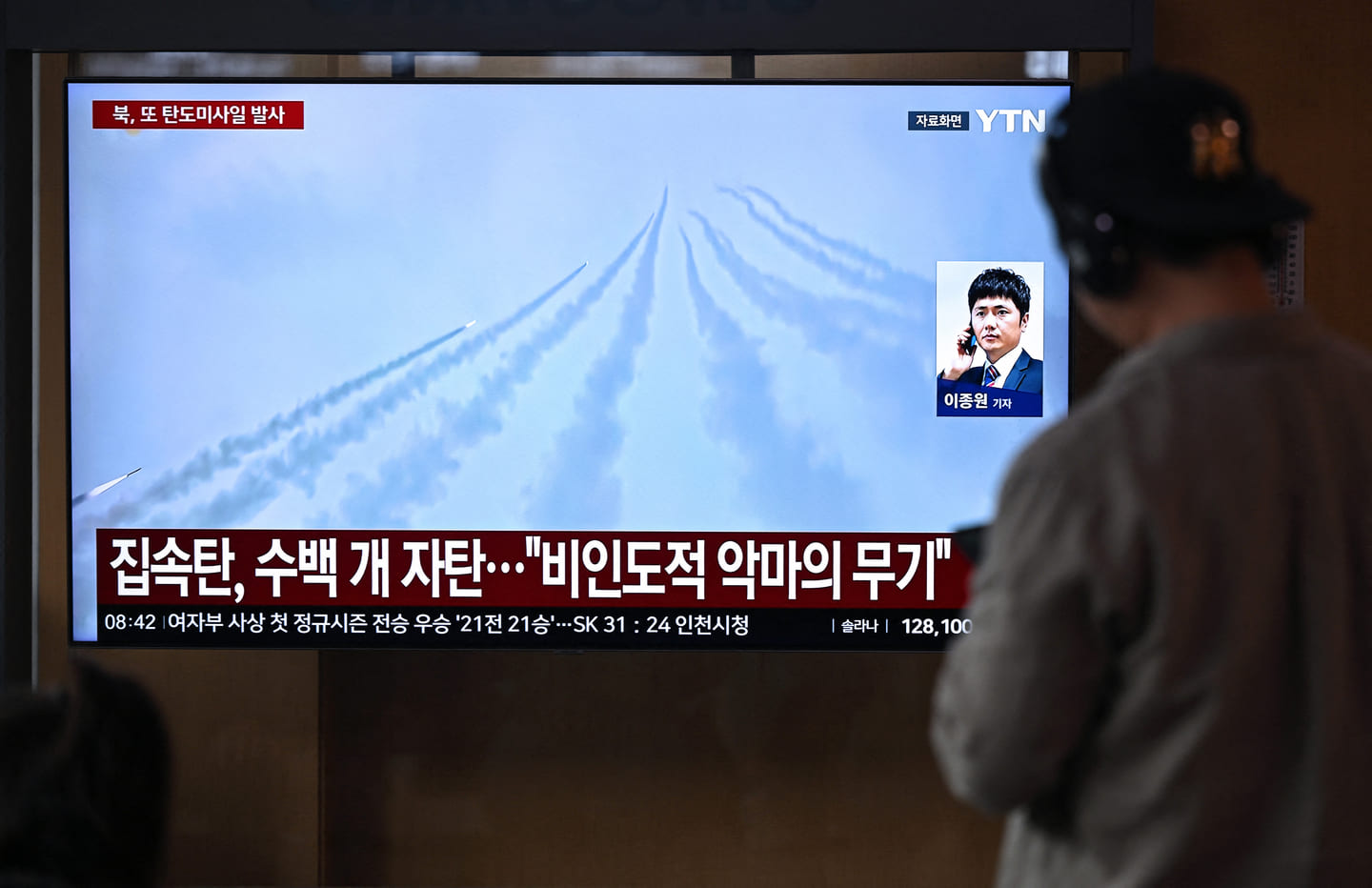
Troubled by the growing salience of nuclear debates in East Asia, Moscow has responded in its usual way: with condemnation and threats. But by exacerbating insecurity, Russia is forcing South Korea and Japan to consider radical security options.

James D.J. Brown
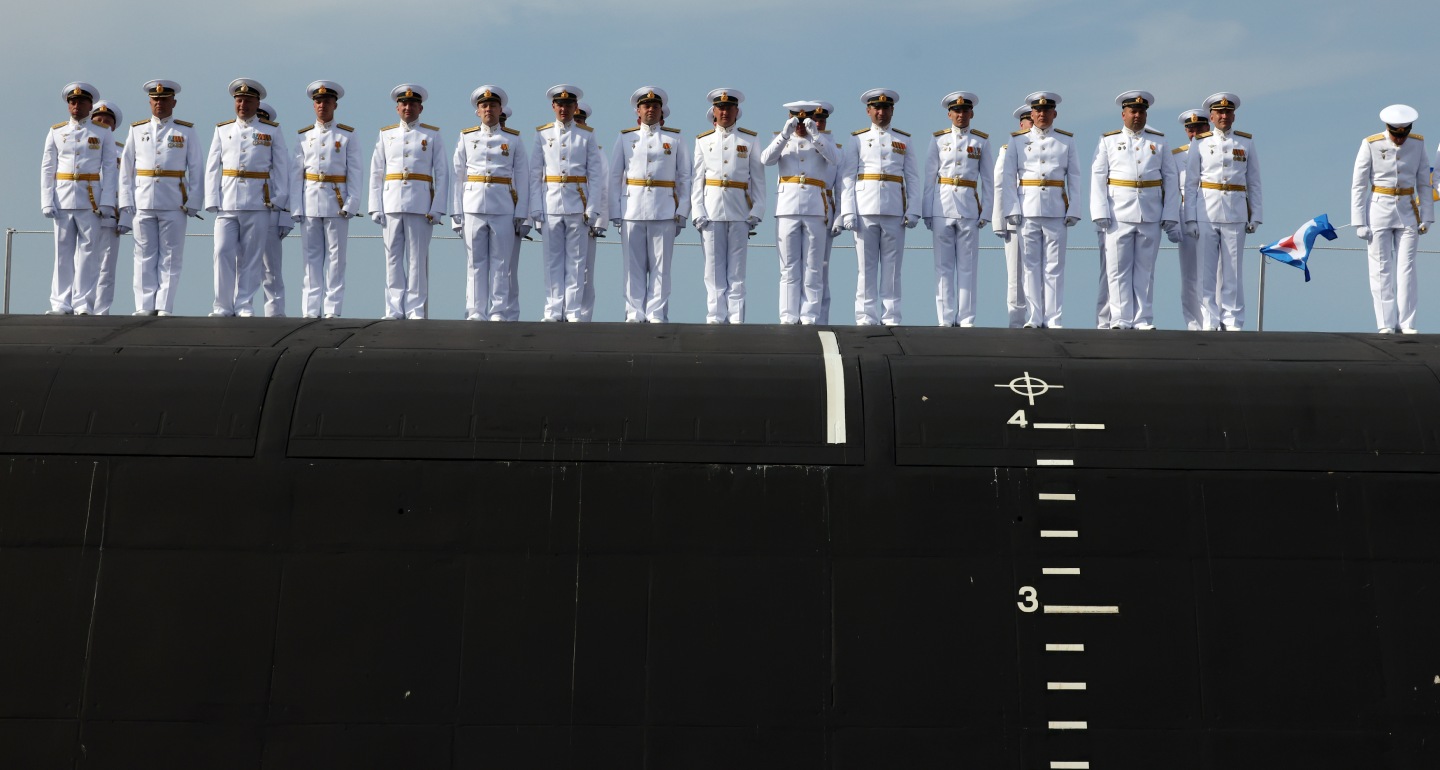
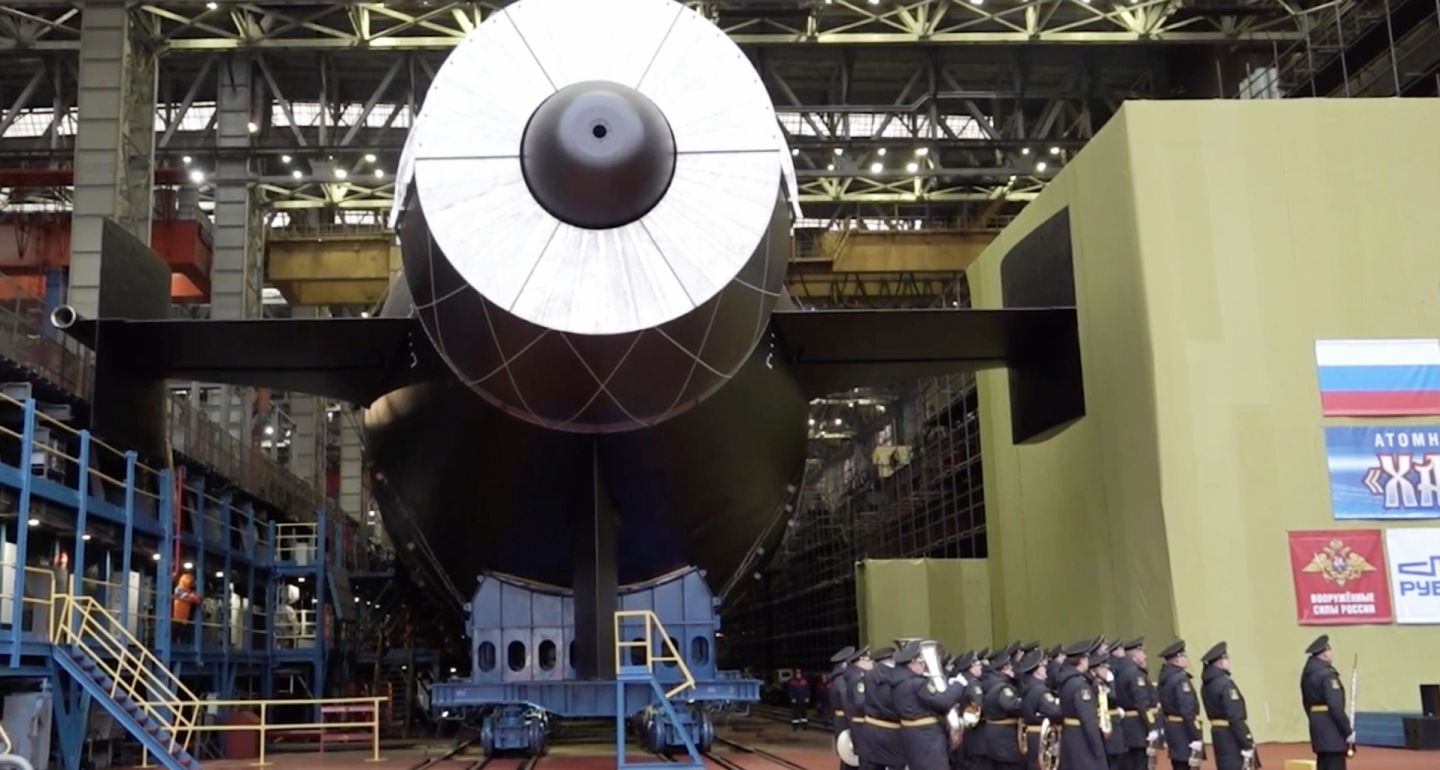
For Putin, upgrading Russia’s nuclear forces was a secondary goal. The main aim was to gain an advantage over the West, including by strengthening the nuclear threat on all fronts. That made growth in missile arsenals and a new arms race inevitable.
Maxim Starchak
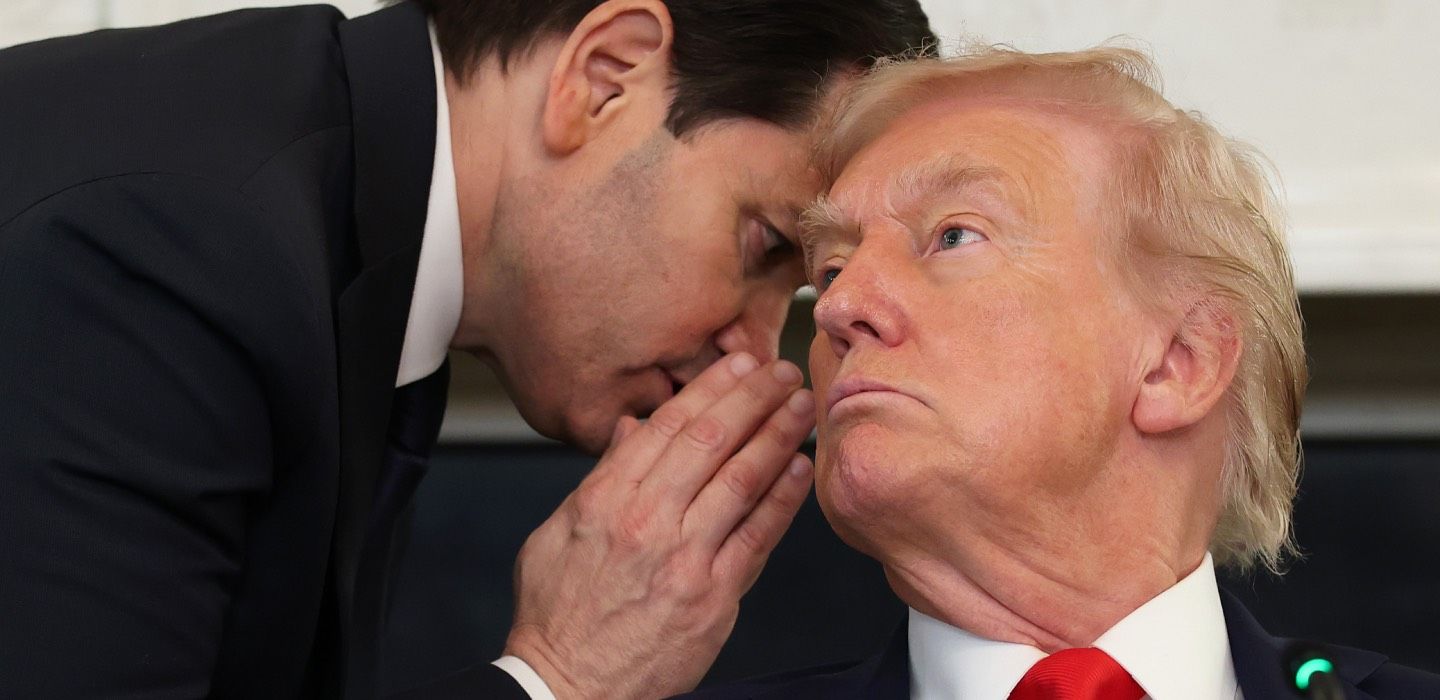
The Kremlin will only be prepared to negotiate strategic arms limitations if it is confident it can secure significant concessions from the United States. Otherwise, meaningful dialogue is unlikely, and the international system of strategic stability will continue to teeter on the brink of total collapse.
Maxim Starchak
The collapse of the Budapest summit is an inevitable result of the Russian system of artificially creating foreign policy crises in order to achieve a desired outcome.
Alexander Baunov