• Research
  • Politika
  • About
Carnegie Russia Eurasia center logoCarnegie lettermark logo
  • Donate
{
  "authors": [],
  "type": "pressRelease",
  "centerAffiliationAll": "dc",
  "centers": [
    "Carnegie Endowment for International Peace"
  ],
  "collections": [],
  "englishNewsletterAll": "ctw",
  "nonEnglishNewsletterAll": "",
  "primaryCenter": "Carnegie Endowment for International Peace",
  "programAffiliation": "NPP",
  "programs": [
    "Nuclear Policy"
  ],
  "projects": [],
  "regions": [],
  "topics": [
    "Nuclear Policy"
  ]
}
REQUIRED IMAGE

REQUIRED IMAGE

Press Release

Press Release: Carnegie Scholar Wins Prestigious American Physical Society Award

Link Copied
Published on Oct 19, 2007
WASHINGTON, Oct 19— Pierre Goldschmidt, a visiting scholar with the Carnegie Endowment for International Peace and former Deputy Director General of the International Atomic Energy Agency (IAEA), has won the prestigious 2008 Joseph A. Burton Forum Award “for greatly strengthening [the IAEA's] ability to detect nuclear proliferation activities, and for his courage and integrity.”

The Joseph A. Burton Forum Award is an annual award that recognizes outstanding contributions to the public understanding or resolution of issues involving the interface of physics and society.

In Priority Steps to Strengthen the Nonproliferation Regime, Goldschmidt argues that the international community must reject the passive notion that more countries are unavoidably destined to acquire nuclear weapons, and instead must implement further measures to dissuade and deter non-nuclear weapon states from seeking such weapons. He recommends the adoption of additional measures to better address circumstances of noncompliance with IAEA safeguards agreements, including the creation of a generic, but legally binding United Nations Security Council resolution that would result in a standard set of actions when a state is reported by the IAEA to be in non-compliance.

###

NOTES
  • The award is named in recognition of Joseph A. Burton's contributions to the American Physical Society as its Treasurer from 1970-1985. The 2008 Selection Committee included Peter D. Zimmerman, James E. Hansen, Matthew Bunn, Valerie Thomas, and Carol Herzenberg.
  • Pierre Goldschmidt is a member of the board of directors for the Association Vinçotte Nuclear, a nonprofit, Authorized Inspection Organization charged with verifying compliance of nuclear power plants with Belgian safety regulations. Goldschmidt is involved internationally in long term energy supply, environmental protection, nuclear nonproliferation, disarmament, and security.
  • The Carnegie Nonproliferation Program is an internationally recognized source of knowledge and policy thinking on efforts to curb the spread and use of nuclear weapons.  Carnegie's analysis consistently stays at the forefront of proliferation developments and nonproliferation policy debates.  In Washington, Moscow, Brussels, New Delhi, and increasingly in Beijing, the program hosts public and private seminars, speeches, and workshops, where leading officials and experts seek to overcome obstacles to reduce the danger of nuclear war. The program works publicly and behind-the scenes in active Track II diplomacy to promote solutions to challenges such as the Iranian nuclear case, U.S.-Russian threat reduction cooperation, new approaches to managing the nuclear fuel cycle, and the future of nuclear disarmament.
  • Every eighteen months, Carnegie convenes the Carnegie International Nonproliferation Conference, widely considered to be the premiere event in its field, attracting over 800 government officials, policy and technical experts, academics, and journalists from around the world. In August, Carnegie published the Top Ten Results from the 2007 Carnegie International Nonproliferation Conference, which identifies top solutions to current and future nonproliferation challenges. 
  • Carnegie Europe opened in Brussels in Spring 2007 to provide a multilateral policy forum for senior policy makers in European Union institutions and national governments. It also reaches out to leading journalists, think-tanks and scholars across Europe. Carnegie Europe leverages Carnegie's global work in Washington, D.C., and that of its other main regional research centers in Moscow, Beirut, and Beijing. Programs range from policy seminars and consultations in Europe, through to establishing local partnerships and integrating a stronger European component into Carnegie's global activities.
Nuclear Policy

Carnegie does not take institutional positions on public policy issues; the views represented herein are those of the author(s) and do not necessarily reflect the views of Carnegie, its staff, or its trustees.

More Work from Carnegie Russia Eurasia Center

  • Commentary
    Carnegie Politika
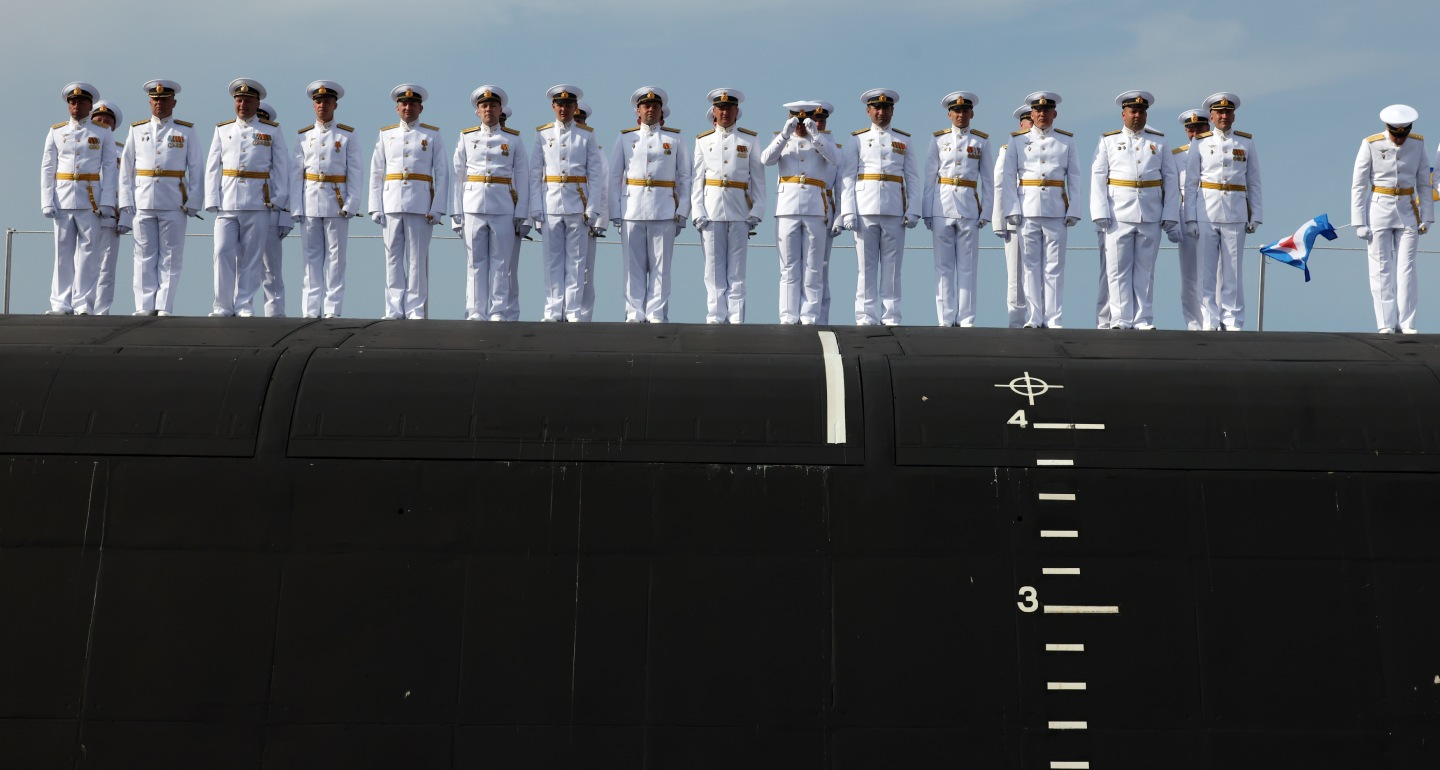
    For Putin, Increasing Russia’s Nuclear Threat Matters More Than the Triad’s Modernization

    For Putin, upgrading Russia’s nuclear forces was a secondary goal. The main aim was to gain an advantage over the West, including by strengthening the nuclear threat on all fronts. That made growth in missile arsenals and a new arms race inevitable.

      Maxim Starchak

  • Commentary
    Carnegie Politika
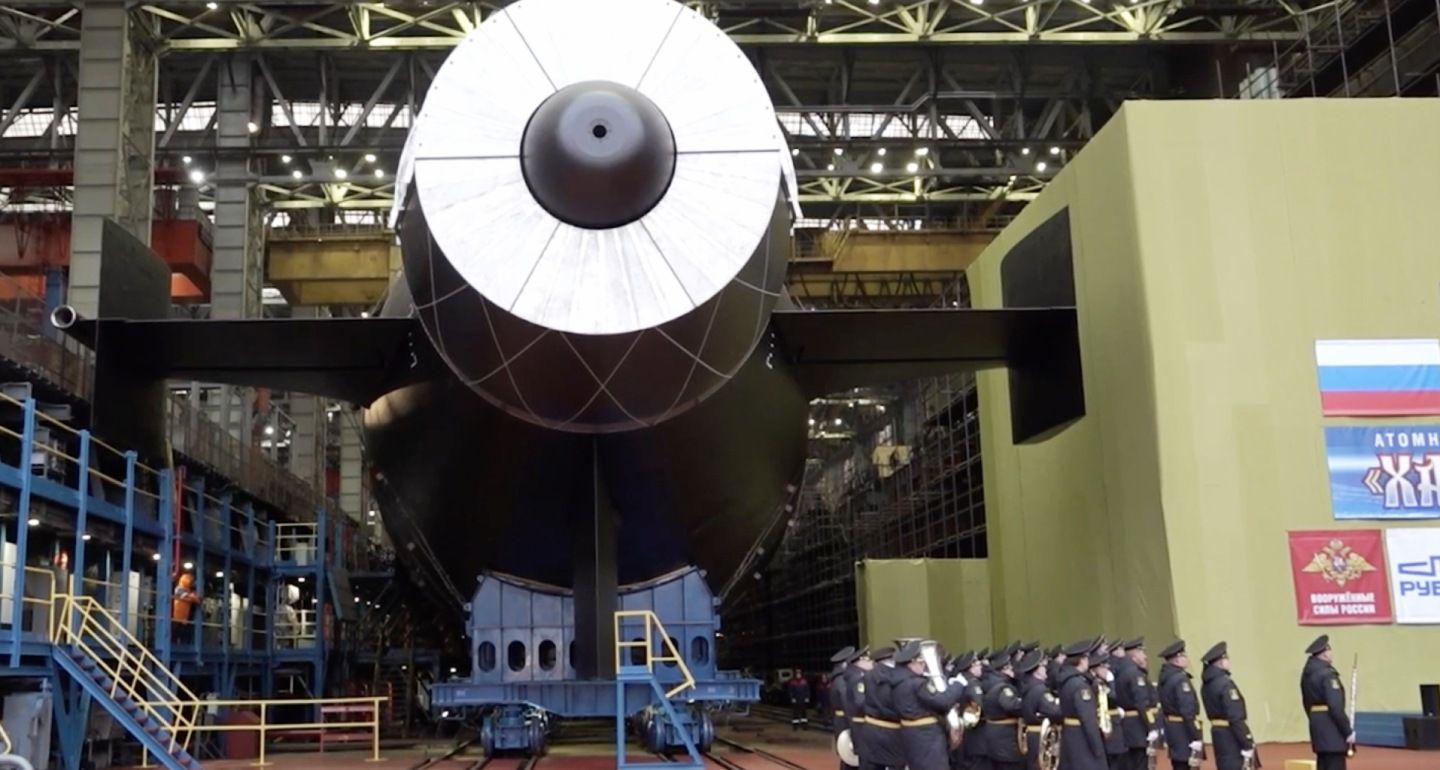
    Russia’s Latest Weapons Have Left Strategic Stability on the Brink of Collapse

    The Kremlin will only be prepared to negotiate strategic arms limitations if it is confident it can secure significant concessions from the United States. Otherwise, meaningful dialogue is unlikely, and the international system of strategic stability will continue to teeter on the brink of total collapse.

      Maxim Starchak

  • Commentary
    Carnegie Politika
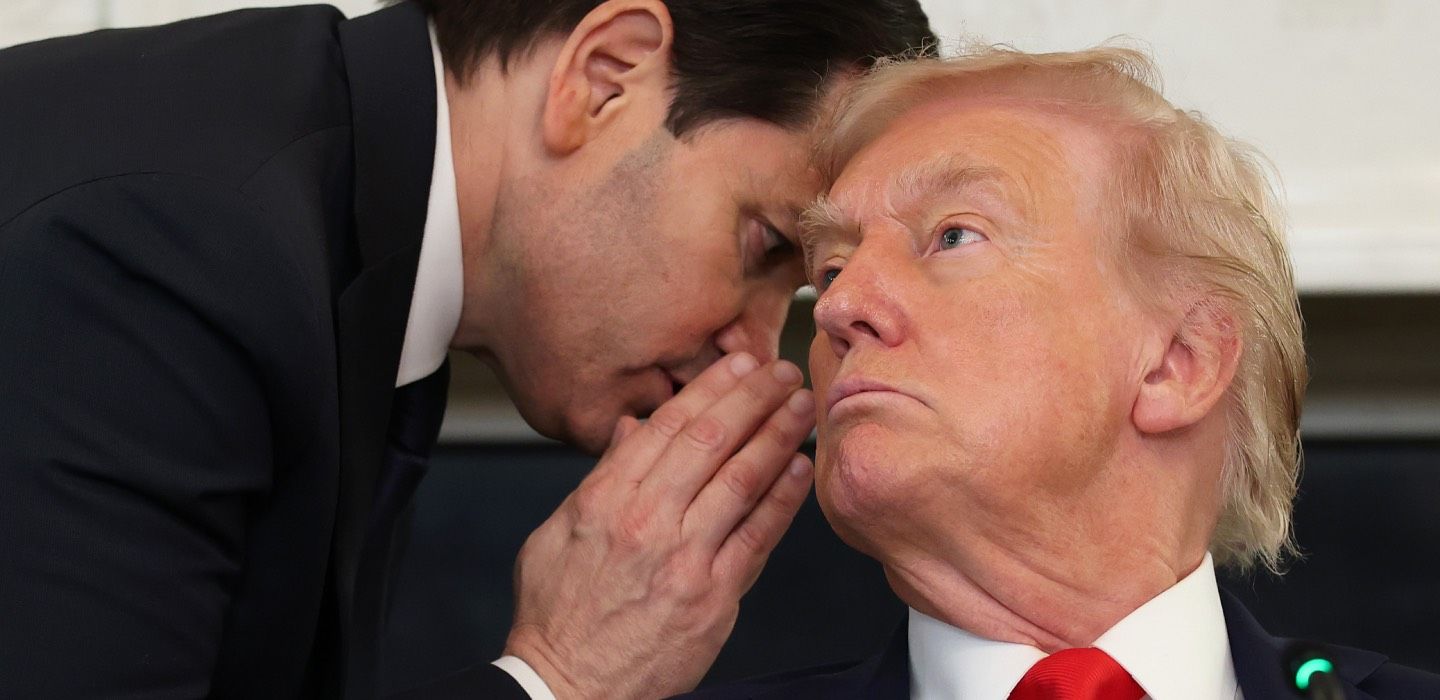
    How the Kremlin Lost Trump

    The collapse of the Budapest summit is an inevitable result of the Russian system of artificially creating foreign policy crises in order to achieve a desired outcome.

      Alexander Baunov

  • Commentary
    Carnegie Politika
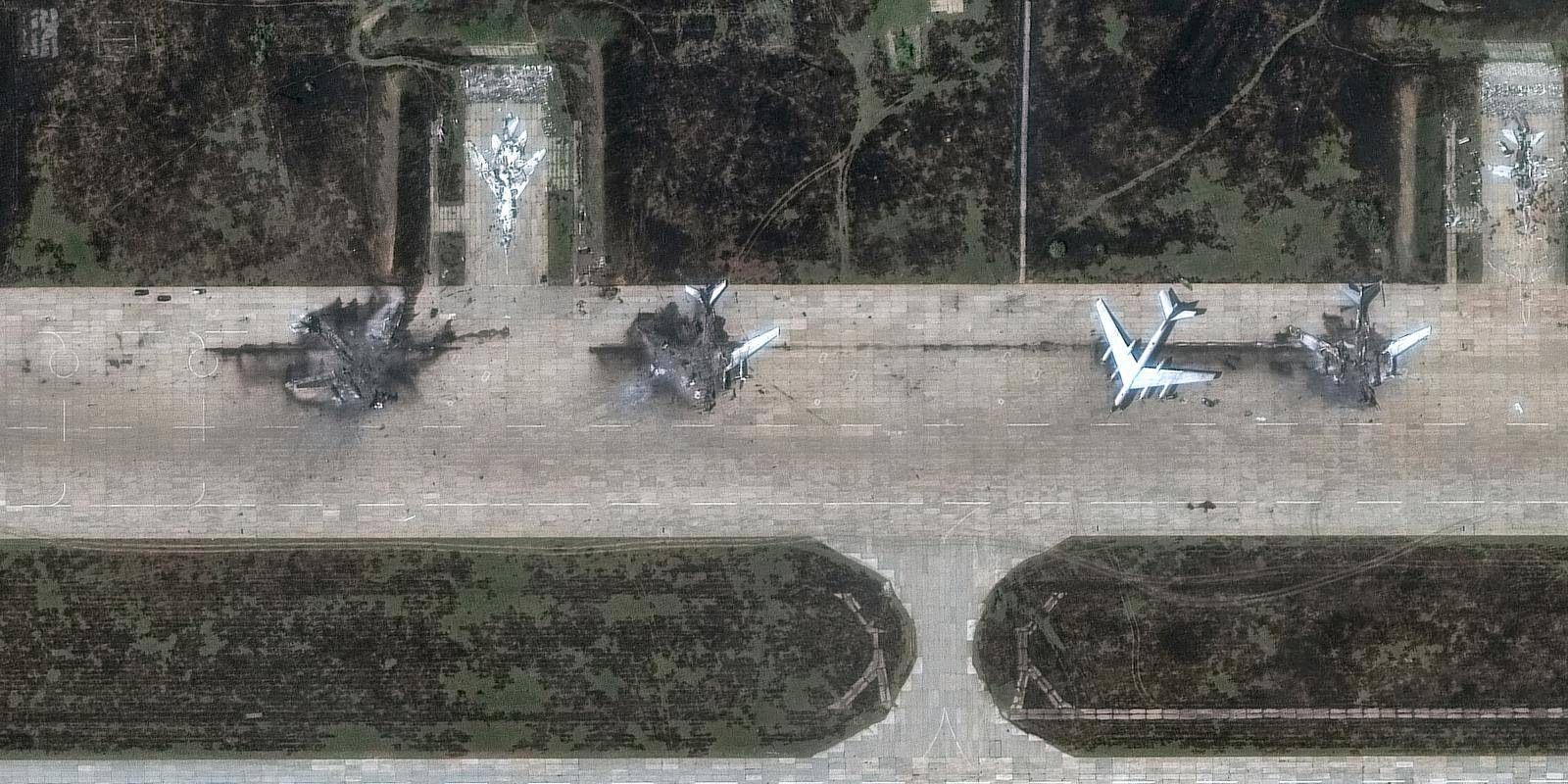
    Ukraine’s Drone Attack on Russia’s Strategic Aviation Has Broader Implications

    Russia could compensate for “nuclear losses” to its aviation by strengthening other elements of its nuclear triad. At a time when control mechanisms are not functioning, there is a risk of strategic uncertainty emerging over the development trajectory of Russia’s nuclear forces.

      Maxim Starchak

  • Commentary
    Carnegie Politika
    What Would Russia Like From a New Iran Nuclear Deal?

    Moscow isn’t exactly thrilled by the prospect of sanctions against Iran being lifted, but if a new Iranian nuclear deal is inevitable, then the Kremlin is prepared to play an active role in it.

      Nikita Smagin

Get more news and analysis from
Carnegie Russia Eurasia Center
Carnegie Russia Eurasia logo, white
  • Research
  • Politika
  • About
  • Experts
  • Events
  • Contact
  • Privacy
Get more news and analysis from
Carnegie Russia Eurasia Center
© 2026 Carnegie Endowment for International Peace. All rights reserved.