

Commentary
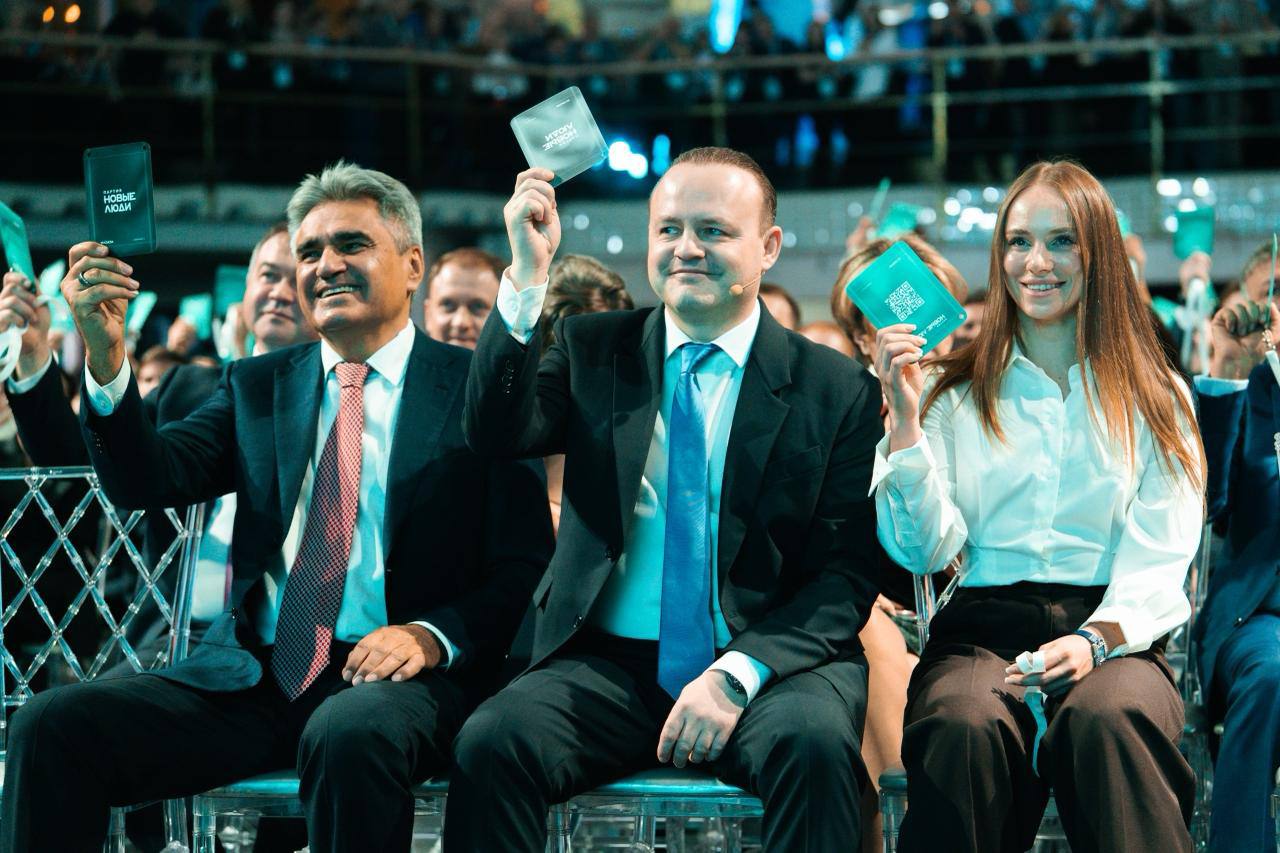
Anger over online restrictions has led to a surge in support for the New People party, which has replaced the Communists as Russia’s second most popular political party.
Andrey Pertsev
{
  "authors": [],
  "type": "pressRelease",
  "centerAffiliationAll": "dc",
  "centers": [
    "Carnegie Endowment for International Peace"
  ],
  "collections": [],
  "englishNewsletterAll": "menaTransitions",
  "nonEnglishNewsletterAll": "",
  "primaryCenter": "Carnegie Endowment for International Peace",
  "programAffiliation": "MEP",
  "programs": [
    "Middle East"
  ],
  "projects": [],
  "regions": [
    "Egypt"
  ],
  "topics": [
    "Political Reform"
  ]
}
REQUIRED IMAGE
The production of a political platform by Egypt's Muslim Brotherhood is a sign that real developments—some encouraging, some worrying—are occurring in Egyptian politics. While the Muslim Brotherhood is prevented by the government from forming a political party,the release of a platform signaled what sort of party they would found if allowed to do so.
WASHINGTON, Jan 22—The production of a political platform by Egypt's Muslim Brotherhood is a sign that real developments—some encouraging, some worrying—are occurring in Egyptian politics. While the Muslim Brotherhood is prevented by Egypt's government from forming a political party—a ban unlikely to be overturned in the near future—the release of a platform signaled what sort of party they would found if allowed to do so, according to a new report from the Carnegie Endowment.
In The Draft Party Platform of the Egyptian Muslim Brotherhood: Foray Into Political Integration or Retreat Into Old Positions?, Senior Associates Nathan Brown and Amr Hamzawy analyze the draft platform's mixed signals—surprising progressive reforms; regressive, controversial stances; and the chances of achieving a consensus on the anticipated final document.
Encouragingly, the platform advances notions of freedom of religion and expression, pluralistic politics, property rights, women's enfranchisement, and state sovereignty. Yet it also called for the establishment of a council of elected senior religious scholars, effectively placing the government under the scrutiny of an extra-constitutional entity—a regression from more moderate positions upheld by the movement's leadership in recent years.
Key Conclusions:
The platform was designed to regain momentum following a marked increase in government restrictions on the Brotherhood after their success in the 2005 parliamentary elections. However, caught between the expectations of loyal activists, who strongly support the implementation of shari'a law, and alienating the more moderate public, disputes among Brotherhood leaders over the platform showed confusion and a lack of consensus over strategy at this critical juncture.
“Brotherhood leaders were aware from the beginning of the limits of what a platform could accomplish. At most it could show Egyptians what a Brotherhood party would look like, but the regime, the law, and now the constitution seem to be far more serious obstacles than public opinion to a Muslim Brotherhood party. The platform shows that the movement is still very much struggling with how to handle the demands of its ambition to be a normal political actor. But no amount of internal debate is likely to reassure a regime that seems unable to accept any serious political actor as a legitimate partner in Egyptian political life,” the authors concluded.
###

Carnegie does not take institutional positions on public policy issues; the views represented herein are those of the author(s) and do not necessarily reflect the views of Carnegie, its staff, or its trustees.
Anger over online restrictions has led to a surge in support for the New People party, which has replaced the Communists as Russia’s second most popular political party.

Andrey Pertsev
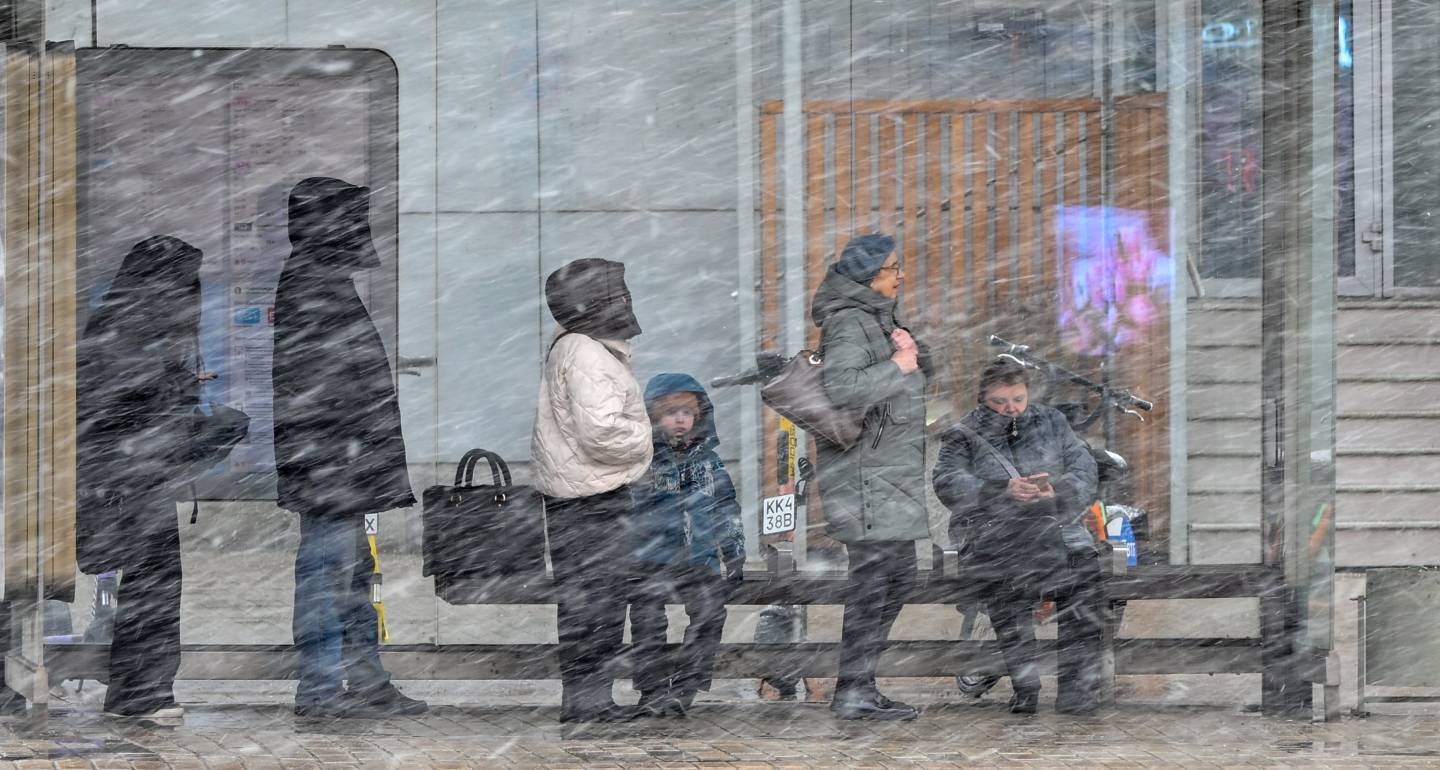
The Russian regime is now visibly motivated by fear.

Alexander Baunov
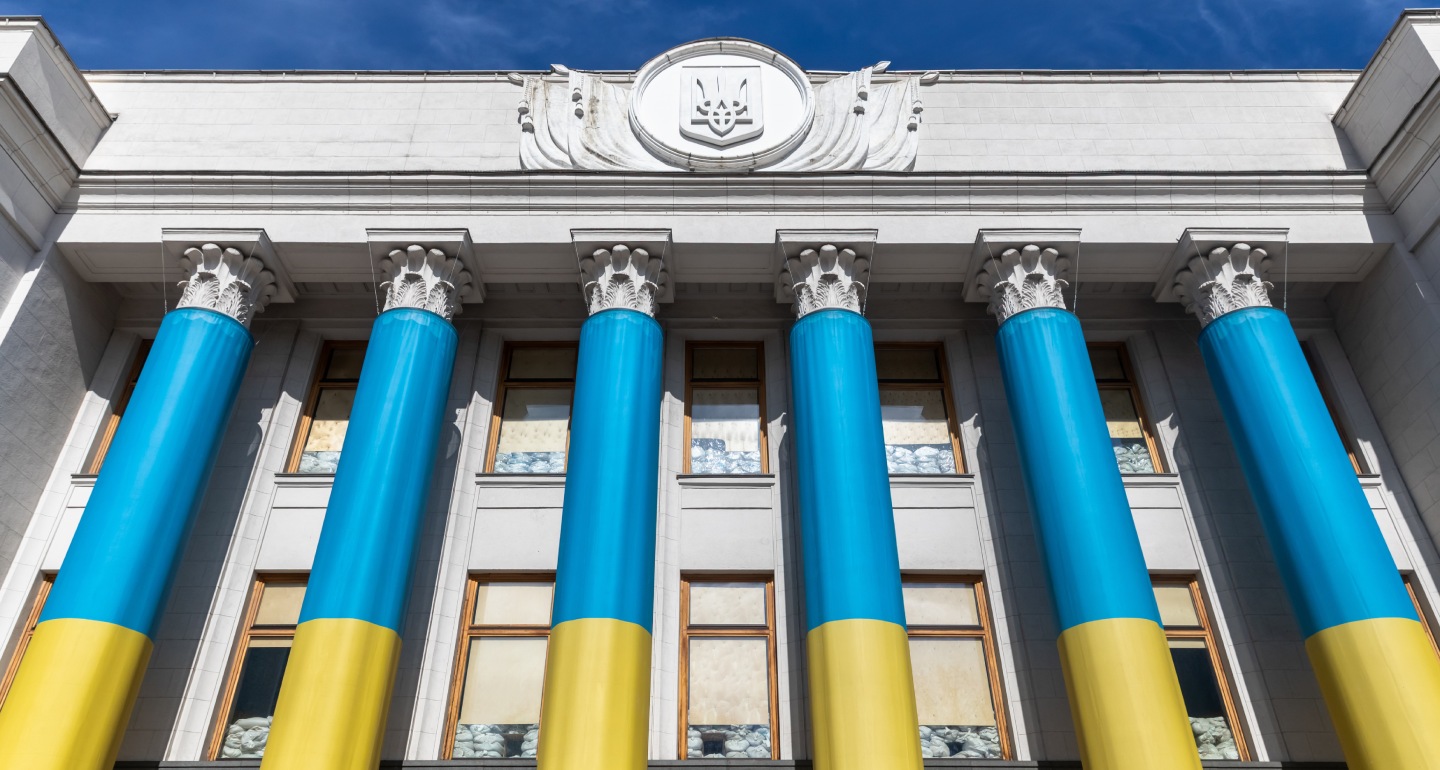
The return of parliamentary politics reflects a broader shift from earlier expectations of a settlement and elections toward the reality of a prolonged war.
Balázs Jarábik
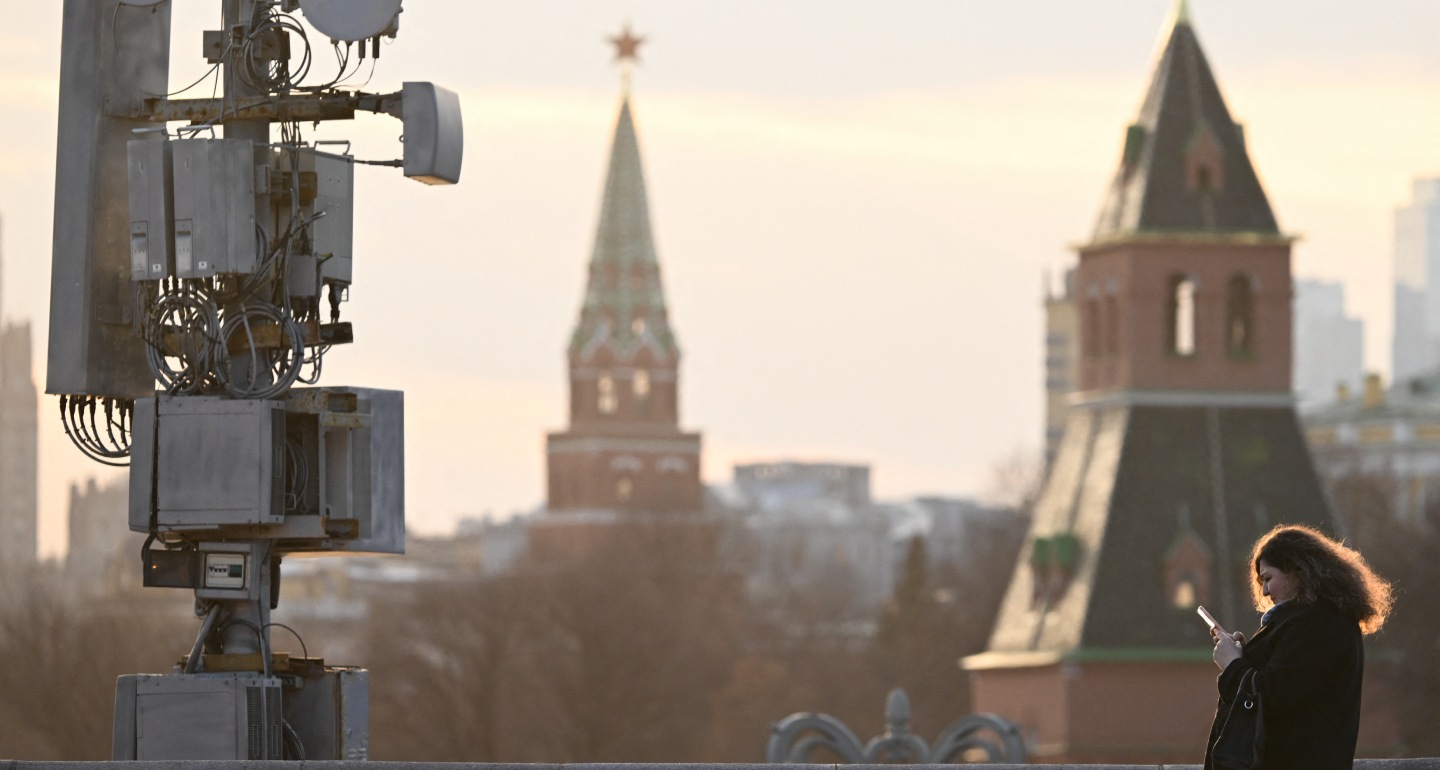
The Russian state has opted for complete ideological control of the internet and is prepared to bear the associated costs.

Maria Kolomychenko
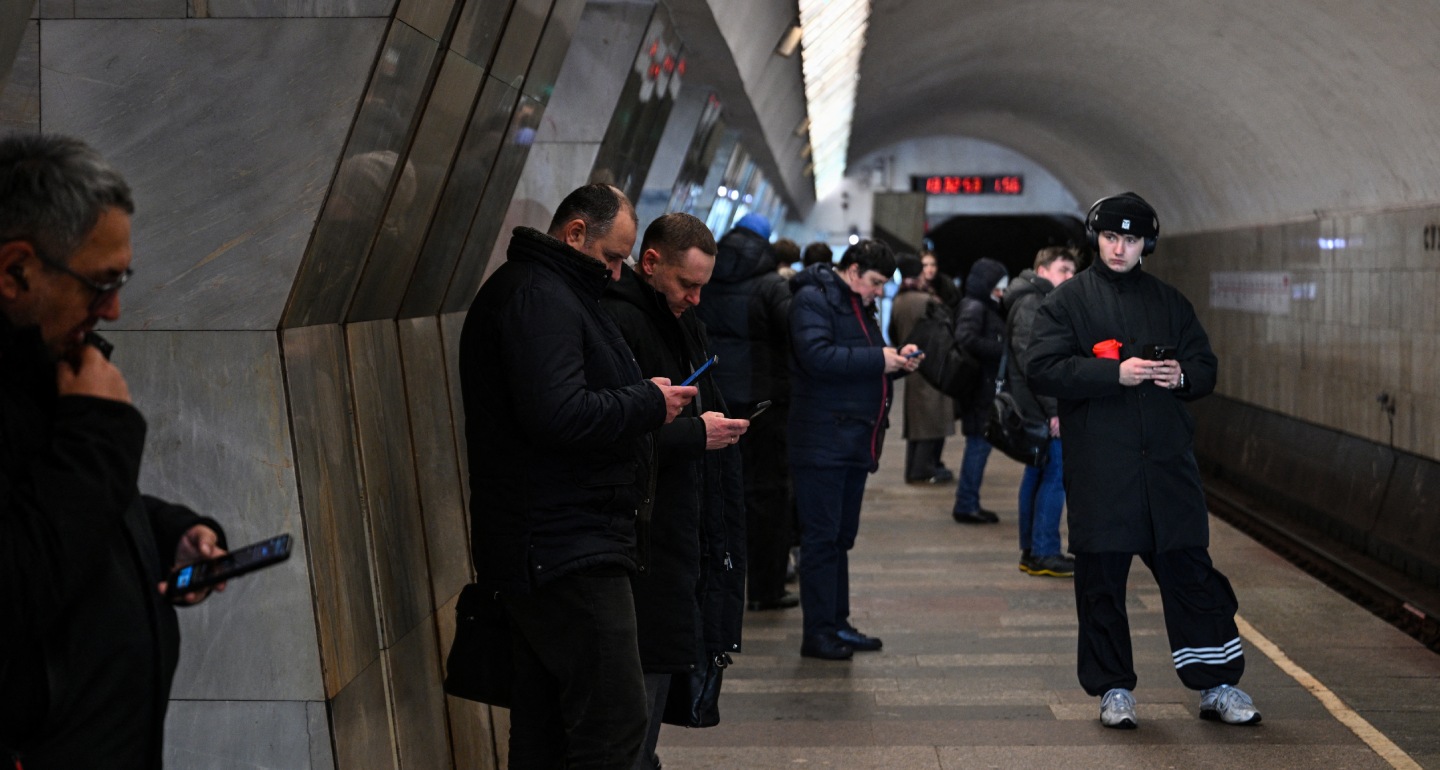
After four years of war, there is no one who can stand up to the security establishment, and President Vladimir Putin is increasingly passive.

Tatiana Stanovaya