

In The Media
Minxin Pei
{
  "authors": [
    "Minxin Pei"
  ],
  "type": "legacyinthemedia",
  "centerAffiliationAll": "dc",
  "centers": [
    "Carnegie Endowment for International Peace"
  ],
  "collections": [],
  "englishNewsletterAll": "asia",
  "nonEnglishNewsletterAll": "",
  "primaryCenter": "Carnegie Endowment for International Peace",
  "programAffiliation": "AP",
  "programs": [
    "Asia"
  ],
  "projects": [],
  "regions": [
    "China"
  ],
  "topics": [
    "Military"
  ]
}
Source: Getty
Senior Associate Minxin Pei appeared on CNN roundtable discussion to share his expertise on China-related issues
Source: Cable News Network

Pei shared his expertise on several important issues related to China, including the influence the coming presidential election would have on future U.S.-Sino relations, political ramifications of the Sichuan earthquake, and issues surrounding the Olympics.
Click below for the full video coverage
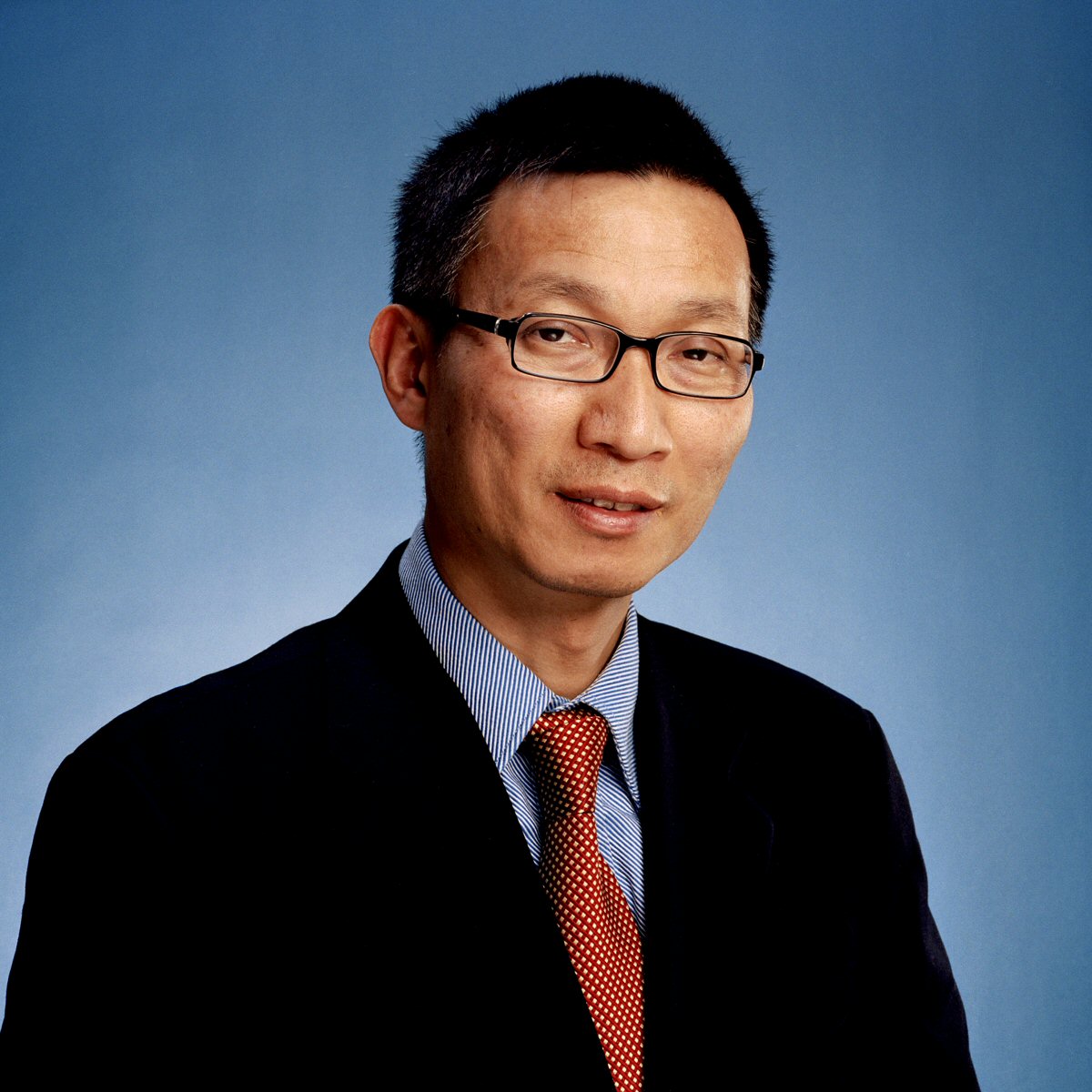
Former Adjunct Senior Associate, Asia Program
Pei is Tom and Margot Pritzker ‘72 Professor of Government and the director of the Keck Center for International and Strategic Studies at Claremont McKenna College.
Recent Work
Minxin Pei
Minxin Pei
Reestablishing a dialogue with Moscow is not a goal in its own right. The goal is to guarantee the independence of Ukraine and the peace and security of Europe.
Arkady Moshes

By reminding the world that Lukashenko is a threat to NATO and Ukraine, Kyiv is trying to return the focus to why the Belarusian regime needs to be contained rather than rewarded.

Artyom Shraibman
With no key agreement signed on the Power of Siberia 2 gas pipeline, there is a risk that the window of opportunity for Russia will close if Chinese power generation becomes so green that new gas sources are no longer of any interest to Beijing.

Alexander Gabuev

Baku’s backing for Ukraine is less about confronting Russia than about quietly broadening the mix of partners it relies on.
Zaur Shiriyev
For the Middle Corridor to fulfill its promises, one of these routes must become scalable. At present, neither is.

Friedrich Conradi