

In The Media
John Judis
{
  "authors": [
    "John Judis"
  ],
  "type": "legacyinthemedia",
  "centerAffiliationAll": "",
  "centers": [
    "Carnegie Endowment for International Peace"
  ],
  "collections": [],
  "englishNewsletterAll": "",
  "nonEnglishNewsletterAll": "",
  "primaryCenter": "Carnegie Endowment for International Peace",
  "programAffiliation": "",
  "programs": [],
  "projects": [],
  "regions": [
    "North America",
    "United States"
  ],
  "topics": [
    "Political Reform"
  ]
}
REQUIRED IMAGE
My esteemed colleague Noam Scheiber has suggested that Barack Obama’s results in the Philadelphia suburbs did not possess the significance I attributed to them. Clinton’s advantage there, he suggests, didn’t show that she was cutting into Obama’s prior advantage among affluent, educated voters--voters that have made up much of his white support.
Source: New Republic
My esteemed colleague Noam Scheiber has suggested that Barack Obama’s results in the Philadelphia suburbs did not possess the significance I attributed to them. Clinton’s advantage there, he suggests, didn’t show that she was cutting into Obama’s prior advantage among affluent, educated voters--voters that have made up much of his white support. Noam might be right about these suburbs, although I think that if you looked at the Democratic primary voters in Philadelphia’s Montgomery County (where the Main Line runs), you would find that a lot of them are from the educated, affluent part of the county. I am not prepared to look into the returns that closely. But I don’t think you have to do so to make the general point about Obama’s vote in the Pennsylvania primary that I was trying to make by pointing to these counties. Let’s just look at his margin among college-educated voters and voters with post-graduate degrees in Pennsylvania and in other states.

What these results show is that Obama’s advantage among college-educated voters and voters with post-graduate degrees suddenly disintegrated in Pennsylvania. You’ll find a very similar pattern if you look at the “affluent” side of the vote. In Pennsylvania, Clinton won voters who make between $100,000 and $149,999 by 62 to 38 percent. Obama won these voters in most others states. For instance, in Texas he won them by 53 to 46 percent and in Missouri by 60 to 40 percent.
What might have happened in Pennsylvania, I suggested, was that Obama’s image became tarnished by his being associated in voters’ minds with Pastor Wright and, to a lesser extent, with Tony Rezko and Bill Ayers. I can’t prove this, but I think I have shown that (contrary to the Obama campaign’s press release) a change in the composition of Obama’s vote did take place in Pennsylvania, and it may turn out to be significant.
Former Visiting Scholar
As a visiting scholar at Carnegie, Judis wrote The Folly of Empire: What George W. Bush Could Learn from Theodore Roosevelt and Woodrow Wilson.
Recent Work
John Judis
John Judis
Carnegie does not take institutional positions on public policy issues; the views represented herein are those of the author(s) and do not necessarily reflect the views of Carnegie, its staff, or its trustees.
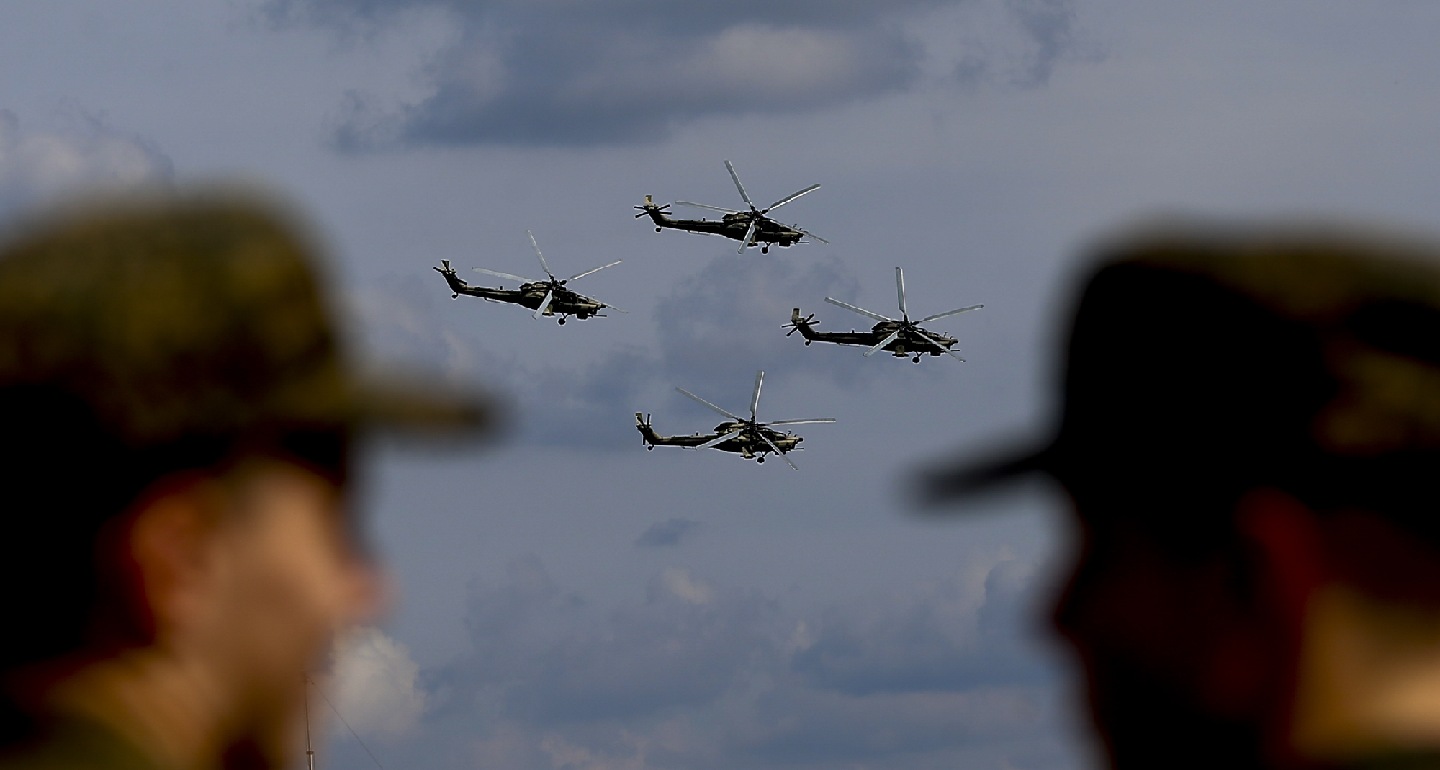
Arms supplies from Russia to Iran will not only continue, but could grow significantly if Russia gets the opportunity.

Nikita Smagin
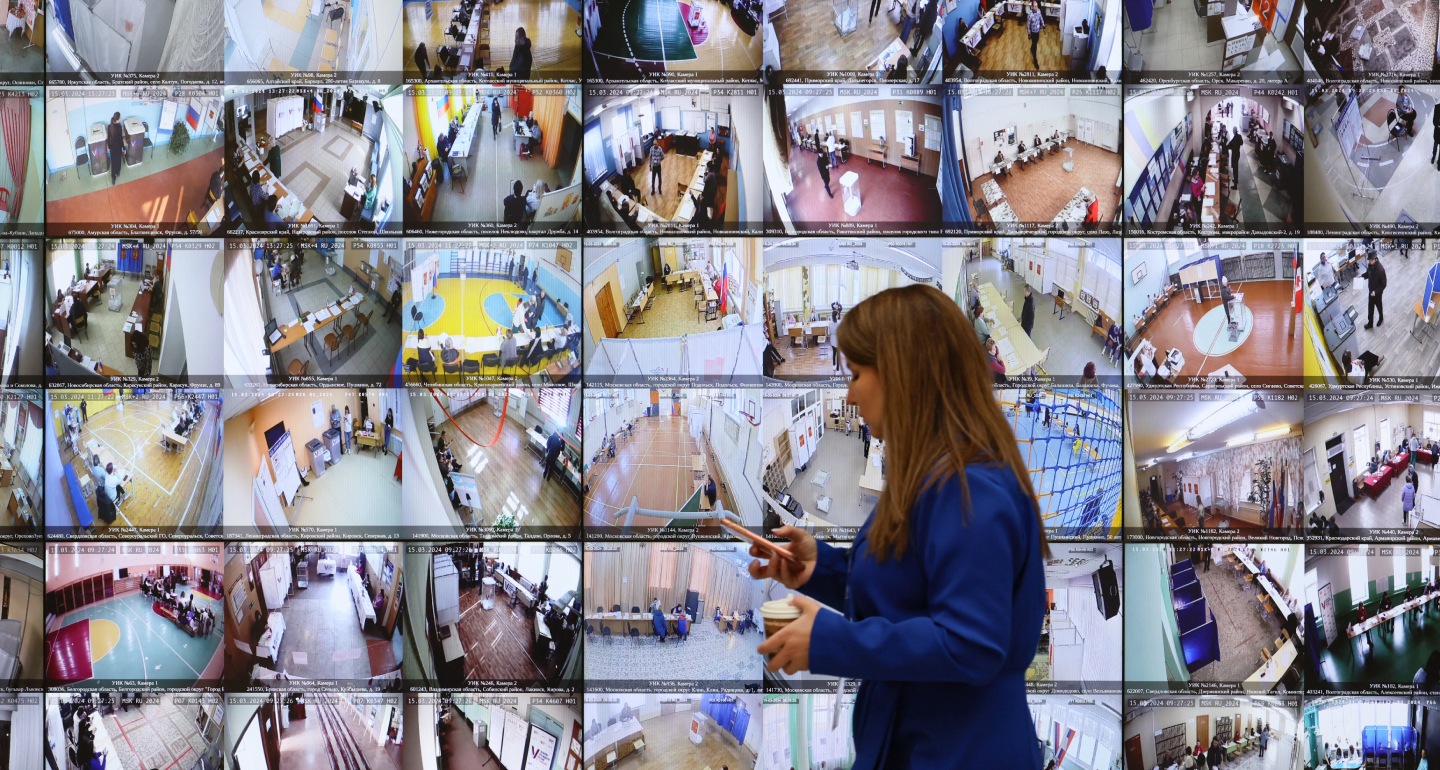
The use of technology to mobilize Russians to vote—a system tied to the relative material well-being of the electorate, its high dependence on the state, and a far-reaching system of digital control—is breaking down.

Andrey Pertsev
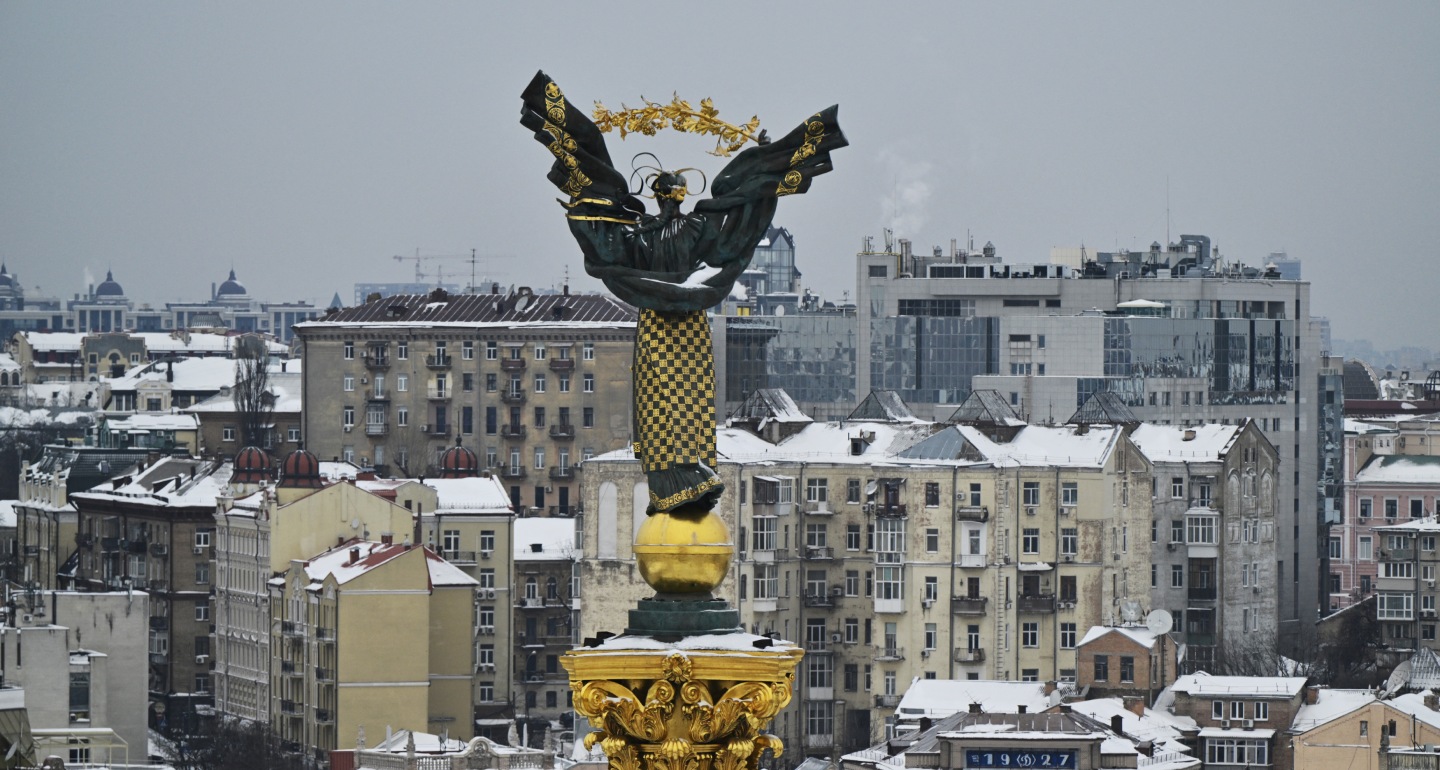
As discussions about settlement and elections move from speculation to preparation, Kyiv will have to manage not only the battlefield, but also the terms of political transition. The thaw will not resolve underlying tensions; it will only expose them more clearly.

Balázs Jarábik
Despite its reputation as an island of democracy in Central Asia, Kyrgyzstan appears to be on the brink of becoming a personalist autocracy.

Temur Umarov
Having failed to build a team that he can fully trust or establish strong state institutions, Mirziyoyev has become reliant on his family.

Galiya Ibragimova