

Commentary
Minsk clearly expected the dialogue with Washington to yield more results, in particular the lifting of EU sanctions and permission to export potash.
Artyom Shraibman
{
  "authors": [
    "Douglas H. Paal",
    "George Perkovich",
    "Sharon Squassoni"
  ],
  "type": "other",
  "centerAffiliationAll": "dc",
  "centers": [
    "Carnegie Endowment for International Peace"
  ],
  "collections": [
    "Korean Peninsula"
  ],
  "englishNewsletterAll": "asia",
  "nonEnglishNewsletterAll": "",
  "primaryCenter": "Carnegie Endowment for International Peace",
  "programAffiliation": "AP",
  "programs": [
    "Asia",
    "Nuclear Policy"
  ],
  "projects": [],
  "regions": [
    "South Korea",
    "China"
  ],
  "topics": [
    "Military",
    "Foreign Policy",
    "Nuclear Policy",
    "Nuclear Energy"
  ]
}
Source: Getty
In briefings following North Korea's announcement to hand over details of its nuclear program, Carnegie experts noted that while it is the first of several hurdles to be overcome before North Korea may fully reintegrate into the international community, it represents the greatest understanding of the North's plutonium program in fourteen years.
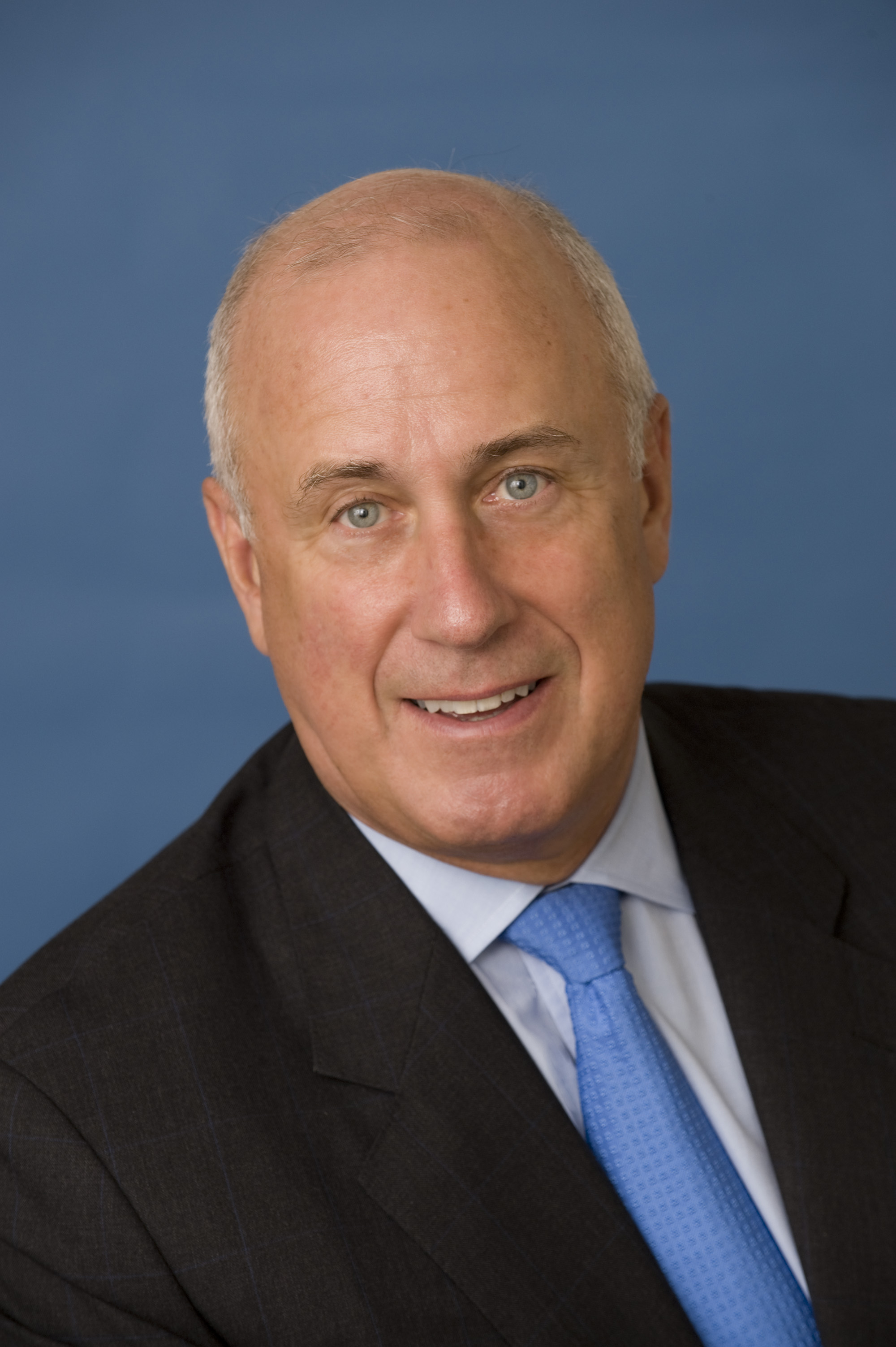
Distinguished Fellow, Asia Program
Paal previously served as vice chairman of JPMorgan Chase International and as unofficial U.S. representative to Taiwan as director of the American Institute in Taiwan.

Japan Chair for a World Without Nuclear Weapons, Senior Fellow
George Perkovich is the Japan Chair for a World Without Nuclear Weapons and a senior fellow in the Carnegie Endowment for International Peace’s Nuclear Policy Program. He works primarily on nuclear deterrence, nonproliferation, and disarmament issues.
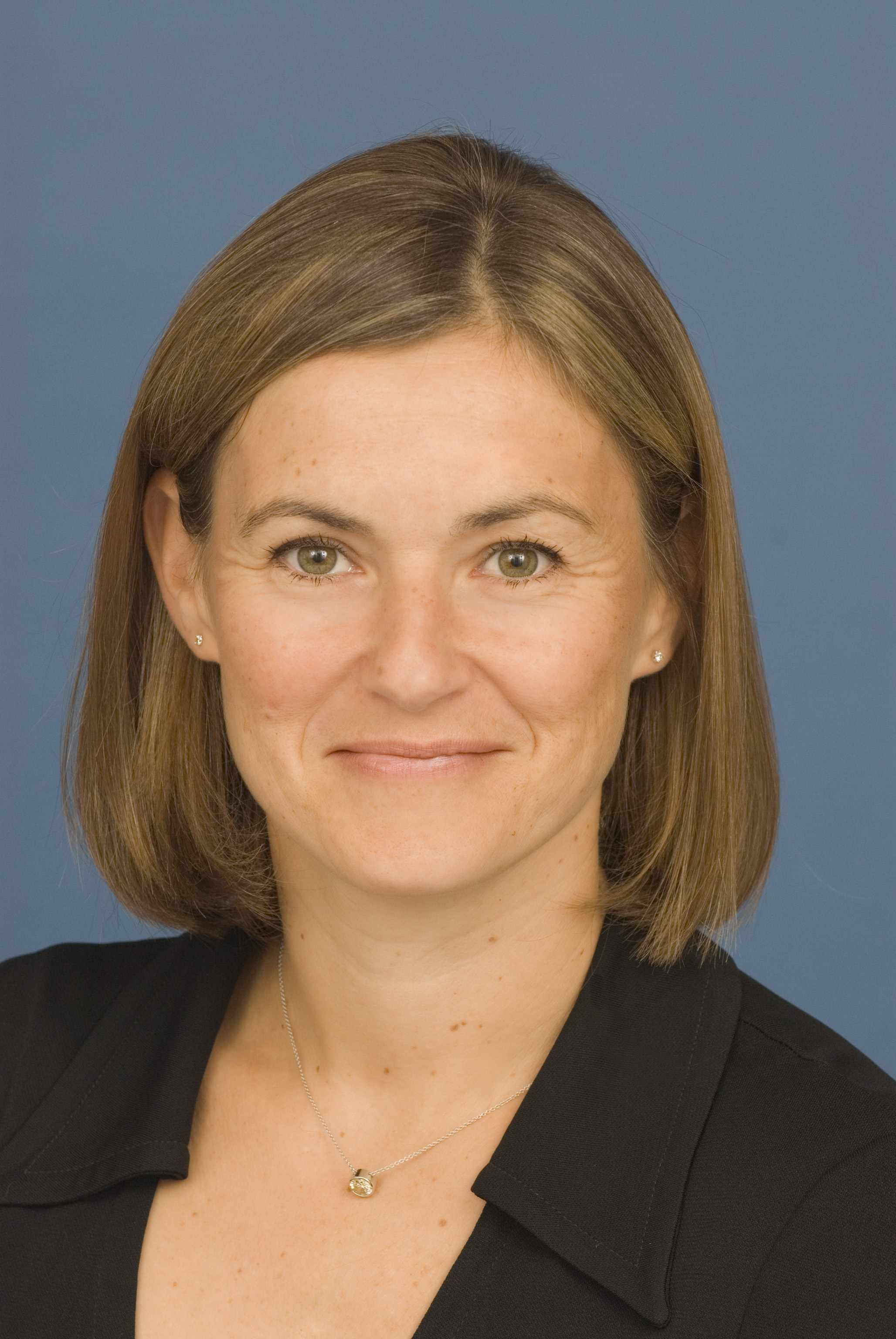
Former Senior Associate, Nuclear Policy Program
Squassoni came to Carnegie from the Congressional Research Service. She also served for nine years in the executive branch. Her last position at the State Department was director of Policy Coordination in the Nonproliferation Bureau.
Carnegie does not take institutional positions on public policy issues; the views represented herein are those of the author(s) and do not necessarily reflect the views of Carnegie, its staff, or its trustees.

Minsk clearly expected the dialogue with Washington to yield more results, in particular the lifting of EU sanctions and permission to export potash.

Artyom Shraibman

With the growth in points of friction between the great powers, organizations like the SCO will continue to play a role in the strategic adaptation of the smaller powers caught between them.

Temur Umarov

When faced with fuel shortages in the past, Central Asian governments could always count on additional supplies from Moscow. That safety net no longer exists.

Galiya Ibragimova
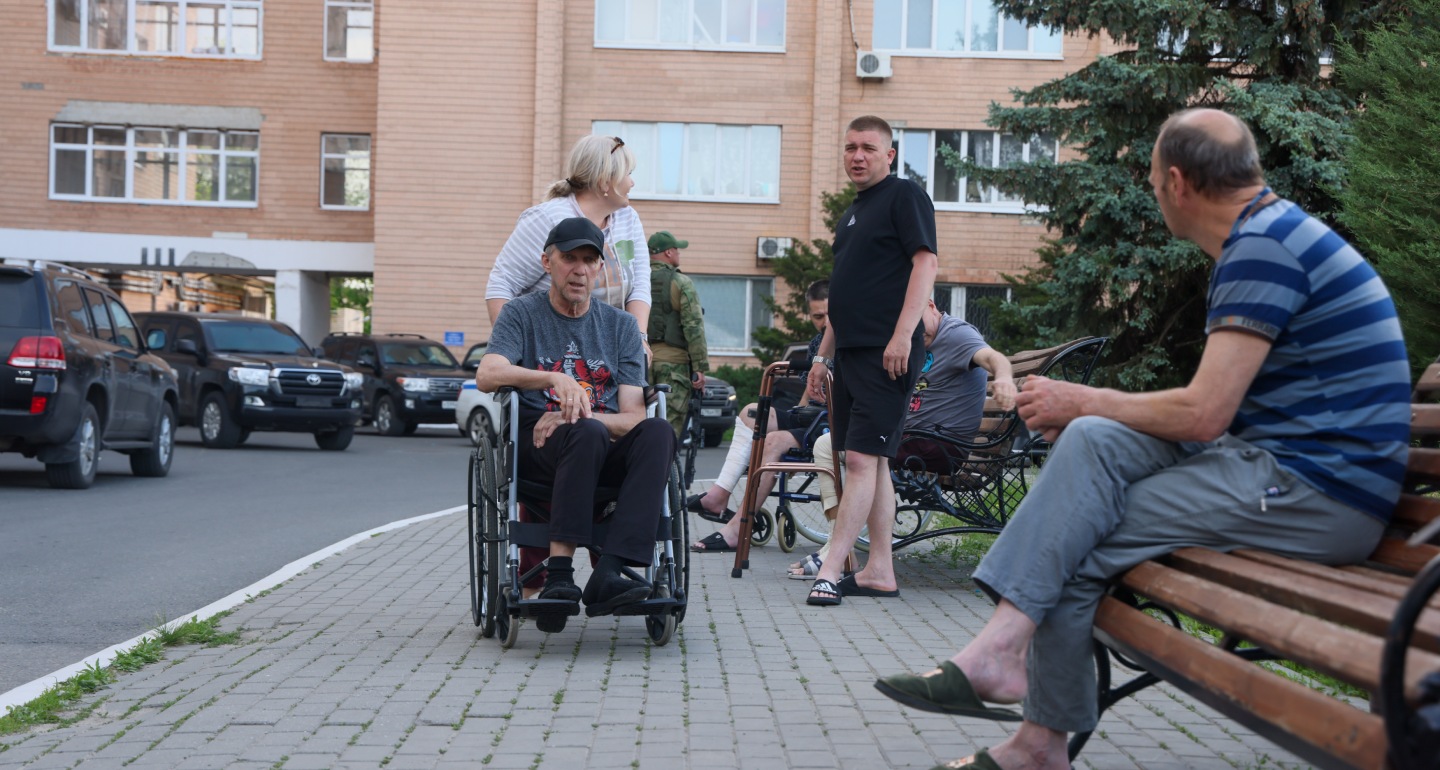
Despite unhappiness on the ground, Moscow is determined to use both carrot and stick to ensure there is record support for United Russia in occupied Ukraine.

Konstantin Skorkin
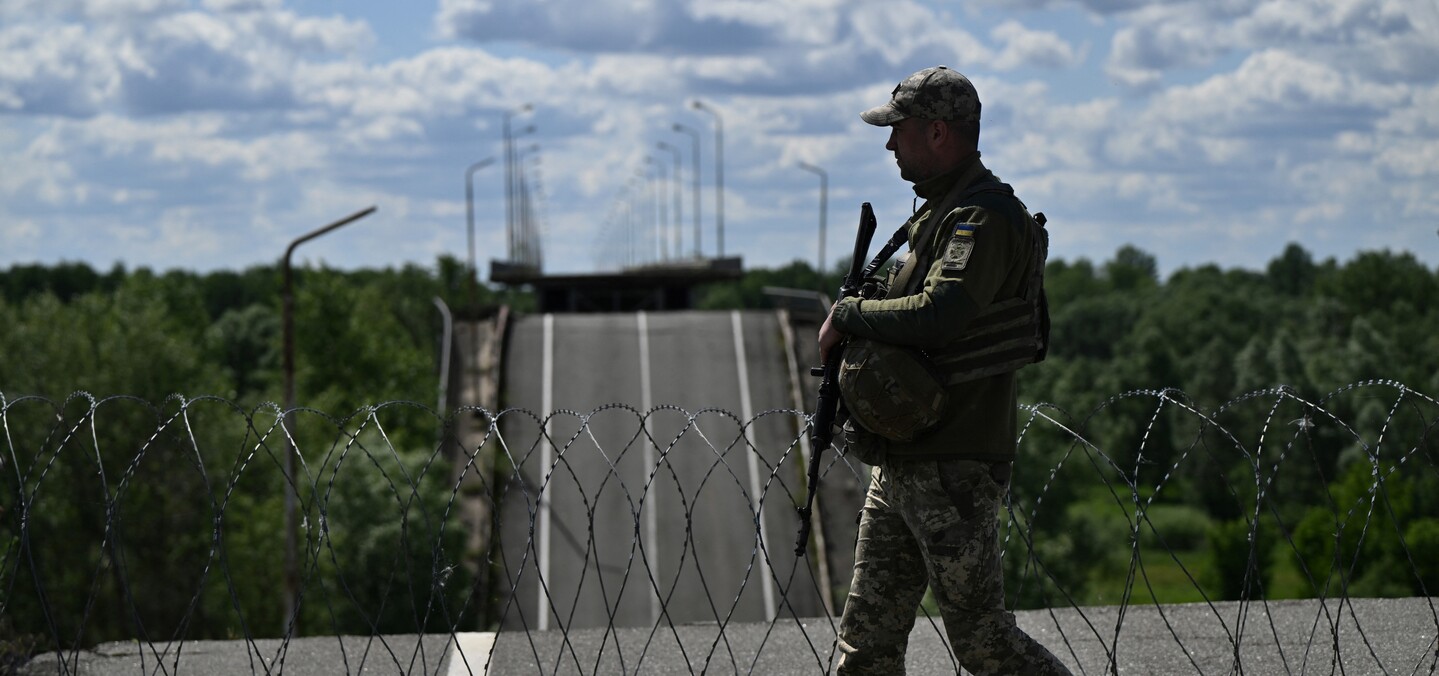
The recent damage inflicted by Ukrainian drones and missiles on Russia has made Belarus aware of its own vulnerabilities—and surprisingly amenable to Kyiv’s demands.
Artyom Shraibman