

Paper
Douglas H. Paal
{
  "authors": [
    "Douglas H. Paal"
  ],
  "type": "legacyinthemedia",
  "centerAffiliationAll": "dc",
  "centers": [
    "Carnegie Endowment for International Peace"
  ],
  "collections": [],
  "englishNewsletterAll": "asia",
  "nonEnglishNewsletterAll": "",
  "primaryCenter": "Carnegie Endowment for International Peace",
  "programAffiliation": "AP",
  "programs": [
    "Asia"
  ],
  "projects": [],
  "regions": [
    "China"
  ],
  "topics": [
    "Political Reform",
    "Democracy",
    "Economy",
    "Military"
  ]
}
REQUIRED IMAGE
China used the Beijing Olympics as a showcase for its new found economic clout and ascendancy as a leading member of the international community. Although the resounding success of the Games has bolstered China's authoritarian regime and shielded it from the scrutiny it deserves on human rights issues, China deserves praise for embracing the world.
Source: C-SPAN's Washington Journal

China used the Beijing Olympics as a showcase for its new found economic clout and ascendancy as a leading member of the international community. Douglas Paal explained on C-SPAN’s Washington Journal that President Bush gave legitimacy to China’s regime by attending the Games; an important gesture that should be repaidd with greater cooperation on the challenges the U.S. faces in places like Iran, Iraq, Pakistan, and North Korea.
Although the resounding success of the Games has bolstered China's authoritarian regime and shielded it from the scrutiny it deserves on human rights issues, China deserves praise for embracing the world. Paal noted that there is an important contrast between the way that the Chinese announced their resurgence to the international community -- by hosting a successful Games -- and the way that the Russians did so-- by invading a sovereign country and annexing territory. Pressuring China for more reforms through sanctions has proven an ineffective strategy. A more successful approach is for the U.S. to push forward with the current strategic economic dialogue.

Distinguished Fellow, Asia Program
Paal previously served as vice chairman of JPMorgan Chase International and as unofficial U.S. representative to Taiwan as director of the American Institute in Taiwan.
Recent Work
Douglas H. Paal

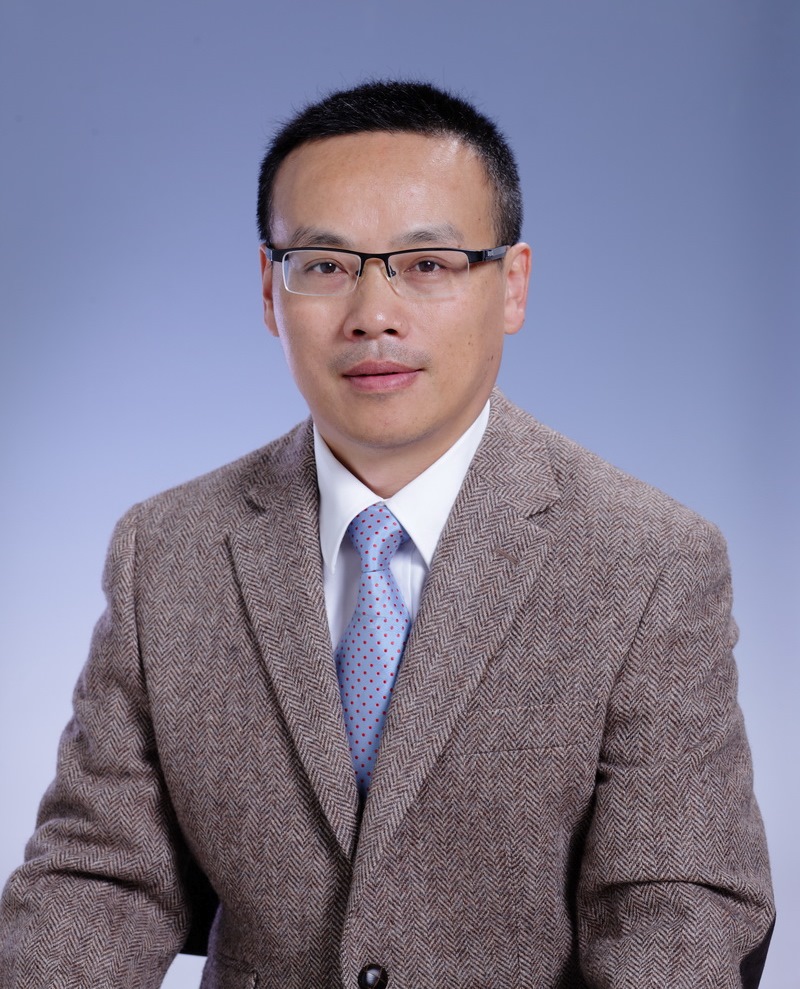
Douglas H. Paal, Tong Zhao, Chen Qi, …
Carnegie does not take institutional positions on public policy issues; the views represented herein are those of the author(s) and do not necessarily reflect the views of Carnegie, its staff, or its trustees.

Sergei Kiriyenko used Russia’s parliamentary vote to further hone his strategy of corporate mobilization that is designed to maximize votes for United Russia.

Andrey Pertsev

The European far right might fail to steer EU policy in the direction Russia wants, but they will create enough chaos inside Europe to benefit the Kremlin.

Dimitar Bechev

If the Russian-speaking community in Latvia cannot articulate their interests without being seen as disloyal, they could end up embracing a pro-Kremlin agenda.

Sergejs Potapkins

Russia’s ruling party would have benefited from Putin appearing as its distant patron, but as an active frontman imposing his views on the public, he has done nothing but harm both the party’s election campaign and the ruling system overall.
Andrey Pertsev

Depleted financial reserves and a shrinking tax base mean it is no longer possible to simultaneously deliver high defense spending, price stability, and economic growth.

Alexandra Prokopenko