

Commentary
Dmitri Trenin
{
  "authors": [
    "Dmitri Trenin"
  ],
  "type": "legacyinthemedia",
  "centerAffiliationAll": "",
  "centers": [
    "Carnegie Endowment for International Peace",
    "Carnegie Russia Eurasia Center"
  ],
  "collections": [],
  "englishNewsletterAll": "",
  "nonEnglishNewsletterAll": "",
  "primaryCenter": "Carnegie Russia Eurasia Center",
  "programAffiliation": "",
  "programs": [],
  "projects": [],
  "regions": [
    "North America",
    "United States",
    "Caucasus",
    "Russia",
    "Georgia",
    "Western Europe"
  ],
  "topics": [
    "Foreign Policy"
  ]
}
Source: Getty
Russia’s response to Georgia’s large-scale military operation in South Ossetia transformed the conflict from a regional dispute over an obscure ethnic group into an emerging international crisis between Russia and the West. While Georgia may have succeeded in causing Russia to move in with heavy forces, the United States and Europe need to pause and think before following Saakashvili's script.
Source: Washington Post

Acting under time pressure, Georgia has dramatically upped the ante by mounting a large-scale military operation to recover the separatist enclave in South Ossetia. As expected, its now well-trained and well-equipped forces overran the Ossetian formations and took over their capital town, causing a massive loss of life. This spectacular Act I of the unfolding drama received only muted reaction in the international media.
Not so the following Act. President Saakashvili has succeeded in causing Russia to move in with heavy forces. Immediately, the nature of the conflict has been transformed. It is no longer about an obscure ethnic group tucked in somewhere in the Caucasus mountains. The image reverberating around the world is that of Russia's recidivist invasion against one of its tiny neighbors. Moscow stepped right into the trap Tbilisi had laid for it.
Almost inevitably, Act II leads to Act III, for which Saakashvili is already calling. The conflict is no longer about Russia and Georgia, he says, it is about American/Western values. Georgia is a frontline state in the emerging new confrontation: a democratic David fighting the Russian Goliath. This is serious. Much has been prophesized recently about the advent of a new Cold War, and the recent developments in the Caucasus, at least in their superficial and very partial interpretation, seem to corroborate the story.
Yet, the United States and Europe need to pause and think. Standing up for Georgia is one thing, but following Saakashvili's script is another. So far, each step in the Caucasus drama has put the conflict on a yet higher plane. The next step will no longer be just about the Caucasus, or even Europe. Remember the Guns of August.
Dmitri Trenin is a Senior Associate of the Carnegie Endowment for International Peace and Deputy Director of its Moscow center.
Former Director, Carnegie Moscow Center
Trenin was director of the Carnegie Moscow Center from 2008 to early 2022.
Recent Work
Dmitri Trenin
Dmitri Trenin
Carnegie does not take institutional positions on public policy issues; the views represented herein are those of the author(s) and do not necessarily reflect the views of Carnegie, its staff, or its trustees.
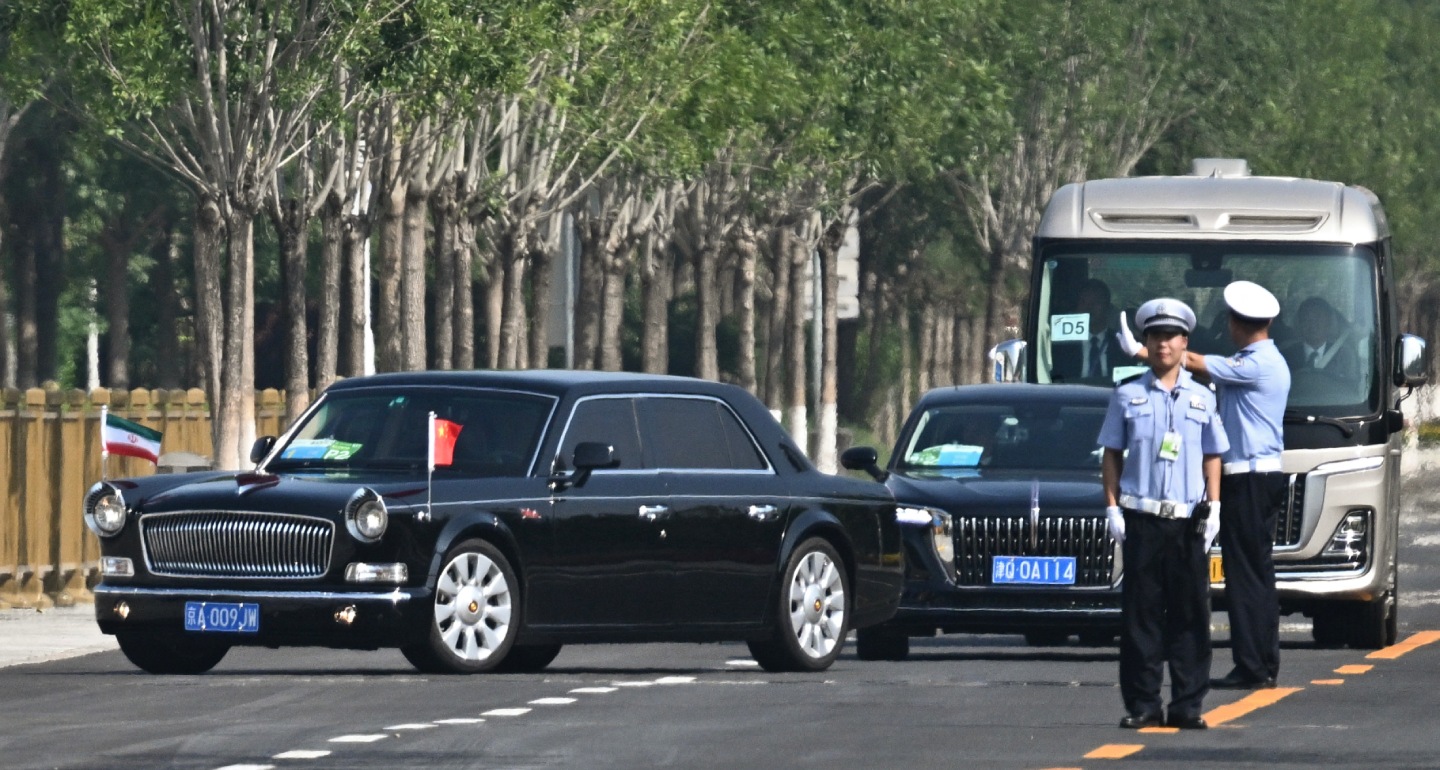
Most of Moscow’s military resources are tied up in Ukraine, while Beijing’s foreign policy prioritizes economic ties and avoids direct conflict.


Alexander Gabuev, Temur Umarov
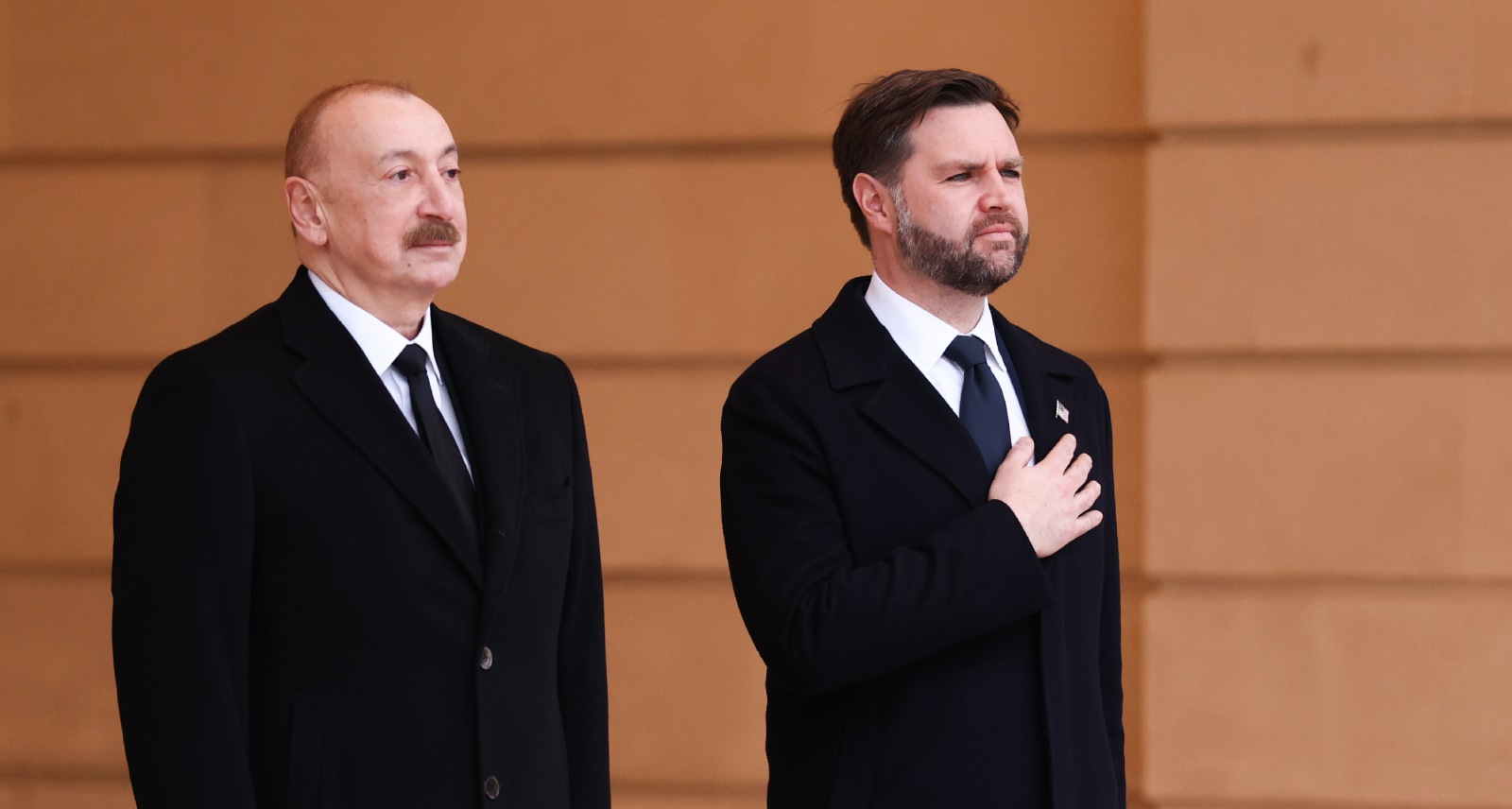
With the White House only interested in economic dealmaking, Georgia finds itself eclipsed by what Armenia and Azerbaijan can offer.

Bashir Kitachaev
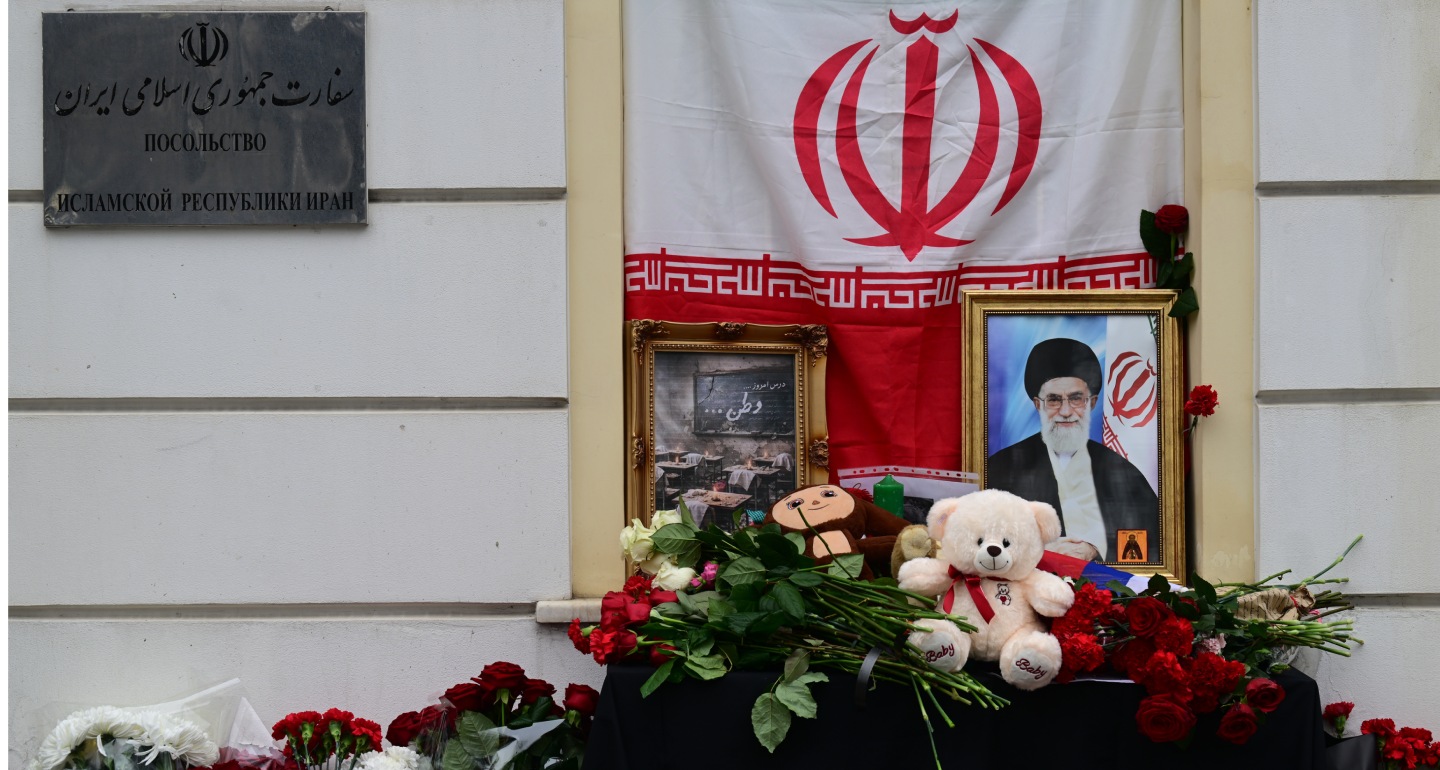
If the regime in Tehran survives, it could be obliged to hand Moscow significant political influence in exchange for supplies of weapons and humanitarian aid.

Nikita Smagin
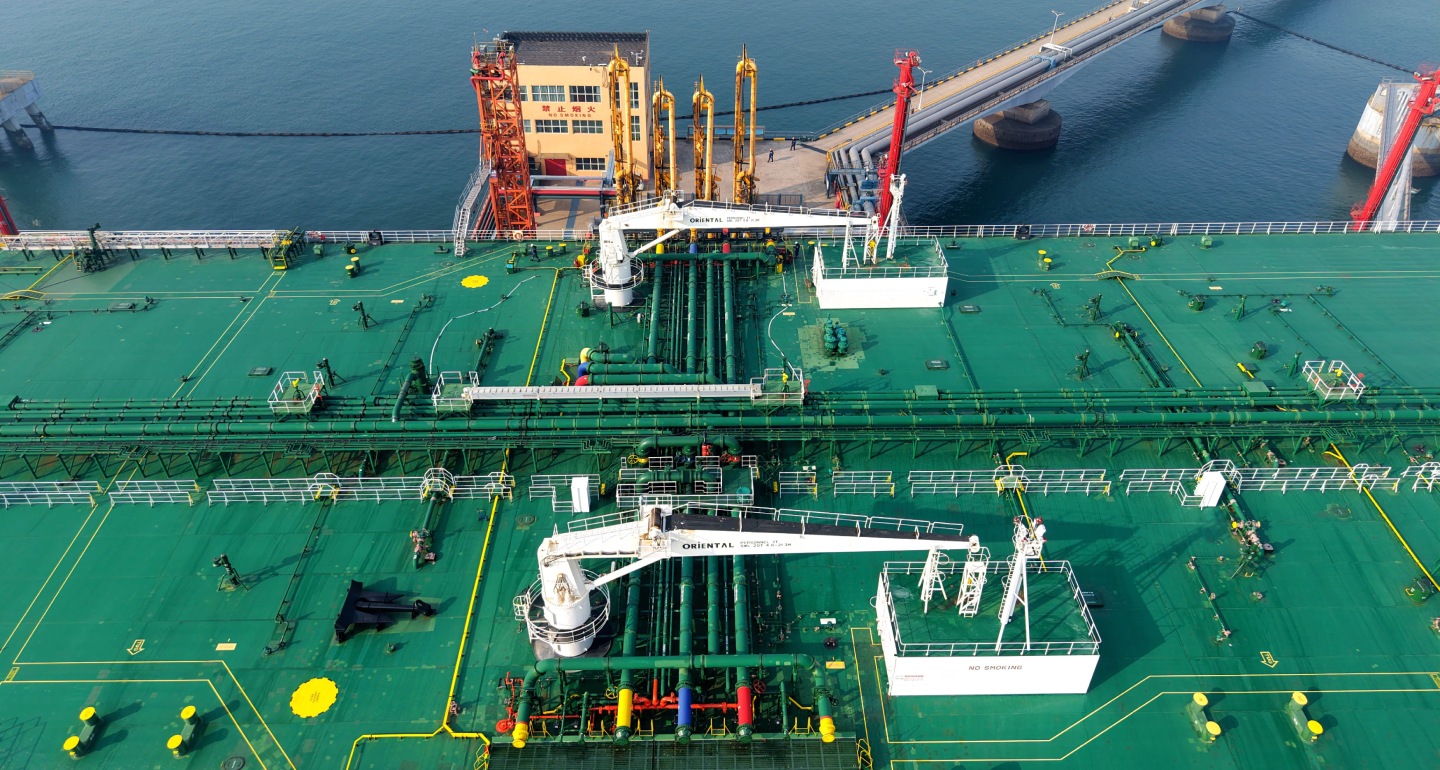
The interventions in Iran and Venezuela are in keeping with Trump’s strategy of containing China, but also strengthen Russia’s position.

Mikhail Korostikov
Arms supplies from Russia to Iran will not only continue, but could grow significantly if Russia gets the opportunity.
Nikita Smagin