

Commentary
When faced with fuel shortages in the past, Central Asian governments could always count on additional supplies from Moscow. That safety net no longer exists.
Galiya Ibragimova
{
  "authors": [],
  "type": "pressRelease",
  "centerAffiliationAll": "dc",
  "centers": [
    "Carnegie Endowment for International Peace"
  ],
  "collections": [
    "U.S. Nuclear Policy"
  ],
  "englishNewsletterAll": "ctw",
  "nonEnglishNewsletterAll": "",
  "primaryCenter": "Carnegie Endowment for International Peace",
  "programAffiliation": "NPP",
  "programs": [
    "Nuclear Policy",
    "Middle East"
  ],
  "projects": [],
  "regions": [
    "North America",
    "United States",
    "Middle East",
    "Iran",
    "Iraq",
    "Afghanistan"
  ],
  "topics": [
    "Military",
    "Foreign Policy",
    "Nuclear Policy"
  ]
}
REQUIRED IMAGE
Iran continues to be a critical national security challenge for the United States. A different approach is required. In a new policy brief, Karim Sadjadpour explains that the relevant question is not whether to talk to Iran but how to talk to Iran, and prioritizes U.S. engagement with Iran on six critical issues.

WASHINGTON, Oct 16—Iran continues to be a critical national security challenge for the United States, despite decades of effort to change Tehran’s behavior by isolating the country politically and economically. A different approach is required. In a new policy brief, Karim Sadjadpour explains that the relevant question is not whether to talk to Iran but how to talk to Iran, and prioritizes U.S. engagement with Iran on six critical issues: Iraq, Afghanistan, nuclear proliferation, the Arab–Israeli conflict, energy, and terrorism.
The next U.S. president should:
Sadjadpour concludes with a note of caution:
“Around the same time the next U.S. president is inaugurated, the Iranian revolution will mark its thirtieth anniversary. Given three decades of compounded mistrust and ill will, the results of any process of engagement will not be quick; such antagonism will not melt away after one, two, or even many meetings. The initial pace will likely be painfully slow, as each side ascertains whether the other truly has good intentions. Furthermore, given the potentially enormous implications that a changed relationship with Washington would have for the Islamic Republic’s future, there are a variety of reasons why even a sincere, sustained American attempt at dialogue may not initially bear fruit.”
###

Carnegie does not take institutional positions on public policy issues; the views represented herein are those of the author(s) and do not necessarily reflect the views of Carnegie, its staff, or its trustees.

When faced with fuel shortages in the past, Central Asian governments could always count on additional supplies from Moscow. That safety net no longer exists.

Galiya Ibragimova

Despite unhappiness on the ground, Moscow is determined to use both carrot and stick to ensure there is record support for United Russia in occupied Ukraine.

Konstantin Skorkin
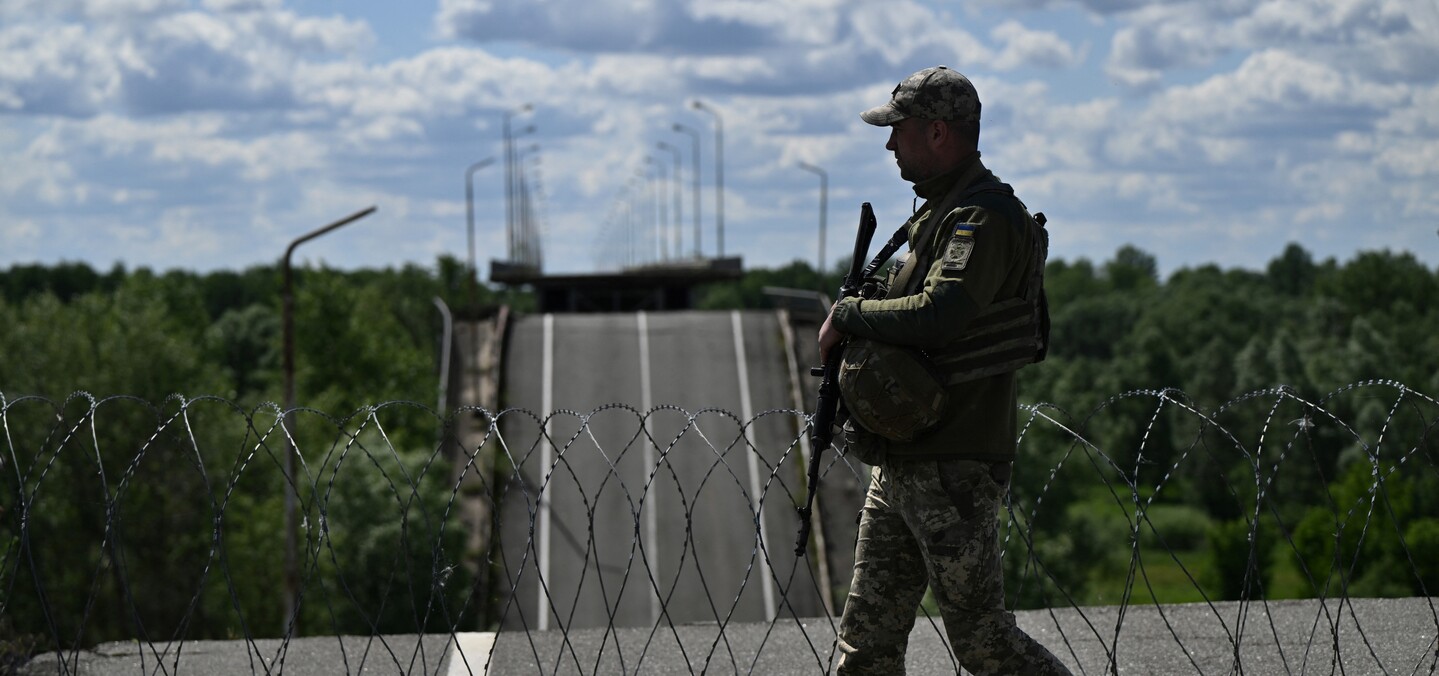
The recent damage inflicted by Ukrainian drones and missiles on Russia has made Belarus aware of its own vulnerabilities—and surprisingly amenable to Kyiv’s demands.

Artyom Shraibman
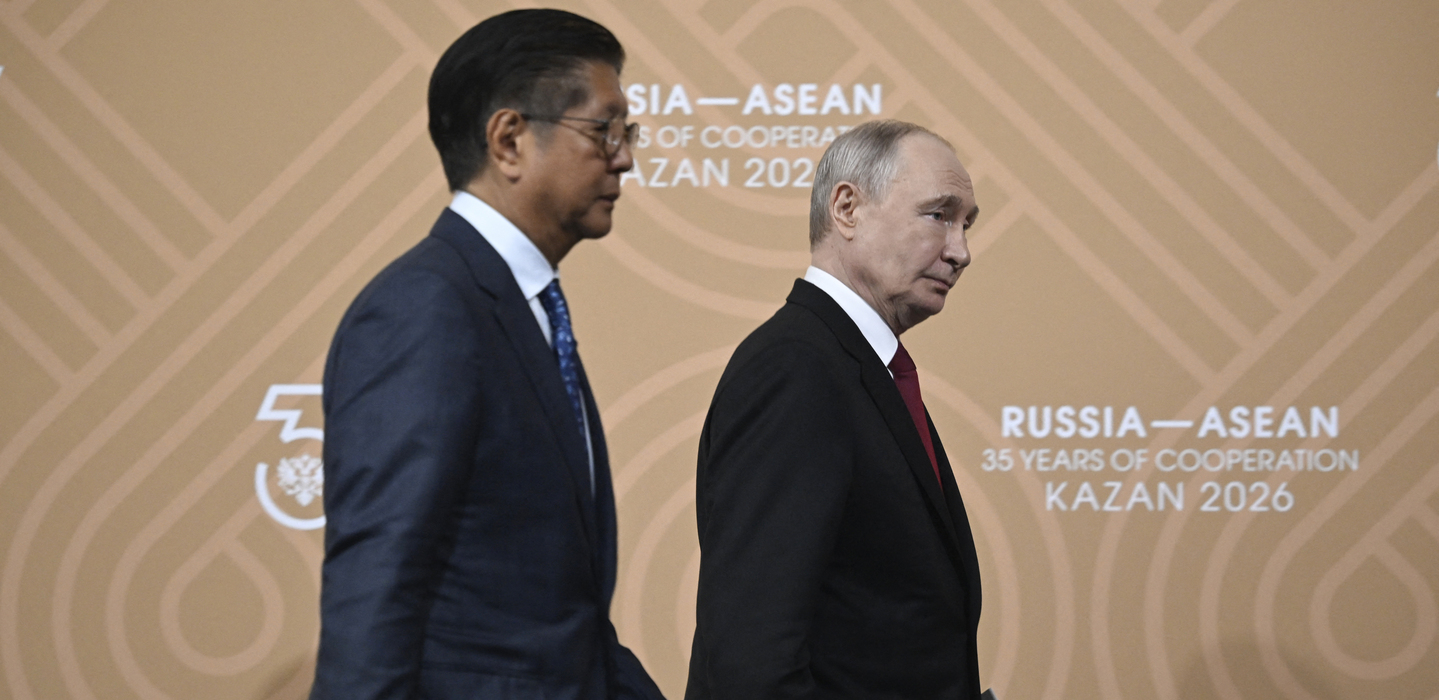
Russia looks set to reap economic benefits from closer ties with Southeast Asian countries that are keen to find reliable energy suppliers and diversify trade ties.

Alexander Gabuev
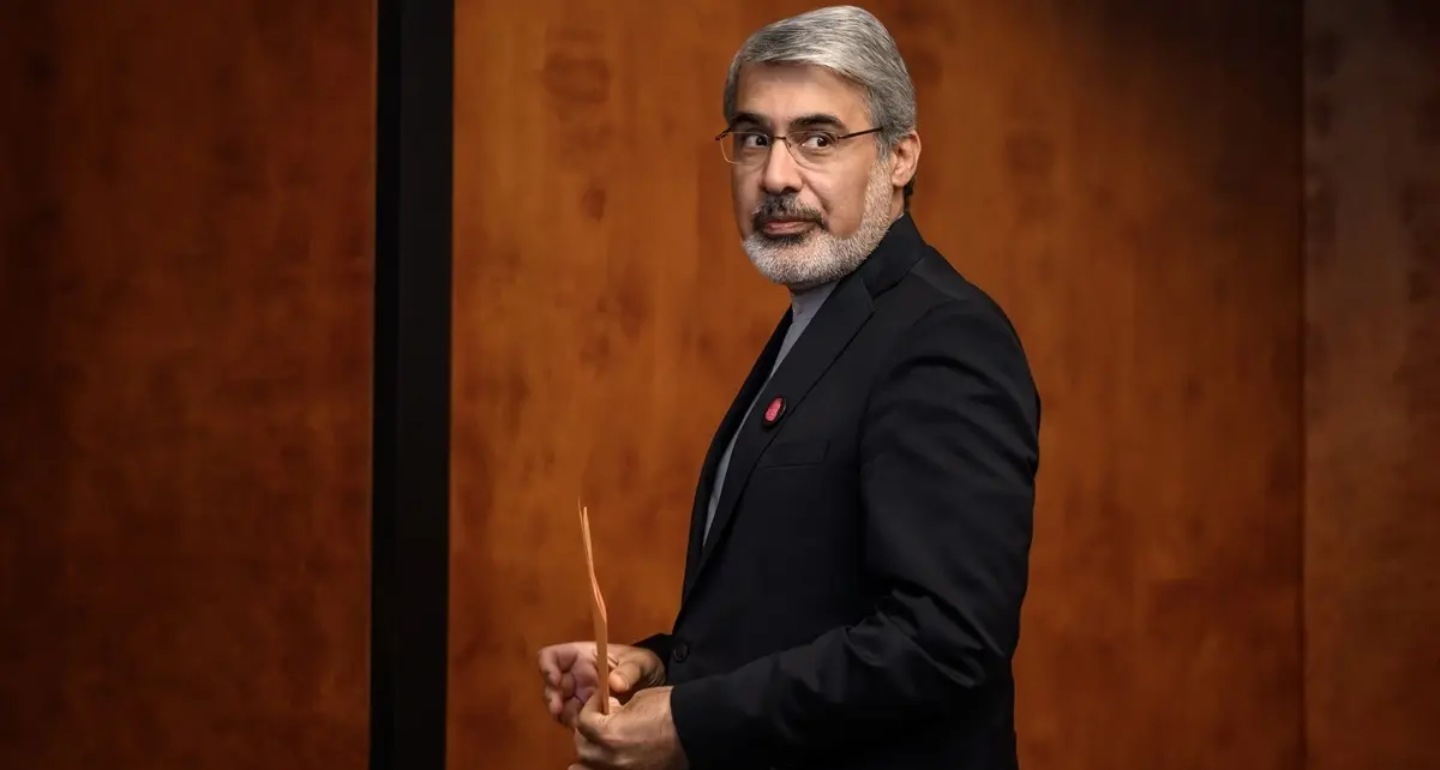
Ongoing uncertainty in the Middle East allows Moscow to both increase its influence in Tehran and continue to enjoy the financial windfall of higher oil prices.

Nikita Smagin