• Research
  • Politika
  • About
Carnegie Russia Eurasia center logoCarnegie lettermark logo
  • Donate
{
  "authors": [
    "Christopher Boucek"
  ],
  "type": "legacyinthemedia",
  "centerAffiliationAll": "dc",
  "centers": [
    "Carnegie Endowment for International Peace"
  ],
  "collections": [],
  "englishNewsletterAll": "menaTransitions",
  "nonEnglishNewsletterAll": "",
  "primaryCenter": "Carnegie Endowment for International Peace",
  "programAffiliation": "MEP",
  "programs": [
    "Middle East"
  ],
  "projects": [],
  "regions": [
    "North America",
    "United States",
    "Yemen"
  ],
  "topics": [
    "Security",
    "Military",
    "Foreign Policy"
  ]
}
Source: Getty

In The Media

The Dilemma of the Yemeni Detainees at Guantanamo Bay

More than one-third of the remaining 255 detainees at the U.S. detention facility in Guantanamo Bay are Yemenis, representing the single largest national contingent.

Link Copied
By Christopher Boucek
Published on Nov 20, 2008

Source: CTC Sentinel

More than one-third of the remaining 255 detainees at the U.S. detention facility in Guantanamo Bay are Yemenis, representing the single largest national contingent. Since the detention facility opened in early 2002, Yemenis have consistently comprised a sizeable percentage of the population. Other countries, most notably Saudi Arabia, have successfully repatriated many of their nationals, but Yemen has been unable to convince the United States to release detainees into its custody. There is even widespread speculation in both the United States and Yemen that the Yemeni government does not actually want the detainees back and is content to let them remain in U.S. custody. The Yemeni government, however, maintains in private its stated, public goal to return the detainees to Yemen, charge those it has evidence against and release the rest. For the United States, this has been insufficient, and it has repeatedly sought assurances from the Yemeni government that it will set standardized restrictions before any individuals are released. Part of this hesitation stems from security concerns about what would happen to the detainees once they are returned to Yemen.

This article originally appeared in CTC Sentinel Combating Terrorism Center, West Point
About the Author

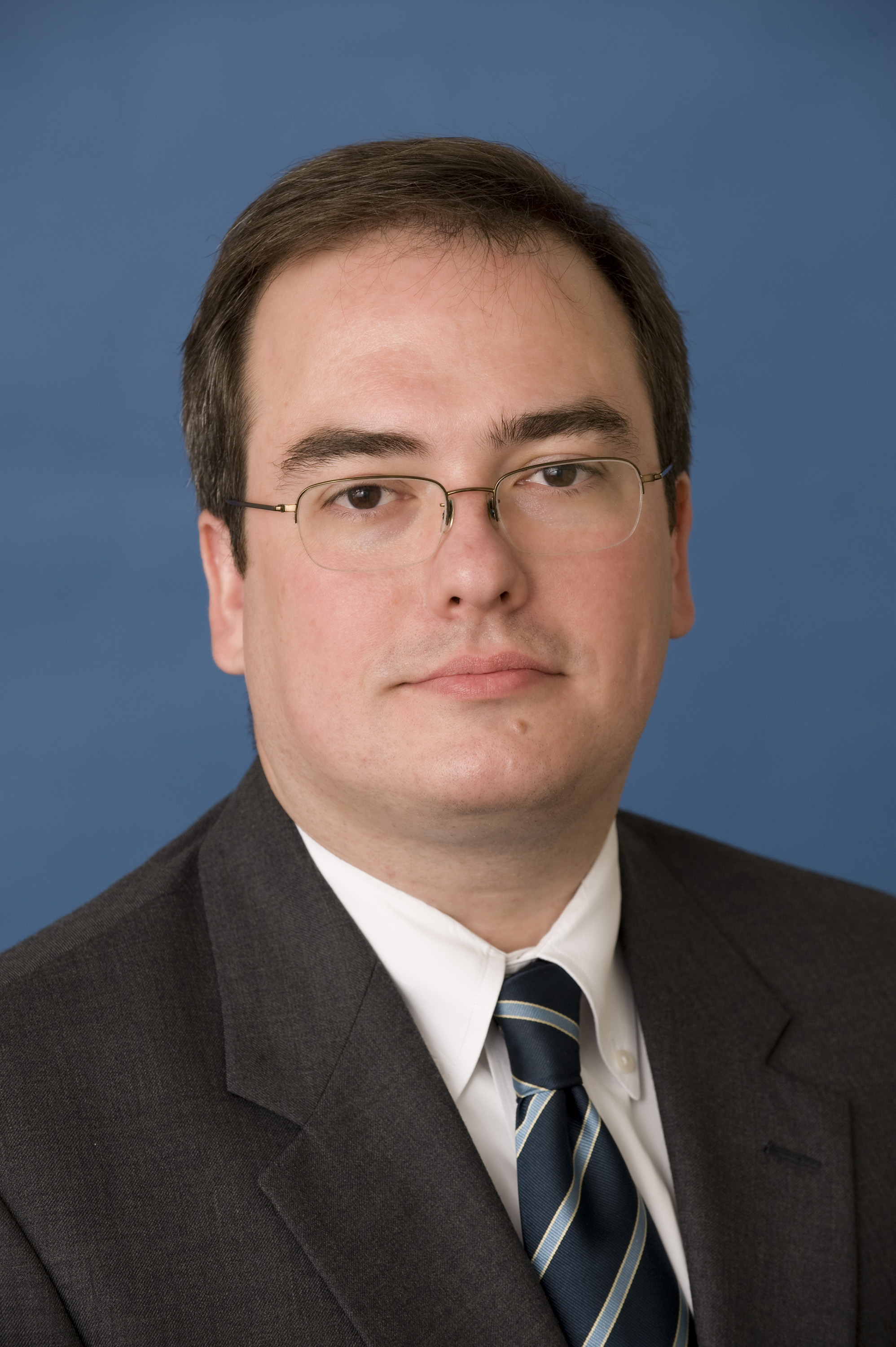
Christopher Boucek

Former Associate, Middle East Program

Boucek was an associate in the Carnegie Middle East Program where his research focused on security challenges in the Arabian Peninsula and Northern Africa.

    Recent Work

  • Q&A
    Yemen After Saleh’s Return and Awlaki’s Exit

      Christopher Boucek

  • Q&A
    Rivals—Iran vs. Saudi Arabia

      Christopher Boucek, Karim Sadjadpour

Christopher Boucek
Former Associate, Middle East Program
Christopher Boucek
SecurityMilitaryForeign PolicyNorth AmericaUnited StatesYemen

Carnegie does not take institutional positions on public policy issues; the views represented herein are those of the author(s) and do not necessarily reflect the views of Carnegie, its staff, or its trustees.

More Work from Carnegie Russia Eurasia Center

  • Commentary
    Carnegie Politika
    Power, Pathways, and Policy: Grounding Central Asia’s Digital Ambitions

    Central Asia’s digital ambitions are achievable, but only if policy is aligned with the region’s physical constraints.

      Aruzhan Meirkhanova

  • Commentary
    Carnegie Politika
    The Afghanistan–Pakistan War Poses Awkward Questions for Russia

    Not only does the fighting jeopardize regional security, it undermines Russian attempts to promote alternatives to the Western-dominated world order.

      Ruslan Suleymanov

  • Commentary
    Carnegie Politika
    Moldova Floats a New Approach to Its Transnistria Conundrum

    Moldova’s reintegration plan was drawn up to demonstrate to Brussels that Chișinău is serious about the Transnistria issue—and to get the West to react.

      Vladimir Solovyov

  • Commentary
    Carnegie Politika
    Lukashenko’s Bromance With Trump Has a Sell-By Date

    Lukashenko is willing to make big sacrifices for an invitation to Mar-a-Lago or the White House. He also knows that the clock is ticking: he must squeeze as much out of the Trump administration as he can before congressional elections in November leave Trump hamstrung or distracted.

      Artyom Shraibman

  • Commentary
    Carnegie Politika
    What the Russian Energy Sector Stands to Gain From War in the Middle East

    The future trajectory of the U.S.-Iran war remains uncertain, but its impact on global energy trade flows and ties will be far-reaching. Moscow is likely to become a key beneficiary of these changes; the crisis in the Gulf also strengthens Russia’s hand in its relationships with China and India, where advantages might prove more durable.

      • Sergey Vakulenko

      Sergey Vakulenko

Get more news and analysis from
Carnegie Russia Eurasia Center
Carnegie Russia Eurasia logo, white
  • Research
  • Politika
  • About
  • Experts
  • Events
  • Contact
  • Privacy
  • For Media
Get more news and analysis from
Carnegie Russia Eurasia Center
© 2026 Carnegie Endowment for International Peace. All rights reserved.









