

Commentary
When faced with fuel shortages in the past, Central Asian governments could always count on additional supplies from Moscow. That safety net no longer exists.
Galiya Ibragimova
{
  "authors": [],
  "type": "pressRelease",
  "centerAffiliationAll": "dc",
  "centers": [
    "Carnegie Endowment for International Peace"
  ],
  "collections": [],
  "englishNewsletterAll": "menaTransitions",
  "nonEnglishNewsletterAll": "",
  "primaryCenter": "Carnegie Endowment for International Peace",
  "programAffiliation": "MEP",
  "programs": [
    "Middle East"
  ],
  "projects": [],
  "regions": [
    "North America",
    "United States",
    "Middle East",
    "Israel",
    "Syria"
  ],
  "topics": [
    "Foreign Policy"
  ]
}
REQUIRED IMAGE
An Israeli–Syrian peace deal is a real possibility and would have a positive effect on the Middle East and U.S. interests there. But the two sides will not reach an agreement without U.S. leadership. The incoming administration should use a balance of pressure, incentives, and robust diplomacy to make the agreement a reality.
BEIRUT, Dec 10—An Israeli–Syrian peace deal is a real possibility and would have a positive effect on the Middle East and U.S. interests there. But the two sides will not reach an agreement without U.S. leadership. The incoming administration should use a balance of pressure, incentives, and robust diplomacy to make the agreement a reality, concludes a new paper by the director of the Carnegie Middle East Center.
Paul Salem argues that President-elect Barack Obama should continue the Bush administration’s policy of pressuring Syria to keep out of Lebanon and Iraq, which has helped push Syria towards a peace agreement. But the new administration must pursue a more balanced approach with strong diplomacy to reach a land-for-peace deal over the occupied Golan Heights.
Key Conclusions:
Salem concludes:
“The issues between Israel and Syria are complex, and the challenge of shifting Syria’s strategic posture is even more demanding. Turkish prime minister Recep Tayyip Erdogan has done an excellent job so far. But it will take a fully empowered U.S. secretary of state or presidential envoy—and, eventually, direct presidential engagement—to achieve a breakthrough on the Syrian–Israeli track.”
###

Carnegie does not take institutional positions on public policy issues; the views represented herein are those of the author(s) and do not necessarily reflect the views of Carnegie, its staff, or its trustees.

When faced with fuel shortages in the past, Central Asian governments could always count on additional supplies from Moscow. That safety net no longer exists.

Galiya Ibragimova

Despite unhappiness on the ground, Moscow is determined to use both carrot and stick to ensure there is record support for United Russia in occupied Ukraine.

Konstantin Skorkin
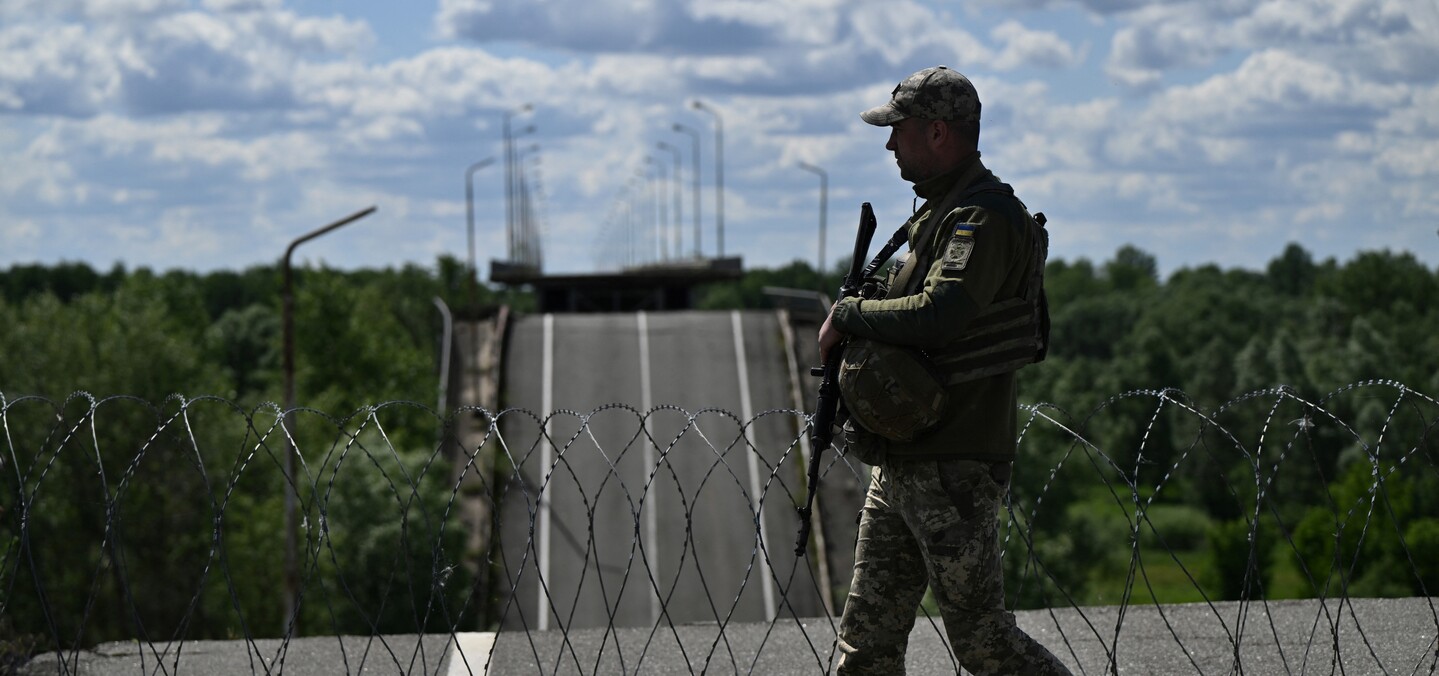
The recent damage inflicted by Ukrainian drones and missiles on Russia has made Belarus aware of its own vulnerabilities—and surprisingly amenable to Kyiv’s demands.

Artyom Shraibman
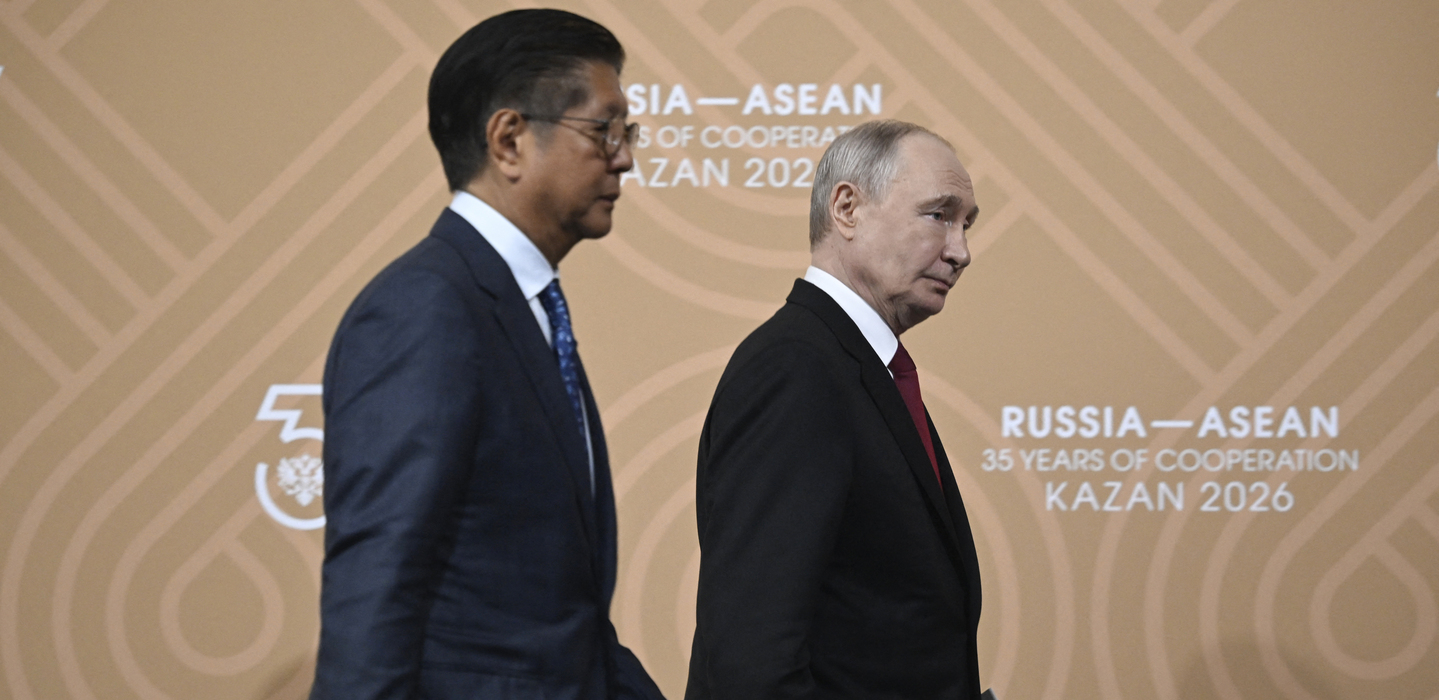
Russia looks set to reap economic benefits from closer ties with Southeast Asian countries that are keen to find reliable energy suppliers and diversify trade ties.

Alexander Gabuev

Ongoing uncertainty in the Middle East allows Moscow to both increase its influence in Tehran and continue to enjoy the financial windfall of higher oil prices.

Nikita Smagin