

Paper
Paul Salem
{
  "authors": [
    "Paul Salem"
  ],
  "type": "other",
  "centerAffiliationAll": "dc",
  "centers": [
    "Carnegie Endowment for International Peace",
    "Malcolm H. Kerr Carnegie Middle East Center"
  ],
  "collections": [],
  "englishNewsletterAll": "menaTransitions",
  "nonEnglishNewsletterAll": "",
  "primaryCenter": "Malcolm H. Kerr Carnegie Middle East Center",
  "programAffiliation": "MEP",
  "programs": [
    "Middle East"
  ],
  "projects": [],
  "regions": [
    "Levant",
    "Syria",
    "Middle East",
    "Israel"
  ],
  "topics": [
    "Political Reform",
    "Foreign Policy"
  ]
}
Source: Getty
An Israeli–Syrian peace deal is a real possibility and would have a positive effect on the Middle East and U.S. interests there. But the two sides will not reach an agreement without U.S. leadership. The incoming administration should use a balance of pressure, incentives, and robust diplomacy to make the agreement a reality.
An Israeli–Syrian peace deal is a real possibility and would have a positive effect on the Middle East and U.S. interests there. But the two sides will not reach an agreement without U.S. leadership. The incoming administration should use a balance of pressure, incentives, and robust diplomacy to make the agreement a reality, concludes a new paper by the director of the Carnegie Middle East Center.
Paul Salem argues that President-elect Barack Obama should continue the Bush administration’s policy of pressuring Syria to keep out of Lebanon and Iraq, which has helped push Syria towards a peace agreement. But the new administration must pursue a more balanced approach with strong diplomacy to reach a land-for-peace deal over the occupied Golan Heights.
Key Conclusions:
Salem concludes:
“The issues between Israel and Syria are complex, and the challenge of shifting Syria’s strategic posture is even more demanding. Turkish prime minister Recep Tayyip Erdogan has done an excellent job so far. But it will take a fully empowered U.S. secretary of state or presidential envoy—and, eventually, direct presidential engagement—to achieve a breakthrough on the Syrian–Israeli track.”
Senior Fellow at the Middle East Institute
Paul Salem is a senior fellow at the Middle East Institute.
Recent Work
Paul Salem
Paul Salem
Carnegie does not take institutional positions on public policy issues; the views represented herein are those of the author(s) and do not necessarily reflect the views of Carnegie, its staff, or its trustees.

In the tenth year of his presidency, President Mirziyoyev’s system is becoming even more personalized than that of his predecessor Karimov.

Galiya Ibragimova

With the growth in points of friction between the great powers, organizations like the SCO will continue to play a role in the strategic adaptation of the smaller powers caught between them.

Temur Umarov
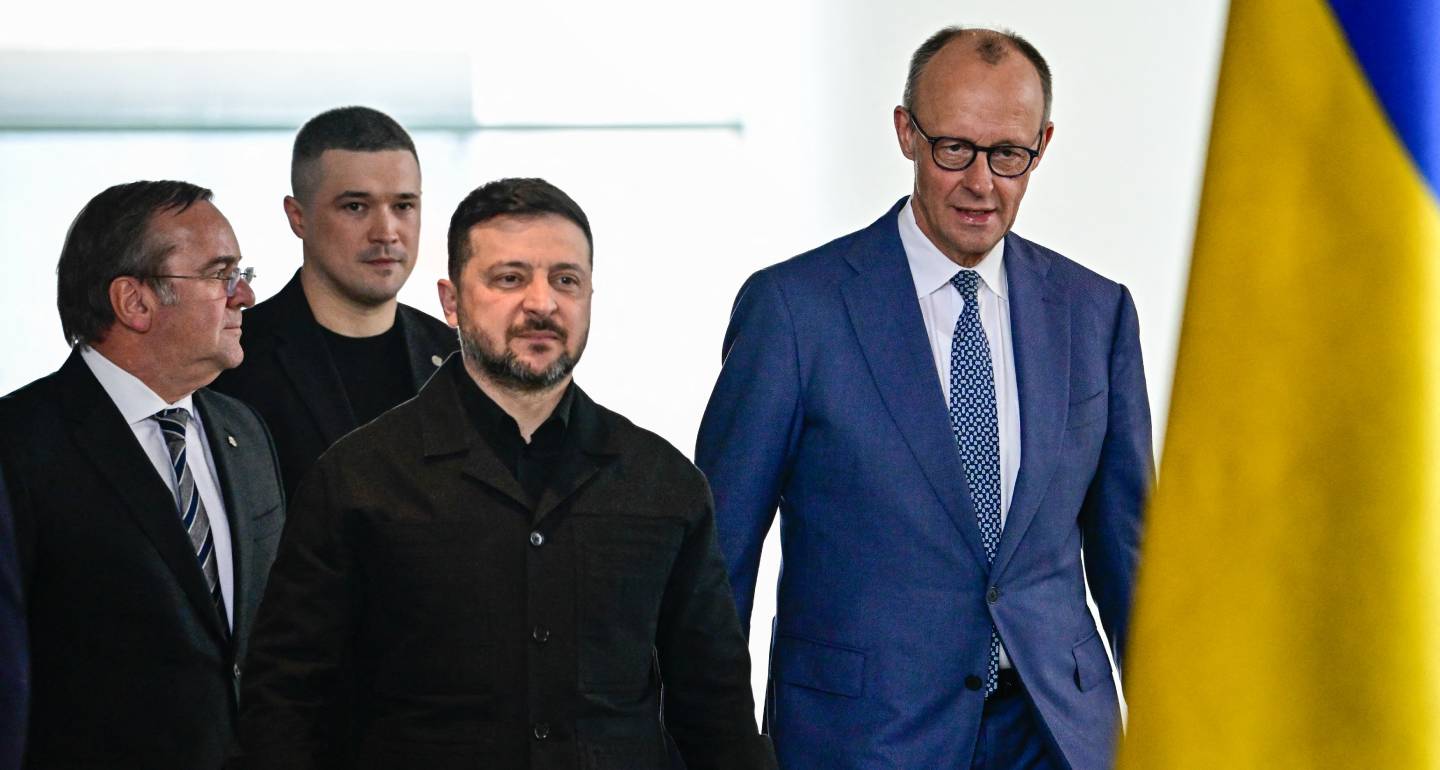
The greater threat to Zelensky comes not from Fedorov alone, but from the convergence between the former defense minister’s political campaign and the anti-corruption investigations moving ever closer to the presidential administration.

Balázs Jarábik
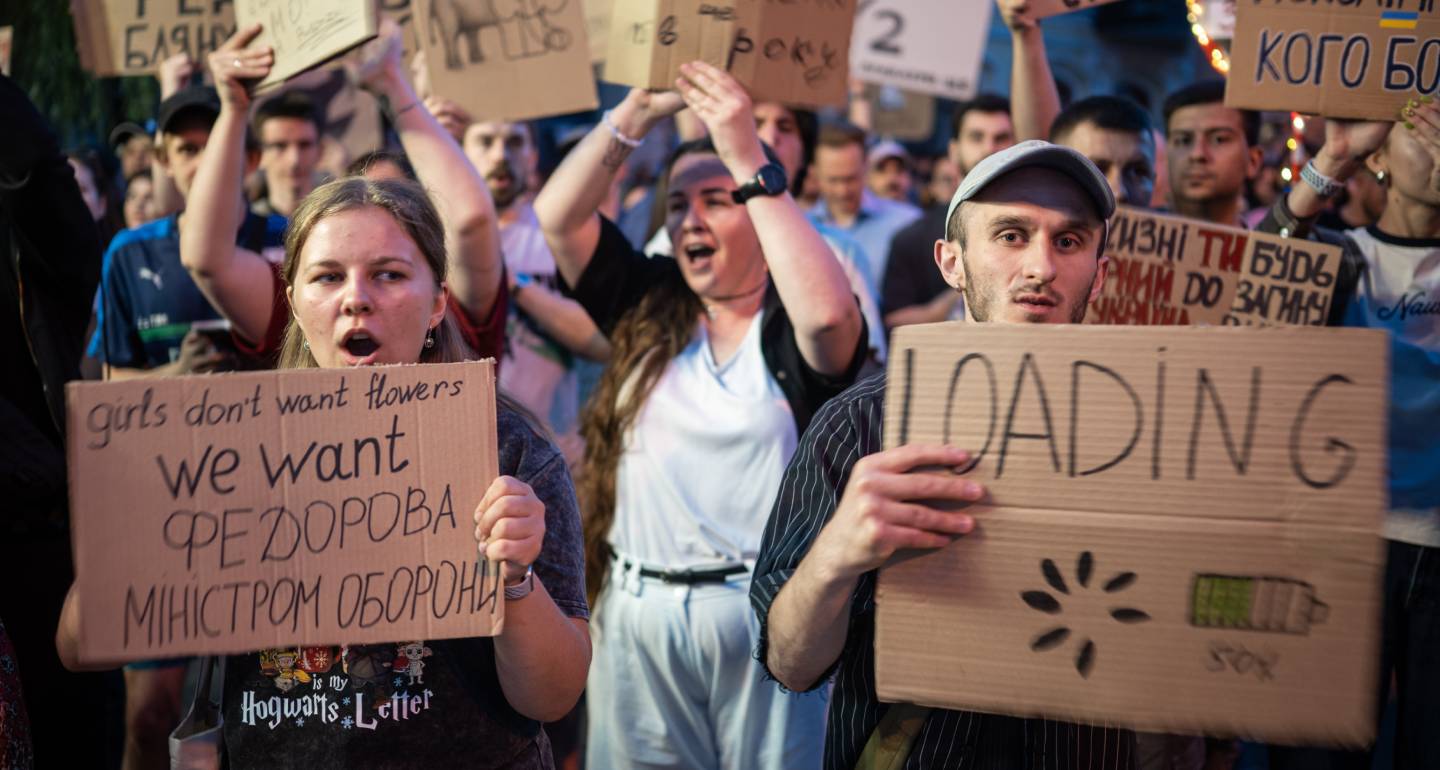
With his public call for new elections in Ukraine, ex-defense minister Mykhailo Fedorov has opened Pandora’s box.

Konstantin Skorkin
In the discussions made possible by the State Duma election campaign, one question is being asked more and more loudly. “What next?”

Andrey Pertsev