

Article
Marina Ottaway, Omar Hossino
{
  "authors": [
    "Marina Ottaway"
  ],
  "type": "legacyinthemedia",
  "centerAffiliationAll": "dc",
  "centers": [
    "Carnegie Endowment for International Peace"
  ],
  "collections": [],
  "englishNewsletterAll": "menaTransitions",
  "nonEnglishNewsletterAll": "",
  "primaryCenter": "Carnegie Endowment for International Peace",
  "programAffiliation": "MEP",
  "programs": [
    "Middle East"
  ],
  "projects": [],
  "regions": [
    "Middle East"
  ],
  "topics": [
    "Foreign Policy"
  ]
}
Source: Getty
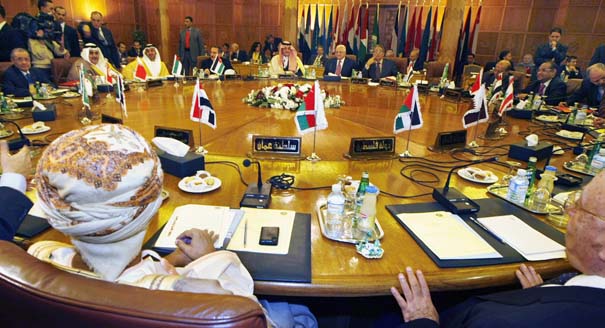
Regimes in the Middle East that have long been friendly to the United States are increasingly reluctant to follow Washington’s lead; they follow the policies they believe best protect their interests.
Source: Harvard International Review

Today the alignment of the Middle East is quite different, but not in the way the United States envisaged after the disappearance of the Soviet Union. The number of Arab governments truly antagonistic to the United States dwindled to almost none once Saddam Hussein was removed from power in early 2003 and Libya’s Muammar Qaddafi renounced the pursuit of nuclear weapons and turned to the West later that year. Even Syria and the Sudan would like to establish better ties to the United States. However, regimes that have long been friendly to the United States are increasingly reluctant to follow Washington’s lead on any issue. They are not enemies of the United States, but they are not faithful allies, either. Rather, they follow the policies they believe best protect their interests, regardless of what the United States wants.
This article originall appeared in the Harvard International Review. Click here to read the full article.
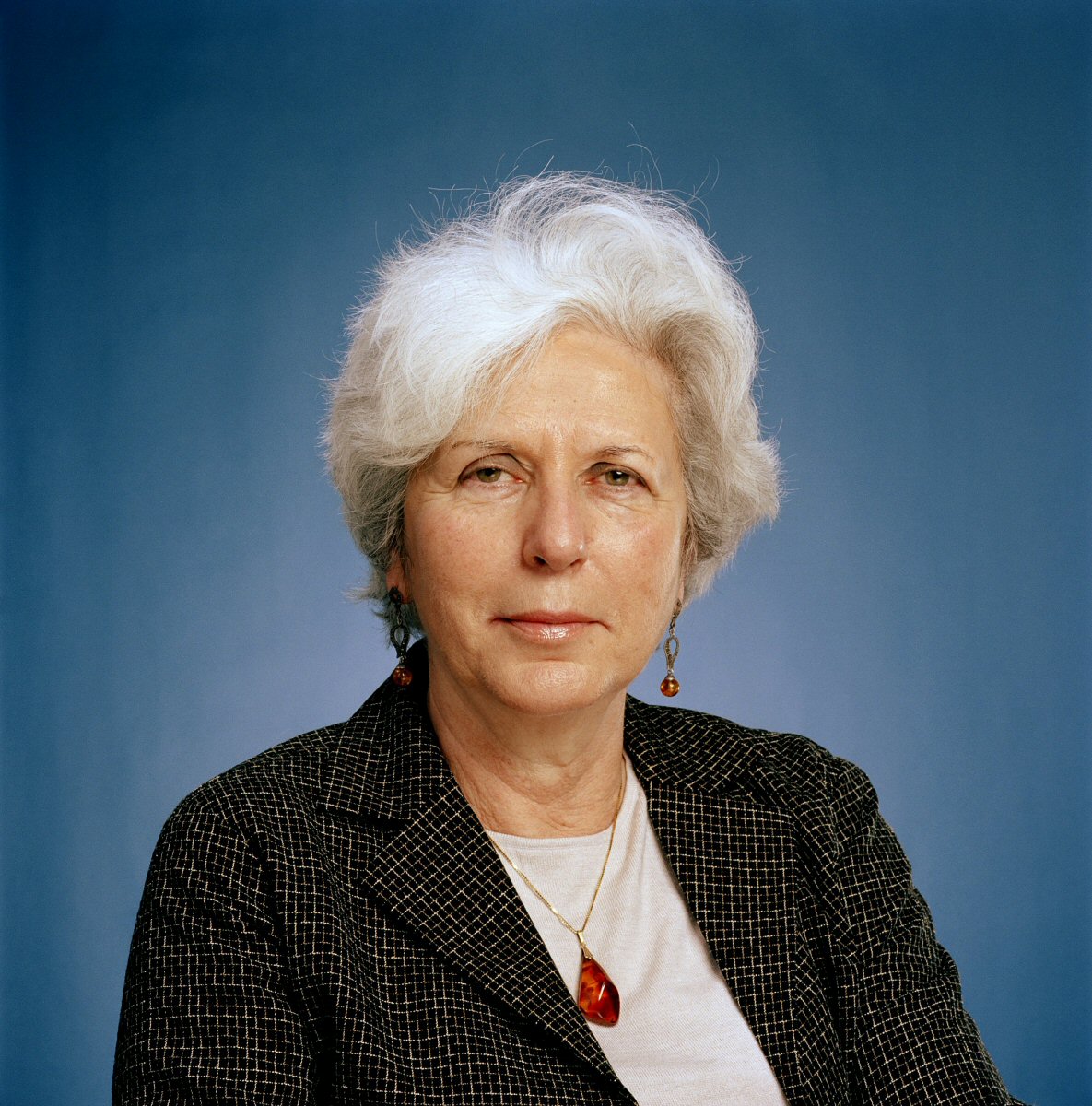
Former Senior Associate, Middle East Program
Before joining the Endowment, Ottaway carried out research in Africa and in the Middle East for many years and taught at the University of Addis Ababa, the University of Zambia, the American University in Cairo, and the University of the Witwatersrand in South Africa.
Recent Work
Marina Ottaway, Omar Hossino
Marina Ottaway
Carnegie does not take institutional positions on public policy issues; the views represented herein are those of the author(s) and do not necessarily reflect the views of Carnegie, its staff, or its trustees.

Despite unhappiness on the ground, Moscow is determined to use both carrot and stick to ensure there is record support for United Russia in occupied Ukraine.

Konstantin Skorkin
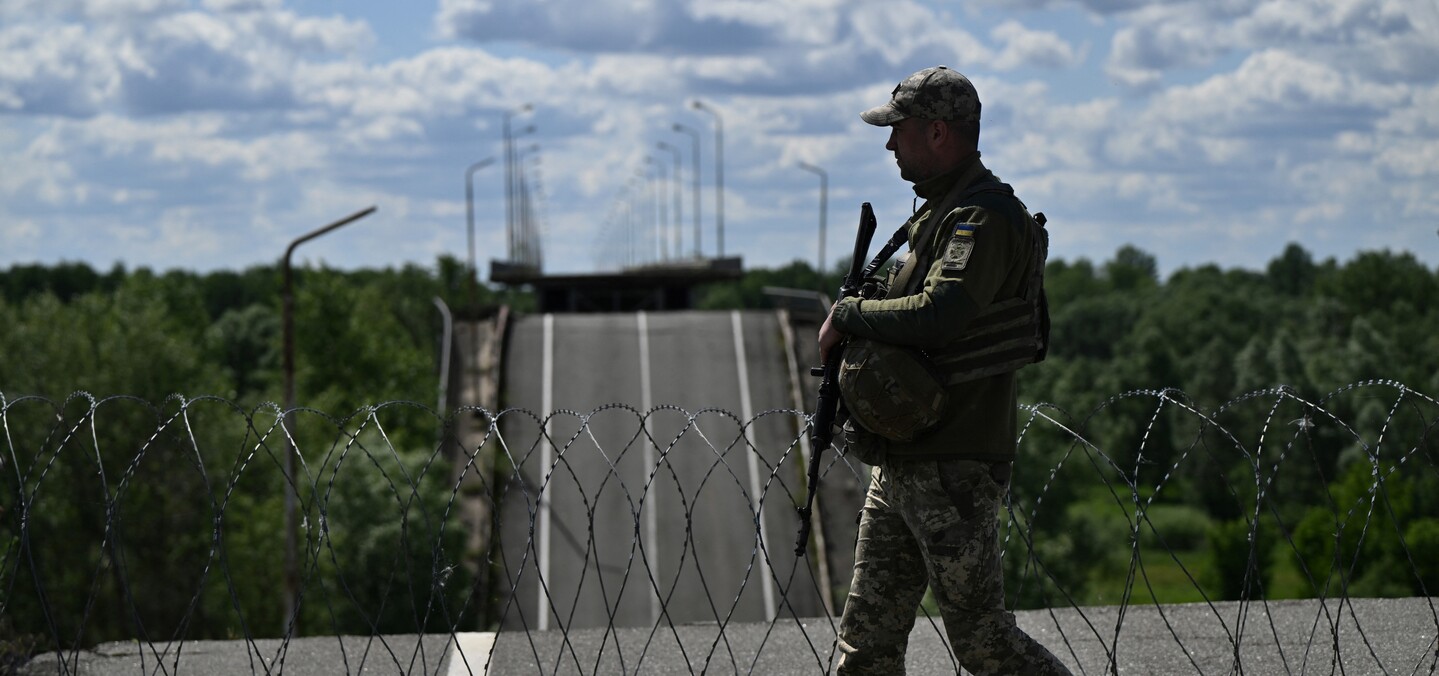
The recent damage inflicted by Ukrainian drones and missiles on Russia has made Belarus aware of its own vulnerabilities—and surprisingly amenable to Kyiv’s demands.

Artyom Shraibman
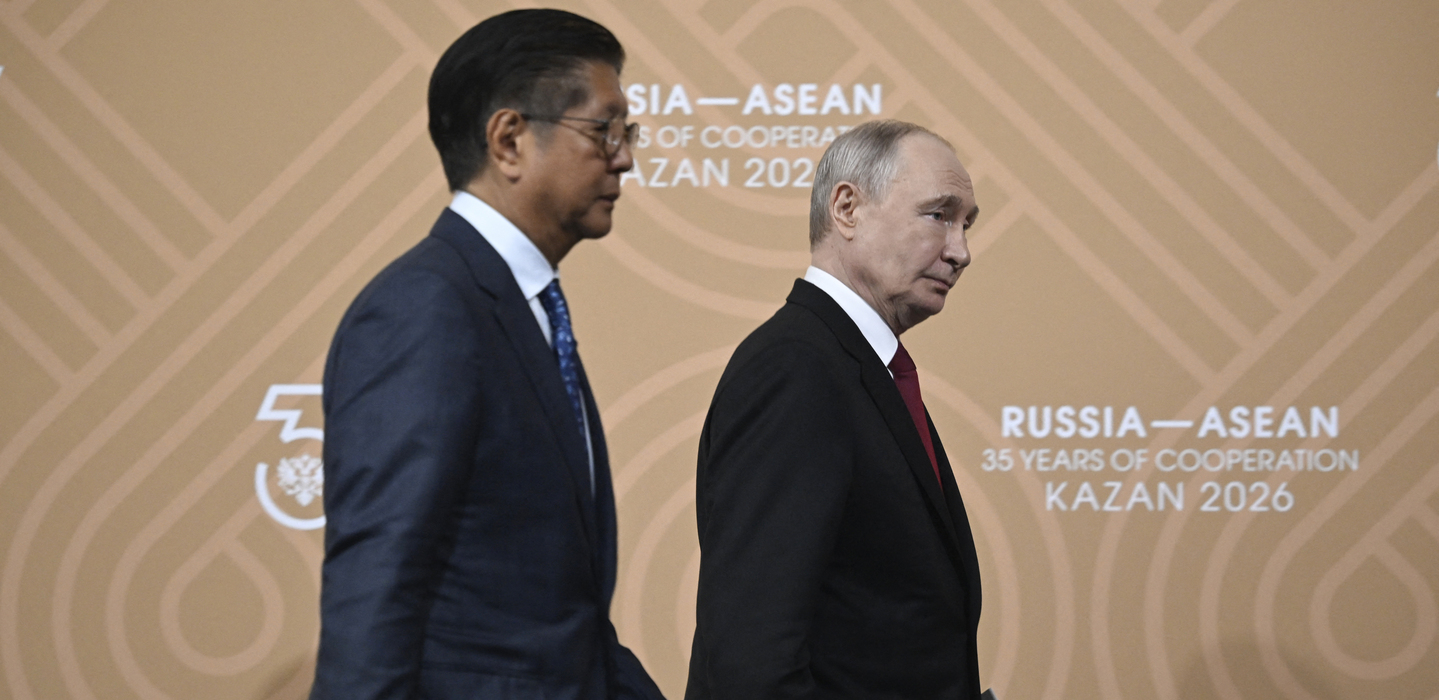
Russia looks set to reap economic benefits from closer ties with Southeast Asian countries that are keen to find reliable energy suppliers and diversify trade ties.

Alexander Gabuev

Ongoing uncertainty in the Middle East allows Moscow to both increase its influence in Tehran and continue to enjoy the financial windfall of higher oil prices.

Nikita Smagin
This year’s wars have made alternative routes to transit through Russia no less risky for Central Asian countries.

Galiya Ibragimova