

Commentary
This year’s wars have made alternative routes to transit through Russia no less risky for Central Asian countries.
Galiya Ibragimova
{
  "authors": [],
  "type": "pressRelease",
  "centerAffiliationAll": "dc",
  "centers": [
    "Carnegie Endowment for International Peace"
  ],
  "collections": [],
  "englishNewsletterAll": "menaTransitions",
  "nonEnglishNewsletterAll": "",
  "primaryCenter": "Carnegie Endowment for International Peace",
  "programAffiliation": "MEP",
  "programs": [
    "Middle East"
  ],
  "projects": [],
  "regions": [
    "Middle East",
    "Israel",
    "Palestine"
  ],
  "topics": []
}
REQUIRED IMAGE
Negotiations over a two-state solution to resolve the Israeli–Palestinian conflict have reached a dead end. International efforts should focus on a short-term cease-fire between Israel and Hamas that can pave the way for a sustainable armistice.
WASHINGTON, Feb 26—Negotiations over a two-state solution to resolve the Israeli–Palestinian conflict have reached a dead end. International efforts should focus on a short-term cease-fire between Israel and Hamas that can pave the way for a sustainable armistice, concludes a new policy brief by Nathan J. Brown.
The bitter realities on the ground make an immediate and comprehensive solution to the Israeli–Palestinian conflict unattainable for now. A new diplomatic approach should be based on three steps: first, a properly negotiated cease-fire; second, a medium-term armistice; and finally, addressing the underlying causes of the conflict during the respite.
Key Conclusions:
Brown concludes:
“Acknowledging and working with existing realities must not, however, mean accepting them as permanent. The existing situation is not only short on security and justice; it is also unstable. Things can—and might well—get worse unless the United States and other outside actors couple a realistic view of the present with a serious effort to push for a more promising future. But for the present, they should stop banging their heads against the obstacles to an immediate and comprehensive solution of the Israeli–Palestinian conflict. Instead, it is time for Plan B.”
###
NOTES
Carnegie does not take institutional positions on public policy issues; the views represented herein are those of the author(s) and do not necessarily reflect the views of Carnegie, its staff, or its trustees.
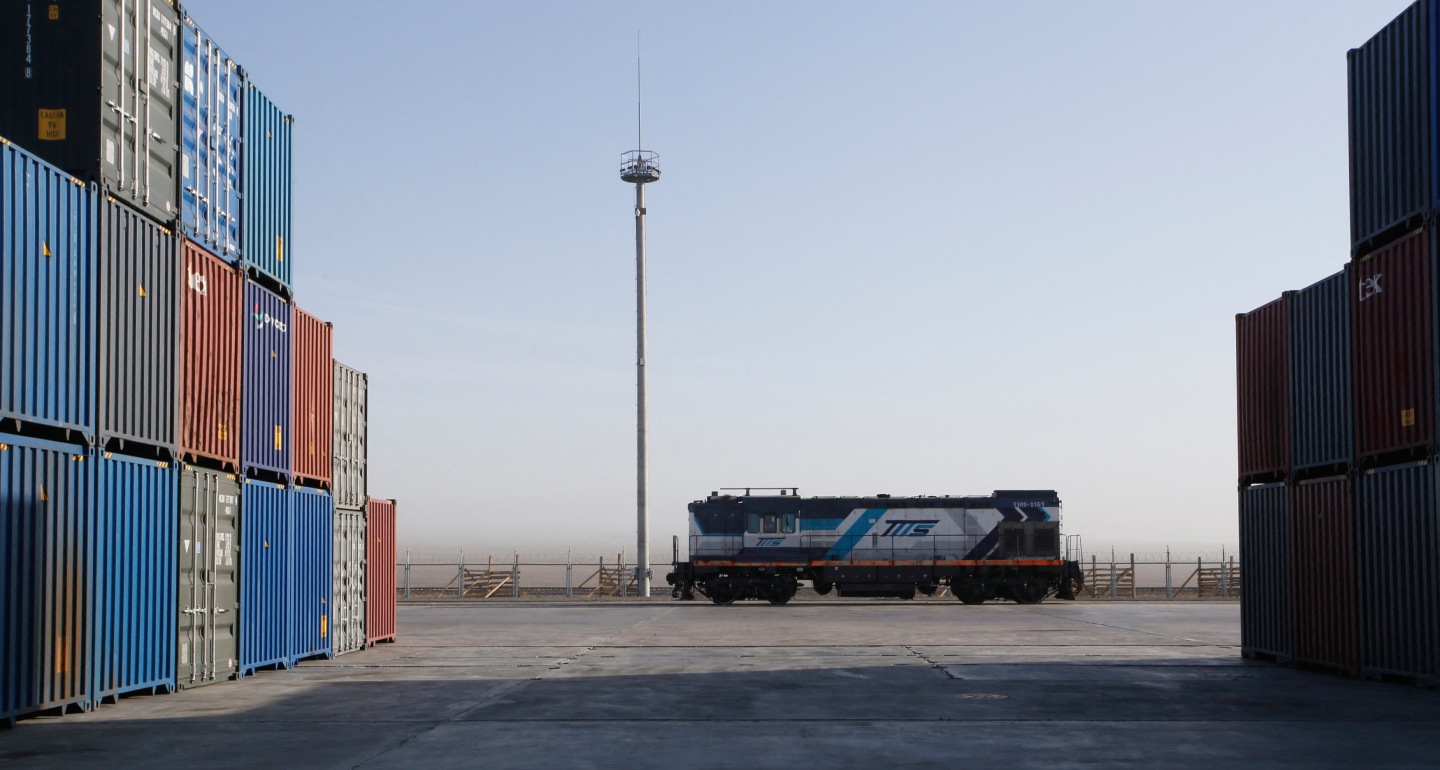
This year’s wars have made alternative routes to transit through Russia no less risky for Central Asian countries.

Galiya Ibragimova
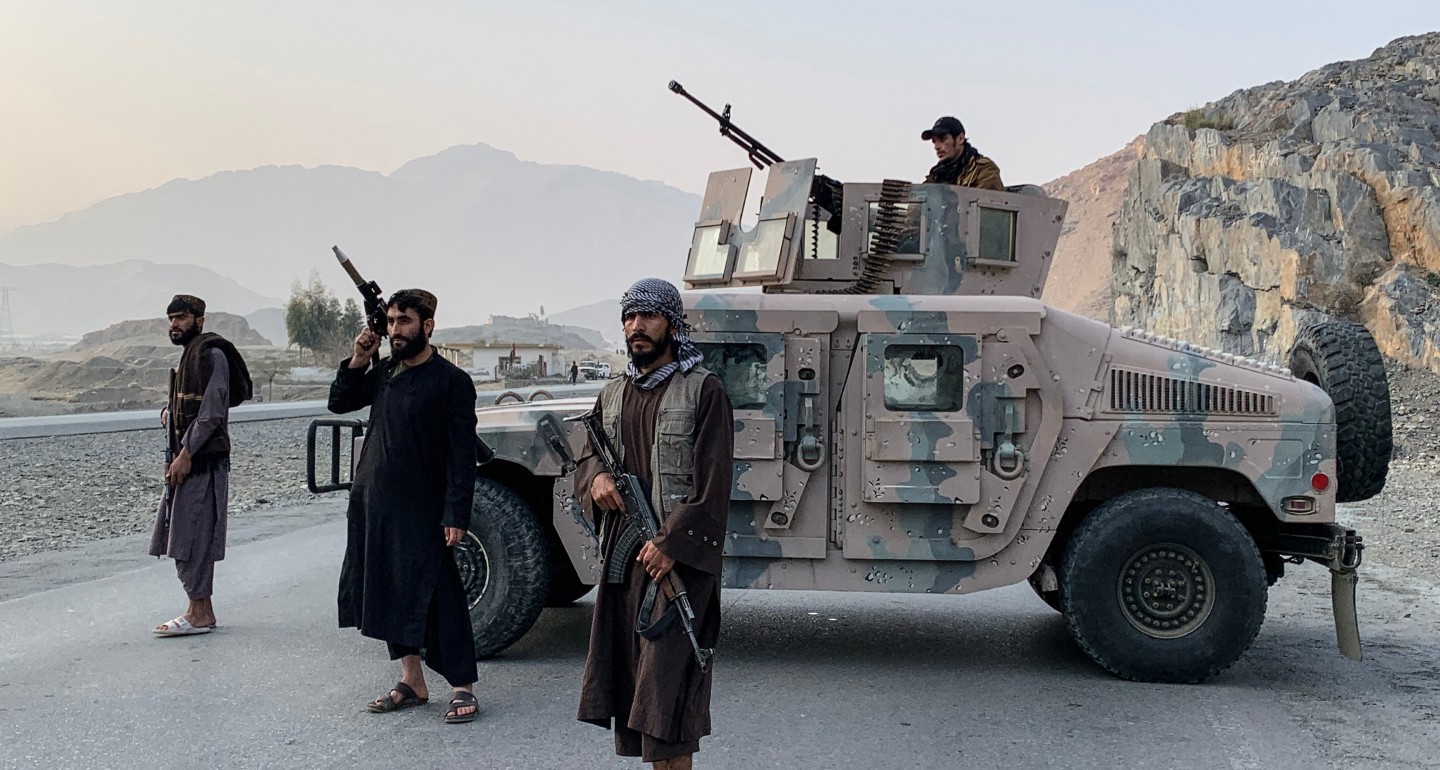
Not only does the fighting jeopardize regional security, it undermines Russian attempts to promote alternatives to the Western-dominated world order.

Ruslan Suleymanov
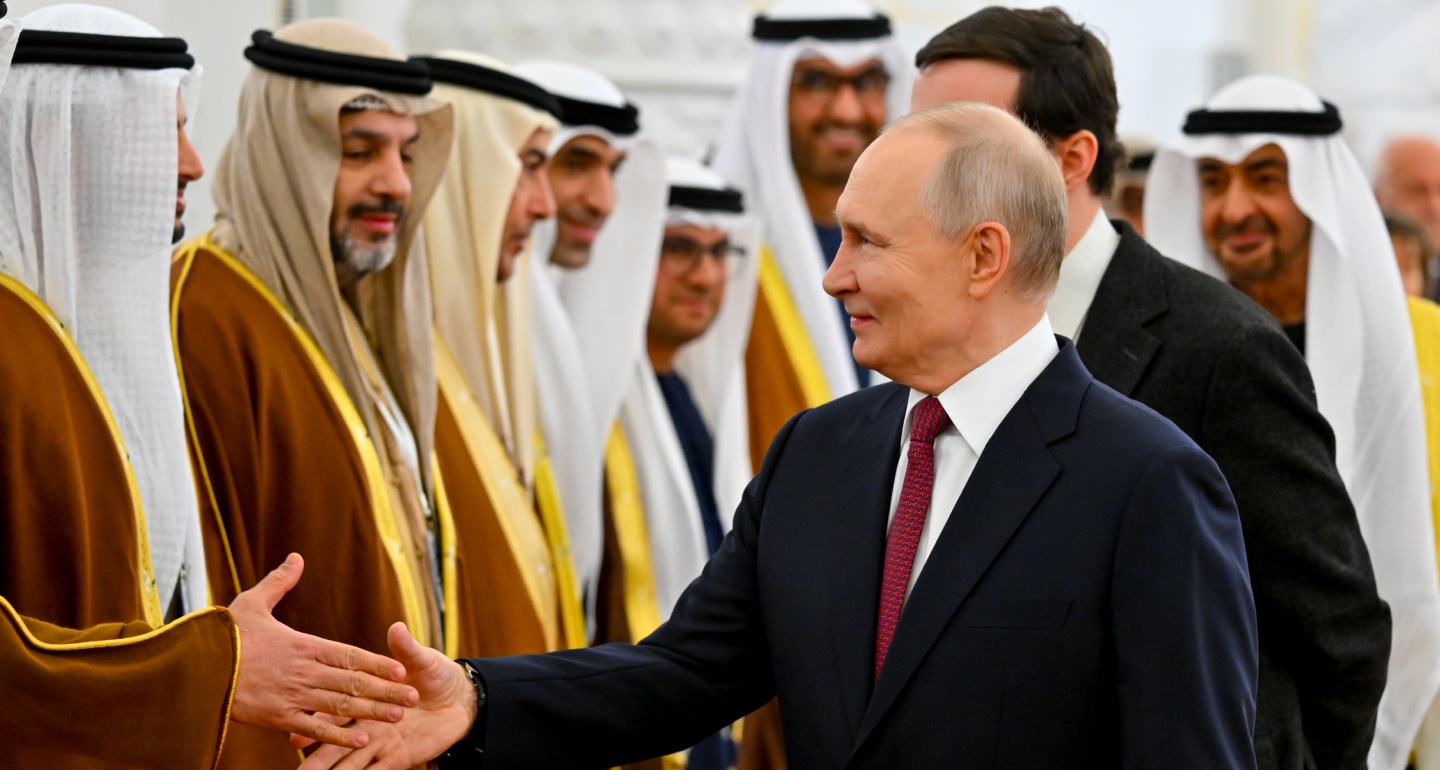
Disillusioned with the West over Gaza, Arab countries are not only trading more with Russia; they are also more willing to criticize Kyiv.
Ruslan Suleymanov

Baku may allow radical nationalists to publicly discuss “reunification” with Azeri Iranians, but the president and key officials prefer not to comment publicly on the protests in Iran.

Bashir Kitachaev
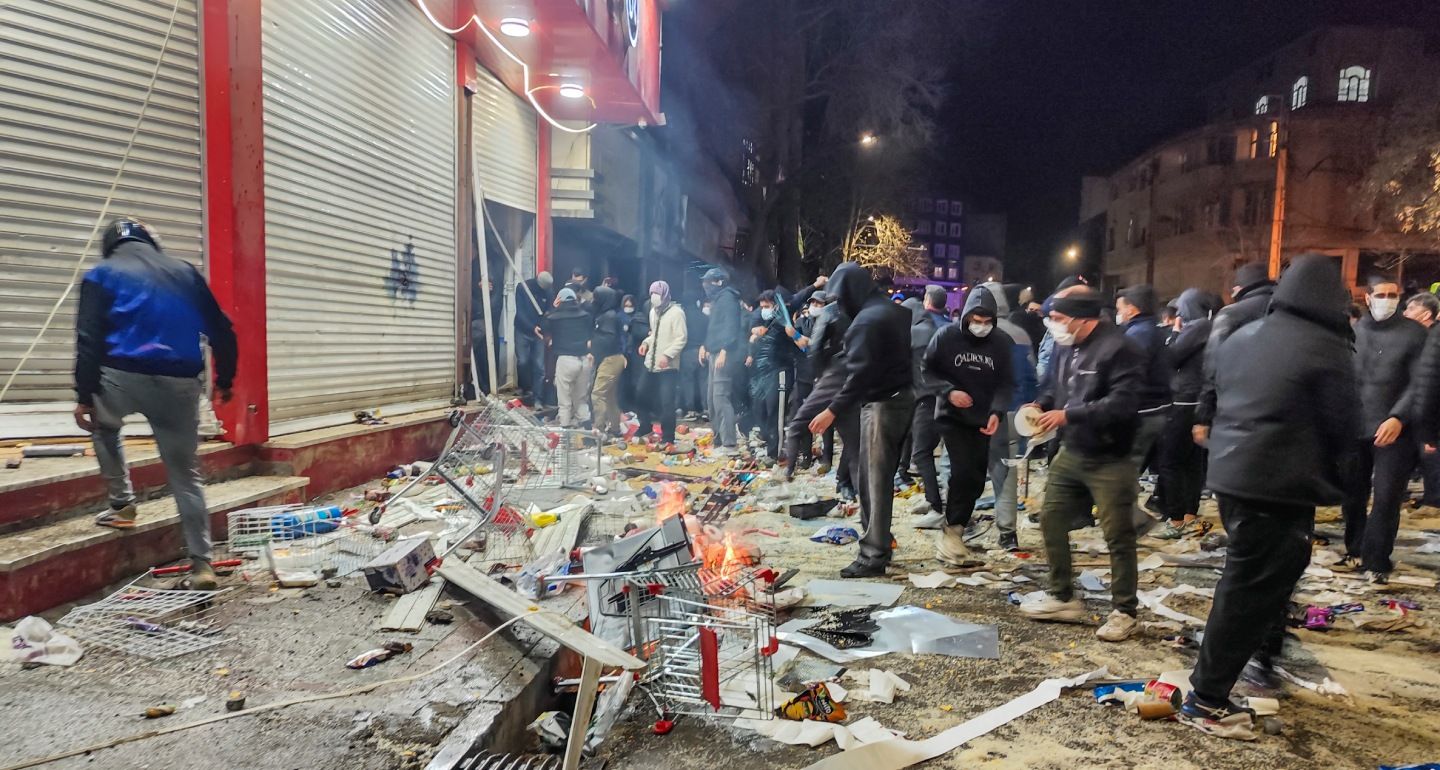
It’s one thing to export Russian helicopters to Iran to fight the insurgency, and it’s easy to imagine Moscow becoming a haven for fleeing Iranian leaders. But it’s very difficult to imagine Russian troops defending the Iranian regime on the ground.

Nikita Smagin