

Q&A
Deepti Choubey
{
  "authors": [
    "Deepti Choubey"
  ],
  "type": "legacyinthemedia",
  "centerAffiliationAll": "dc",
  "centers": [
    "Carnegie Endowment for International Peace"
  ],
  "collections": [
    "U.S. Nuclear Policy"
  ],
  "englishNewsletterAll": "ctw",
  "nonEnglishNewsletterAll": "",
  "primaryCenter": "Carnegie Endowment for International Peace",
  "programAffiliation": "NPP",
  "programs": [
    "Nuclear Policy"
  ],
  "projects": [],
  "regions": [
    "North America",
    "United States"
  ],
  "topics": [
    "Nuclear Policy"
  ]
}
Source: Getty
The Obama administration's push for securing ratification of the CTBT is a welcome change in US policy, but will not guarantee the CTBT's entry into force. Both nuclear and non-nuclear-weapon states as well as civil society must contribute to efforts to seek US ratification of the CTBT and pressure hold-out states to do the same.
Source: CTBTO Spectrum

CTBT proponents are encouraged by the Obama administration's declaration that it will seek ratification and then mount a full diplomatic effort to get hold-out States to do the same. This change in U.S. policy is welcome, but to assume that action by the Obama administration alone will guarantee the CTBT’s entry into force is a mistake. Both nuclear and non-nuclear weapon States as well as civil society must act now if Obama’s leadership is not to go to waste. Their efforts can increase the prospects of U.S. ratification and pressure CTBT laggards.
Read the full article in the CTBTO Spectrum.

Former Deputy Director, Nuclear Policy Program
Choubey was previously the director of the Peace and Security Initiative for the Ploughshares Fund. She also worked for Ambassador Nancy Soderberg in the New York office of the International Crisis Group.
Recent Work
Deepti Choubey
Deepti Choubey
Carnegie does not take institutional positions on public policy issues; the views represented herein are those of the author(s) and do not necessarily reflect the views of Carnegie, its staff, or its trustees.

Trump has promised Belarus a massive potash deal. But Minsk is seeking something greater: restored Western transit and greater room for maneuver from Russia.

Balázs Jarábik

Minsk clearly expected the dialogue with Washington to yield more results, in particular the lifting of EU sanctions and permission to export potash.

Artyom Shraibman

Ongoing uncertainty in the Middle East allows Moscow to both increase its influence in Tehran and continue to enjoy the financial windfall of higher oil prices.

Nikita Smagin

Governments in Estonia, Latvia, and Lithuania want to ensure that a U.S. military withdrawal would not leave them dangerously exposed to a Russian attack.

Sergejs Potapkins
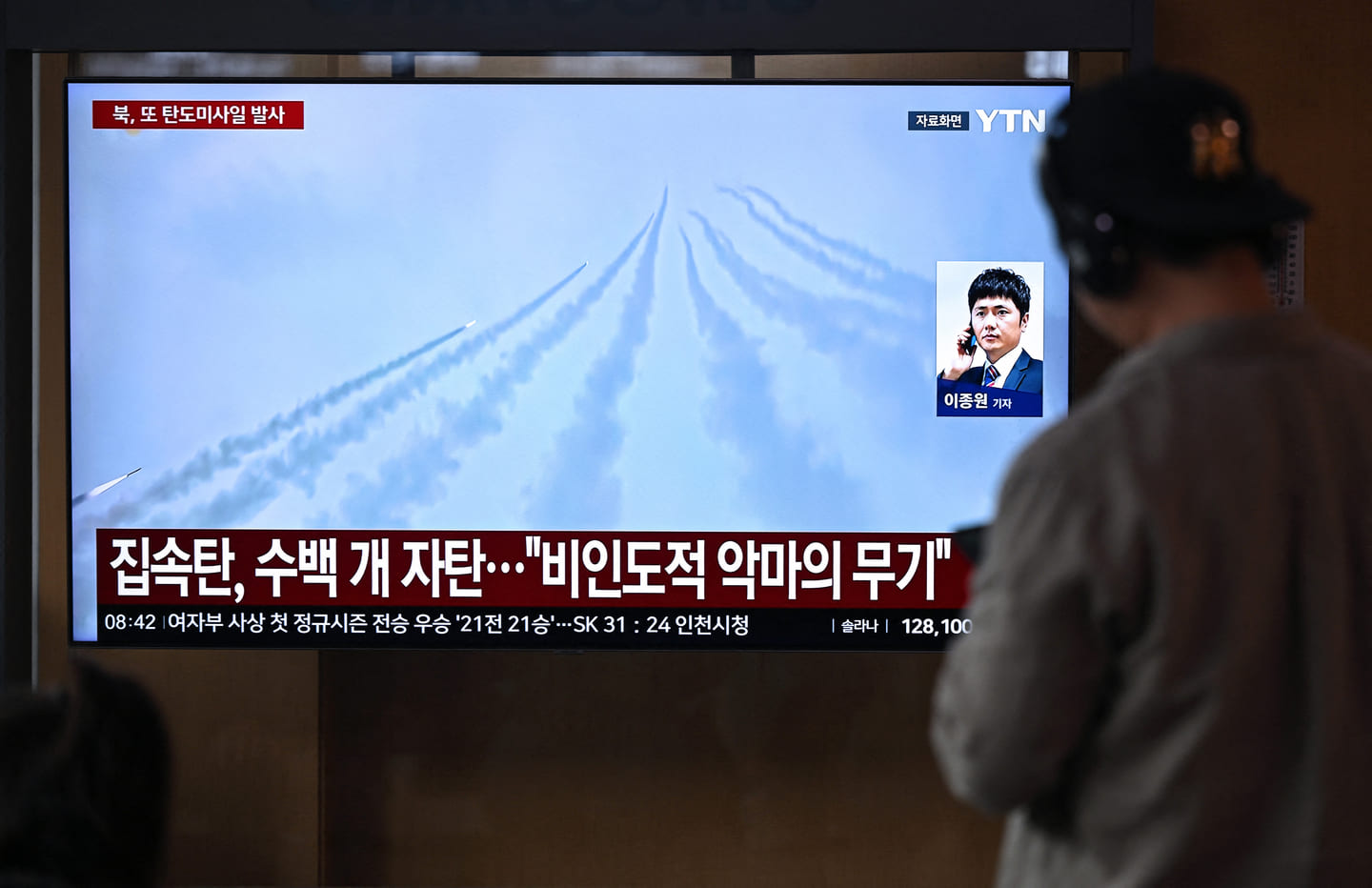
Troubled by the growing salience of nuclear debates in East Asia, Moscow has responded in its usual way: with condemnation and threats. But by exacerbating insecurity, Russia is forcing South Korea and Japan to consider radical security options.

James D.J. Brown