

Commentary
Most of Moscow’s military resources are tied up in Ukraine, while Beijing’s foreign policy prioritizes economic ties and avoids direct conflict.
Alexander Gabuev, Temur Umarov
{
  "authors": [],
  "type": "pressRelease",
  "centerAffiliationAll": "dc",
  "centers": [
    "Carnegie Endowment for International Peace"
  ],
  "collections": [],
  "englishNewsletterAll": "asia",
  "nonEnglishNewsletterAll": "",
  "primaryCenter": "Carnegie Endowment for International Peace",
  "programAffiliation": "AP",
  "programs": [
    "Asia"
  ],
  "projects": [],
  "regions": [
    "North America",
    "United States",
    "East Asia",
    "China",
    "Western Europe"
  ],
  "topics": [
    "Economy",
    "Trade"
  ]
}
REQUIRED IMAGE
By failing to recognize the global implications of domestic recovery efforts, U.S. policy makers are risking increased trade friction and a longer downturn. The United States should coordinate better with China and the EU to keep trade open while the global economy adjusts to significantly reduced U.S. demand.
BEIJING, May 5—By failing to recognize the global implications of domestic recovery efforts, U.S. policy makers are risking increased trade friction and a longer downturn. The United States should coordinate better with China and the EU to keep trade open while the global economy adjusts to significantly reduced U.S. demand, explains a new policy brief from Michael Pettis.
The April G20 meeting sidestepped the key issues dividing the United States, China, and the EU, who disagree fundamentally on the root causes of the crisis. Until the major powers reach consensus about the roots of the imbalance and coordinate policy to promote recovery, the world economy is likely to get worse before it gets better.
Key points for U.S. policy makers:
Key points for Chinese policy makers:
Pettis concludes:
“With such fundamental disagreement among China, Europe, and the United States on the causes of the crisis, and with conflicting domestic policy needs, it is not surprising that the outcome of the G20 meeting was little more than a repeat of the 1933 London Conference. It is hard to see how the major powers can agree on anything substantial, what with the United States looking to craft an agreement on coordinated fiscal expansion but focusing so intently on domestic issues that it ignores the global context; with Europe reluctant to spend and far more concerned about re-regulating the global financial framework; and with China struggling to adapt its development model to a new world in which economic growth is no longer driven by out-of-control U.S. consumption.”
###
NOTES
Carnegie does not take institutional positions on public policy issues; the views represented herein are those of the author(s) and do not necessarily reflect the views of Carnegie, its staff, or its trustees.
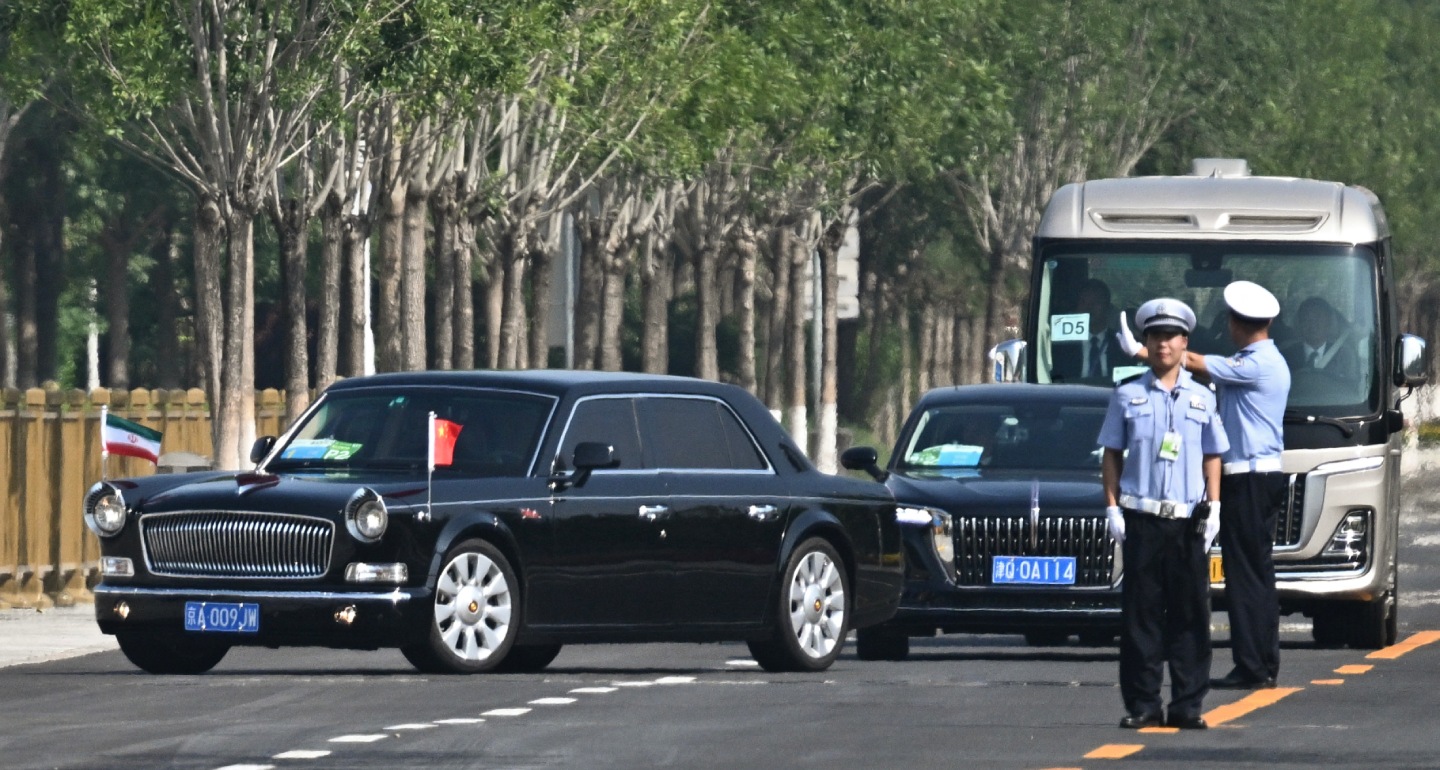
Most of Moscow’s military resources are tied up in Ukraine, while Beijing’s foreign policy prioritizes economic ties and avoids direct conflict.


Alexander Gabuev, Temur Umarov
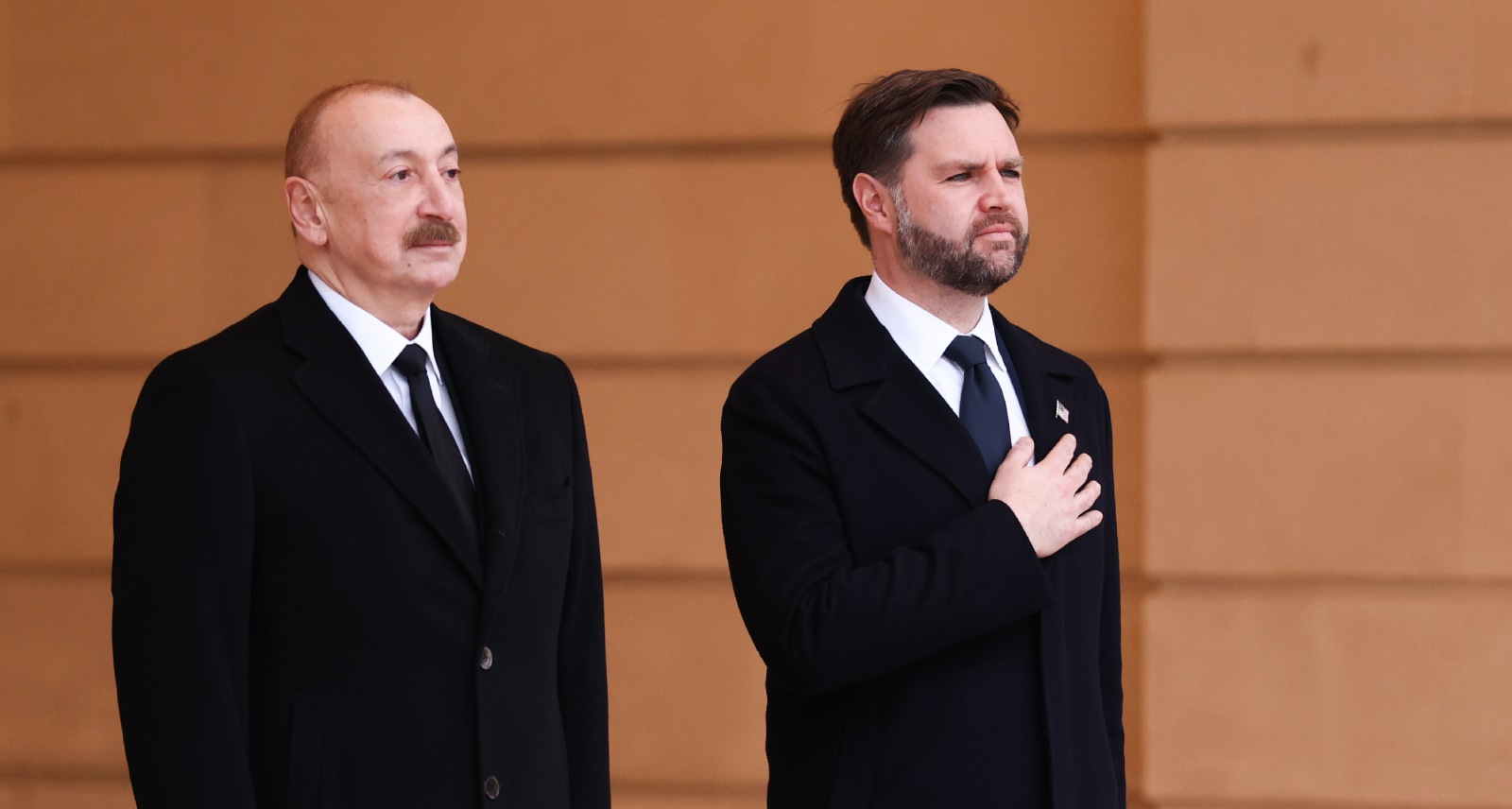
With the White House only interested in economic dealmaking, Georgia finds itself eclipsed by what Armenia and Azerbaijan can offer.

Bashir Kitachaev
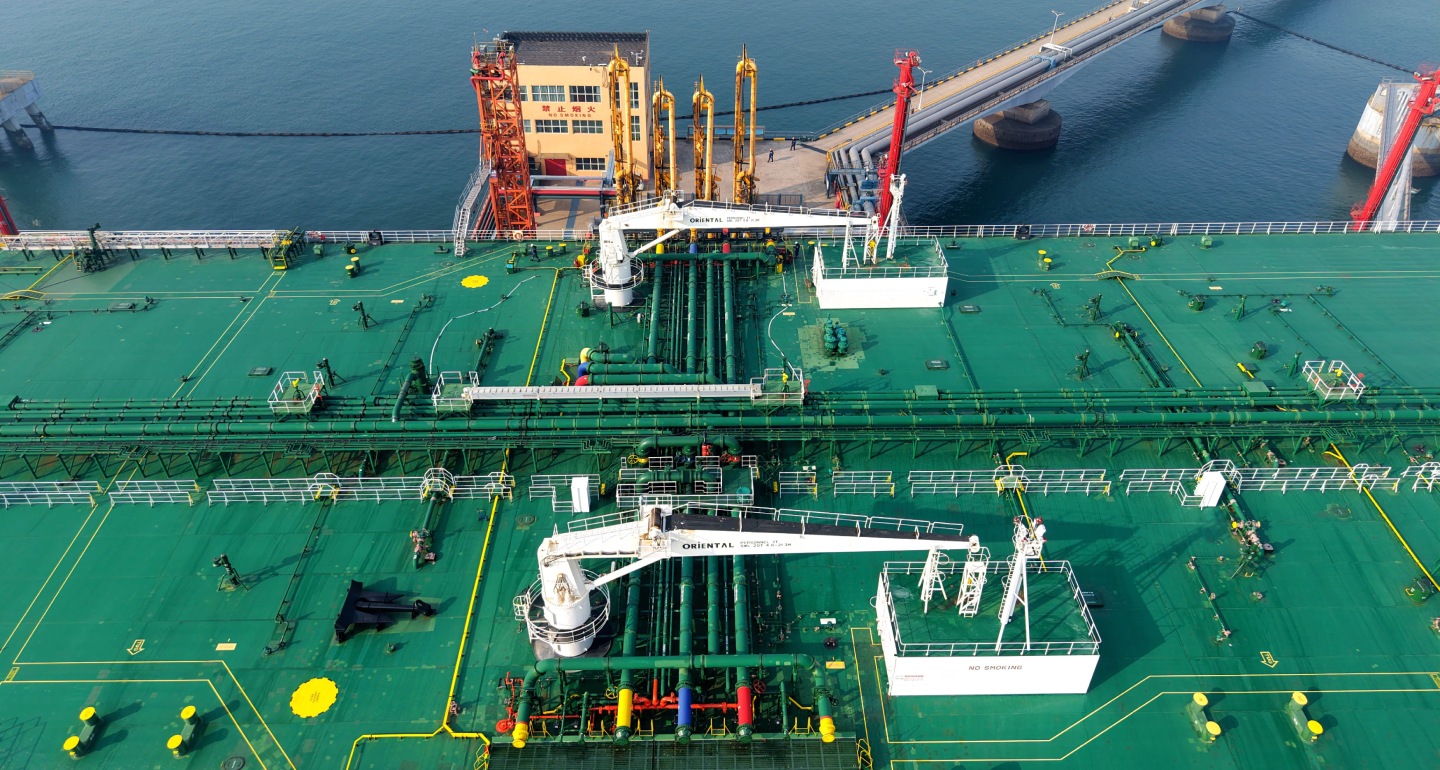
The interventions in Iran and Venezuela are in keeping with Trump’s strategy of containing China, but also strengthen Russia’s position.

Mikhail Korostikov
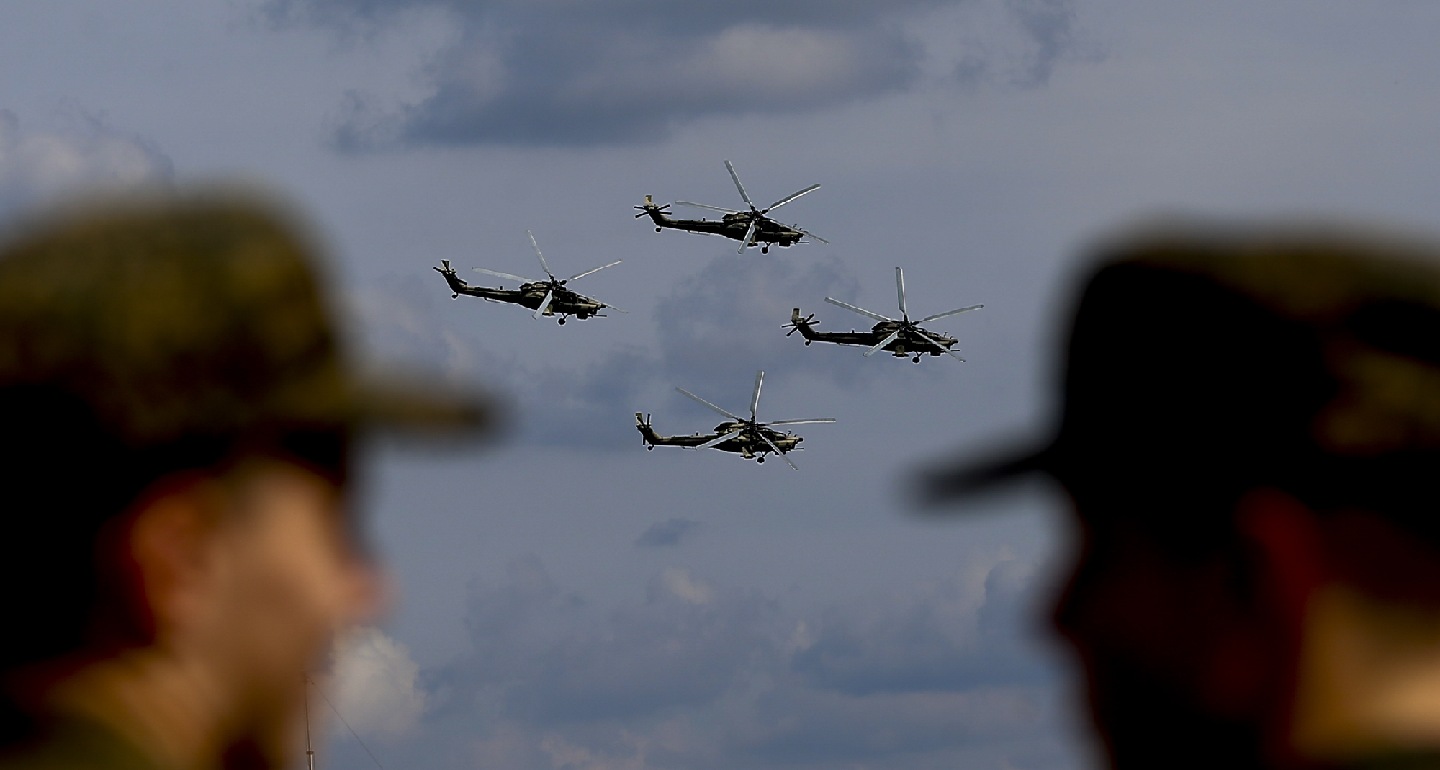
Arms supplies from Russia to Iran will not only continue, but could grow significantly if Russia gets the opportunity.

Nikita Smagin
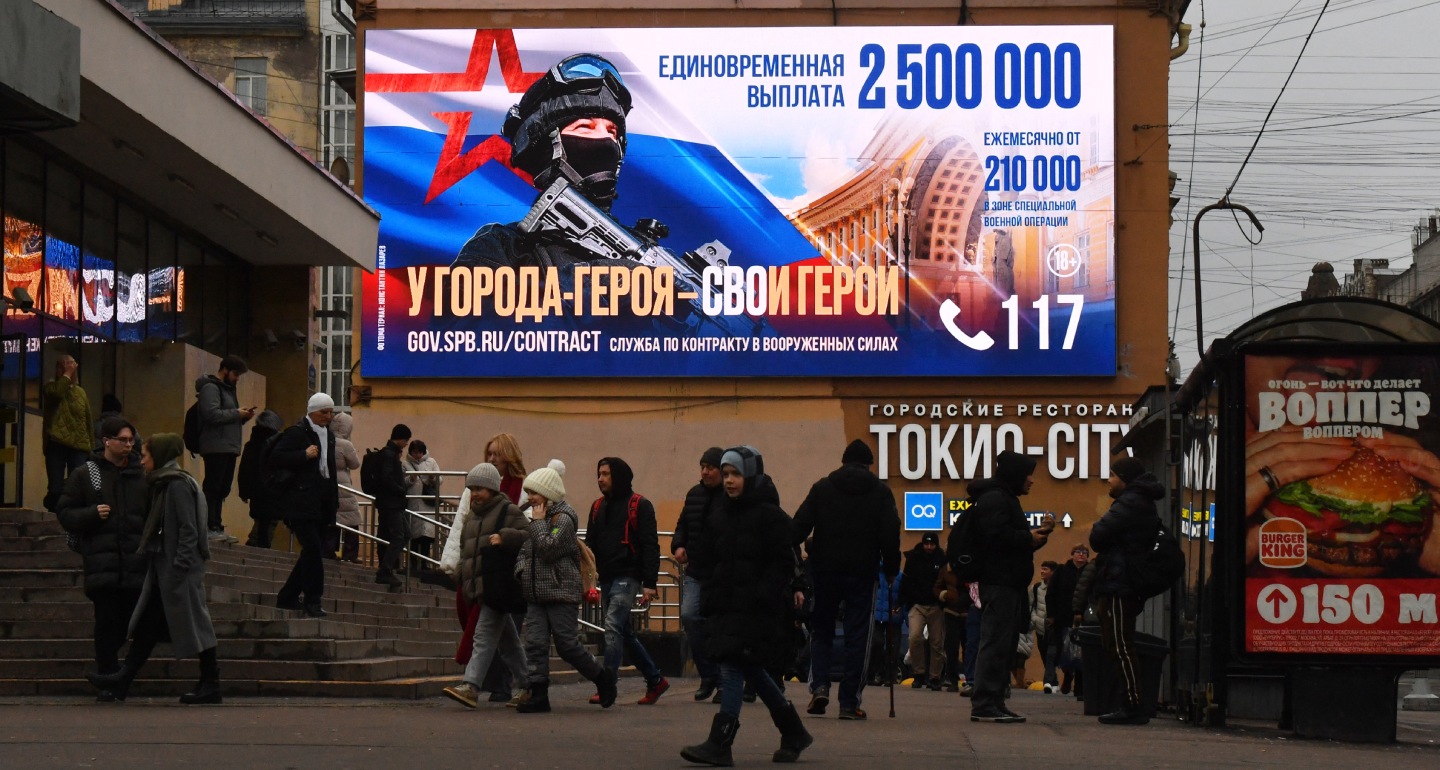
The Russian army is not currently struggling to recruit new contract soldiers, though the number of people willing to go to war for money is dwindling.

Dmitry Kuznets