

Commentary
This year’s wars have made alternative routes to transit through Russia no less risky for Central Asian countries.
Galiya Ibragimova
{
  "authors": [],
  "type": "pressRelease",
  "centerAffiliationAll": "dc",
  "centers": [
    "Carnegie Endowment for International Peace"
  ],
  "collections": [],
  "englishNewsletterAll": "menaTransitions",
  "nonEnglishNewsletterAll": "",
  "primaryCenter": "Carnegie Endowment for International Peace",
  "programAffiliation": "MEP",
  "programs": [
    "Middle East"
  ],
  "projects": [],
  "regions": [
    "Middle East",
    "Israel",
    "Palestine"
  ],
  "topics": []
}
REQUIRED IMAGE
Efforts to move the Israeli–Palestinian peace process forward will fail if the U.S. continues to marginalize or ignore Hamas. A national unity government—which would require a slower approach to the peace process and depends on difficult concessions—is the only promising solution.
WASHINGTON, June 3—Efforts to move the Israeli–Palestinian peace process forward will fail if the United States continues to marginalize or ignore Hamas. A national unity government—which would require a slower approach to the peace process than the Obama administration would like and depends on difficult concessions—is the only promising solution, explains a new commentary by Nathan Brown.
Key Conclusions:
Brown concludes:
“The new leadership in Washington is refreshingly bold in its tactics but far more conventional in its strategies. Its new approach (especially on settlements) has already attracted attention in the region. But thus far its public policy toward Gaza remains unrealistic: demanding that Hamas change and treating the movement as if it does not exist until it does so. It is difficult to envision how the Obama administration’s initiatives can gain full traction until it develops more realistic ideas on Gaza."
###
NOTES
Carnegie does not take institutional positions on public policy issues; the views represented herein are those of the author(s) and do not necessarily reflect the views of Carnegie, its staff, or its trustees.
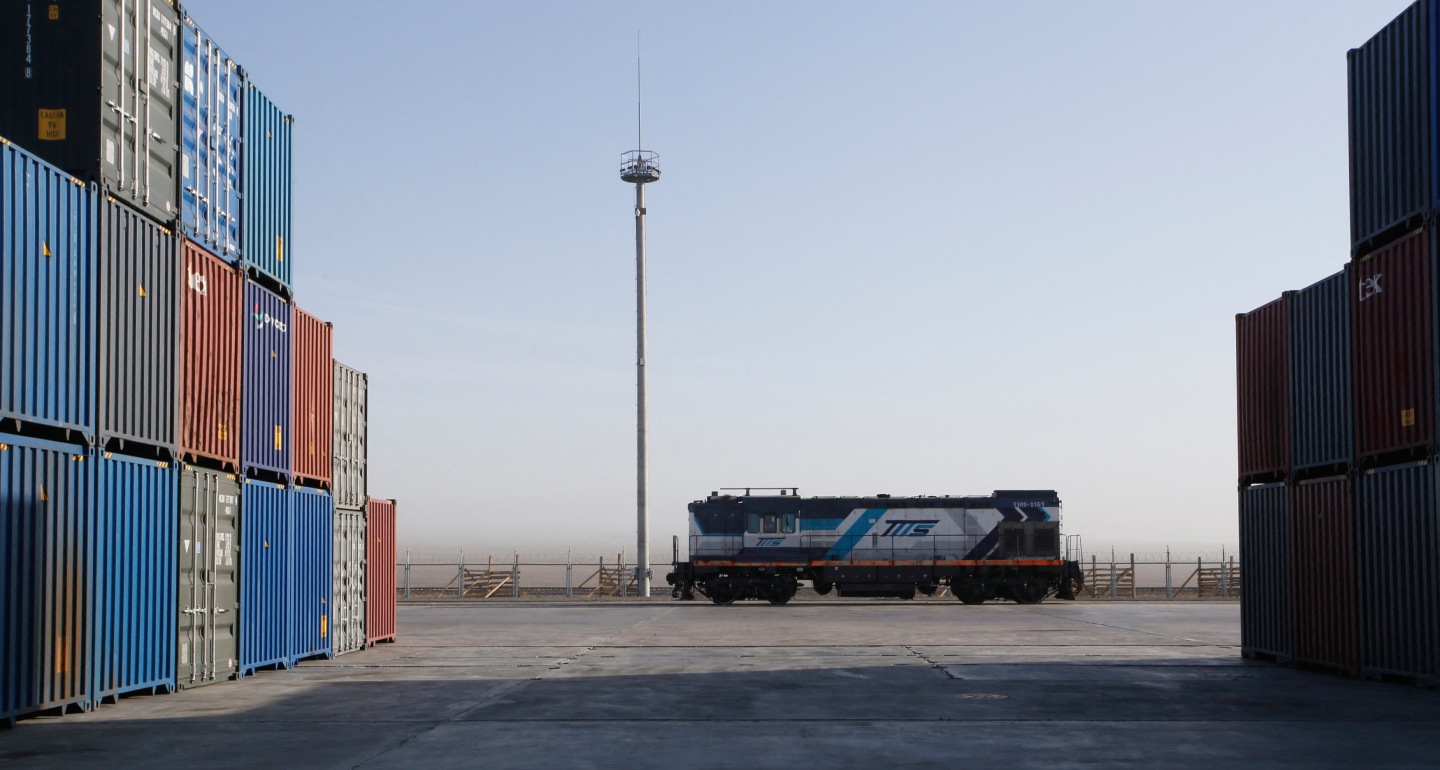
This year’s wars have made alternative routes to transit through Russia no less risky for Central Asian countries.

Galiya Ibragimova
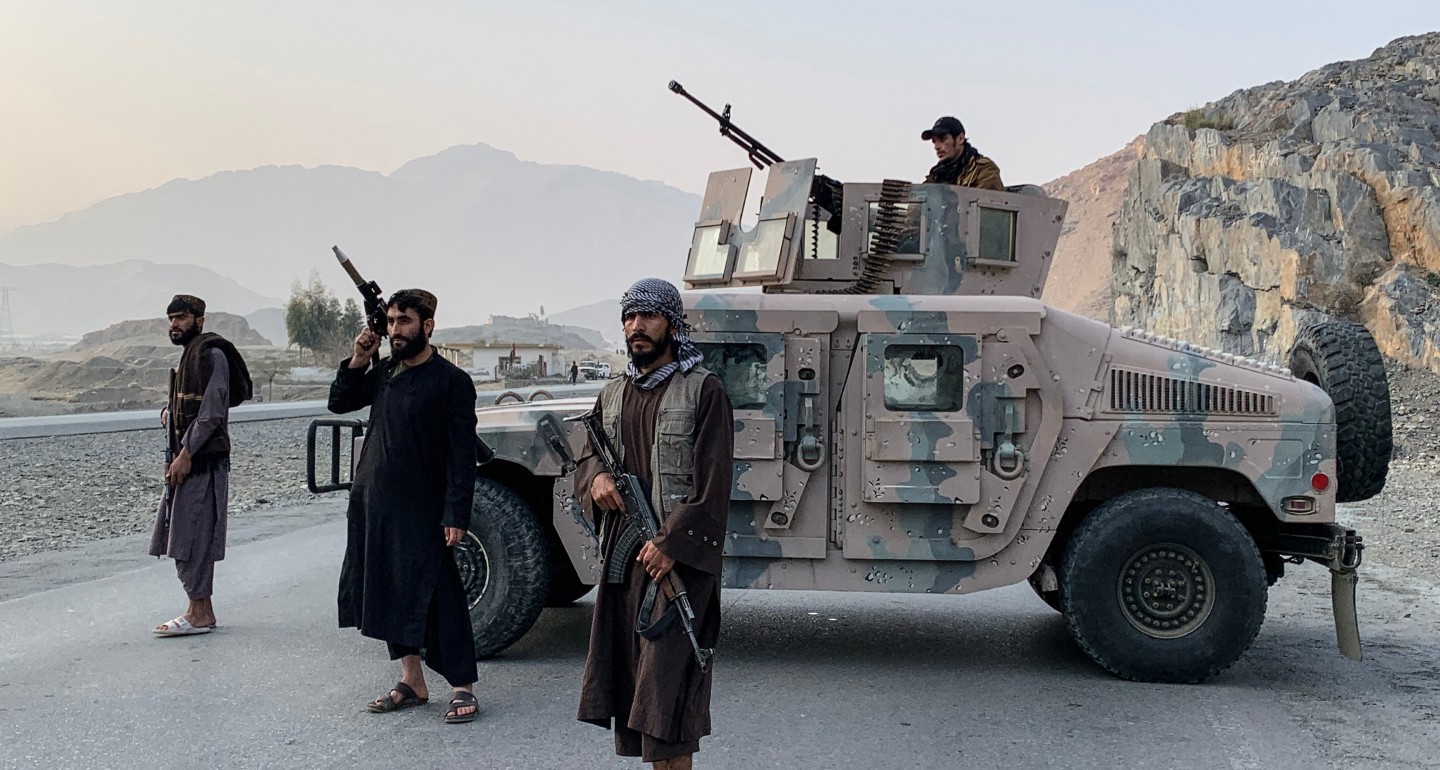
Not only does the fighting jeopardize regional security, it undermines Russian attempts to promote alternatives to the Western-dominated world order.

Ruslan Suleymanov
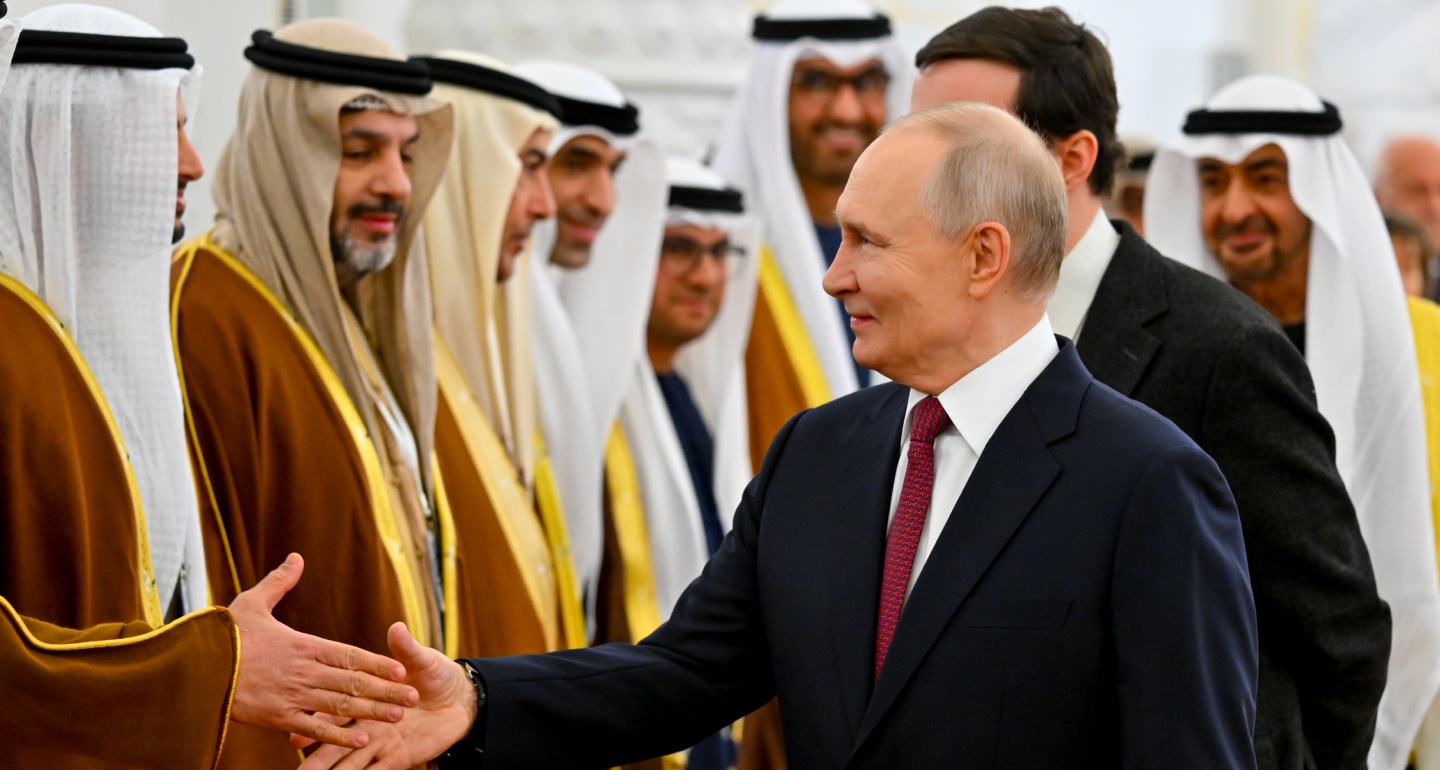
Disillusioned with the West over Gaza, Arab countries are not only trading more with Russia; they are also more willing to criticize Kyiv.
Ruslan Suleymanov

Baku may allow radical nationalists to publicly discuss “reunification” with Azeri Iranians, but the president and key officials prefer not to comment publicly on the protests in Iran.

Bashir Kitachaev
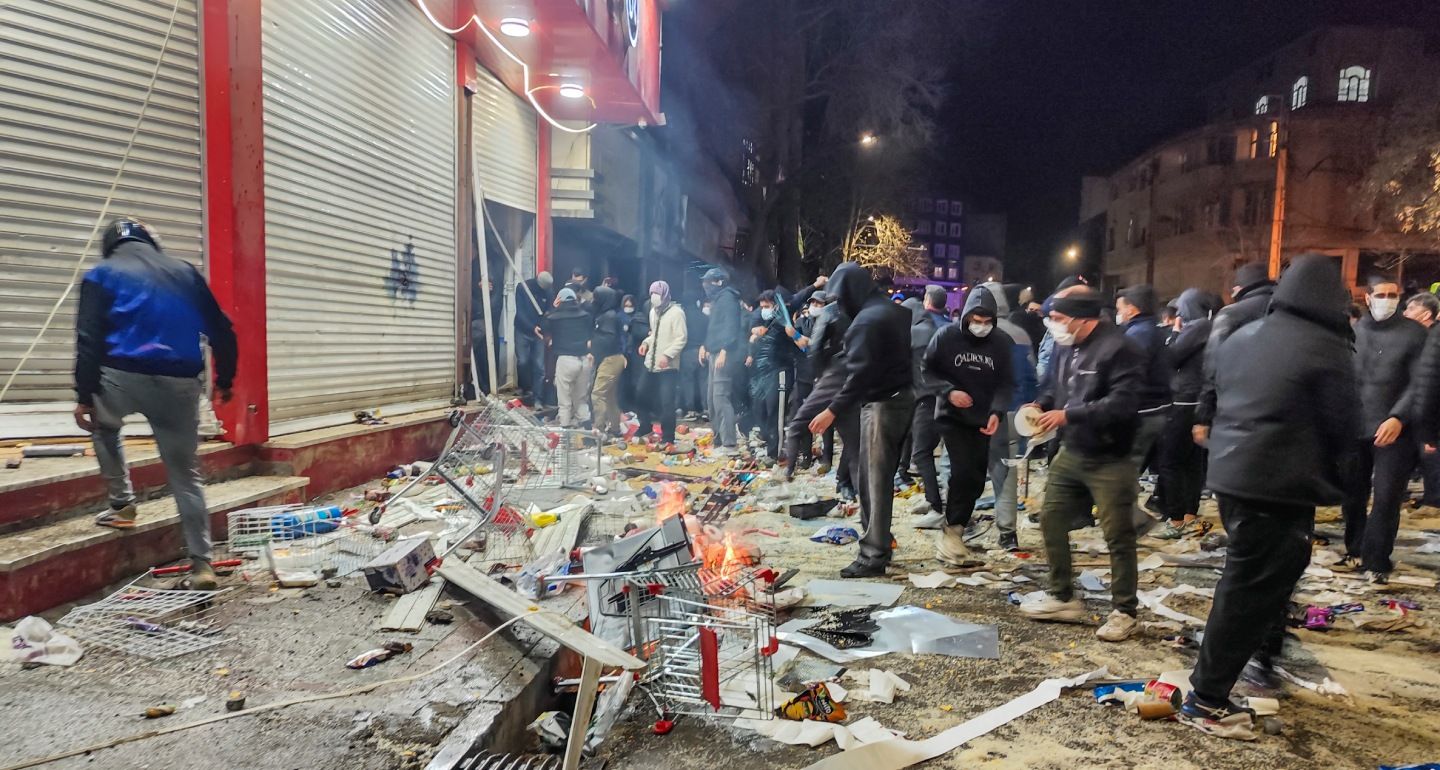
It’s one thing to export Russian helicopters to Iran to fight the insurgency, and it’s easy to imagine Moscow becoming a haven for fleeing Iranian leaders. But it’s very difficult to imagine Russian troops defending the Iranian regime on the ground.

Nikita Smagin