

Commentary
Michael Pettis
{
  "authors": [
    "Michael Pettis"
  ],
  "type": "legacyinthemedia",
  "centerAffiliationAll": "dc",
  "centers": [
    "Carnegie Endowment for International Peace",
    "Carnegie China"
  ],
  "collections": [],
  "englishNewsletterAll": "asia",
  "nonEnglishNewsletterAll": "",
  "primaryCenter": "Carnegie China",
  "programAffiliation": "AP",
  "programs": [
    "Asia"
  ],
  "projects": [],
  "regions": [
    "North America",
    "United States",
    "East Asia",
    "China"
  ],
  "topics": [
    "Economy",
    "Foreign Policy"
  ]
}
Source: Getty
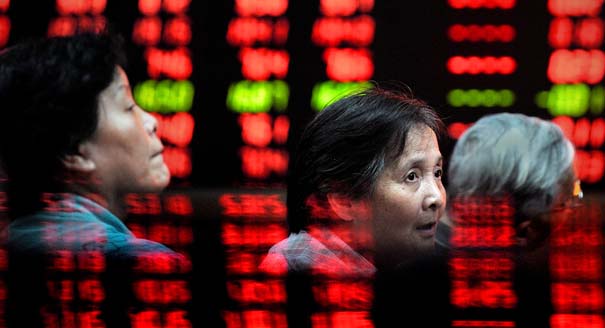
China's fiscal stimulus, intended to increase domestic consumption in the face of lagging U.S. demand by expanding bank lending, may in fact have the opposite effect by creating bad loans— the fallout of which will ultimately inhibit consumption.
Source: Financial Times

While Chinese consumption was growing at an impressive 9 per cent a year over the past few years, Chinese gross domestic product growth substantially outpaced it, clocking in at 10 per cent to 13 per cent annually. China was able to do this in large part because as it poured resources and cheap financing into manufacturing, and in so doing produced many more goods than Chinese households and businesses were able to consume, the balance was exported abroad, where much of it was absorbed by US consumers.
But everything has changed. Willingly or unwillingly, US debt levels will decline over the next several years. As a result American consumption will grow substantially slower than the US economy, and so the trade deficit will decline. For the rest of the world, even ignoring the possibility of a decline in global investment, a contraction in the US trade deficit will bring with it a period in which economic growth will be less than consumption growth.
This matters, especially for China. If the Chinese economy was the biggest beneficiary of excess US consumption growth, it is likely also to be the biggest victim of a rising US savings rate. For now, China has been able to avoid the brunt of this reversal. Although Chinese exports have dropped, imports have declined even faster, so that China’s GDP continues to grow faster than its consumption, and China’s savings level, which is the inverse of consumption, continues to rise. But this has come at the expense of an unsustainable squeeze on China’s export competitors.
Eventually, and maybe this is already happening, the decline in the US trade deficit must result in a decline in China’s ability to export the difference between its growth in production and consumption. When this happens, China’s economy will grow more slowly than Chinese consumption, just as the opposite is happening in the US. Put another way, rather than act as the lower constraint for GDP growth as it has for the past two decades growth in Chinese consumption will become the upper constraint, as for the next several years Chinese consumption necessarily rises as a share of GDP, just as US consumption must decline as a share of US GDP.
If Chinese consumption growth is able to continue barrelling along at 9 per cent annually, the implications are that China’s GDP growth will fall from the heady 10-13 per cent levels of the past few years to something probably approaching 6-8 per cent, depending on the speed of the US adjustment and the share of the adjustment absorbed by China’s trade competitors. But there are reasons to doubt the ability of Chinese consumption to grow so quickly.
First, in an environment of much slower Chinese economic growth, it would not be surprising if consumption growth rates also declined. Just as rapidly rising income fed rapidly rising consumption on the way up, a sharp slowdown in income growth should cause consumption growth also to slow. Second, and more importantly, China’s fiscal stimulus consists mainly of a massive expansion in bank lending, which is almost certain to lead to a sharp rise in bad loans. Resolving these, which China will have to do in the next few years, will probably require the same policies used to resolve the banking crisis of the late 1990s, which will inevitably constrain consumption growth.
For now an extraordinary but inefficient expansion in new bank lending has powered the Chinese economy into growth rates that many thought unlikely even six months ago. But rapidly rising bank lending, especially if misallocated to nearly the same extent as in previous loan surges, cannot be a long-term solution for slowing Chinese growth.
Over the next five years or more Chinese economic growth is going to be constrained by growth in Chinese consumption. The massive but unsustainable investment in infrastructure and new production facilities that characterises the Chinese fiscal stimulus package will not be able to change this fact. From its dizzying heights during the past two decades, the world needs to prepare itself for a decade during which, if all goes well, China grows at a still respectable but much lower rate of 5-7 per cent. If the current fiscal stimulus package retards China’s adjustment process, as many analysts argue that it does, growth rates may be much lower.

Nonresident Senior Fellow, Carnegie China
Michael Pettis is a nonresident senior fellow at the Carnegie Endowment for International Peace. An expert on China’s economy, Pettis is professor of finance at Peking University’s Guanghua School of Management, where he specializes in Chinese financial markets.
Recent Work
Michael Pettis
Michael Pettis
Carnegie does not take institutional positions on public policy issues; the views represented herein are those of the author(s) and do not necessarily reflect the views of Carnegie, its staff, or its trustees.

Despite unhappiness on the ground, Moscow is determined to use both carrot and stick to ensure there is record support for United Russia in occupied Ukraine.

Konstantin Skorkin

The recent damage inflicted by Ukrainian drones and missiles on Russia has made Belarus aware of its own vulnerabilities—and surprisingly amenable to Kyiv’s demands.

Artyom Shraibman
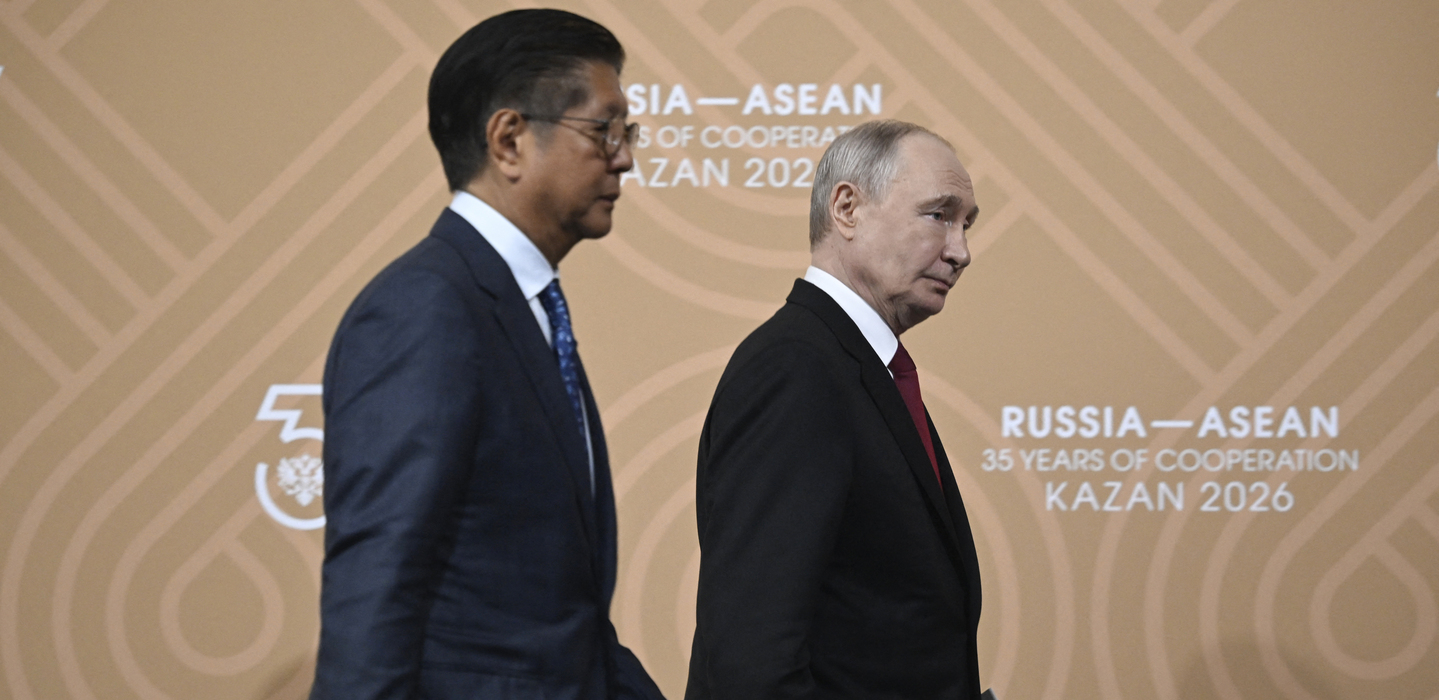
Russia looks set to reap economic benefits from closer ties with Southeast Asian countries that are keen to find reliable energy suppliers and diversify trade ties.

Alexander Gabuev

Ongoing uncertainty in the Middle East allows Moscow to both increase its influence in Tehran and continue to enjoy the financial windfall of higher oil prices.

Nikita Smagin
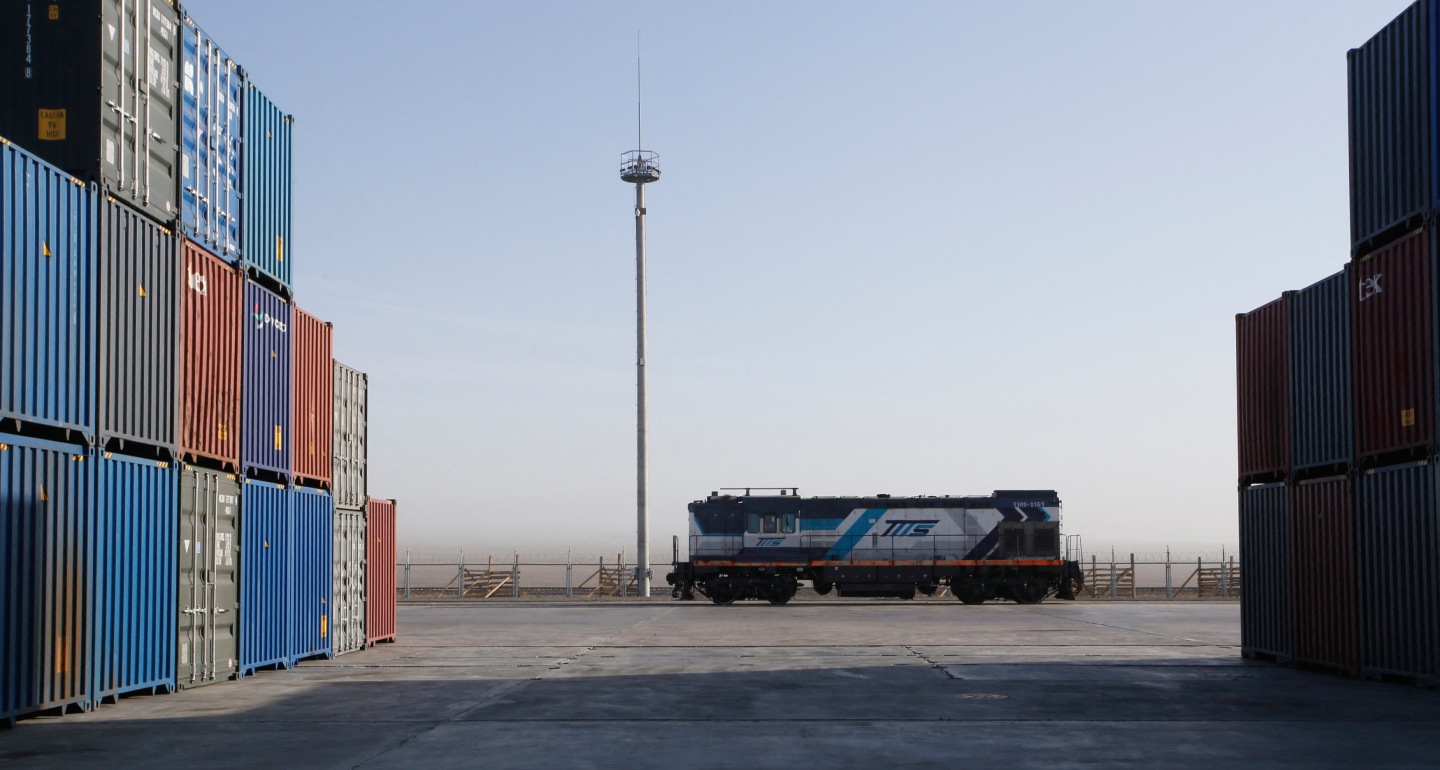
This year’s wars have made alternative routes to transit through Russia no less risky for Central Asian countries.

Galiya Ibragimova