

In The Media
Minxin Pei
{
  "authors": [
    "Minxin Pei"
  ],
  "type": "legacyinthemedia",
  "centerAffiliationAll": "dc",
  "centers": [
    "Carnegie Endowment for International Peace"
  ],
  "collections": [],
  "englishNewsletterAll": "asia",
  "nonEnglishNewsletterAll": "",
  "primaryCenter": "Carnegie Endowment for International Peace",
  "programAffiliation": "AP",
  "programs": [
    "Asia"
  ],
  "projects": [],
  "regions": [
    "East Asia",
    "China"
  ],
  "topics": [
    "Political Reform",
    "Democracy",
    "Security",
    "Military"
  ]
}
Source: Getty
Unrest among the Uighur minority in China was inevitable because of the lack of dialogue between ethnic groups, growing income inequality between Han Chinese and Uighurs, and government portrayals of Uighurs as separatist terrorists.
Source: PBS Newshour
The recent clashes between Han Chinese and Uighurs in the restive Xinjiang province have killed over 150 people and injured well over 800 others. To discuss the sources of the violence, Carnegie's Minxin Pei joined Alim Seytoff, the spokesperson for the World Uighur Congress, on PBS' NewsHour.
Pei explained that Uighurs have long resented Han Chinese explorations of Xinjiang's deposits of oil, natural gas, and other natural resources and the central government's half-century-long effort to encourage Han migration to the province. A violent clash of this nature was inevitable because of the lack of dialogue between ethnic groups, growing income inequality between the Han Chinese and the Uighurs, and the portrayal of Uighurs as separatist terrorists by the Chinese government.
Pei concluded by arguing that although this episode is unlikely to lead to susbtantially enhanced autonomy for Uighurs, it could serve as a wake-up call to the Chinese government to review its treatment of ethnic minorities in China.
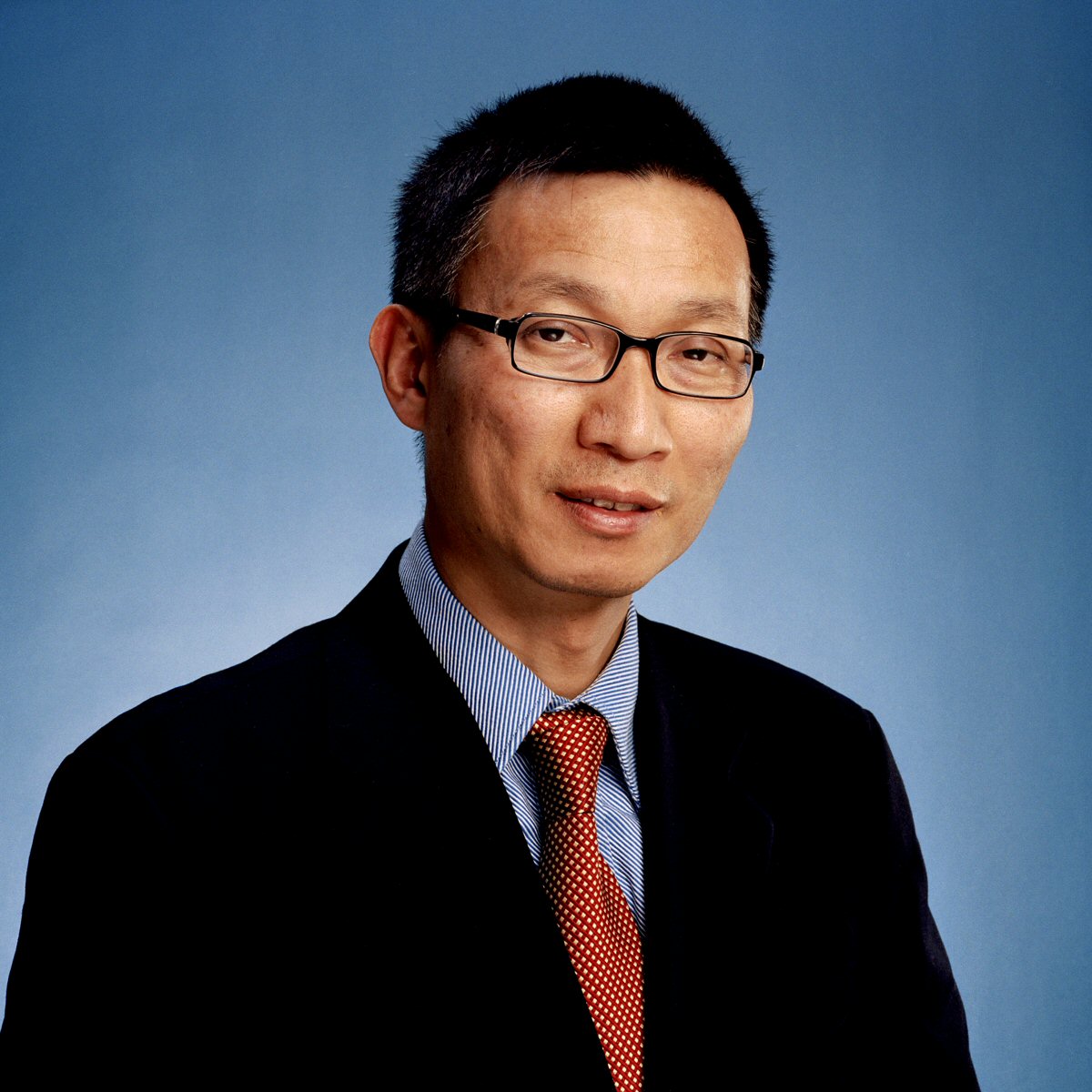
Former Adjunct Senior Associate, Asia Program
Pei is Tom and Margot Pritzker ‘72 Professor of Government and the director of the Keck Center for International and Strategic Studies at Claremont McKenna College.
Recent Work
Minxin Pei
Minxin Pei

Sergei Kiriyenko used Russia’s parliamentary vote to further hone his strategy of corporate mobilization that is designed to maximize votes for United Russia.

Andrey Pertsev

The European far right might fail to steer EU policy in the direction Russia wants, but they will create enough chaos inside Europe to benefit the Kremlin.

Dimitar Bechev

If the Russian-speaking community in Latvia cannot articulate their interests without being seen as disloyal, they could end up embracing a pro-Kremlin agenda.

Sergejs Potapkins

Russia’s ruling party would have benefited from Putin appearing as its distant patron, but as an active frontman imposing his views on the public, he has done nothing but harm both the party’s election campaign and the ruling system overall.
Andrey Pertsev

In the tenth year of his presidency, President Mirziyoyev’s system is becoming even more personalized than that of his predecessor Karimov.

Galiya Ibragimova