

Commentary
The use of technology to mobilize Russians to vote—a system tied to the relative material well-being of the electorate, its high dependence on the state, and a far-reaching system of digital control—is breaking down.
Andrey Pertsev
{
  "authors": [],
  "type": "pressRelease",
  "centerAffiliationAll": "dc",
  "centers": [
    "Carnegie Endowment for International Peace"
  ],
  "collections": [],
  "englishNewsletterAll": "menaTransitions",
  "nonEnglishNewsletterAll": "",
  "primaryCenter": "Carnegie Endowment for International Peace",
  "programAffiliation": "MEP",
  "programs": [
    "Middle East"
  ],
  "projects": [],
  "regions": [
    "Middle East",
    "North Africa",
    "North America"
  ],
  "topics": [
    "Political Reform"
  ]
}
REQUIRED IMAGE
Lahcen Achy, a noted economist on the Middle East and North Africa, has joined the Carnegie Middle East Center in Beirut, Lebanon. His work will focus on socioeconomic issues and development policies in the region, with a particular emphasis on labor markets and regional integration.
BEIRUT, Sept 2—Lahcen Achy, a noted economist on the Middle East and North Africa, has joined the Carnegie Middle East Center in Beirut, Lebanon. His work will focus on socioeconomic issues and development policies in the region, with a particular emphasis on labor markets and regional integration. He will also analyze the challenges facing Arab states emerging from the global financial crisis and lessons for future policy making.
Achy will work closely with the Endowment’s International Economics Program, which monitors and analyzes short- and long-term trends in the global economy, including growth, trade, poverty, unemployment, and income distribution, and draws out policy implications.
Achy is a member of the Economic Research Forum (ERF) for the Arab Countries, Turkey, and Iran, and is the Moroccan Liaison for the global Researchers’ Alliance for Development.
Making the announcement, Paul Salem, director of the Middle East Center, said:
“Lahcen will be an excellent addition to the Middle East Center. The MENA countries face a critical policy juncture on how best to grow and diversify their economies while addressing the underlying social challenges of boosting employment and reducing poverty. Lahcen’s research will provide much needed insights into the appropriate policy responses for governments and international institutions.”
Achy said:
“With the ability to connect with experts and policy makers throughout the Middle East and North Africa, as well as with experts and officials in critical economic regions—China, Russia, Europe, and the United States—Carnegie is uniquely positioned to inform economic policy in the years to come. I am very pleased to be joining the Middle East Center, and look forward to effective collaboration with my distinguished colleagues in Beirut and throughout Carnegie’s regional and global network.”
###
NOTES
Lahcen Achy is a resident scholar at the Carnegie Middle East Center in Beirut. He is an economist with expertise in development and institutional economics, as well as trade and labor, with a focus on the Middle East and North Africa.
From 2004 to 2009 he was a professor at Morocco’s National Institute of Statistics and Applied Economics, where he taught development economics and international economics. Prior to that, he was a research associate at the Free University of Brussels (1997–2004) and a visiting professor in the international masters program jointly organized by the Free University and the University of Namur. Achy is a research fellow in the Economic Reform Forum and the Moroccan Liaison for the Researchers’ Alliance for Development.
He has published extensively in internationally refereed journals and is the co-author of several books on the political economy of reform in the MENA region; globalization, employment, and income distribution; competition and efficiency; as well as industrial dynamics and productivity. He has consulted for the Canadian International Development Research Center, the World Bank, the UN Development Programme, the Organization for Economic Co-operation and Development, and the Economic Commission for Africa.
Carnegie does not take institutional positions on public policy issues; the views represented herein are those of the author(s) and do not necessarily reflect the views of Carnegie, its staff, or its trustees.
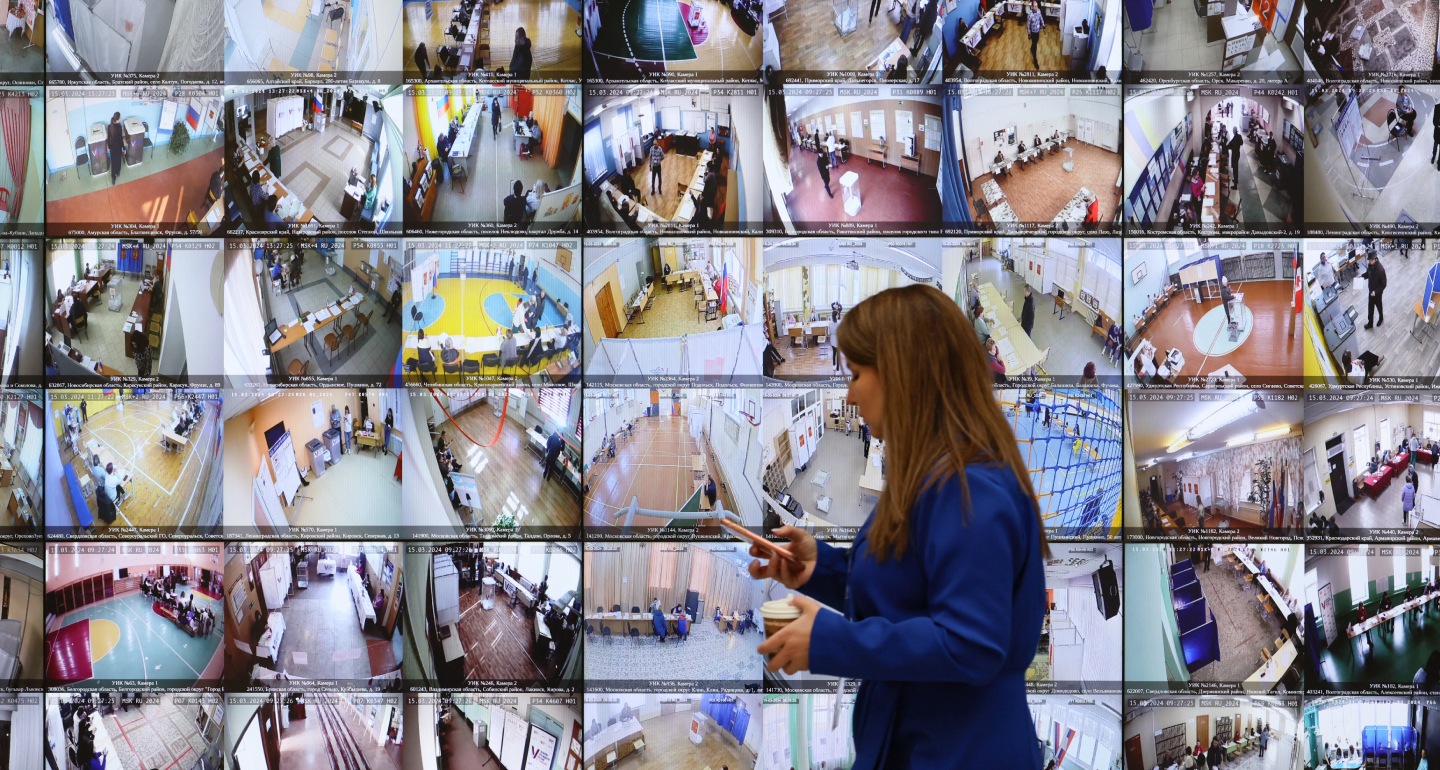
The use of technology to mobilize Russians to vote—a system tied to the relative material well-being of the electorate, its high dependence on the state, and a far-reaching system of digital control—is breaking down.

Andrey Pertsev
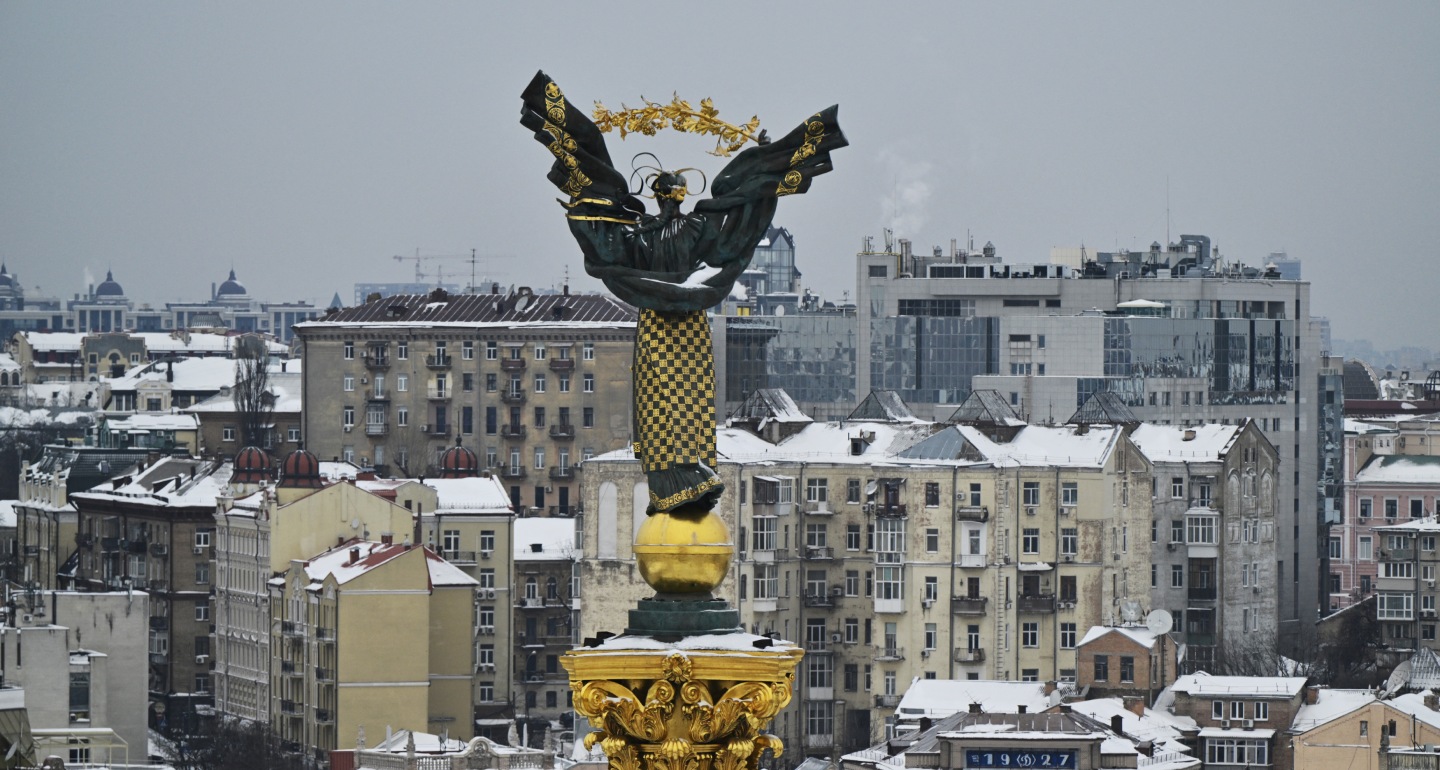
As discussions about settlement and elections move from speculation to preparation, Kyiv will have to manage not only the battlefield, but also the terms of political transition. The thaw will not resolve underlying tensions; it will only expose them more clearly.

Balázs Jarábik
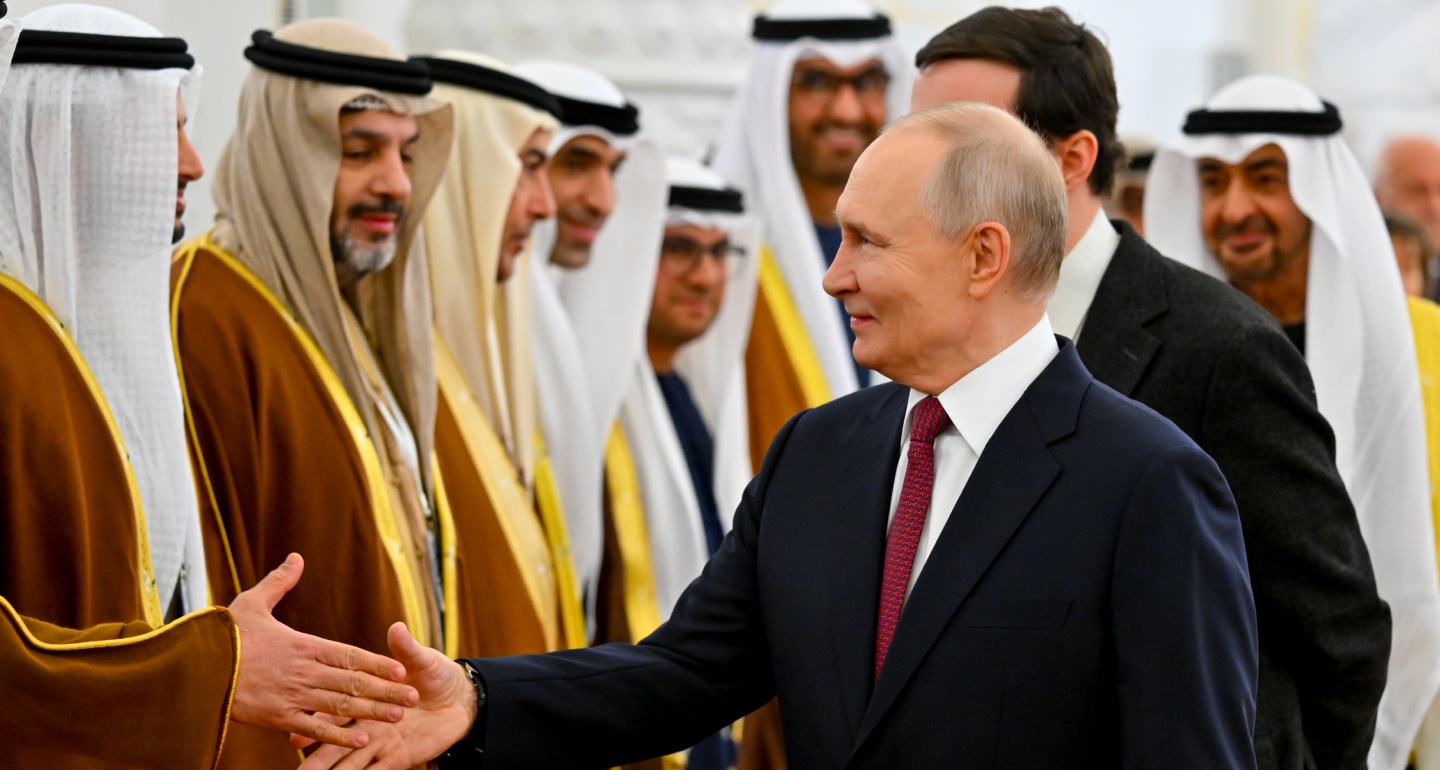
Disillusioned with the West over Gaza, Arab countries are not only trading more with Russia; they are also more willing to criticize Kyiv.

Ruslan Suleymanov

Despite its reputation as an island of democracy in Central Asia, Kyrgyzstan appears to be on the brink of becoming a personalist autocracy.

Temur Umarov

Having failed to build a team that he can fully trust or establish strong state institutions, Mirziyoyev has become reliant on his family.

Galiya Ibragimova