

Paper
Gilles Dorronsoro
{
  "authors": [
    "Gilles Dorronsoro"
  ],
  "type": "legacyinthemedia",
  "centerAffiliationAll": "dc",
  "centers": [
    "Carnegie Endowment for International Peace"
  ],
  "collections": [],
  "englishNewsletterAll": "ctw",
  "nonEnglishNewsletterAll": "",
  "primaryCenter": "Carnegie Endowment for International Peace",
  "programAffiliation": "SAP",
  "programs": [
    "South Asia"
  ],
  "projects": [],
  "regions": [
    "South Asia",
    "Afghanistan"
  ],
  "topics": [
    "Foreign Policy"
  ]
}
Source: Getty
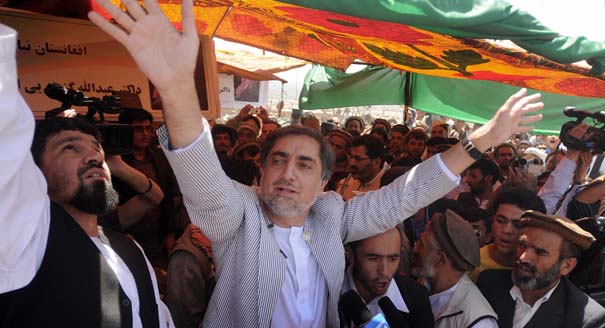
The upcoming Afghan runoff election has some hoping for a popularly elected legitimate government. However, most Afghans don't like their options enough to vote, and it will be easy for officials to fabricate the results.
Source: The New York Times

This reinforces the growing alienation of the Afghans toward Kabul, and threatens to smother the nascent democratic government in its cradle.
In the first round of elections in August, the Hazara ethnic group in northern Afghanistan agreed to deliver its votes to Karzai, but nonetheless split in support of rival candidate and former planning minister Ramazan Bashardost, and the Uzbek warlord Rashid Dostum failed to rally decisive support for Karzai.
This time around, the weather will be worse, and the plain fact is, most Afghans don’t like their options enough to vote.
From what observers saw of the voting in August, real turnout was very low — much lower than the 38 percent official figure. In Helmand, despite the presence of thousands of foreign troops — who were ostensibly there to provide security for the elections — the likely turnout was probably around 5 percent. The same is probably true for Kandahar.
In many Pashtun districts in the south and east, the government controls only the provincial or district centers, and the Taliban dominate the countryside. The situation there is too dangerous, too uncertain and too insecure to send international observers. So it will be quite easy for government officials to fabricate the results of the runoff election.
Former Nonresident Scholar, South Asia Program
Dorronsoro’s research focuses on security and political development in Afghanistan. He was a professor of political science at the Sorbonne in Paris and the Institute of Political Studies of Rennes.
Recent Work
Gilles Dorronsoro
Gilles Dorronsoro
Carnegie does not take institutional positions on public policy issues; the views represented herein are those of the author(s) and do not necessarily reflect the views of Carnegie, its staff, or its trustees.

Despite unhappiness on the ground, Moscow is determined to use both carrot and stick to ensure there is record support for United Russia in occupied Ukraine.

Konstantin Skorkin

The recent damage inflicted by Ukrainian drones and missiles on Russia has made Belarus aware of its own vulnerabilities—and surprisingly amenable to Kyiv’s demands.

Artyom Shraibman
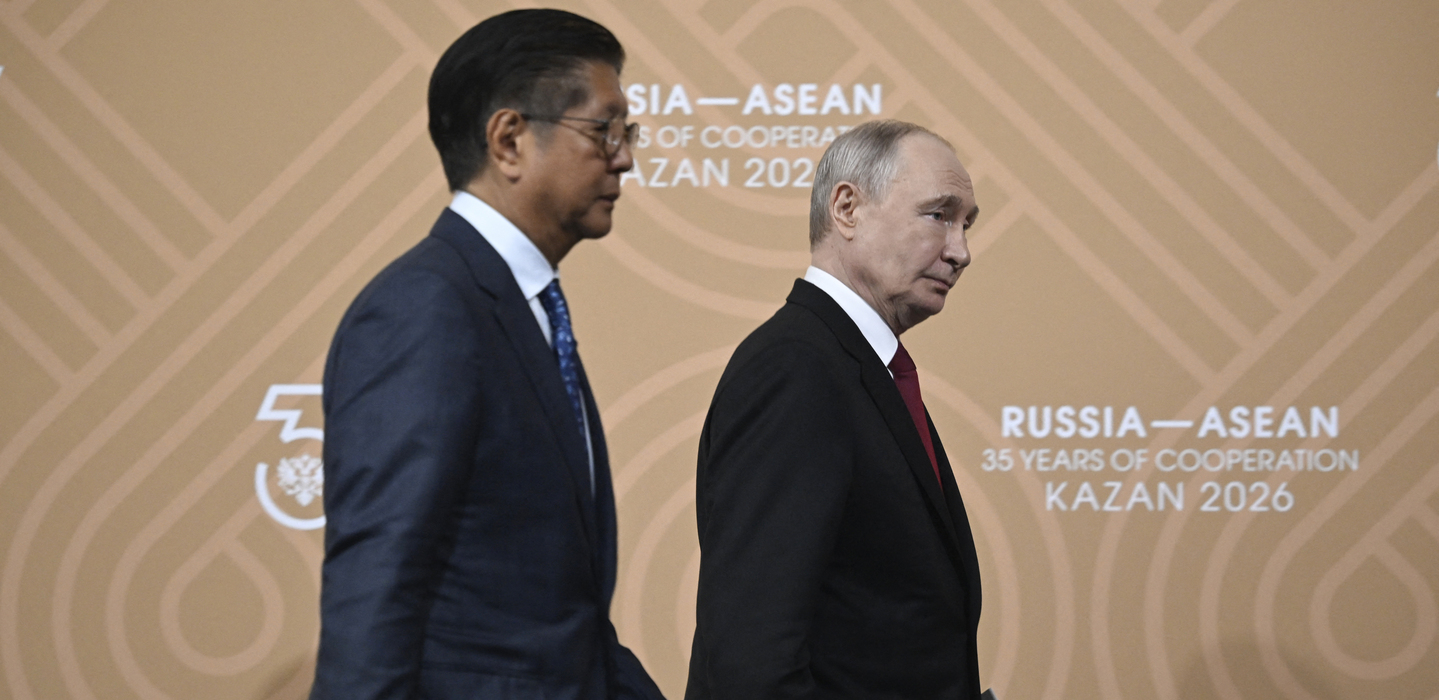
Russia looks set to reap economic benefits from closer ties with Southeast Asian countries that are keen to find reliable energy suppliers and diversify trade ties.

Alexander Gabuev

Ongoing uncertainty in the Middle East allows Moscow to both increase its influence in Tehran and continue to enjoy the financial windfall of higher oil prices.

Nikita Smagin
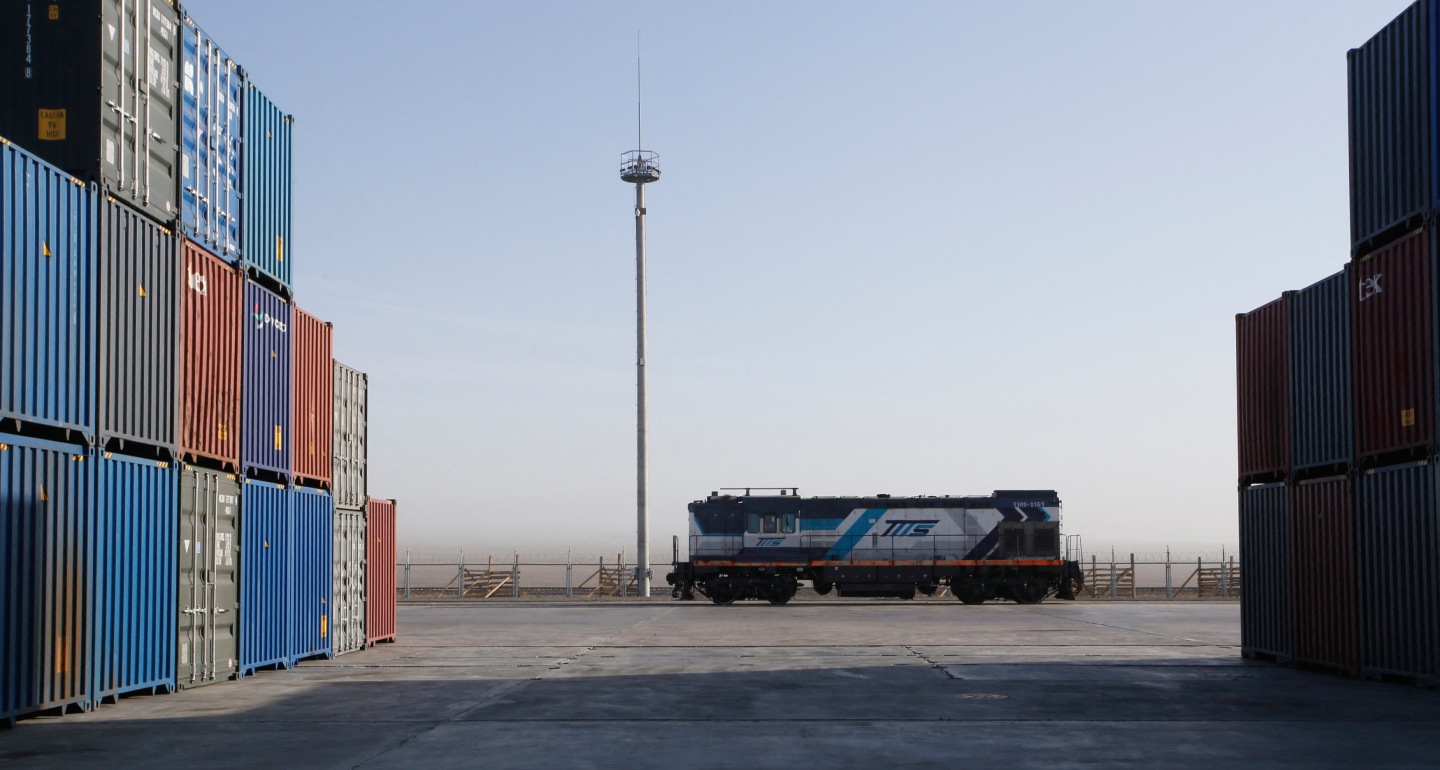
This year’s wars have made alternative routes to transit through Russia no less risky for Central Asian countries.

Galiya Ibragimova