

Article
Henri J. Barkey
{
  "authors": [
    "Henri J. Barkey"
  ],
  "type": "legacyinthemedia",
  "centerAffiliationAll": "dc",
  "centers": [
    "Carnegie Endowment for International Peace"
  ],
  "collections": [],
  "englishNewsletterAll": "menaTransitions",
  "nonEnglishNewsletterAll": "",
  "primaryCenter": "Carnegie Endowment for International Peace",
  "programAffiliation": "MEP",
  "programs": [
    "Middle East"
  ],
  "projects": [],
  "regions": [
    "United States"
  ],
  "topics": [
    "Foreign Policy",
    "Nuclear Policy"
  ]
}
Source: Getty
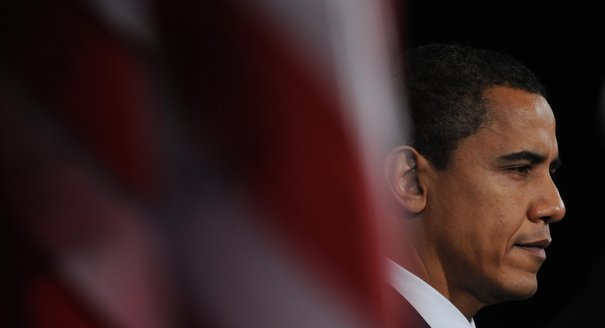
The recent awarding of the Nobel Peace Prize puts a great additional burden on President Obama. He must now live up to the expectations of the prize and harness the power of the award.
Source: The Hill

This was not a prize he sought, much less wanted at this stage of his presidency precisely because it would engender such criticisms and increase expectations. He did the right thing; he accepted it with a great deal humility and modesty.
The fact remains that the Nobel Committee has put a great additional burden on his shoulders. As if he did not have enough problems to deal with, he has to live up to the expectations of the prize, which no matter what one says about the selections over the years, it is one of the most important institutions in the Western world.
The important issue for the President now is how to harness the power of the award without succumbing to its potentially destructive expectations aspect. Let us face it, once behind closed doors, a Nobel Prize does not add any negotiating power to its recipient. What it does do is create a moment of aura at the very moment the award is conferred. The speech he will deliver at Oslo is the magical moment when the prize will literally have its most influence.
Hence, in his speech he needs to outline two very specific initiatives. One which he has significant control over-such as a reduction in nuclear weapons and one of the important reasons he was awarded the prize-and one that is far more ambitious but which he intends to carry through. My recommendation would be the Arab-Israeli peace process because so much depends on it.
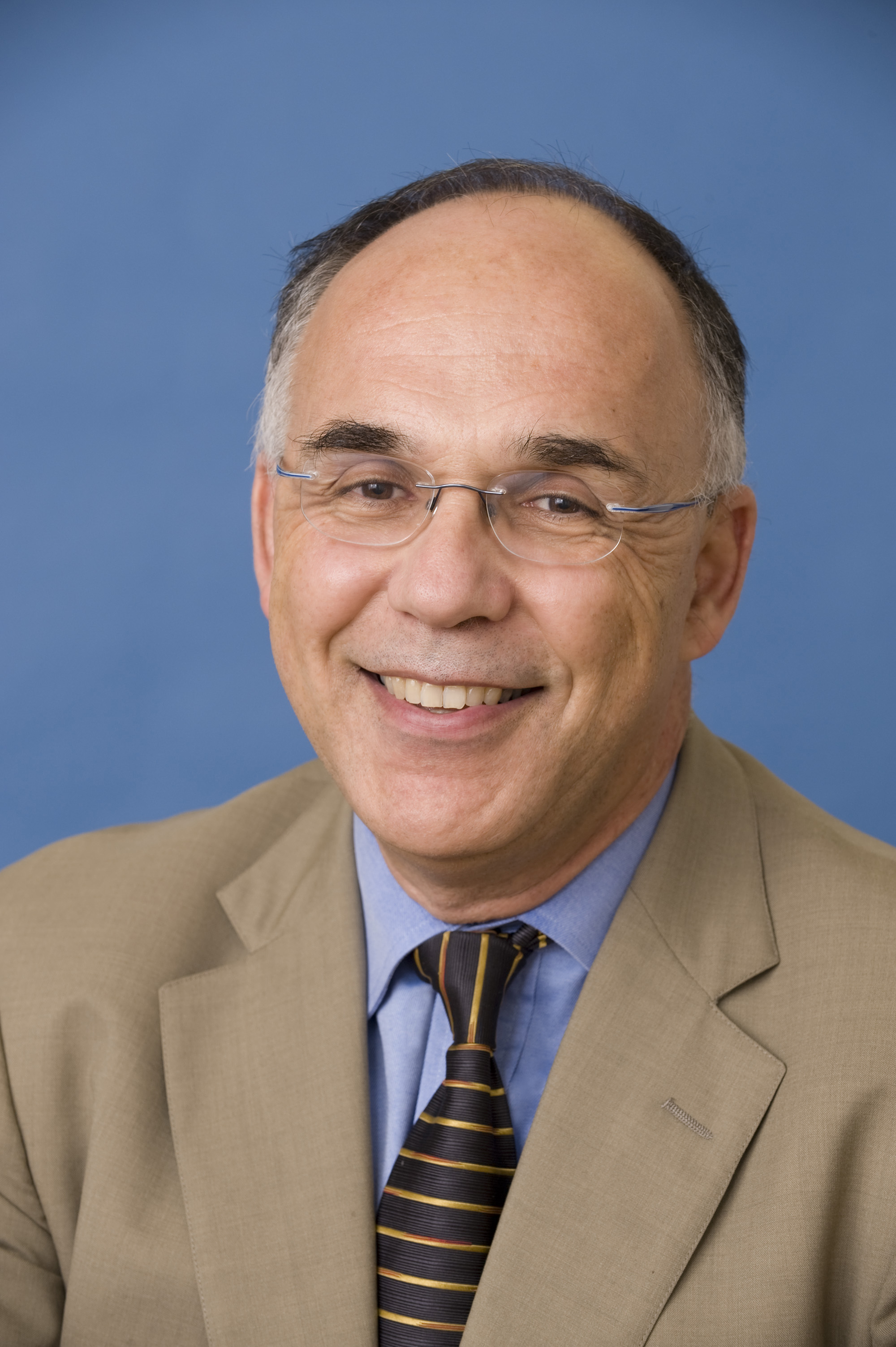
Former Visiting Scholar, Middle East Program
Barkey served as a member of the U.S. State Department Policy Planning Staff, working primarily on issues related to the Middle East, the Eastern Mediterranean, and intelligence from 1998 to 2000.
Recent Work
Henri J. Barkey
Henri J. Barkey
Carnegie does not take institutional positions on public policy issues; the views represented herein are those of the author(s) and do not necessarily reflect the views of Carnegie, its staff, or its trustees.

The European far right might fail to steer EU policy in the direction Russia wants, but they will create enough chaos inside Europe to benefit the Kremlin.

Dimitar Bechev

Minsk clearly expected the dialogue with Washington to yield more results, in particular the lifting of EU sanctions and permission to export potash.

Artyom Shraibman

With the growth in points of friction between the great powers, organizations like the SCO will continue to play a role in the strategic adaptation of the smaller powers caught between them.

Temur Umarov

When faced with fuel shortages in the past, Central Asian governments could always count on additional supplies from Moscow. That safety net no longer exists.

Galiya Ibragimova
Despite unhappiness on the ground, Moscow is determined to use both carrot and stick to ensure there is record support for United Russia in occupied Ukraine.

Konstantin Skorkin