

Kazakhstan’s new constitution is an embodiment of the ruling elite’s fears and a self-serving attempt to preserve the status quo while they still can.
Serik Beysembaev
{
"authors": [
"Henri J. Barkey",
"Morton Abramowitz"
],
"type": "legacyinthemedia",
"centerAffiliationAll": "dc",
"centers": [
"Carnegie Endowment for International Peace"
],
"collections": [],
"englishNewsletterAll": "menaTransitions",
"nonEnglishNewsletterAll": "",
"primaryCenter": "Carnegie Endowment for International Peace",
"programAffiliation": "MEP",
"programs": [
"Middle East"
],
"projects": [],
"regions": [
"Middle East",
"Türkiye"
],
"topics": [
"Political Reform"
]
}Source: Getty
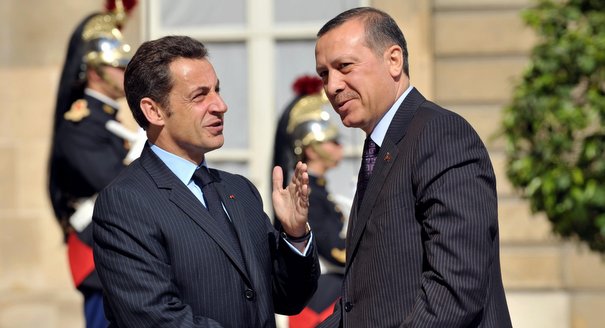
Turkey aspires to be a global power, but it has yet to become as great a regional power as its government declares it to be. Can the ruling party achieve its goals, or will it be held back by its Islamist past and the conservative inclinations of its core constituents?
Source: Foreign Affairs

There are two camps. The first, and largest, group, which includes center-right politicians, liberals, and the religious, fully supports the AKP. It sees the party as fighting the dead hand of the past to free Turkish politics from subjugation by the military and the judiciary. To most AKP supporters, the party is genuinely committed to instituting a much greater measure of democracy and tackling Turkey's most difficult issue: recognizing the democratic rights of its large Kurdish population. According to them, the party is serious about meeting the difficult requirements for EU accession and about launching fresh and constructive diplomatic initiatives in the Middle East, Central Asia, and the Caucasus. And they interpret the widespread claims that the AKP wants to establish a religious state as both fanciful and retrograde.
Former Visiting Scholar, Middle East Program
Barkey served as a member of the U.S. State Department Policy Planning Staff, working primarily on issues related to the Middle East, the Eastern Mediterranean, and intelligence from 1998 to 2000.
Morton Abramowitz
Carnegie does not take institutional positions on public policy issues; the views represented herein are those of the author(s) and do not necessarily reflect the views of Carnegie, its staff, or its trustees.
Kazakhstan’s new constitution is an embodiment of the ruling elite’s fears and a self-serving attempt to preserve the status quo while they still can.
Serik Beysembaev
The use of technology to mobilize Russians to vote—a system tied to the relative material well-being of the electorate, its high dependence on the state, and a far-reaching system of digital control—is breaking down.
Andrey Pertsev
As discussions about settlement and elections move from speculation to preparation, Kyiv will have to manage not only the battlefield, but also the terms of political transition. The thaw will not resolve underlying tensions; it will only expose them more clearly.
Balázs Jarábik
Disillusioned with the West over Gaza, Arab countries are not only trading more with Russia; they are also more willing to criticize Kyiv.
Ruslan Suleymanov
Despite its reputation as an island of democracy in Central Asia, Kyrgyzstan appears to be on the brink of becoming a personalist autocracy.
Temur Umarov