

Commentary
Cargo traffic through Russia’s Northern Sea Route has increased because of the disruption caused by the conflict in the Middle East, the Ukraine war, and U.S.-China tensions.
Mikhail Korostikov
{
  "authors": [
    "James F. Collins",
    "Dimitri Simes"
  ],
  "type": "legacyinthemedia",
  "centerAffiliationAll": "dc",
  "centers": [
    "Carnegie Endowment for International Peace",
    "Carnegie Russia Eurasia Center"
  ],
  "collections": [],
  "englishNewsletterAll": "ctw",
  "nonEnglishNewsletterAll": "",
  "primaryCenter": "Carnegie Endowment for International Peace",
  "programAffiliation": "russia",
  "programs": [
    "Russia and Eurasia"
  ],
  "projects": [],
  "regions": [
    "North America",
    "United States",
    "Middle East",
    "Iran",
    "South Asia",
    "Afghanistan",
    "Caucasus",
    "Russia"
  ],
  "topics": [
    "Security",
    "Foreign Policy",
    "Nuclear Policy"
  ]
}
REQUIRED IMAGE
Russia and the United States are not likely to come to agreement on the best way to approach Iran’s nuclear ambitions any time soon. This issue is likely to be at the top of Secretary Clinton’s agenda during her time in Moscow.
Source: Bloggingheads.tv
When Secretary Clinton arrives in Moscow on October 13 to speak with President Medvedev and Foreign Minister Lavrov, her priorities will include addressing the situation in Afghanistan, strategic arms reductions, missile defense, nonproliferation and strengthening U.S.-Russian relations. One of her most important concerns, however, will engaging her Russian counterparts in a discussion of Iran and possible sanctions against it.
Ambassador Collins states that, "I think we still have a great deal of ground to cover before we’re going to be of one mind on Iran and how to approach it. But I do think that the meeting in Geneva recently and the apparent opening to have better inspections of Iranian facilities may also provide some basis for Washington and Moscow to look at this, to find a way to agree on at least some next steps, where they can say if nothing else, we all have to ensure that Iran is abiding by its commitments. I would hope that at a minimum we’ll see some work on that score. But we have a long way to go before we’re going to see the American and Russian sides agree on sanctions: I think it’s a tough issue.”
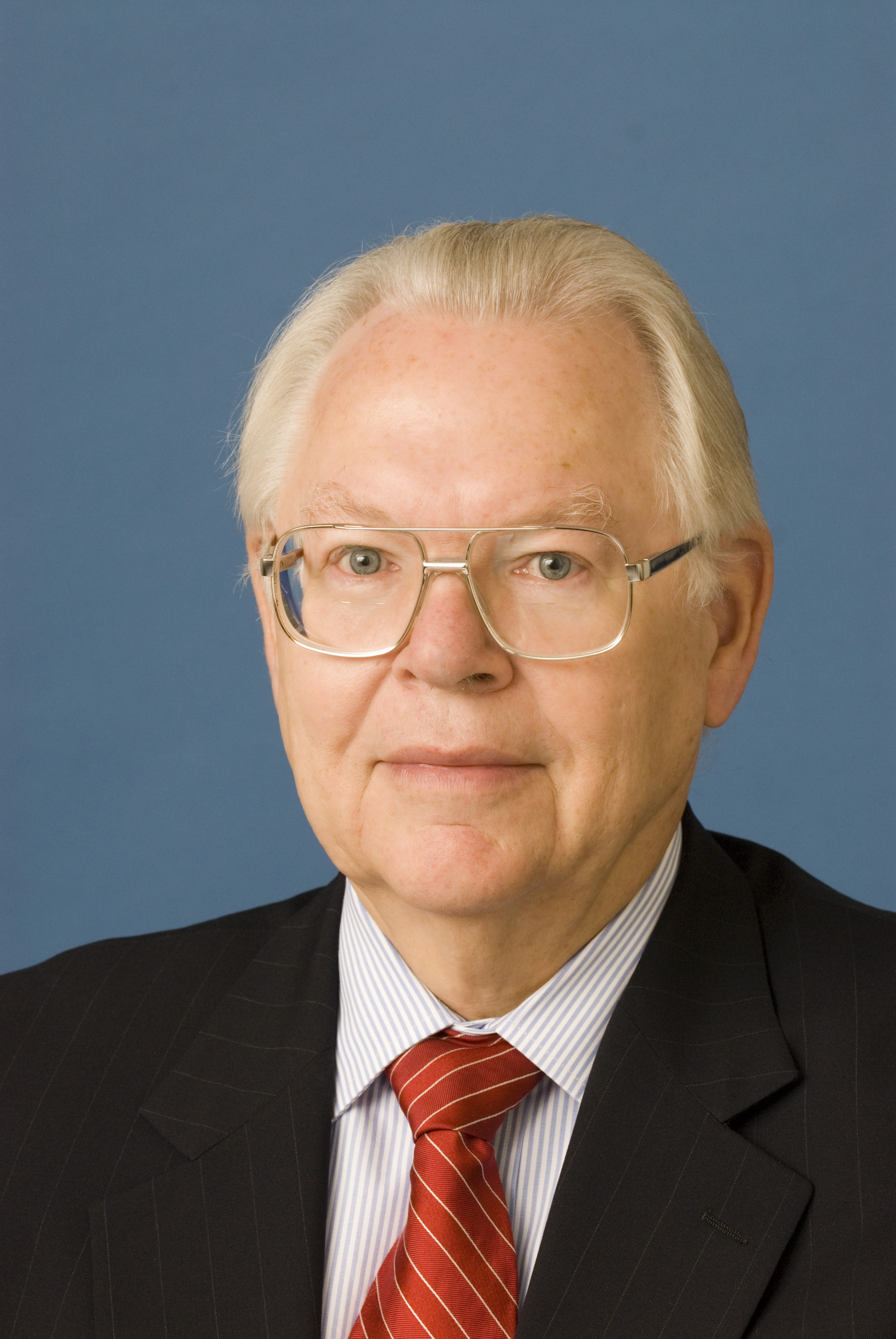
Nonresident Senior Fellow, Russia and Eurasia Program; Diplomat in Residence
Ambassador Collins was the U.S. ambassador to the Russian Federation from 1997 to 2001 and is an expert on the former Soviet Union, its successor states, and the Middle East.
Dimitri Simes
Dimitri Simes is President of the Center for the National Interest.
Carnegie does not take institutional positions on public policy issues; the views represented herein are those of the author(s) and do not necessarily reflect the views of Carnegie, its staff, or its trustees.

Cargo traffic through Russia’s Northern Sea Route has increased because of the disruption caused by the conflict in the Middle East, the Ukraine war, and U.S.-China tensions.

Mikhail Korostikov
An analysis of traffic accident data suggests that Ukrainian drone attacks caused a material but not disastrous fall in Russian gasoline consumption over the summer.

Sergey Vakulenko

Sergei Kiriyenko used Russia’s parliamentary vote to further hone his strategy of corporate mobilization that is designed to maximize votes for United Russia.

Andrey Pertsev

Trump has promised Belarus a massive potash deal. But Minsk is seeking something greater: restored Western transit and greater room for maneuver from Russia.

Balázs Jarábik

The European far right might fail to steer EU policy in the direction Russia wants, but they will create enough chaos inside Europe to benefit the Kremlin.

Dimitar Bechev