

In The Media
Minxin Pei
{
  "authors": [
    "Minxin Pei"
  ],
  "type": "legacyinthemedia",
  "centerAffiliationAll": "dc",
  "centers": [
    "Carnegie Endowment for International Peace"
  ],
  "collections": [],
  "englishNewsletterAll": "asia",
  "nonEnglishNewsletterAll": "",
  "primaryCenter": "Carnegie Endowment for International Peace",
  "programAffiliation": "AP",
  "programs": [
    "Asia"
  ],
  "projects": [],
  "regions": [
    "North America",
    "United States",
    "East Asia",
    "China"
  ],
  "topics": [
    "Foreign Policy"
  ]
}
Source: Getty
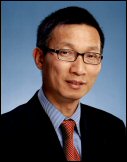
Despite a lack of concrete deliverables, President Obama’s trip to Asia still accomplished the important objective of showing China that the United States is serious about engaging the region and remaining a Pacific power.
Source: The Diane Rehm Show

In a panel discussion on NPR’s The Diane Rehm Show, Minxin Pei assesses President Obama’s trip to China, highlighting some of the opportunities and challenges of the meeting. Pei expected Iran to be a key concern in the discussions, as the recent deal between the United States and Russia has left China diplomatically isolated in refusing to impose sanctions. On the issue of North Korea, Pei also cautioned against expecting a breakthrough in discussions between Obama and Hu, noting that the Chinese president does not enjoy autonomy in his policy decision-making and must confer with the collective leadership of the 9-member Politburo standing committee. Despite a lack of concrete deliverables, Obama’s trip still accomplished at least one important objective of showing China - and all of Asia - that the United States is serious about engaging the region and remaining a Pacific power.
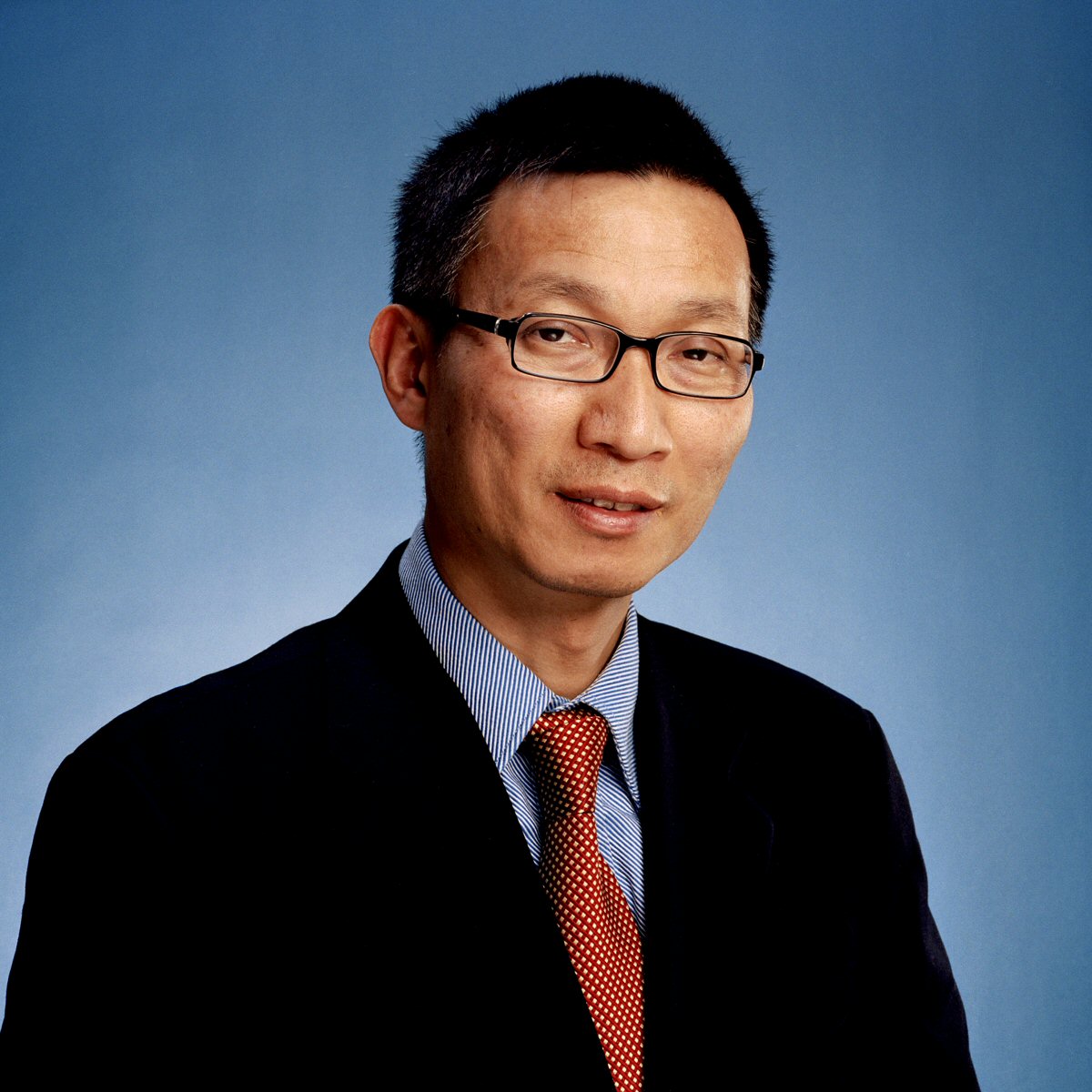
Former Adjunct Senior Associate, Asia Program
Pei is Tom and Margot Pritzker ‘72 Professor of Government and the director of the Keck Center for International and Strategic Studies at Claremont McKenna College.
Recent Work
Minxin Pei
Minxin Pei
Carnegie does not take institutional positions on public policy issues; the views represented herein are those of the author(s) and do not necessarily reflect the views of Carnegie, its staff, or its trustees.

Without a ceasefire with Ukraine on attacking each other’s energy infrastructure—to which the Kremlin is unlikely to agree—the diesel agreement between Putin and Trump is largely for show, rather than representing a genuine increase in the volumes of Russian diesel on the global market.

Sergey Vakulenko

Despite a new textbook, an influx of Russian teachers and managers, and an end to the teaching of Ukrainian, the Kremlin is unlikely to have “reprogrammed” locals.

Konstantin Skorkin

Cargo traffic through Russia’s Northern Sea Route has increased because of the disruption caused by the conflict in the Middle East, the Ukraine war, and U.S.-China tensions.

Mikhail Korostikov

Trump has promised Belarus a massive potash deal. But Minsk is seeking something greater: restored Western transit and greater room for maneuver from Russia.

Balázs Jarábik

Minsk clearly expected the dialogue with Washington to yield more results, in particular the lifting of EU sanctions and permission to export potash.

Artyom Shraibman