• Research
  • Politika
  • About
Carnegie Russia Eurasia center logoCarnegie lettermark logo
  • Donate
{
  "authors": [],
  "type": "pressRelease",
  "centerAffiliationAll": "dc",
  "centers": [
    "Carnegie Endowment for International Peace"
  ],
  "collections": [],
  "englishNewsletterAll": "ctw",
  "nonEnglishNewsletterAll": "",
  "primaryCenter": "Carnegie Endowment for International Peace",
  "programAffiliation": "SAP",
  "programs": [
    "South Asia"
  ],
  "projects": [],
  "regions": [
    "United States",
    "South Asia",
    "India"
  ],
  "topics": [
    "Climate Change",
    "Foreign Policy",
    "Nuclear Policy"
  ]
}
REQUIRED IMAGE

REQUIRED IMAGE

Press Release

U.S. should support India for Security Council

The Obama administration should announce its support for a permanent seat for India on the UN Security Council during Indian Prime Minister Manmohan Singh’s visit to the White House. It would produce no immediate results, but the bold declaration would signal New Delhi’s growing importance to Washington, and the recognition of the changing global center of gravity.

Link Copied
Published on Nov 18, 2009

WASHINGTON, Nov 18—The Obama administration should announce its support for a permanent seat for India on the United Nations Security Council during Indian Prime Minister Manmohan Singh’s visit to the White House next week, contends a new policy brief by Ashley J. Tellis. Although it would produce no immediate results, the bold declaration would signal New Delhi’s growing importance to Washington, and the Obama administration’s recognition of the changing global center of gravity.

During Singh’s visit, both countries will likely announce new programs on areas ranging from agriculture to counterterrorism, medicine, energy, trade, and more. Tellis identifies two areas where cooperation will be most challenging, and most vital: nonproliferation and climate change.

Nonproliferation

  • India is unlikely to sign the Comprehensive Test Ban Treaty (CTBT), leaving a strong possibility that even if the United States ratifies the agreement, it will never come into force. 
  • India’s integration into the global nonproliferation regime remains incomplete. The United States should work to integrate India into global nonproliferation institutions, including the Proliferation Security Initiative, the Nuclear Suppliers Group, Australia Group, and the Zangger Committee.
  • Though it shares American concerns over Iran’s nuclear ambitions, India has not been asked to do much about the Iranian program. The Obama administration should persuade New Delhi to pressure Tehran to remain engaged in international negotiations, in hopes of achieving a peaceful resolution.
  • Obama’s nuclear security summit next year will be a golden opportunity for the United States and India to collaborate on universal nuclear security standards, but New Delhi will need to overcome its misplaced anxieties about discussing its nuclear program in public.

Climate change

  • If Obama focuses on persuading Singh to commit to a binding CO2 emissions cap or a multilateral treaty, there will be little hope for cooperation on climate change. Instead, the United States and India should focus on practical initiatives to reduce emissions and improve efficiency in the realms of agriculture, transportation, and infrastructure.
  • The United States should give India access to priority technologies that could reduce its emissions growth.
  • India is not yet convinced that it can play an important role in combating climate change, and does not want to jeopardize its economic growth. But economic progress and sustainable development are compatible, as little-noticed programs by the Singh government have proven.  

###


NOTES

  • Click here to read the policy brief online
  • Ashley J. Tellis is a senior associate in the Carnegie South Asia program. He specializes in international security, defense, and Asian strategic issues and helped the U.S. State Department negotiate the civil nuclear agreement with India. Previously, he was a senior adviser to the U.S. ambassador to India and was a special assistant to the president and senior director for strategic planning and Southwest Asia in the National Security Council.
  • This publication follows his earlier brief, The United States and India 3.0: Cave! Hic Dragones, in which Tellis argues that U.S.–India relations will continue to advance as long as India is assured of U.S. support on its major security challenges—terrorism, Kashmir, and the balance of power in Asia.
  • The Carnegie South Asia Program offers in-depth expertise on a range of issues relating to South Asia, including nonproliferation, international security, and political and economic development.
  • Press Contact: David Kampf, 202/939-2233, dkampf@ceip.org
Climate ChangeForeign PolicyNuclear PolicyUnited StatesSouth AsiaIndia

Carnegie does not take institutional positions on public policy issues; the views represented herein are those of the author(s) and do not necessarily reflect the views of Carnegie, its staff, or its trustees.
More Work from Carnegie Russia Eurasia Center

  • Commentary
    Carnegie Politika
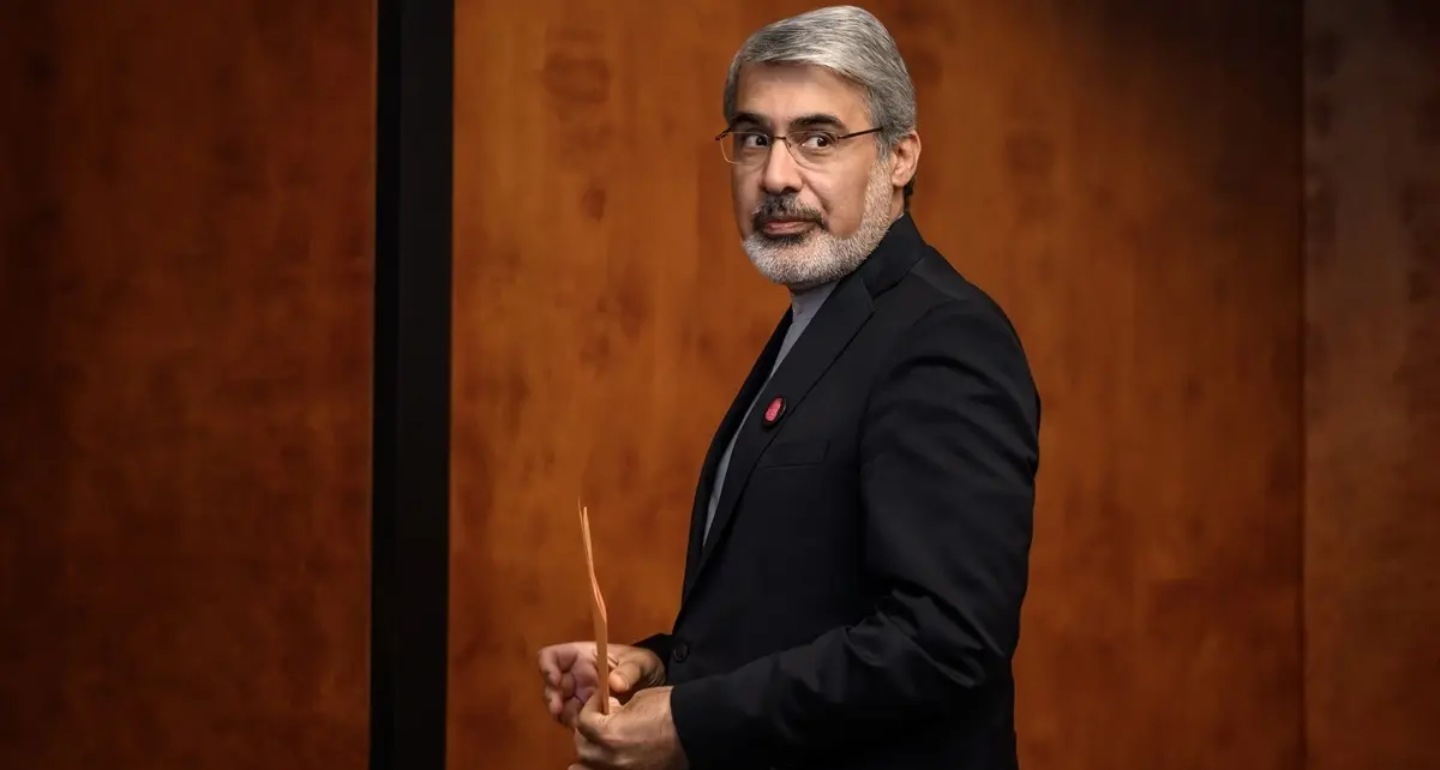
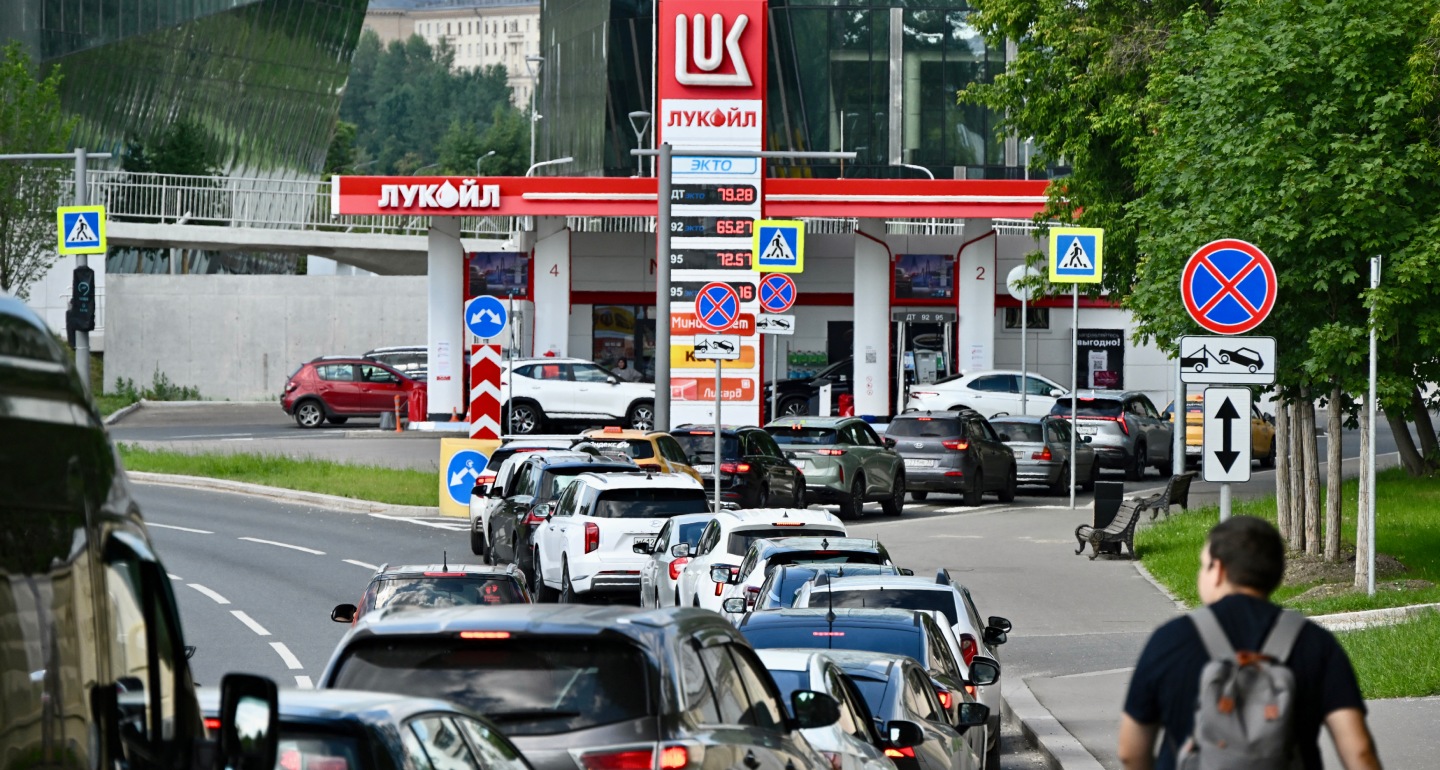
    Building Mini-Refineries Will Not Solve Russia’s Gasoline Crisis

    Official discussions about mini oil refineries are unlikely to come to anything—but the mere fact they’re happening reveals the regime is failing to deliver a functioning economy.  

      • Sergey Vakulenko

      Sergey Vakulenko

  • Commentary
    Carnegie Politika
    Parliamentary Elections in Occupied Ukraine Risk Backfiring for the Kremlin

    Despite unhappiness on the ground, Moscow is determined to use both carrot and stick to ensure there is record support for United Russia in occupied Ukraine.

      Konstantin Skorkin
  • Commentary
    Carnegie Politika
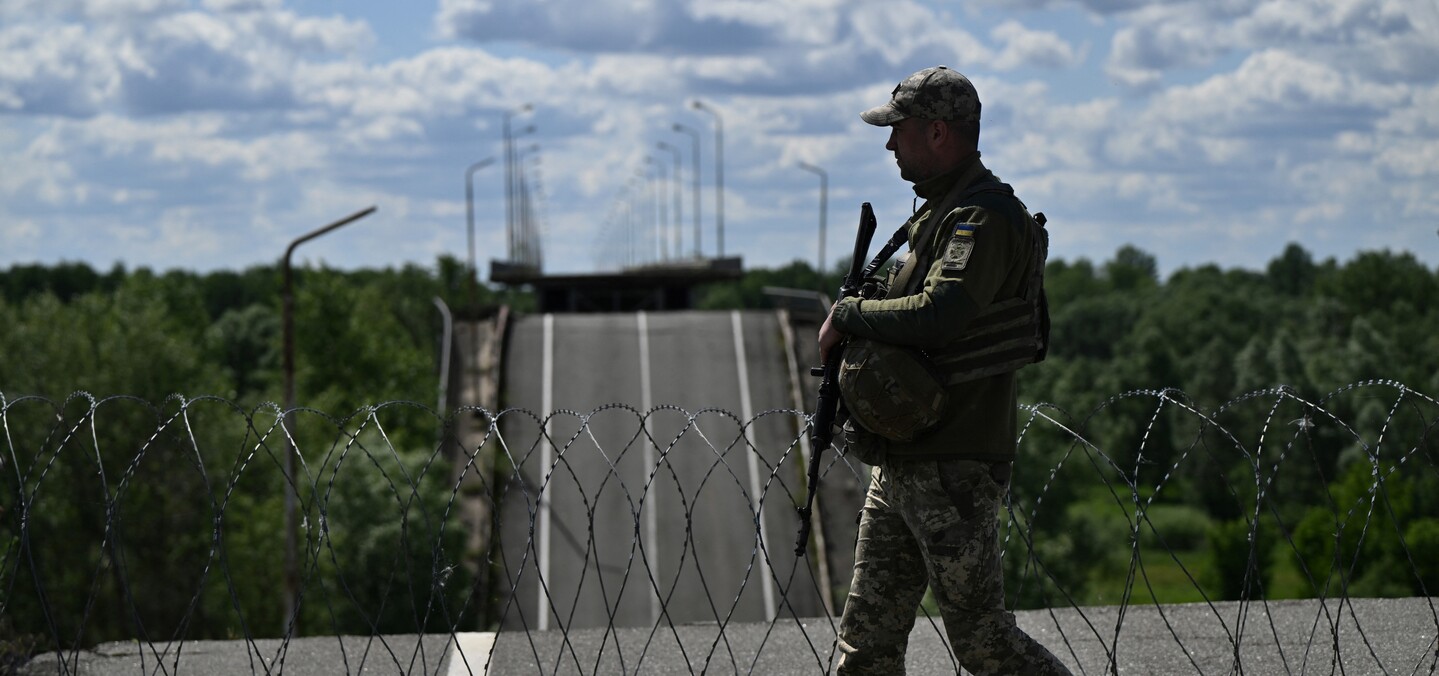
    Lukashenko’s Concessions to Kyiv Reflect Russia’s Weakness

    The recent damage inflicted by Ukrainian drones and missiles on Russia has made Belarus aware of its own vulnerabilities—and surprisingly amenable to Kyiv’s demands.

      Artyom Shraibman
  • Commentary
    Carnegie Politika
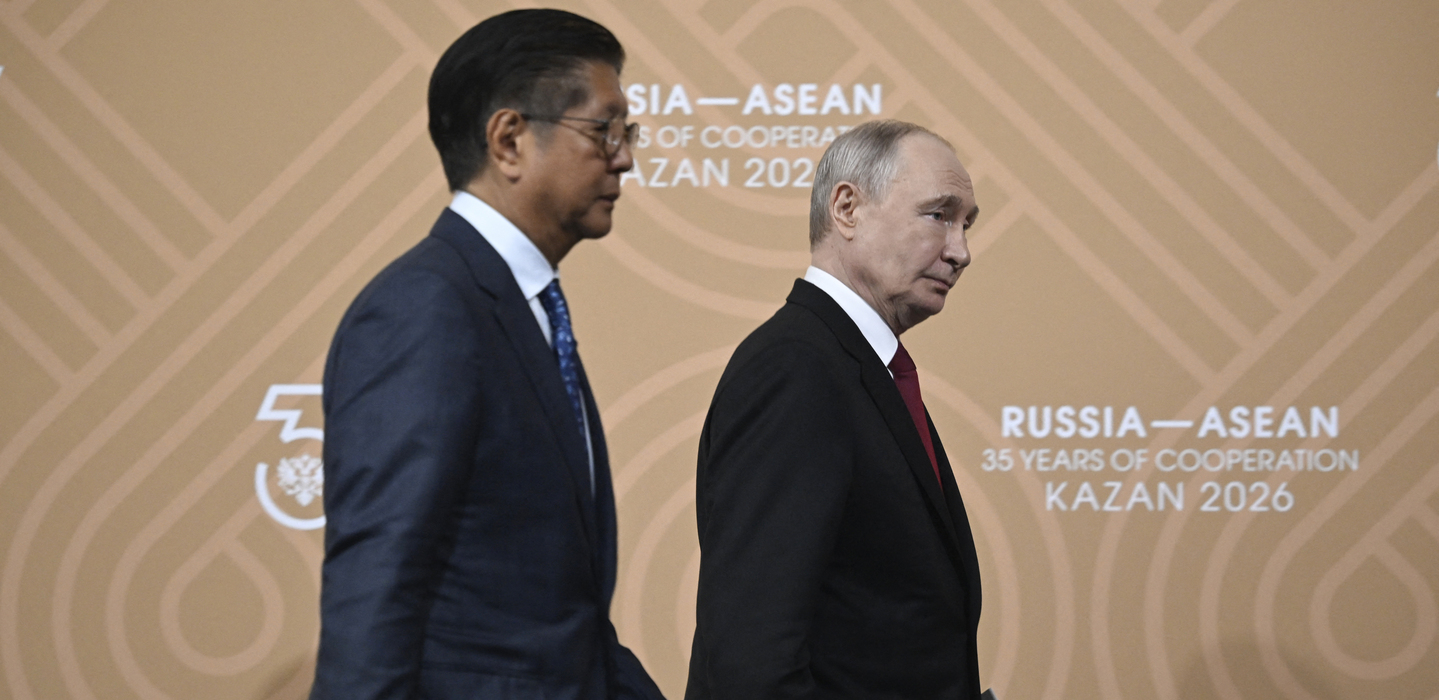
    Iran War Fallout Gifts Putin Diplomatic Victory at ASEAN Summit

    Russia looks set to reap economic benefits from closer ties with Southeast Asian countries that are keen to find reliable energy suppliers and diversify trade ties.

      • Alexander Gabuev

      Alexander Gabuev

  • Commentary
    Carnegie Politika
    Simmering U.S.-Iran Conflict Is Moscow’s Ideal Outcome

    Ongoing uncertainty in the Middle East allows Moscow to both increase its influence in Tehran and continue to enjoy the financial windfall of higher oil prices.

      Nikita Smagin

Get more news and analysis from
Carnegie Russia Eurasia Center
Carnegie Russia Eurasia logo, white
  • Research
  • Politika
  • About
  • Experts
  • Events
  • Contact
  • Privacy
  • For Media
Get more news and analysis from
Carnegie Russia Eurasia Center
© 2026 Carnegie Endowment for International Peace. All rights reserved.