• Research
  • Politika
  • About
Carnegie Russia Eurasia center logoCarnegie lettermark logo
  • Donate
{
  "authors": [],
  "type": "pressRelease",
  "centerAffiliationAll": "dc",
  "centers": [
    "Carnegie Endowment for International Peace"
  ],
  "collections": [],
  "englishNewsletterAll": "",
  "nonEnglishNewsletterAll": "",
  "primaryCenter": "Carnegie Endowment for International Peace",
  "programAffiliation": "NPP",
  "programs": [
    "Nuclear Policy"
  ],
  "projects": [],
  "regions": [],
  "topics": [
    "Nuclear Policy",
    "Nuclear Energy"
  ]
}
REQUIRED IMAGE

REQUIRED IMAGE

Press Release

Mark Hibbs, leading journalist on nuclear energy, joins Carnegie Nuclear Policy Program

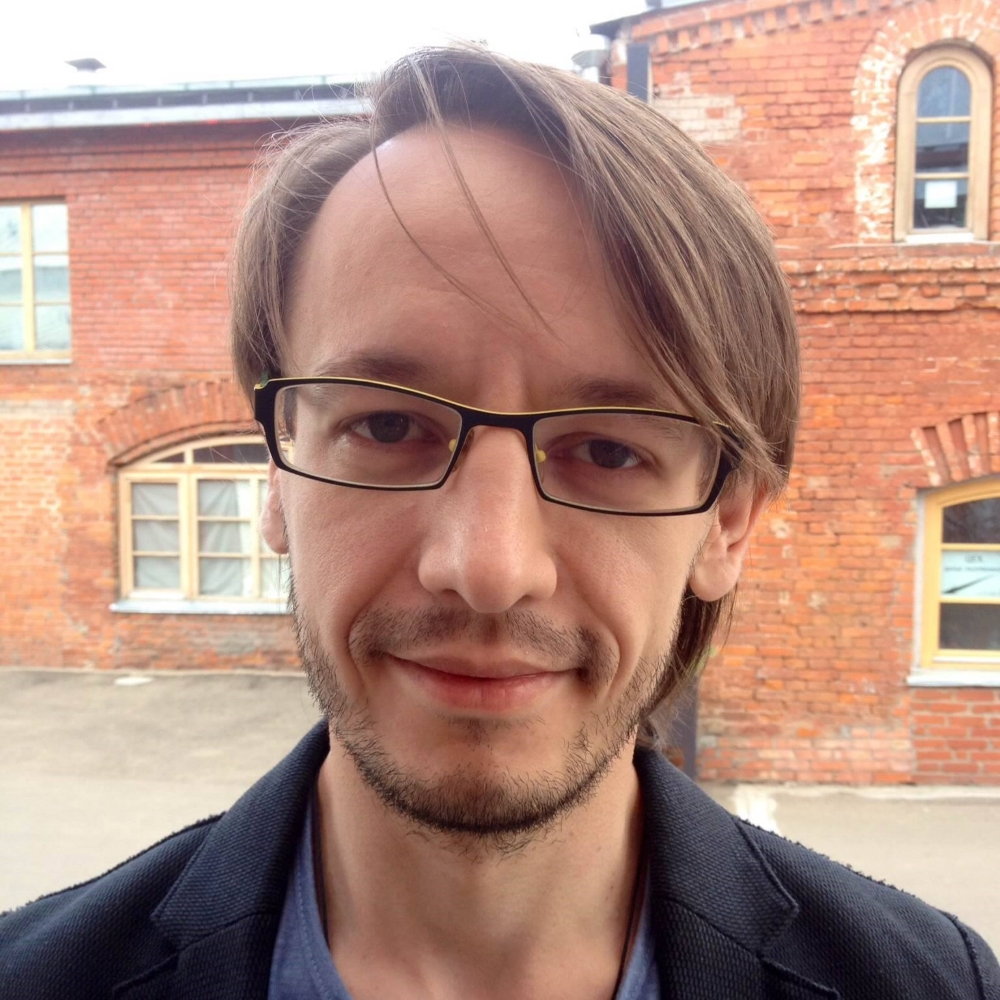
Mark Hibbs, one of the world’s most acclaimed investigative reporters on nuclear energy and proliferation, will join the Carnegie Endowment. For over two decades Hibbs has covered proliferation networks, the International Atomic Energy Agency, and nuclear trade for leading publications, including Nucleonics Week and Nuclear Fuel.

Link Copied
Published on Jan 27, 2010

WASHINGTON, Jan 27—Mark Hibbs, one of the world’s most acclaimed investigative reporters on nuclear energy and proliferation, will join the Carnegie Endowment for International Peace. For over two decades Hibbs has covered proliferation networks, the International Atomic Energy Agency, and nuclear trade for leading publications, including Nucleonics Week and Nuclear Fuel.

Making the announcement, George Perkovich, vice president for studies and director of the Carnegie Nuclear Policy Program, said:

“Mark Hibbs is a legend in the nuclear world. Governments, industry, NGOs, the media—they all know Mark as a fount of hard-to-get information and analysis on a wide range of nuclear topics. We are thrilled that Mark has joined our superb global team and that we will now be distributing his unique findings and insights.”

Hibbs, who will join the Endowment on March 1, said:

“Increasingly in recent years, many of the IAEA’s member states have seen the world’s leading nuclear agency divided between haves and have nots, and most of the conflict areas are where disarmament, nonproliferation, and the peaceful use of nuclear energy intersect. At Carnegie, I’ll work with a team of experts in all three fields, and in five locations worldwide, dedicated to attaining practical solutions to these global nuclear problems.”

Known for his reporting on emerging nuclear programs, Hibbs will focus during this year on China’s nuclear energy program, Turkey’s nuclear future, steps to improve the effectiveness of the IAEA Board of Governors, and clandestine nuclear procurement efforts.

###


NOTES

  • Mark Hibbs is a senior associate in the Carnegie Nuclear Policy Program. Before joining Carnegie, for over 20 years he was an editor and correspondent for the nuclear energy publications, including Nucleonics Week and Nuclear Fuel, published by the Platts division of the McGraw-Hill Companies.

    Hibbs joined McGraw-Hill as European editor for nuclear publications, then became editor for Asia-Pacific, and finally, in addition to his Asia-Pacific responsibilities, senior correspondent.

    From the late 1980s until the mid-1990s, he covered nuclear developments in the Soviet bloc, including research on the USSR’s nuclear fuel cycle facilities and its nuclear materials inventories. Since the mid-1990s, much of his work has focused emerging nuclear programs in Asia, including China, and India.

    Throughout the last two decades, many of the over 3,000 articles he wrote investigated nuclear proliferation-related developments in Argentina, Brazil, China, India, Iran, Iraq, Israel, Japan, Libya, North and South Korea, Pakistan, South Africa, Syria, and Taiwan.

    Since 2003 he made many detailed findings about clandestine procurement related to gas centrifuge uranium enrichment programs in Iran, Libya, North Korea, and Pakistan.

  • The Carnegie Nuclear Policy Program is an internationally acclaimed source of expertise and policy thinking on nuclear industry, nonproliferation, security, and disarmament. Its global network of staff stays at the forefront of nuclear policy issues in the United States, Russia, China, Northeast Asia, South Asia, and the Middle East.
  • Following its century-long practice of changing as global circumstances change, the Carnegie Endowment for International Peace is undertaking a fundamental redefinition of its role and mission. Carnegie aims to transform itself from a think tank on international issues to the first truly multinational—ultimately global—think tank. The Endowment has added operations in Beijing, Beirut, and Brussels to its existing centers in Washington and Moscow. These five locations include the two centers of world governance and the three places whose political evolution and international policies will most determine the near-term possibilities for international peace and economic advance. More information on the Carnegie Endowment's New Vision.
  • Press Contact: David Kampf, 202/939-2233, dkampf@ceip.org
Nuclear PolicyNuclear Energy

Carnegie does not take institutional positions on public policy issues; the views represented herein are those of the author(s) and do not necessarily reflect the views of Carnegie, its staff, or its trustees.

More Work from Carnegie Russia Eurasia Center

  • Commentary
    Carnegie Politika
    For Putin, Increasing Russia’s Nuclear Threat Matters More Than the Triad’s Modernization

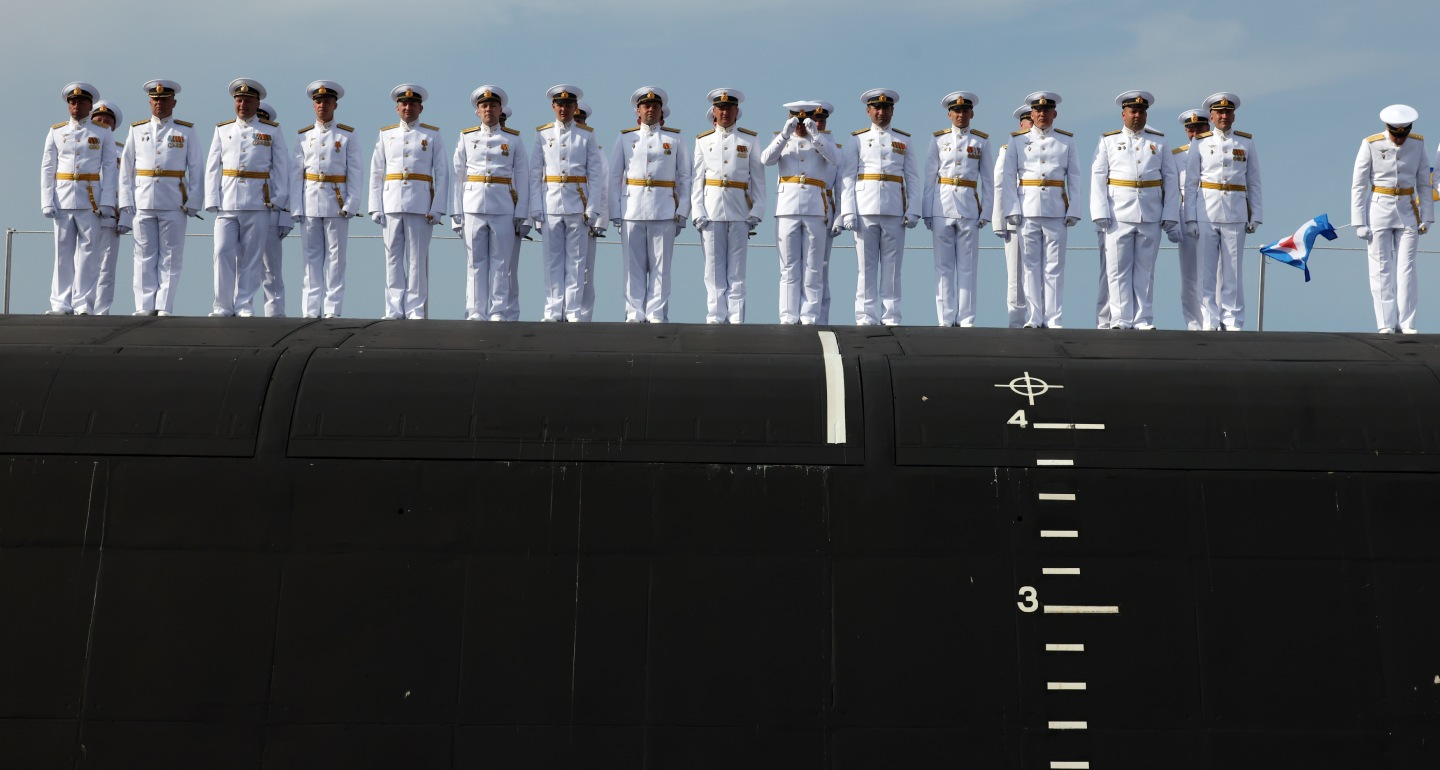
    For Putin, upgrading Russia’s nuclear forces was a secondary goal. The main aim was to gain an advantage over the West, including by strengthening the nuclear threat on all fronts. That made growth in missile arsenals and a new arms race inevitable.

      Maxim Starchak

  • Commentary
    Carnegie Politika
    Russia’s Latest Weapons Have Left Strategic Stability on the Brink of Collapse

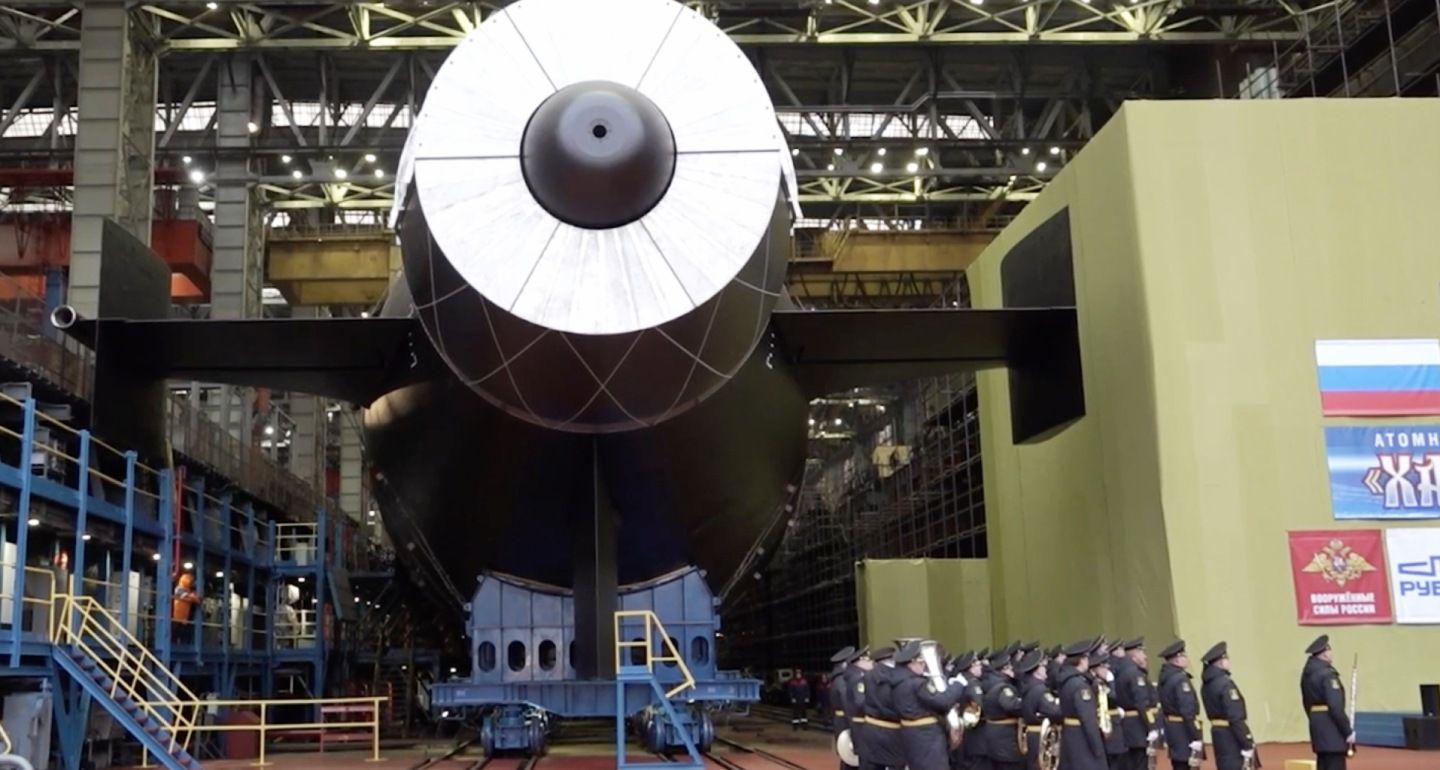
    The Kremlin will only be prepared to negotiate strategic arms limitations if it is confident it can secure significant concessions from the United States. Otherwise, meaningful dialogue is unlikely, and the international system of strategic stability will continue to teeter on the brink of total collapse.

      Maxim Starchak

  • Commentary
    Carnegie Politika
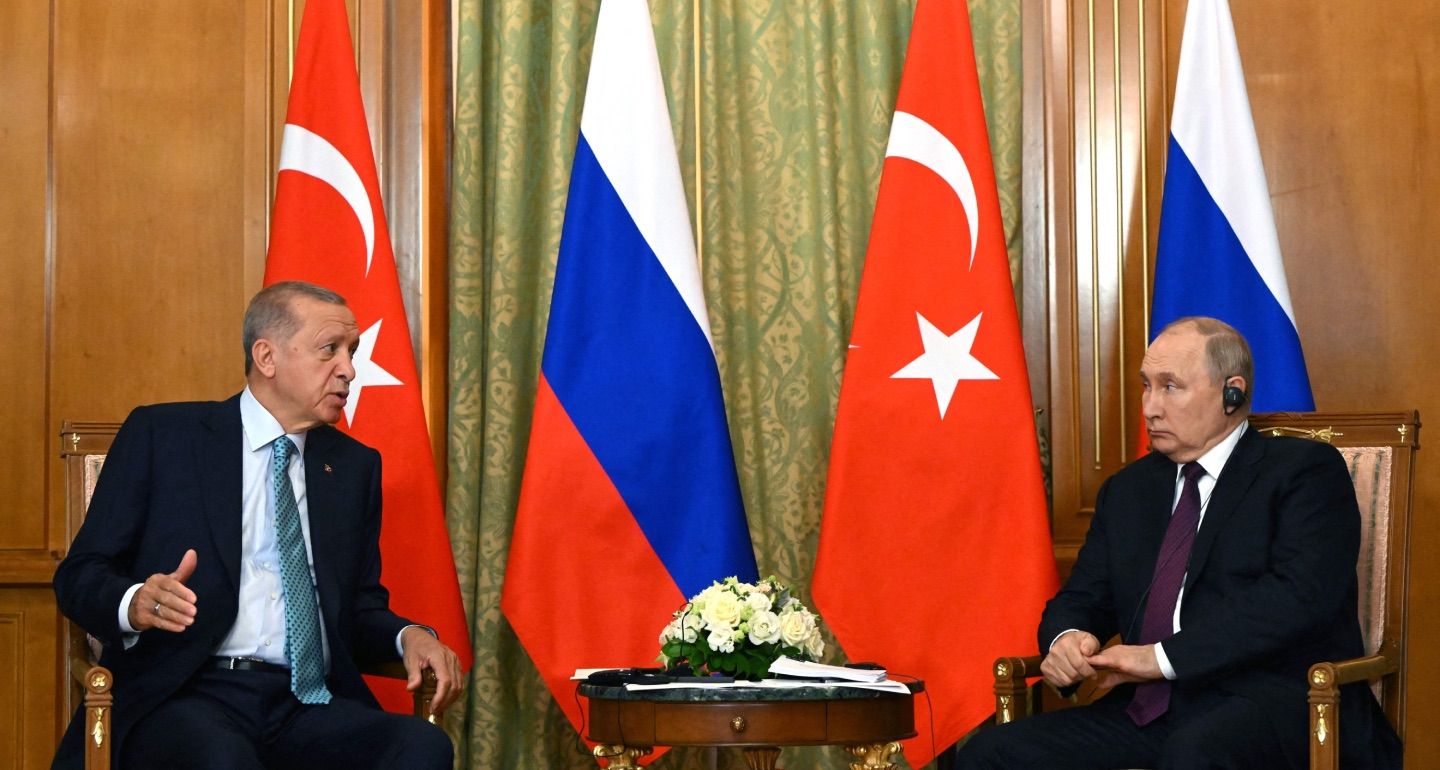
    Russia-Türkiye Ties Falter Amid Stresses of Ukraine War

    Mutual suspicion between Moscow and Ankara is growing as Türkiye cozies up to Washington and NATO while reducing its dependence on Russian energy.  

      Ruslan Suleymanov

  • Commentary
    Carnegie Politika
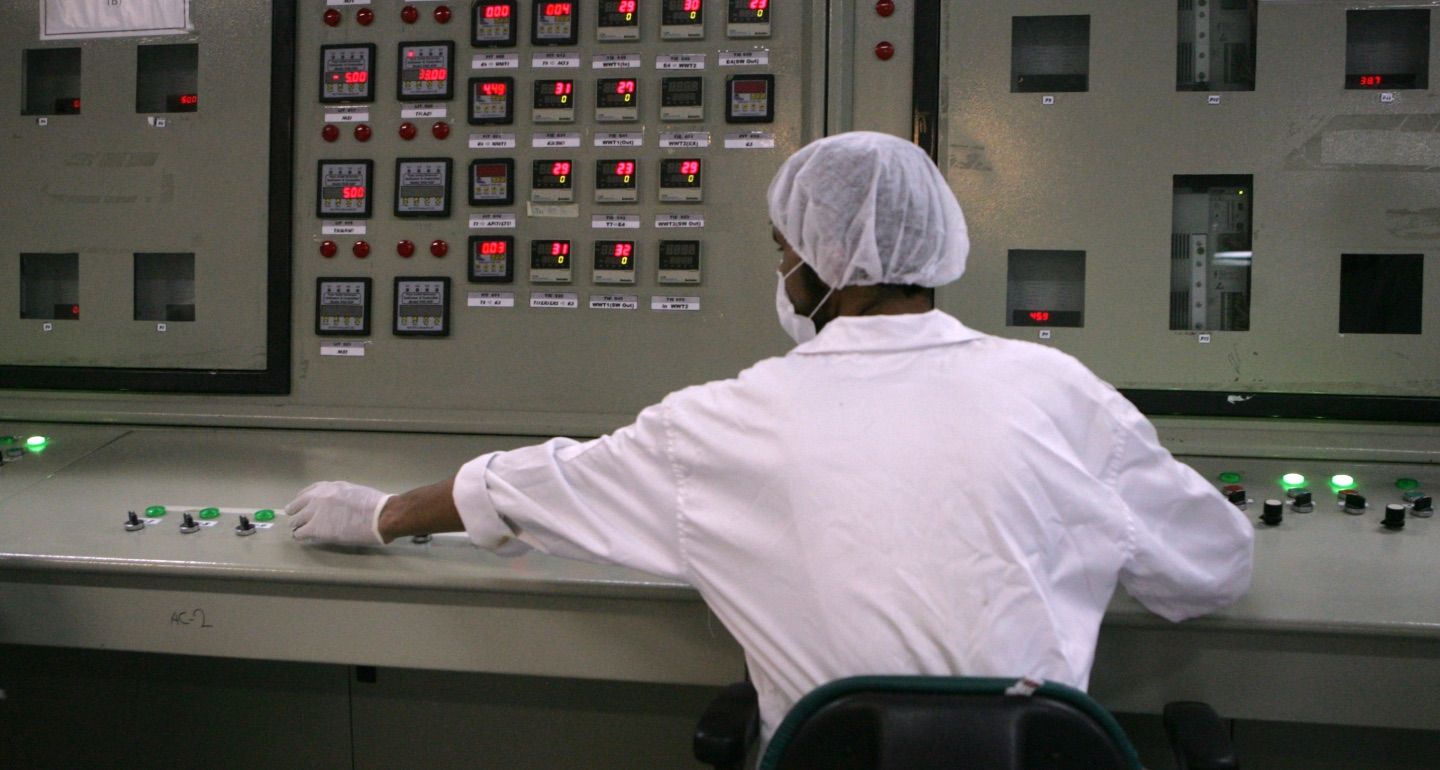
    Iran’s Twelve-Day War Has Only Boosted Its Cooperation With Russia

    Tehran’s most urgent task is to reduce the risk of further Israeli and U.S. airstrikes. Russia’s role as a deterrent in this respect is more multifaceted than simply supplying weapons, whose real impact will only become apparent many years from now.

      Nikita Smagin

  • Commentary
    Carnegie Politika
    How the Kremlin Lost Trump

    The collapse of the Budapest summit is an inevitable result of the Russian system of artificially creating foreign policy crises in order to achieve a desired outcome.

      Alexander Baunov

Get more news and analysis from
Carnegie Russia Eurasia Center
Carnegie Russia Eurasia logo, white
  • Research
  • Politika
  • About
  • Experts
  • Events
  • Contact
  • Privacy
Get more news and analysis from
Carnegie Russia Eurasia Center
© 2026 Carnegie Endowment for International Peace. All rights reserved.