

Commentary
A leak of Russian gas price data helps establish that China is paying Russia far less than Central Asian countries and Gazprom’s former European customers.
Sergey Vakulenko
{
  "authors": [
    "Dmitri Trenin",
    "Sam Greene"
  ],
  "type": "other",
  "centerAffiliationAll": "dc",
  "centers": [
    "Carnegie Endowment for International Peace",
    "Carnegie Europe",
    "Carnegie Russia Eurasia Center"
  ],
  "collections": [
    "Transatlantic Cooperation"
  ],
  "englishNewsletterAll": "ctw",
  "nonEnglishNewsletterAll": "",
  "primaryCenter": "Carnegie Russia Eurasia Center",
  "programAffiliation": "russia",
  "programs": [
    "Russia and Eurasia"
  ],
  "projects": [],
  "regions": [
    "North America",
    "United States",
    "Caucasus",
    "Russia",
    "Western Europe",
    "Europe"
  ],
  "topics": [
    "Political Reform",
    "Foreign Policy"
  ]
}
Source: Getty
Russian policy makers need to open space for public debate and engage in substantive discussions on critical global issues, and Western governments and institutions need to open the door to independent Russian voices.
The Kremlin was able to consolidate its domestic authority and assert itself globally during Russia’s economic boom, but economic, security, and governance crises have shaken Moscow’s confidence. If it is to overcome its current challenges, Moscow must begin thinking strategically. To do this, policy makers need to open space for public debate and engage in substantive discussions on critical global issues—and Western governments and institutions need to open the door to independent Russian voices—contends a new paper by Sam Greene and Dmitri Trenin.
Key Conclusions:
While these challenges must be addressed by the Russian people and their leaders, the West can help:
The authors conclude:
“If the West seeks to exploit Russia’s absence for its own competitive advantage, a future democratic Russia will rightly feel it has been mistreated, and Russia’s nationalists and isolationists will once again win the day. Eventually, Russia’s interests will have to be taken into account, and there is no reason that moment has to wait until the Kremlin learns to express them clearly and constructively.”
Former Director, Carnegie Moscow Center
Trenin was director of the Carnegie Moscow Center from 2008 to early 2022.

Former Deputy Director for Operations, Moscow Center
Sam Greene was a deputy director for operations at the Moscow Center. He joined the Moscow Center in 2005. Previously, he was senior media program advisor for the New Eurasia Foundation, and a London and Moscow correspondent for FT Business.
Carnegie does not take institutional positions on public policy issues; the views represented herein are those of the author(s) and do not necessarily reflect the views of Carnegie, its staff, or its trustees.
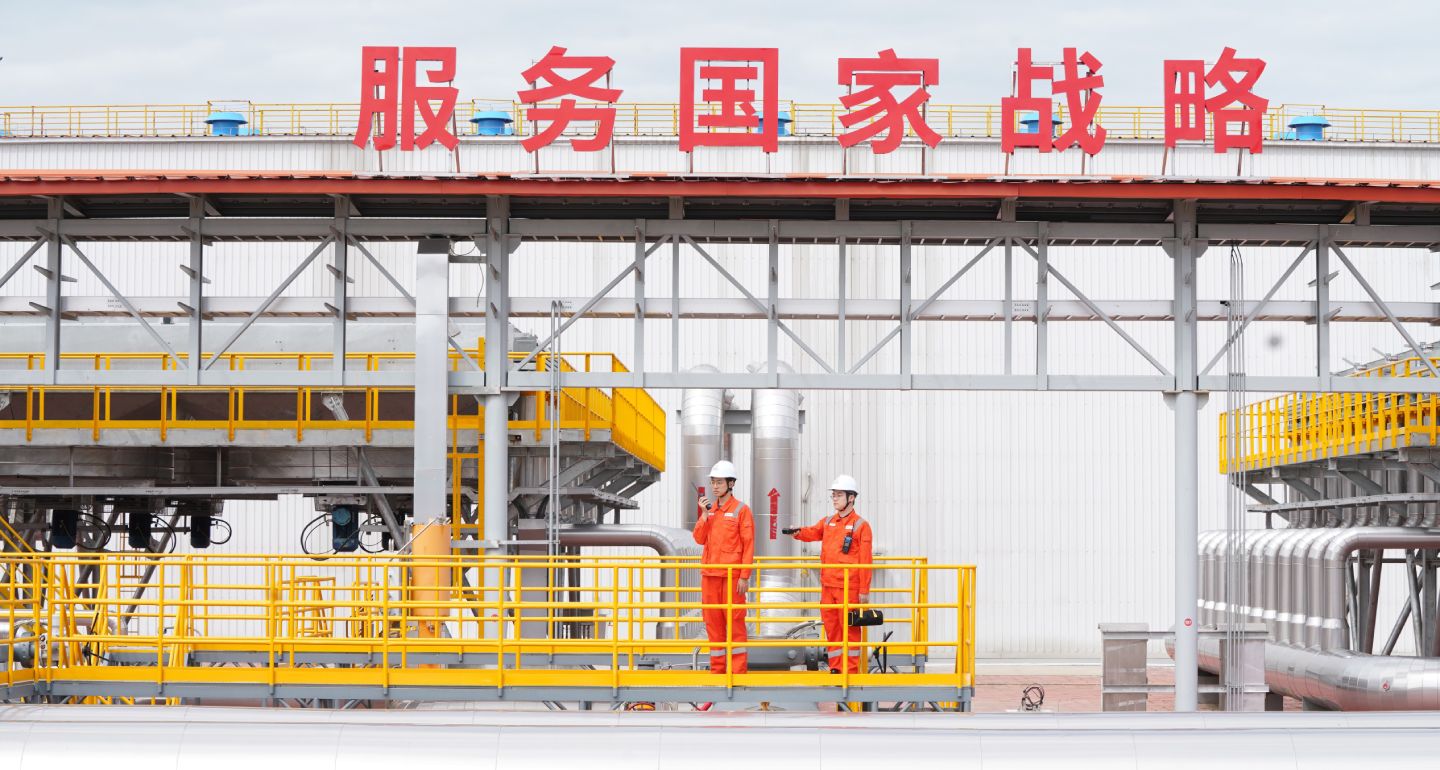
A leak of Russian gas price data helps establish that China is paying Russia far less than Central Asian countries and Gazprom’s former European customers.

Sergey Vakulenko

Japan’s long-term security policy is driven by concerns about China, and there is little appetite for (or interest in) pursuing a confrontation with Moscow.

James D.J. Brown

The truth of the strategic situation is that Europe and Russia are extremely unlikely to be able to “turn the page” on their confrontation within the next two decades.

Arkady Moshes
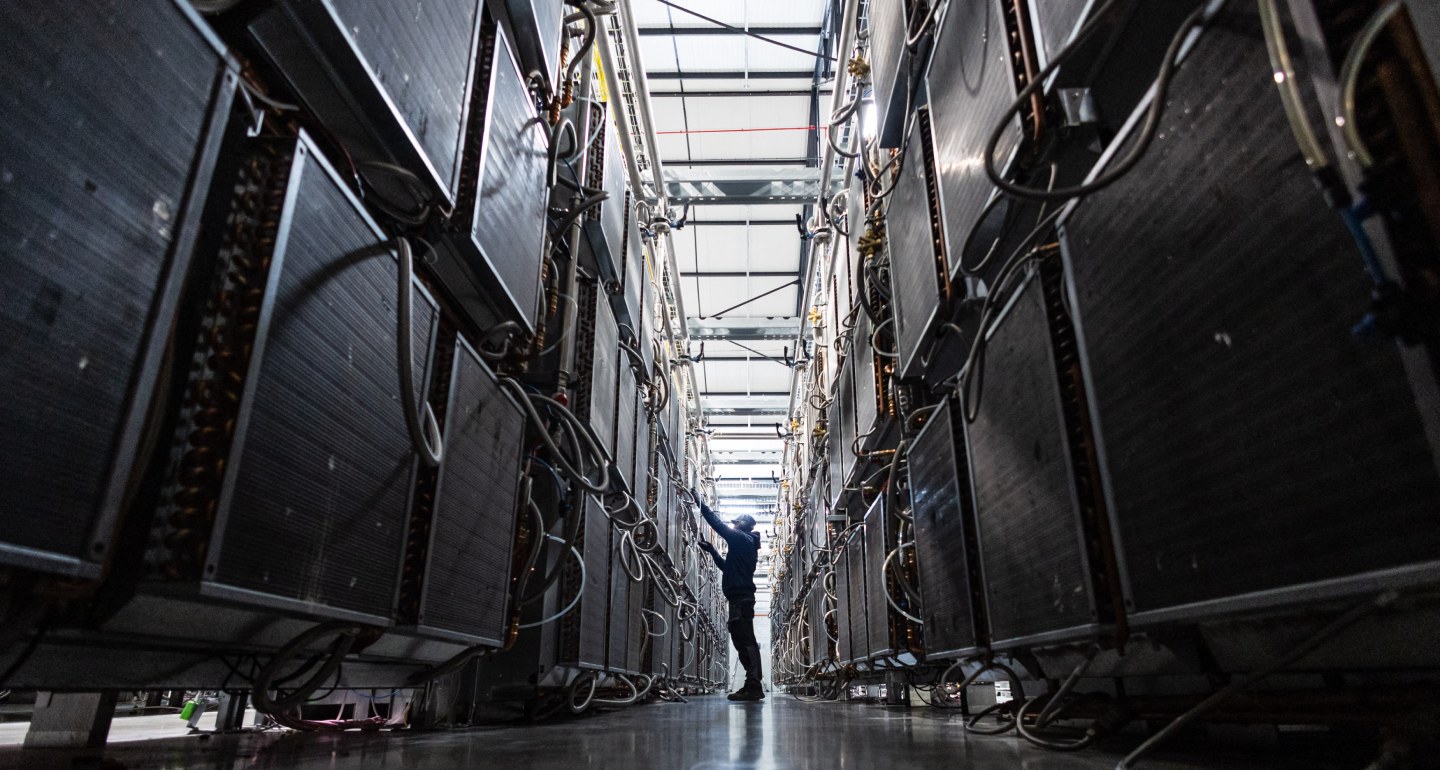
Russia spent years building a “sovereign internet,” concentrating web infrastructure exclusively within Russian territory. Ukrainian drone attacks have shown how vulnerable that approach has left the Russian internet.

Maria Kolomychenko

Putin’s conservative staffing policies and search for ever greater control have cemented parliament’s transformation into a bureaucratic appendage of the executive branch.

Andrey Pertsev