

Q&A
Christopher Boucek
{
  "authors": [
    "Christopher Boucek"
  ],
  "type": "legacyinthemedia",
  "centerAffiliationAll": "dc",
  "centers": [
    "Carnegie Endowment for International Peace"
  ],
  "collections": [],
  "englishNewsletterAll": "menaTransitions",
  "nonEnglishNewsletterAll": "",
  "primaryCenter": "Carnegie Endowment for International Peace",
  "programAffiliation": "MEP",
  "programs": [
    "Middle East"
  ],
  "projects": [],
  "regions": [
    "Middle East",
    "Yemen"
  ],
  "topics": [
    "Political Reform",
    "Economy",
    "Security",
    "Foreign Policy"
  ]
}
Source: Getty
Yemen faces a host of economic and security challenges. In order to stabilize the country, a proper balance of short term counterterrorism measures and long term development assistance is needed.
Source: BBC's World News America
Yemen faces a unique confluence of crises, with a failing economy that is running out of oil and water, 35 percent unemployment, massive population growth and a lack of cohesive central authority to govern and provide services to the whole country. Al-Qaeda has taken root in the areas beyond the reach of the Yemeni government. While the international community has long known of these multiple economic and security crises in Yemen, it is only now that serious attention is being paid to the country.
In order to face these challenges, Yemen is in dire need of both short and long term support from the United States and the international community. In the short term, intelligence sharing and technical cooperation are needed to help perform counter-terrorism measures. However, “it is not al-Qaeda that will doom Yemen. In order to stabilize the country, economic, resource, and human security issues must be addressed,” notes Christopher Boucek.
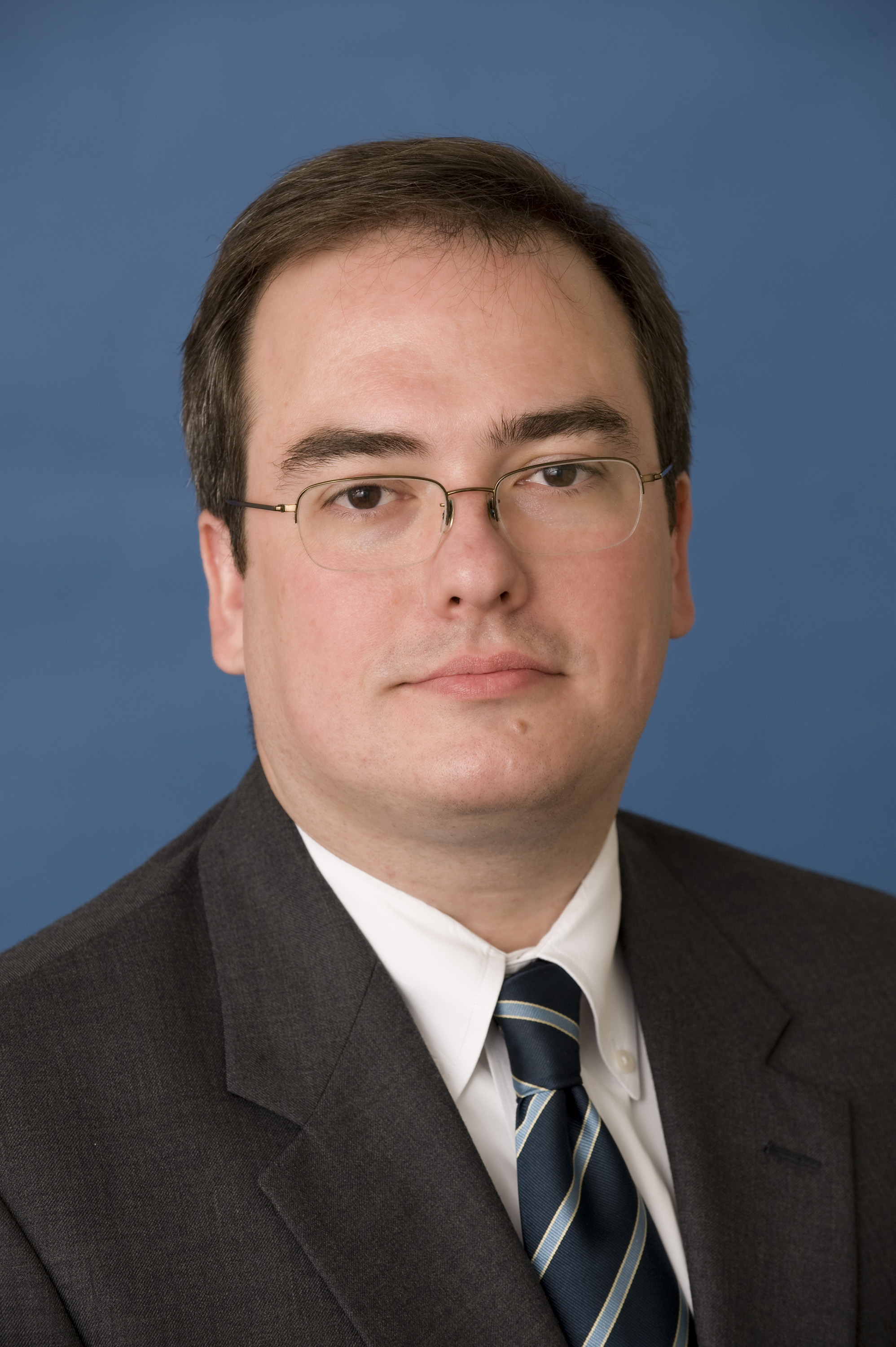
Former Associate, Middle East Program
Boucek was an associate in the Carnegie Middle East Program where his research focused on security challenges in the Arabian Peninsula and Northern Africa.
Recent Work
Christopher Boucek

Christopher Boucek, Karim Sadjadpour
Carnegie does not take institutional positions on public policy issues; the views represented herein are those of the author(s) and do not necessarily reflect the views of Carnegie, its staff, or its trustees.

For every ruble allocated to social policy, health, and education in 2027, double that amount is earmarked for the army, the police, and the security services.

Alexandra Prokopenko

Cargo traffic through Russia’s Northern Sea Route has increased because of the disruption caused by the conflict in the Middle East, the Ukraine war, and U.S.-China tensions.

Mikhail Korostikov

Sergei Kiriyenko used Russia’s parliamentary vote to further hone his strategy of corporate mobilization that is designed to maximize votes for United Russia.

Andrey Pertsev

The European far right might fail to steer EU policy in the direction Russia wants, but they will create enough chaos inside Europe to benefit the Kremlin.

Dimitar Bechev

Minsk clearly expected the dialogue with Washington to yield more results, in particular the lifting of EU sanctions and permission to export potash.

Artyom Shraibman