

Commentary
Trump has promised Belarus a massive potash deal. But Minsk is seeking something greater: restored Western transit and greater room for maneuver from Russia.
Balázs Jarábik
{
  "authors": [],
  "type": "pressRelease",
  "centerAffiliationAll": "dc",
  "centers": [
    "Carnegie Endowment for International Peace"
  ],
  "collections": [
    "U.S. Nuclear Policy"
  ],
  "englishNewsletterAll": "ctw",
  "nonEnglishNewsletterAll": "",
  "primaryCenter": "Carnegie Endowment for International Peace",
  "programAffiliation": "NPP",
  "programs": [
    "Nuclear Policy"
  ],
  "projects": [],
  "regions": [
    "United States",
    "Western Europe",
    "Germany"
  ],
  "topics": [
    "Nuclear Policy"
  ]
}
REQUIRED IMAGE
The London-based Centre for European Reform released a brief by Franklin Miller, George Robertson, and Kori Schake criticizing the new German government for proposing the withdrawal of all U.S. nuclear weapons from Germany. The authors’ international standing makes their essay worthy of debate.
WASHINGTON, Feb 17— The London-based Centre for European Reform released a brief last week by Franklin Miller, George Robertson, and Kori Schake criticizing the new German government for proposing the withdrawal of all U.S. nuclear weapons from Germany. The authors’ international standing makes their essay worthy of debate. A new paper by George Perkovich analyzes their main arguments.
Key Conclusions
“Thinking in terms of nuclear deterrence, and especially in terms of bombs on German soil, obscures the broader challenge of reinvigorating NATO and extending deterrence against lower-scale threats,” writes Perkovich. “The moral hazard in Europe today is not in taking useless tactical nuclear weapons out, it is in pretending that they can protect allies from twenty-first century threats and doing too little in the meantime to develop capabilities and diplomatic strategies to deny those threats.”
###
NOTES
Carnegie does not take institutional positions on public policy issues; the views represented herein are those of the author(s) and do not necessarily reflect the views of Carnegie, its staff, or its trustees.

Trump has promised Belarus a massive potash deal. But Minsk is seeking something greater: restored Western transit and greater room for maneuver from Russia.

Balázs Jarábik

Minsk clearly expected the dialogue with Washington to yield more results, in particular the lifting of EU sanctions and permission to export potash.

Artyom Shraibman

Ongoing uncertainty in the Middle East allows Moscow to both increase its influence in Tehran and continue to enjoy the financial windfall of higher oil prices.

Nikita Smagin

Governments in Estonia, Latvia, and Lithuania want to ensure that a U.S. military withdrawal would not leave them dangerously exposed to a Russian attack.

Sergejs Potapkins
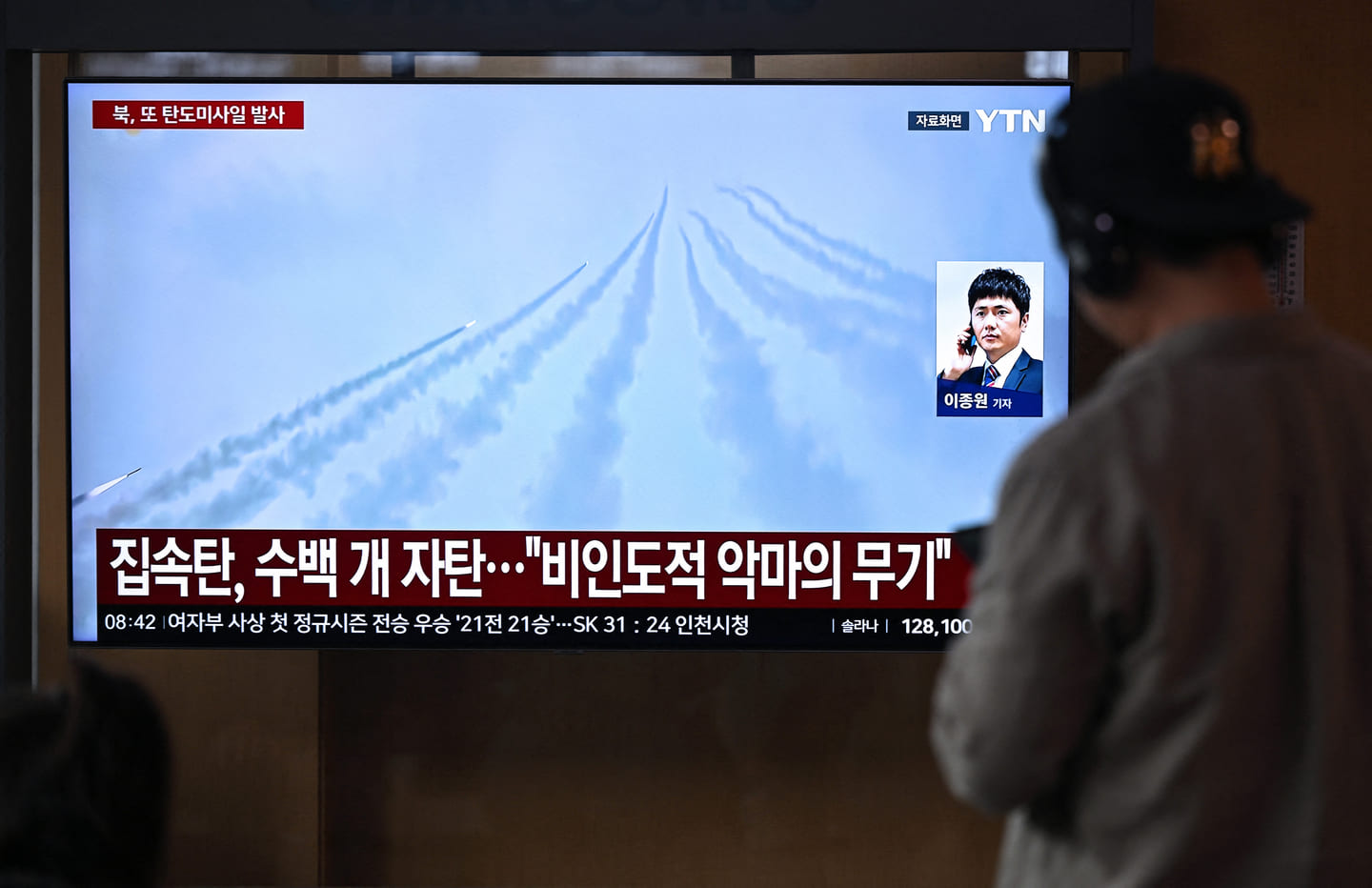
Troubled by the growing salience of nuclear debates in East Asia, Moscow has responded in its usual way: with condemnation and threats. But by exacerbating insecurity, Russia is forcing South Korea and Japan to consider radical security options.

James D.J. Brown