


Commentary
While France and Australia are seeking to establish the legal obligations of messaging apps like Telegram, Russia wants total subordination.
Maria Kolomychenko
{
  "authors": [],
  "type": "pressRelease",
  "centerAffiliationAll": "dc",
  "centers": [
    "Carnegie Endowment for International Peace"
  ],
  "collections": [
    "U.S. Nuclear Policy",
    "Korean Peninsula"
  ],
  "englishNewsletterAll": "ctw",
  "nonEnglishNewsletterAll": "",
  "primaryCenter": "Carnegie Endowment for International Peace",
  "programAffiliation": "NPP",
  "programs": [
    "Nuclear Policy"
  ],
  "projects": [],
  "regions": [
    "United States",
    "Israel",
    "India",
    "Pakistan",
    "South Korea",
    "China",
    "Russia",
    "United Kingdom",
    "France"
  ],
  "topics": [
    "Foreign Policy",
    "Nuclear Policy",
    "Nuclear Energy"
  ]
}
REQUIRED IMAGE
In Prague, President Obama declared America’s commitment to seeking a world free of nuclear weapons. Obama’s vision has been misinterpreted by the right and the left and, more importantly, key countries have not done enough to help achieve progress. George Perkovich analyzes, country by country, reactions to Obama’s nuclear agenda.
WASHINGTON, Apr 5—A year ago in Prague President Obama declared America’s commitment to seeking a world free of nuclear weapons. Obama’s vision has been misinterpreted by the right and the left and, more importantly, key countries have not done enough to help achieve progress, concludes a new paper by George Perkovich that analyzes, country by country, reactions to Obama’s nuclear agenda.
The landmark speech presented an agenda for nuclear disarmament, nonproliferation, and counterterrorism. Upcoming events—the results of the Nuclear Posture Review, the Nuclear Security Summit in Washington, the Non-Proliferation Treaty (NPT) Review Conference in New York, and the ratification of the new START treaty between the United States and Russia—will show whether other leaders in the United States and around the world are willing to join Obama.
Key Conclusions
We have a “talented president ready to lead a long-term campaign to remove the existential threats posed by nuclear weapons, but as yet lacking sufficient colleagues and followers to make it happen,” writes Perkovich. “To get from here to there—from today’s world to one without nuclear weapons—requires a collection of leaders willing to do the unglamorous, complicated work of strengthening cooperation and rules one year at a time.”
###
NOTES
Carnegie does not take institutional positions on public policy issues; the views represented herein are those of the author(s) and do not necessarily reflect the views of Carnegie, its staff, or its trustees.
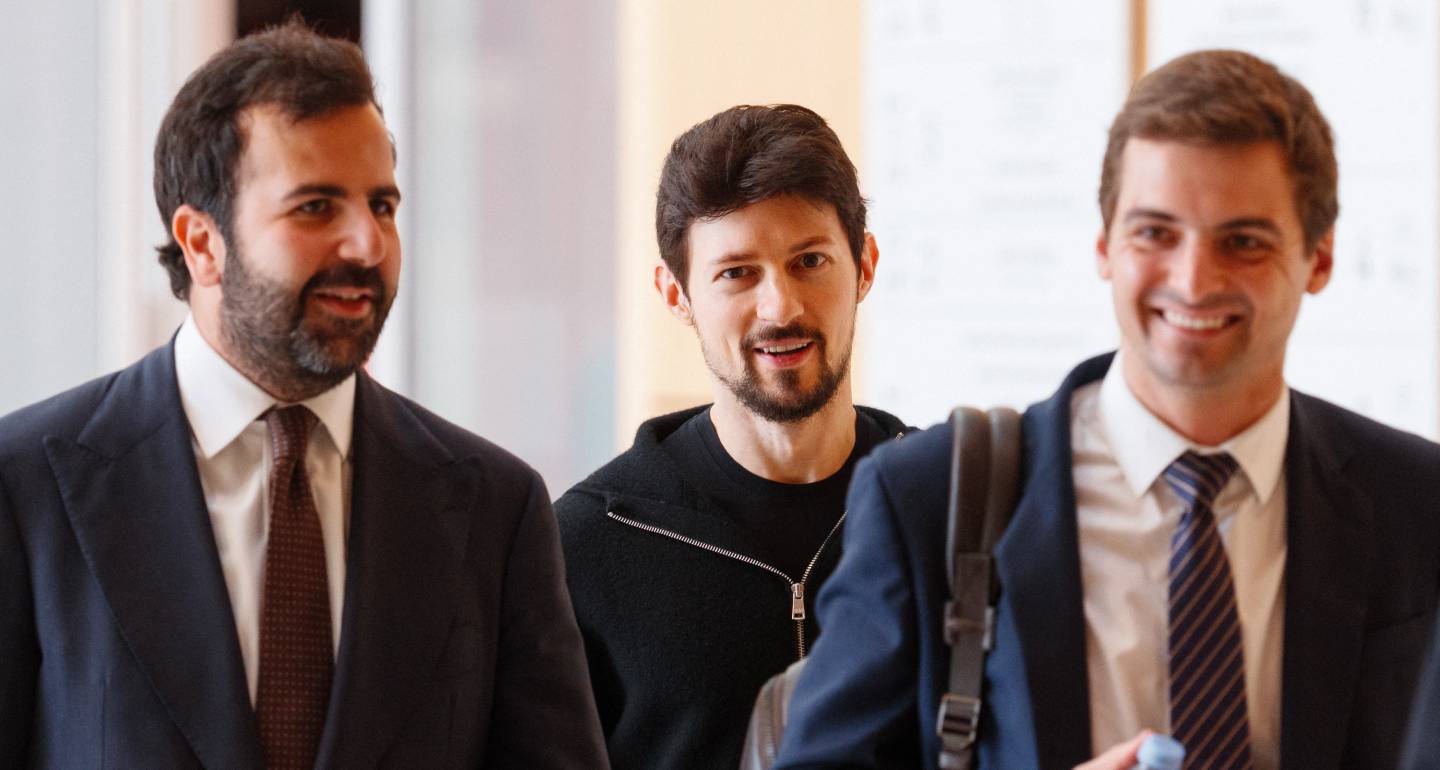
While France and Australia are seeking to establish the legal obligations of messaging apps like Telegram, Russia wants total subordination.

Maria Kolomychenko
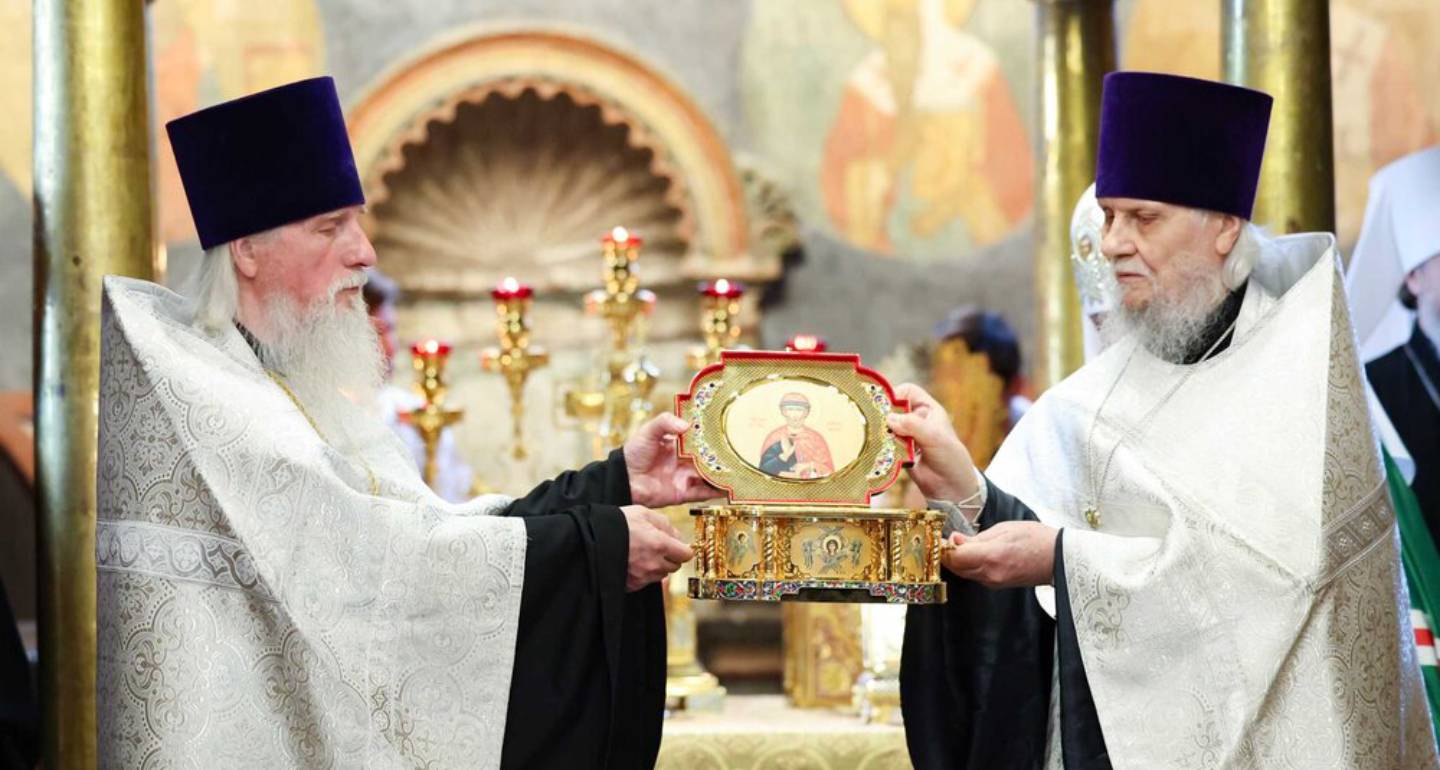
The recent uncovering of Dmitry Donskoy’s relics in the Cathedral of the Archangel is yet another attempt by the Russian Orthodox Church to help the state solve its problems. However, parroting the state’s version of Russian history leaves the Church with no message except “patriotism.”
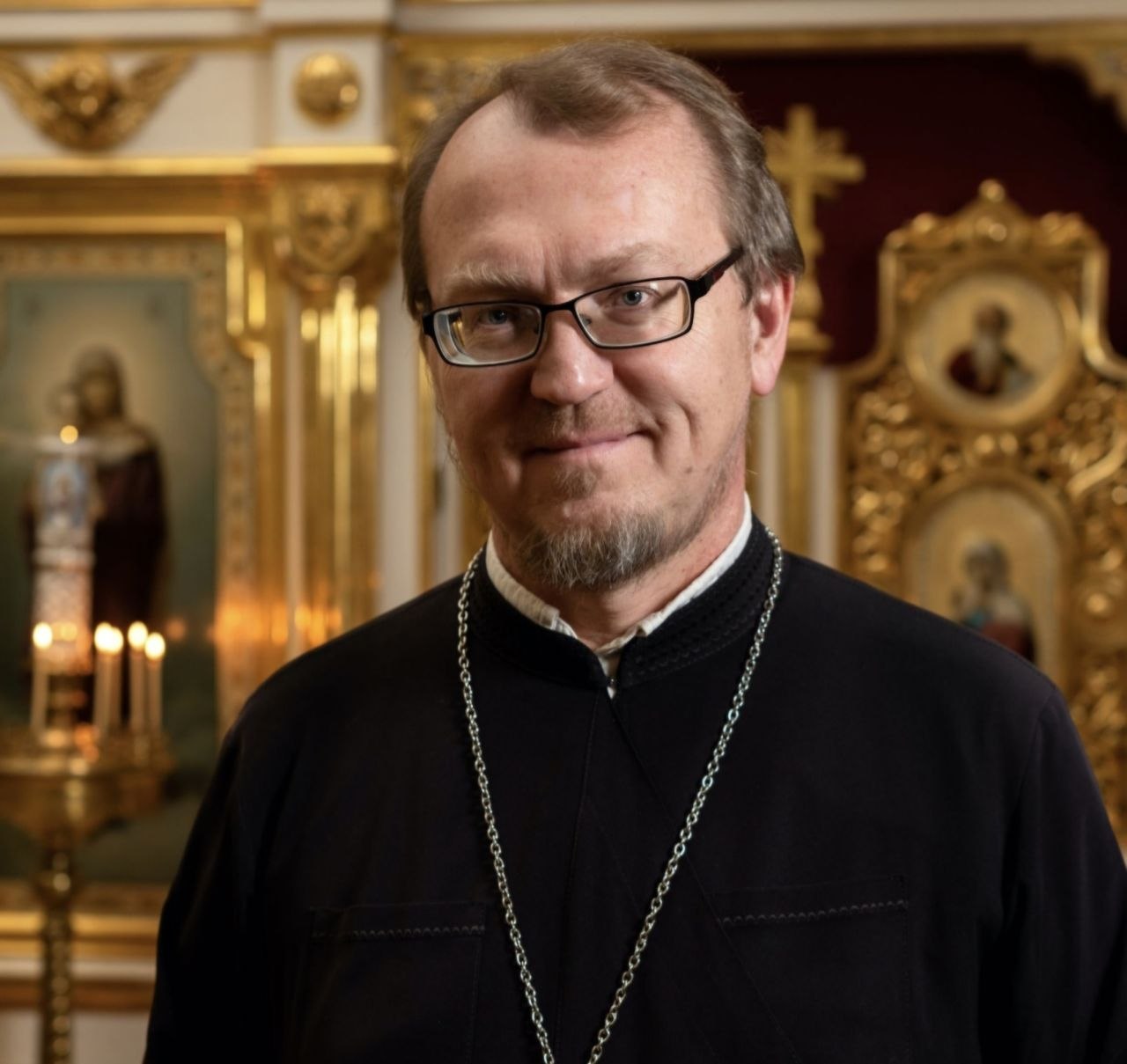
Alexander Zanemonets

With the growth in points of friction between the great powers, organizations like the SCO will continue to play a role in the strategic adaptation of the smaller powers caught between them.

Temur Umarov

The war in Ukraine and a change in ownership led VK to neglect its commercial ventures in favor of implementing the Kremlin’s online agenda. Now it’s been sanctioned by the EU.
Maria Kolomychenko
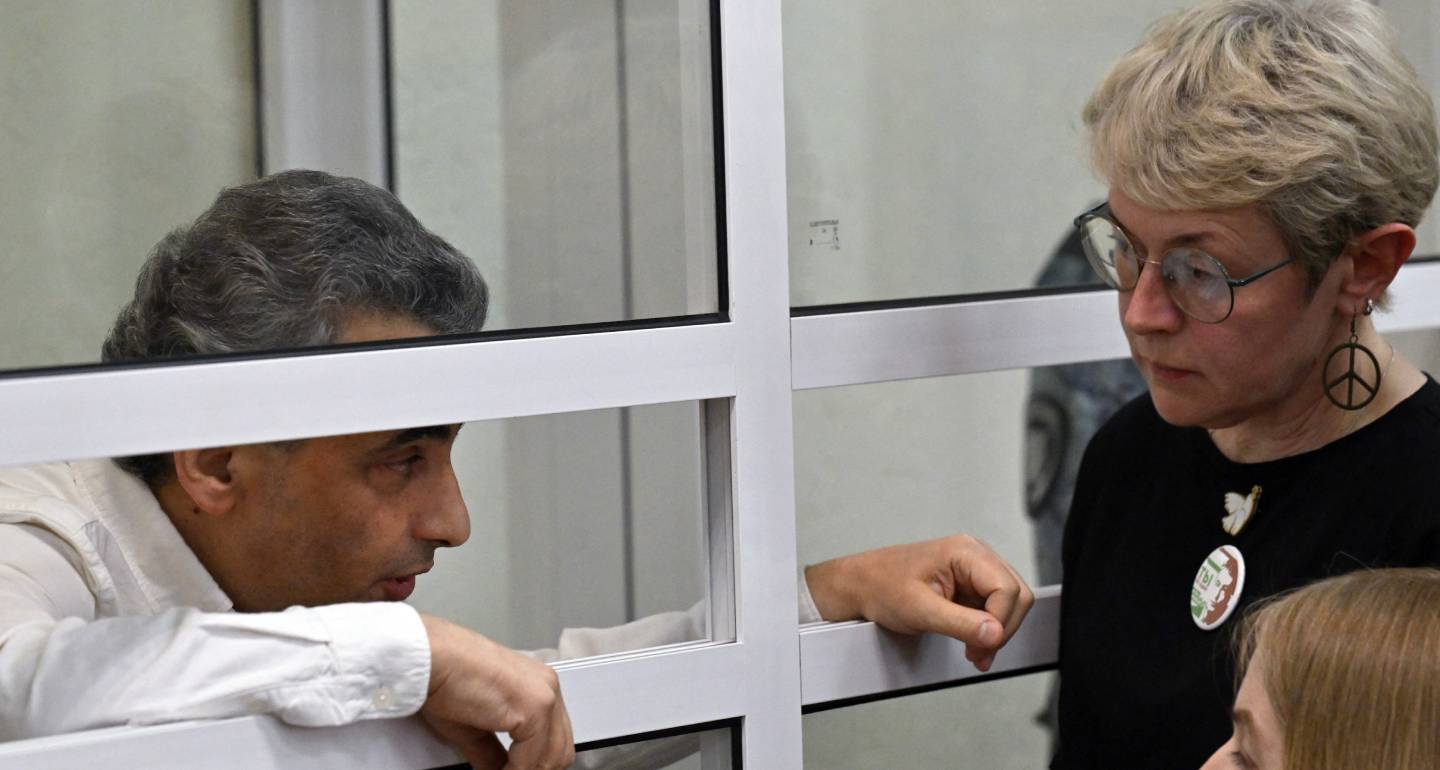
A regime founded on force, coercion, and repression does not want its propaganda, with all its flaws of logic, omissions, and outright lies, to be competing with the most simple of all messages: Thou shalt not kill.

Leonid Bershidsky