

Commentary
Trump has promised Belarus a massive potash deal. But Minsk is seeking something greater: restored Western transit and greater room for maneuver from Russia.
Balázs Jarábik
{
  "authors": [
    "Uri Dadush",
    "Shimelse Ali"
  ],
  "type": "other",
  "centerAffiliationAll": "",
  "centers": [
    "Carnegie Endowment for International Peace"
  ],
  "collections": [],
  "englishNewsletterAll": "",
  "nonEnglishNewsletterAll": "",
  "primaryCenter": "Carnegie Endowment for International Peace",
  "programAffiliation": "",
  "programs": [],
  "projects": [],
  "regions": [
    "North America"
  ],
  "topics": [
    "Economy",
    "Trade"
  ]
}
Source: Getty
Developing countries already play a substantial role in world trade, and their significance is only expected to rise. As they diversify and grow as export markets, emerging economies will come to dominate international trade.
Developing countries are growing rapidly, and long term projections suggest that their rising economic weight will transform world trade. As these emerging economies diversify and become increasingly important export markets, they will come to dominate international trade.

Former Senior Associate, International Economics Program
Dadush was a senior associate at the Carnegie Endowment for International Peace. He focuses on trends in the global economy and is currently tracking developments in the eurozone crisis.
Shimelse Ali
Carnegie does not take institutional positions on public policy issues; the views represented herein are those of the author(s) and do not necessarily reflect the views of Carnegie, its staff, or its trustees.

Trump has promised Belarus a massive potash deal. But Minsk is seeking something greater: restored Western transit and greater room for maneuver from Russia.

Balázs Jarábik

Depleted financial reserves and a shrinking tax base mean it is no longer possible to simultaneously deliver high defense spending, price stability, and economic growth.

Alexandra Prokopenko

When faced with fuel shortages in the past, Central Asian governments could always count on additional supplies from Moscow. That safety net no longer exists.

Galiya Ibragimova

Russia looks set to reap economic benefits from closer ties with Southeast Asian countries that are keen to find reliable energy suppliers and diversify trade ties.

Alexander Gabuev
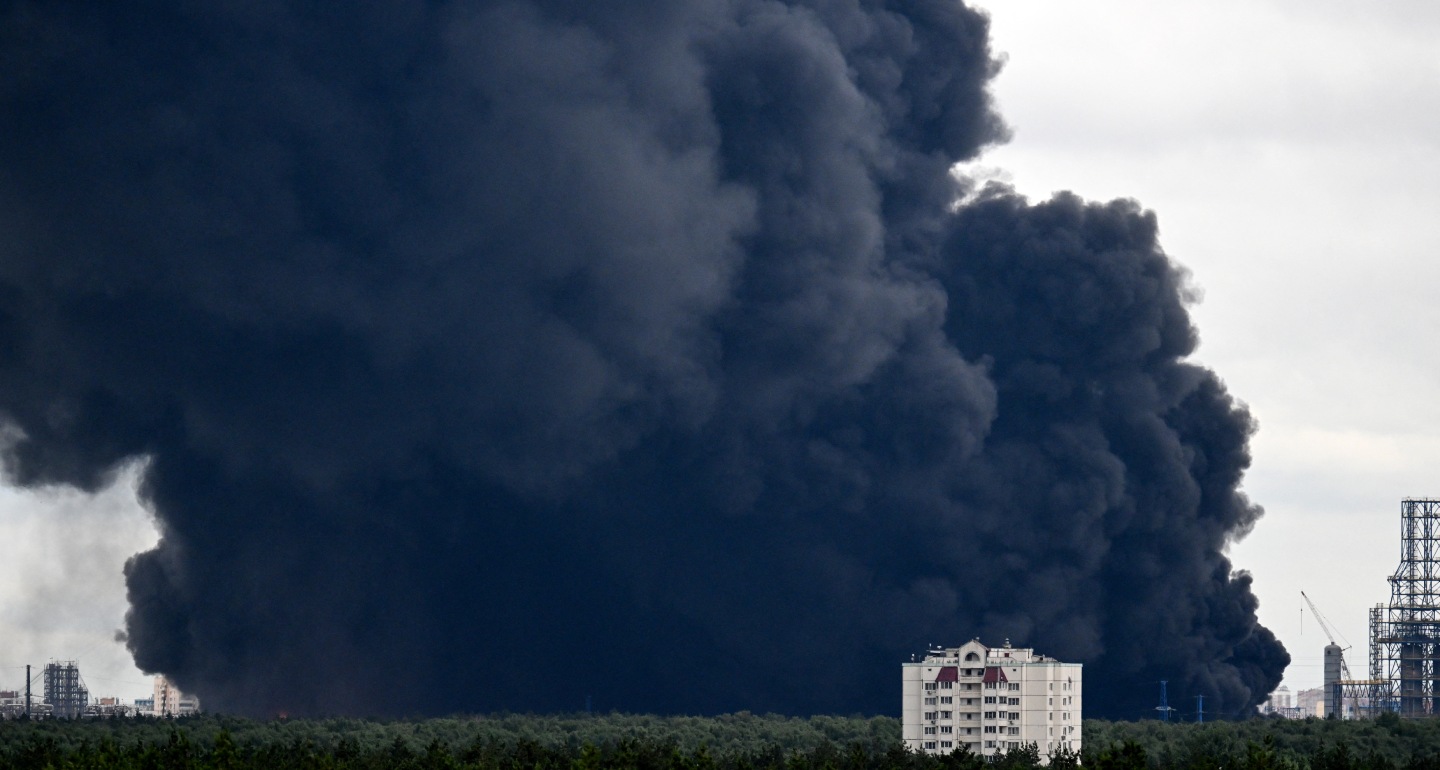
If it proves impossible for the Russian authorities to avoid a gasoline deficit, the question then becomes how they will organize the distribution of a scarce resource.

Sergey Vakulenko