

Commentary
Dmitri Trenin
{
  "authors": [
    "Dmitri Trenin"
  ],
  "type": "legacyinthemedia",
  "centerAffiliationAll": "",
  "centers": [
    "Carnegie Endowment for International Peace",
    "Carnegie Europe",
    "Carnegie Russia Eurasia Center"
  ],
  "collections": [],
  "englishNewsletterAll": "",
  "nonEnglishNewsletterAll": "",
  "primaryCenter": "Carnegie Russia Eurasia Center",
  "programAffiliation": "",
  "programs": [],
  "projects": [],
  "regions": [
    "Caucasus",
    "Russia",
    "Georgia",
    "Eastern Europe"
  ],
  "topics": [
    "Foreign Policy"
  ]
}
Source: Getty
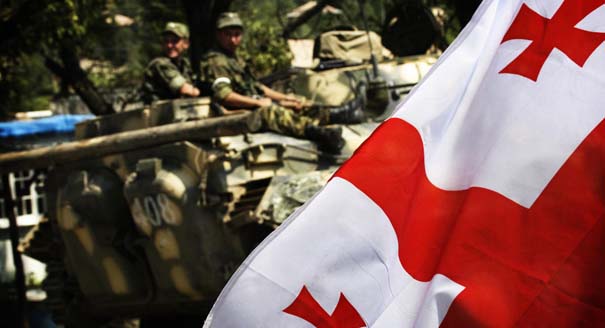
The Russian government should use soft power to win back sympathy from the Georgian population in preparation for the end of Georgian President Saakashvili’s term in office in 2013.
Source: The Moscow Times

This chilling sense of insecurity pushed both sides to change their foreign policies. U.S. President Barack Obama hit the “reset,” and Moscow came up with the notion of “modernization alliances” with the United States and Europe.
In this seemingly happier world, Georgia has not been forgotten, but it was securely “bracketed,” to use diplomatic jargon. Although the White House and the Kremlin have agreed to disagree on Georgia and the independence of South Ossetia and Abkhazia, the new relationship has still allowed them to work together on more pressing items on the agenda — namely, Iran, Afghanistan, nonproliferation, arms control and attracting technology transfers.
For the past two years, things have been rather quiet on the Caucasus front, despite the periodic media scares. Indeed, the second anniversary of the war has been allowed to advance without a threat of a new military conflict arising. Russia has taken over Abkhazia’s and South Ossetia’s borders with Georgia, thus reducing the risk of unauthorized provocations. At the same time, European Union monitors have been observing the situation closely. Georgian President Mikheil Saakashvili received a clear signal from Washington that any new attempt to reintegrate Georgia by military force would not be tolerated.
All is quiet in Geneva, too, where representatives from Georgia, Russia, Abkhazia and South Ossetia — along with European and U.S. mediators — are holding their stiff, but sterile, exchanges. But the talks always break down on the disputed issue of independence for Abkhazia and South Ossetia.
In Moscow, President Dmitry Medvedev has stated that he will not deal with Saakashvili in any form. This may last until 2013, when Saakashvili’s presidential term ends — or longer if Saakashvili changes the constitution and follows Vladimir Putin’s example, formally stepping down as president but remaining in control as an all-powerful prime minister.
This may be too long a wait, though. Saakashvili has clearly prevented Russian-Georgian relations — and, ironically, Georgian-Western relations — from improving. Of course, he has a constitutional mandate, but when his presidential term expires, he must leave office without “pulling a Putin” — for the sake of his country and all Georgians.
Meanwhile, the Russian government should reverse its policies in favor of the Georgian people with whom Russians have traditionally had good relations. But Medvedev and Putin’s policy so far has been to let ordinary Georgians feel the pinch of bad relations and indirectly apply pressure on Saakashvili. This policy has failed. Instead of clumsy and ineffective attempts to undercut Saakashvili — which, in reality, actually strengthen his position — Russia could use its soft power to win back sympathy from Georgians and prepare for the post-Saakashvili future. Even small steps can go a long way.
Such steps could include restoring normal air travel, easing visa procedures for Georgian citizens, allowing quality Georgian wines back to the Russian market and encouraging contacts with members of the Georgian public beyond the narrow circle of Kremlin guests.
Some of these contacts could lead to an informal discussion of the options for future settlement on the final territorial status of Abkhazia and South Ossetia. It will eventually dawn on everyone that there can be no return to the status quo ante. It is also obvious that Abkhazia and South Ossetia are two very different cases.
Abkhazia has the geography, resources and a determined elite that could be used for nation-building. It will not return to Georgia, but it could trade land for peace — and recognition. The Gali district, with its ethnic Georgian population, would revert to Georgia in return for Tbilisi’s recognition of the rest of Abkhazia as an independent state. As part of the settlement, Russia’s military presence in Abkhazia would become less relevant and might be reduced.
South Ossetia, by contrast, has virtually no prospect of becoming a viable state. Its reunification with North Ossetia would be a disaster, whether it happens within or beyond the borders of Russia. But South Ossetia would not simply fold back into Georgia, either.
A creative solution to the South Ossetian issue can be found along the lines of the Andorran model. That is, South Ossetia would retain the formal trappings of independence — it could mint coins, print stamps and raise its flag — but Georgia would be legally present in South Ossetia as a guarantor of its remaining or returning Georgian population. Such presence would also protect Georgia itself from the threat of a surprise attack against its capital. Although Russia would have to pull back its forces north of the Roki tunnel, it would retain the right to protect South Ossetians. A joint police force would keep the peace as necessary.
Admittedly, the bulk of concessions would fall on Georgia, but they will represent an improvement in comparison with the present situation and the indefinite period of the freeze. Cyprus underscores the negative consequences of a conflict that is left frozen for decades.
On the other hand, Georgia would gain enormously as a newly consolidated nation with its conflicts resolved and relations with its northern neighbor improved. It could then focus its resources and considerable talent on the economic and social development of the country. The conflicts, which put the Georgian state on the brink of collapse two years ago, will finally be history.
This article originally appeared in The Moscow Times.
Former Director, Carnegie Moscow Center
Trenin was director of the Carnegie Moscow Center from 2008 to early 2022.
Recent Work
Dmitri Trenin
Dmitri Trenin
Carnegie does not take institutional positions on public policy issues; the views represented herein are those of the author(s) and do not necessarily reflect the views of Carnegie, its staff, or its trustees.
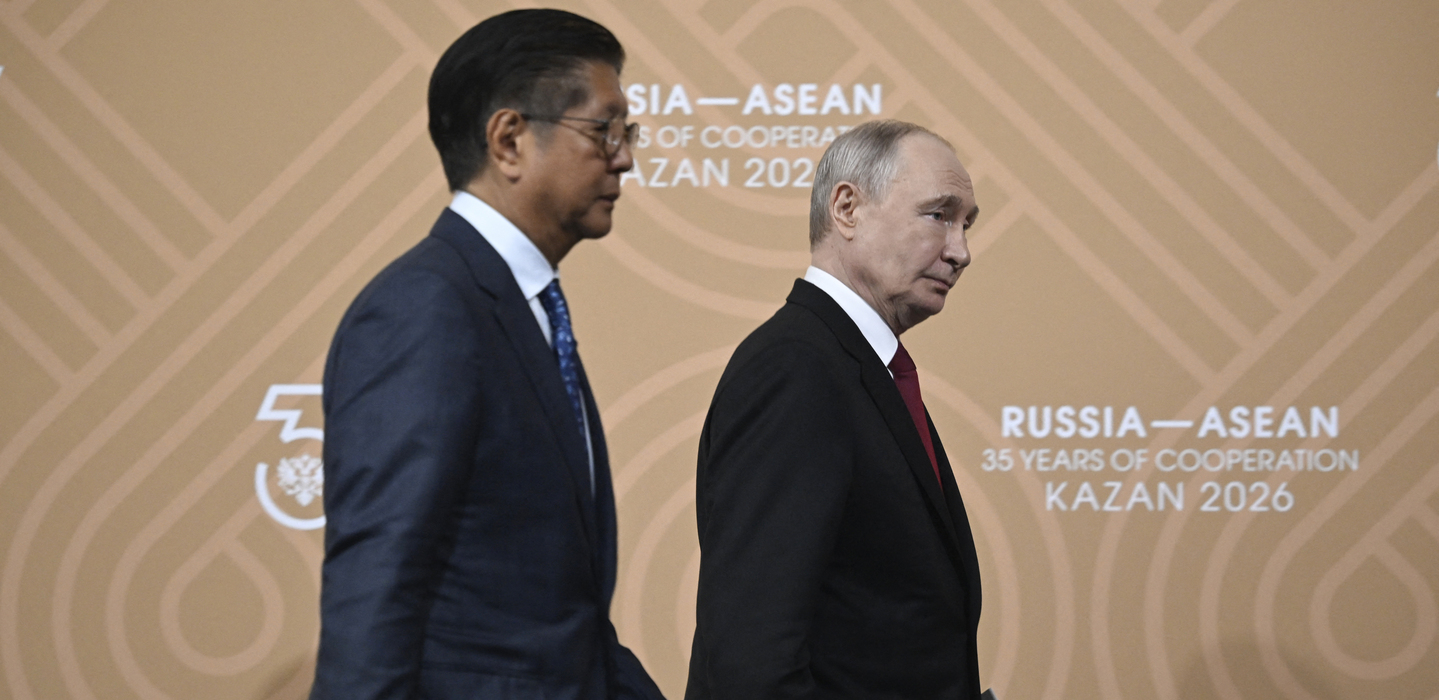
Russia looks set to reap economic benefits from closer ties with Southeast Asian countries that are keen to find reliable energy suppliers and diversify trade ties.

Alexander Gabuev
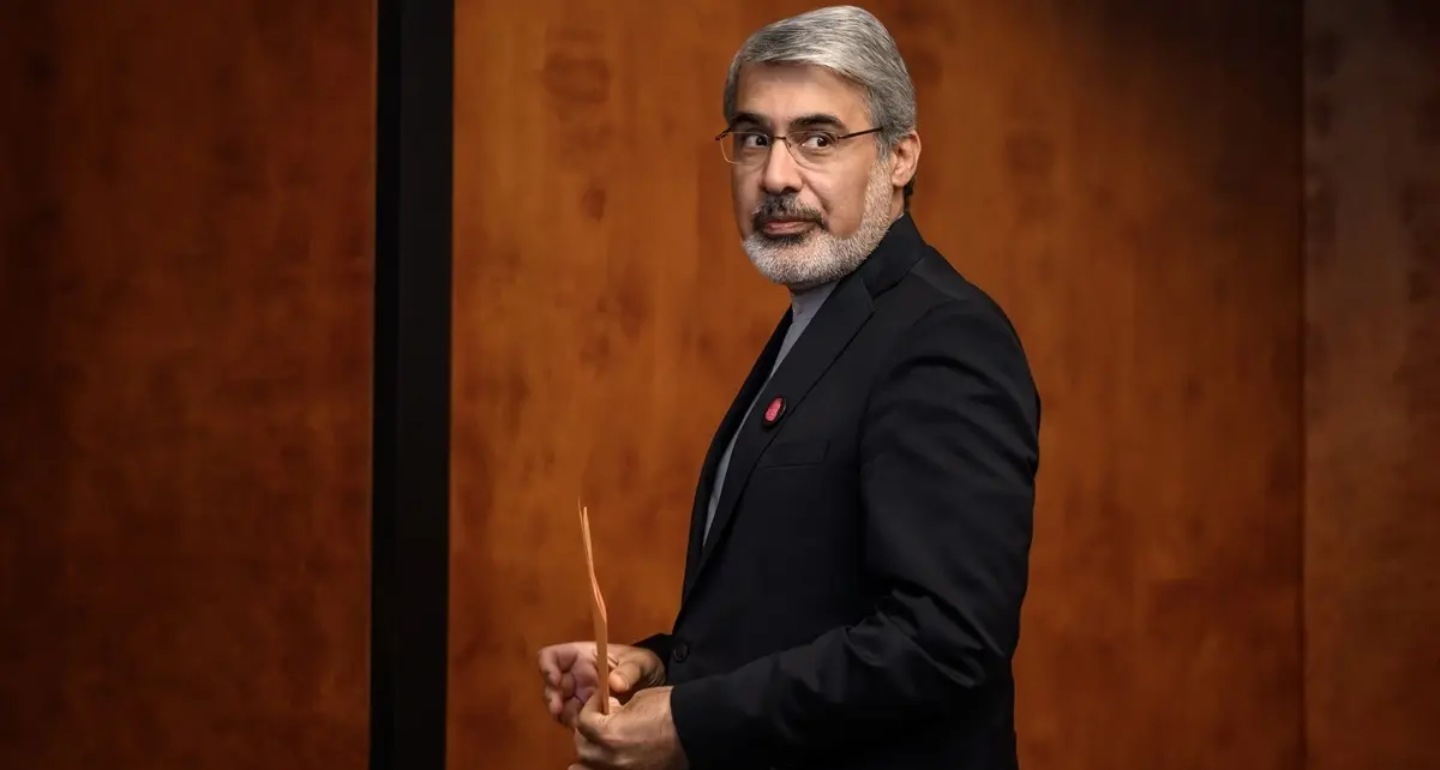
Ongoing uncertainty in the Middle East allows Moscow to both increase its influence in Tehran and continue to enjoy the financial windfall of higher oil prices.

Nikita Smagin
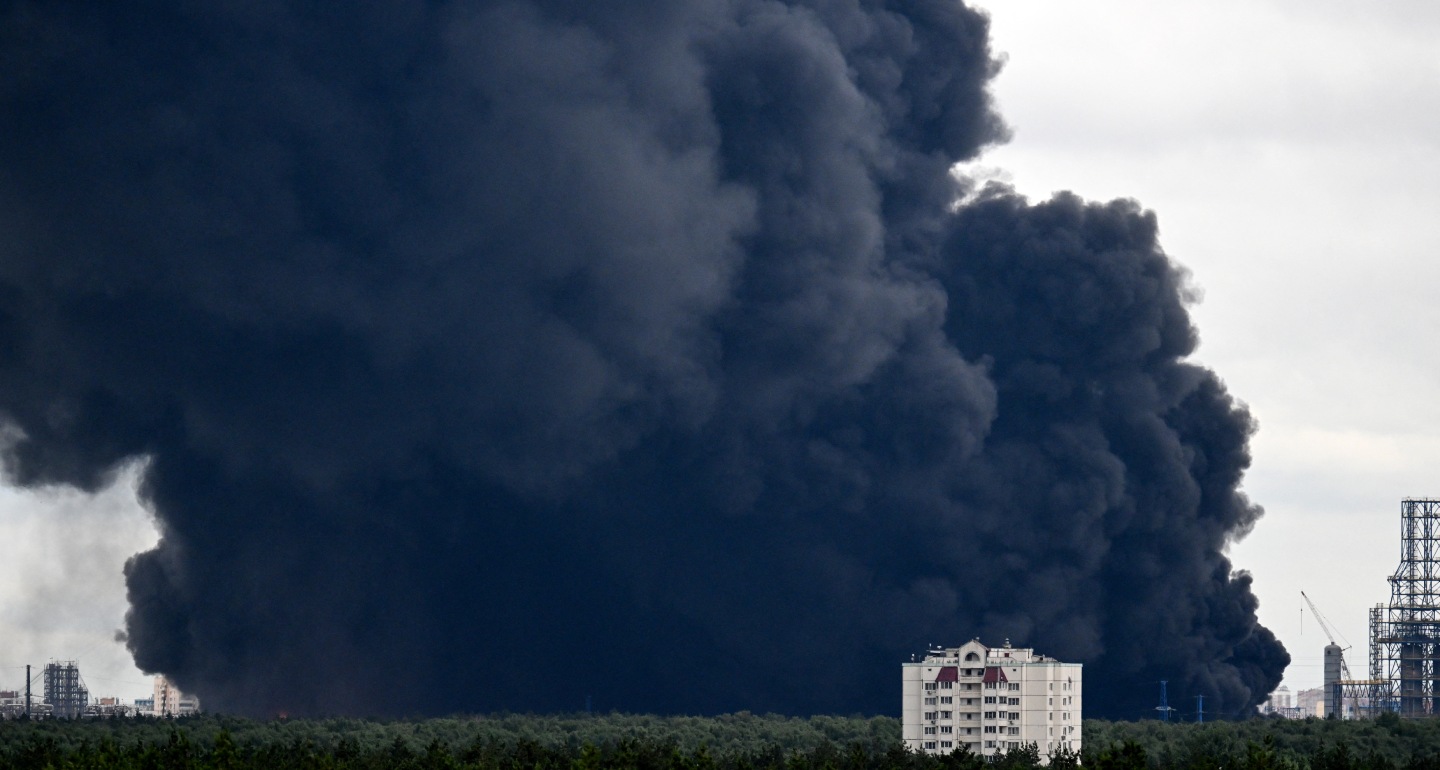
If it proves impossible for the Russian authorities to avoid a gasoline deficit, the question then becomes how they will organize the distribution of a scarce resource.

Sergey Vakulenko
This year’s wars have made alternative routes to transit through Russia no less risky for Central Asian countries.

Galiya Ibragimova
Reestablishing a dialogue with Moscow is not a goal in its own right. The goal is to guarantee the independence of Ukraine and the peace and security of Europe.
Arkady Moshes