

Commentary
Thomas de Waal
{
  "authors": [
    "Thomas de Waal"
  ],
  "type": "legacyinthemedia",
  "centerAffiliationAll": "dc",
  "centers": [
    "Carnegie Endowment for International Peace",
    "Carnegie Europe",
    "Carnegie Russia Eurasia Center"
  ],
  "collections": [],
  "englishNewsletterAll": "ctw",
  "nonEnglishNewsletterAll": "",
  "primaryCenter": "Carnegie Europe",
  "programAffiliation": "russia",
  "programs": [
    "Russia and Eurasia"
  ],
  "projects": [
    "Eurasia in Transition"
  ],
  "regions": [
    "Middle East",
    "Türkiye"
  ],
  "topics": []
}
Source: Getty
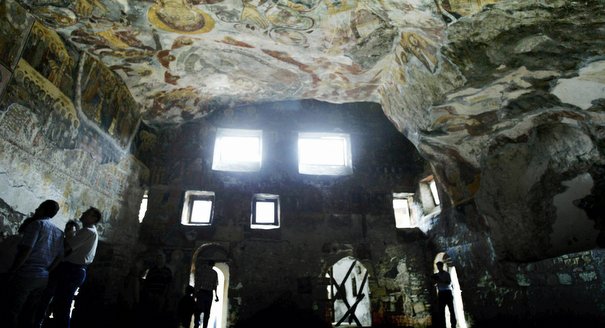
Religious services held inside Turkey’s borders by Pontic Greeks are a sign of the breakthrough in Turkish-Greek relations and a similar initiative at an Armenian church inside Turkey would be another step toward the normalization of relations between Turkey and Armenia.
Source: The National Interest

It took many years of quiet diplomacy by church officials, non-governmental activists, mayors and—an important group in this rapprochement—musicians, for Greeks and Turks to bridge their differences sufficiently to let the Soumela service take place. An American photographer of Pontic Greek origin, Eleftherios (“Ted”) Kostans was in the church and wrote me his impressions:
There were a couple of stand-out moments I thoroughly enjoyed. One being the Patriarch's speeches in Greek and Turkish. He was both eloquent and considerate of all peoples, in a way that made reminded us, we are all human first. The second wonderful moment was quite thrilling for me as Greek and as a Pontian. When the Patriarch walked through the crowed inside the Soumela walls carrying his staff I was just a few steps away and could see him gazing the walls. The smell of frescoes and priests singing suddenly came together for me. Silence hit the room for a moment and suddenly the crowed yelled, “Axios! Axios! Axios!” [the Greek word for ‘Worthy’]......It came from all directions as the crowed closed in around the Patriarch....Wow! For me, that was the climactic moment. Not just for the day. But symbolically, it represented the return to Pontus and announced officially that yes we are Pontians and this is our homeland.
Only a year before I was with Eleftherios outside the monastery walls on August 15, the Feast of the Virgin Day, when it all went badly wrong and a Turkish museum curator broke up what she declared to be an unauthorized service.
This year’s breakthrough was clearly authorized at the top, another move in the tentative “Christian opening” made by the governing AK Party, as it challenges some of the desiccated doctrines of the Turkish state. Plenty of powerful nationalist forces vehemently opposed the service as an invitation to “Christian fifth columnists” to infiltrate a Turkish state musuem. But now a precedent has been set, hopefully the Soumela liturgy will become an annual event.
None of this can be said a parallel service planned for September 19: the first liturgy for more than 90 years in the 10th century Armenian church of Akhtamar on Lake Van. The Armenian patriarch of Istanbul is due to officiate in what would again be a historic event—Armenians’ return to a place that from which they were bloodily driven out in 1915. Thousands of Armenians are due to visit, with many of them staying in ordinary Turkish homes.
Unfortunately, unlike Soumela, the Akhtamar service is threatening to turn into a disaster. Armenian officials and clergy are saying they will not come because the Turkish government has not carried through on its promise to reinstall a cross on the monastery dome. The government, currently locked in a fight over the September 12 constitutional referendum, is doing nothing to correct this.
I understand the concerns of some Armenians who won’t go to Akhatmar. They want to see rapprochement with Turkey, but they believe that the church service is a distraction from the political business that the Turkish government flunked when it failed to press ahead with ratifying the Protocols on normalizing relations, signed last year in Zurich.
But some Armenians are going much further, denouncing the whole event and calling for a boycott. One commentator called the liturgy a “scandalous show” and Armenians who are going there “tools of Turkish propaganda.” These people, who oppose any incremental changes with Turkey and demand nothing less than a full Turkish government apology for committing Genocide in 1915 are in a curious way the allies of the Turkish nationalists who oppose rapprochement for opposite reasons. If the Akhtamar service is a failure, it will be a blow against those liberal Turks, such as the governor of Van province and in the presidential administration, who are still pushing for normalization with Armenia.
I am certain of two things: There will eventually be a breakthrough in Armenian-Turkish relations. And when it happens, both Armenians and Turks will say things about the other and about the past that they are not saying now. The issue is all in the timing and how to build enough mutual trust to stiffen the resolve of the leaders who will do the final deal.

Senior Fellow, Carnegie Europe
Thomas de Waal is a senior fellow at Carnegie Europe, specializing in Eastern Europe and the Caucasus.
Recent Work
Thomas de Waal
Thomas de Waal
Carnegie does not take institutional positions on public policy issues; the views represented herein are those of the author(s) and do not necessarily reflect the views of Carnegie, its staff, or its trustees.
This year’s wars have made alternative routes to transit through Russia no less risky for Central Asian countries.

Galiya Ibragimova
Not only does the fighting jeopardize regional security, it undermines Russian attempts to promote alternatives to the Western-dominated world order.
Ruslan Suleymanov
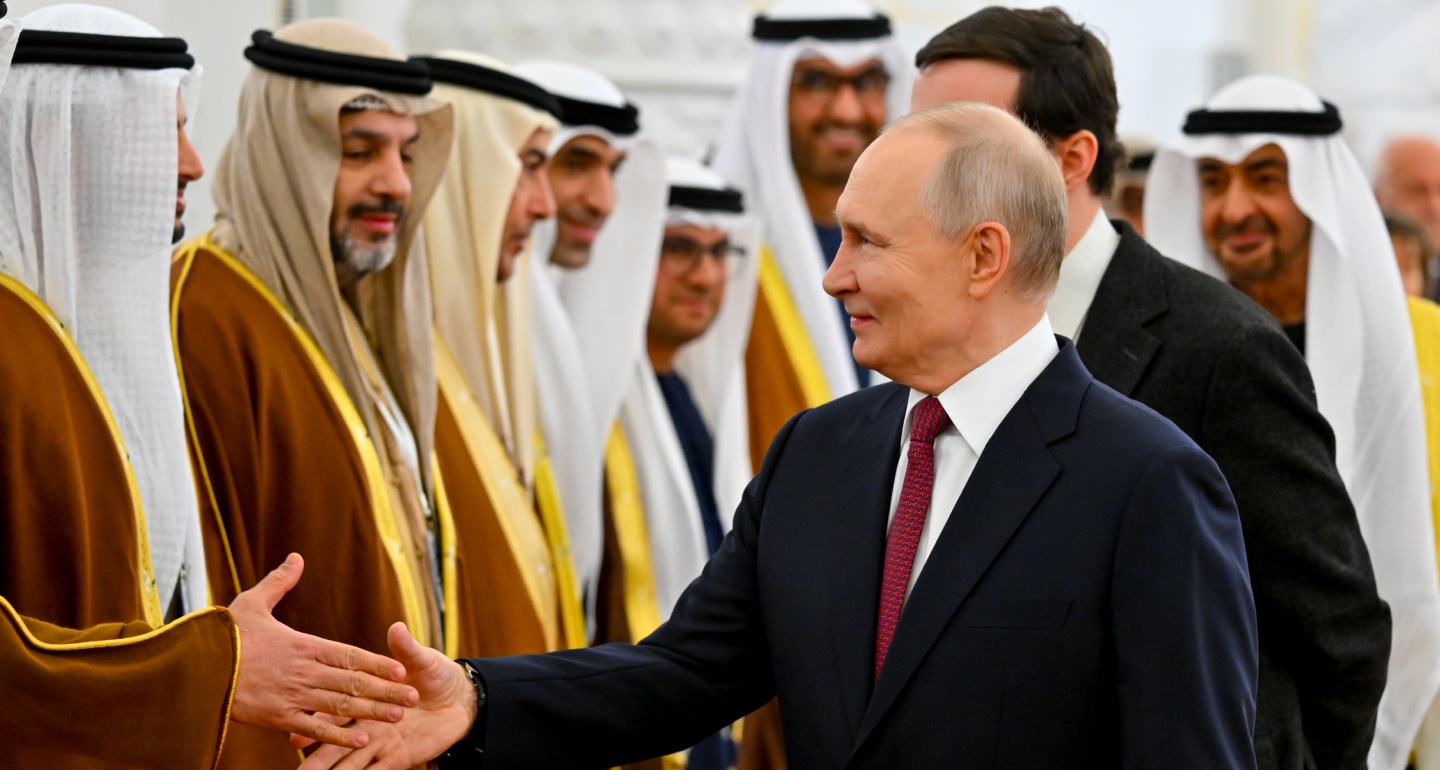
Disillusioned with the West over Gaza, Arab countries are not only trading more with Russia; they are also more willing to criticize Kyiv.
Ruslan Suleymanov

Baku may allow radical nationalists to publicly discuss “reunification” with Azeri Iranians, but the president and key officials prefer not to comment publicly on the protests in Iran.

Bashir Kitachaev
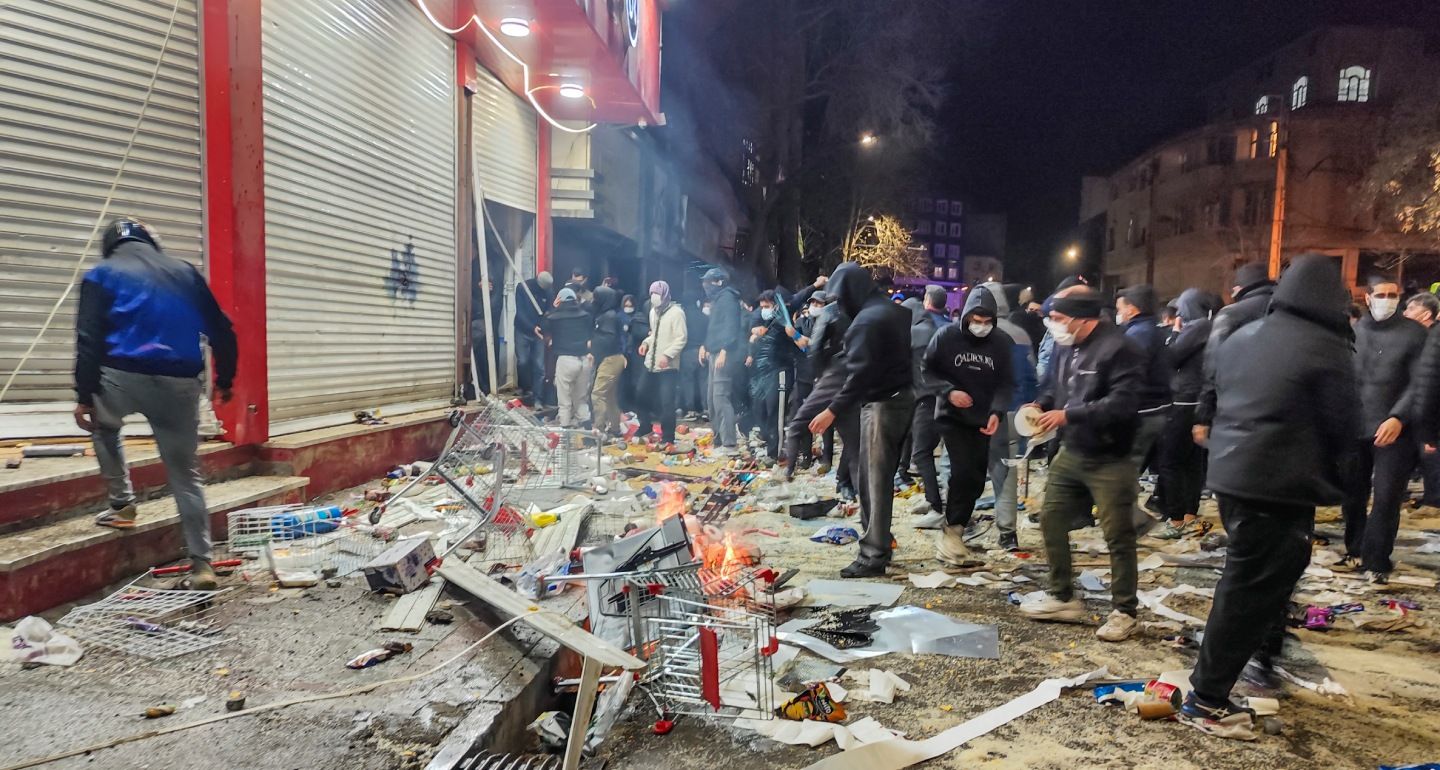
It’s one thing to export Russian helicopters to Iran to fight the insurgency, and it’s easy to imagine Moscow becoming a haven for fleeing Iranian leaders. But it’s very difficult to imagine Russian troops defending the Iranian regime on the ground.

Nikita Smagin