

Commentary
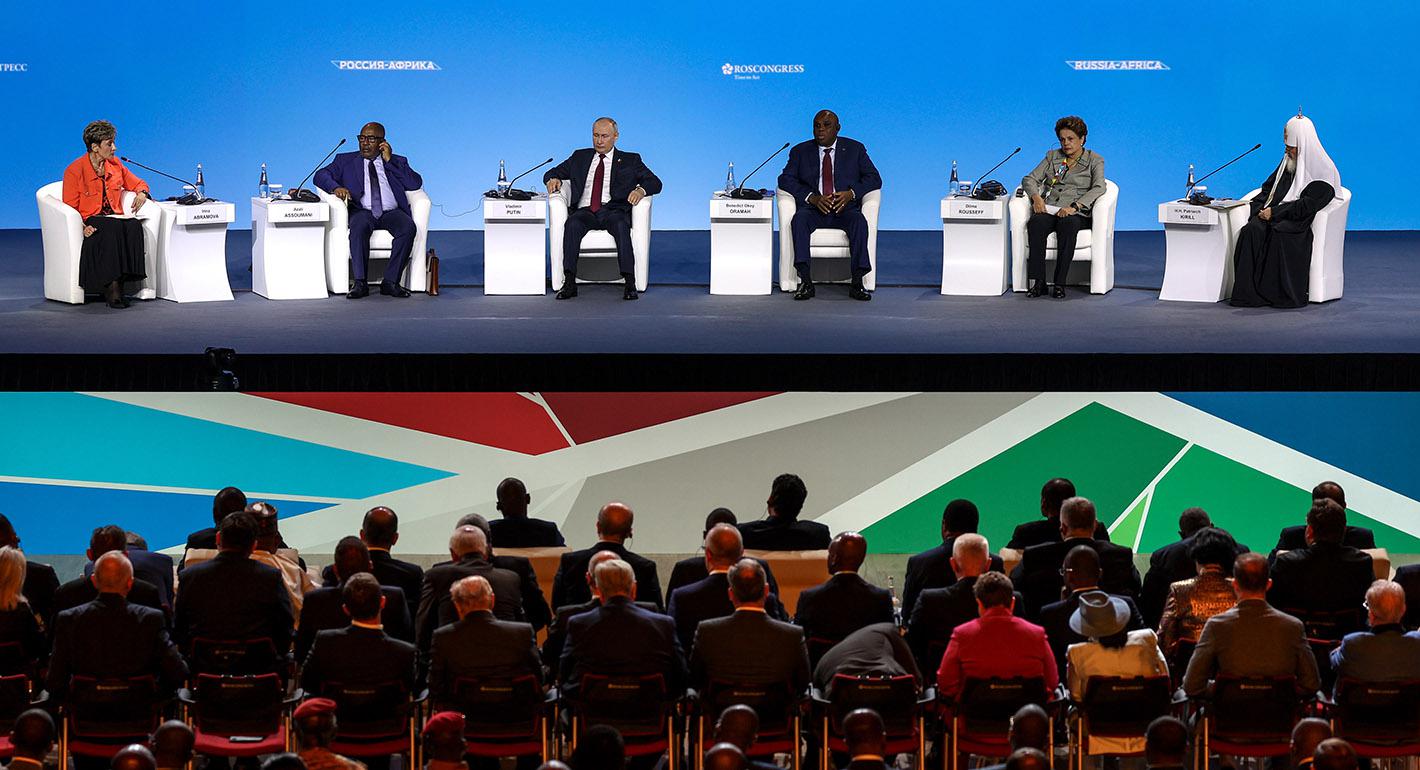
Trade volumes between Russia and African nations have fallen since the last event in 2019, while the war in Ukraine and Wagner’s activities on the continent have strained political ties.
Vadim Zaytsev
{
  "authors": [],
  "type": "other",
  "centerAffiliationAll": "",
  "centers": [
    "Carnegie Endowment for International Peace"
  ],
  "collections": [],
  "englishNewsletterAll": "",
  "nonEnglishNewsletterAll": "",
  "primaryCenter": "Carnegie Endowment for International Peace",
  "programAffiliation": "",
  "programs": [],
  "projects": [],
  "regions": [
    "North Africa",
    "Egypt"
  ],
  "topics": []
}
Source: Getty
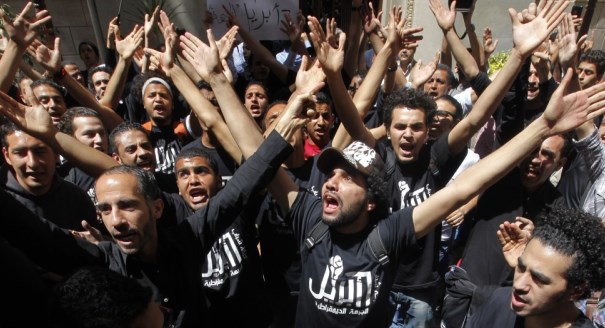
A backgrounder on the April 6 Youth Movement.
This resource was published on 09/22/2010 and is not updated to reflect changing circumstances.
The April 6 Youth Movement, together with the “We are All Khaled Saeed” Facebook Page, played a major role in organizing the January 25 demonstrations that sparked the uprising in Egypt. April 6 activists drew inspiration from the Tunisian uprising that had succeeded in overthrowing President Zine El Abidine Ben Ali. Ahmad Maher, one of the founding members of the April 6 movement, stated that the example of Tunisia “led us to think about protesting against corruption, poverty and unemployment.”
Asmaa Mahfouz: Founding member
Ahmed Maher: Founding member
Israa Abdel Fattah: Founding member
Tareq al-Khouly: Founding member
Mohammed Adel Amr Ali: Leading member and blogger
The Movement started in the spring 2008, when over 100,000 Facebook users joined an online group to express solidarity with workers protesting in the Delta industrial city of al-Mahalla al-Kubra. As the protests escalated into a nationwide strike, the Facebook group gained momentum and eventually coalesced into a political movement known as the April 6 Youth Movement. Making extensive use of online networking tools, organizers of the movement urged followers to demonstrate their support for the workers by wearing black, staying at home, and boycotting products on the day of the strike.
The April 6 Youth movement tried unsuccessfully to replicate the general strike the following year and again in 2010. Harassed by the police, the group managed nevertheless to survive thanks largely to its broad network structure which the authorities could not dismantle. It participated in the campaign to collect signatures for Mohamed ElBaradei’s seven-point petition and organized occasional protests on a variety of issues. It was only in January 2011, however, that it managed to find again its voice and its vitality.
After President Hosni Mubarak was overthrown and the Supreme Council of the Armed Forces took over in February 2011, the April 6 Youth Movement, like other participants in the uprising, had difficulty in redefining its role. Having achieved its primary objective of bringing down the regime, it had to find a new purpose in a changed political environment. Mohamad Adel, a founding member, acknowledged that “The role of the April 6 Movement as peaceful resistance is over. Our role now is to participate in the building of the nation and to exert pressure on government and society in order to complete the process of democratic reform in Egypt.” The change did not come easily.
The April 6 Youth Movement joined the Revolutionary Youth Coalition in criticizing the ruling military council for excluding youth representatives from its decision-making process and advocating the formation of a civilian council to govern the country’s affairs until presidential and parliamentary elections. But when offered a chance to participate in meeting with the SCAF, the movement experienced internal conflict. A lose network of individuals communicating via social media lent itself well to mobilizing protesters, but not to participating in meetings with the SCAF, political parties, and other organizations. The issue of who could speak for the movement soon divided the organization. When Ahmed Maher announced in April that the movement would seek to transform into a registered civil society organization, he was disowned by other founding members of the movement, who claimed the decision had not been approved by a majority. Maher denied the charge, but he nevertheless lost the support of other leading members of the organization, who declared that they no longer recognized him as the movement’s leader.
The future role of the April 6 Movement remains uncertain.
Carnegie does not take institutional positions on public policy issues; the views represented herein are those of the author(s) and do not necessarily reflect the views of Carnegie, its staff, or its trustees.
Trade volumes between Russia and African nations have fallen since the last event in 2019, while the war in Ukraine and Wagner’s activities on the continent have strained political ties.
Vadim Zaytsev
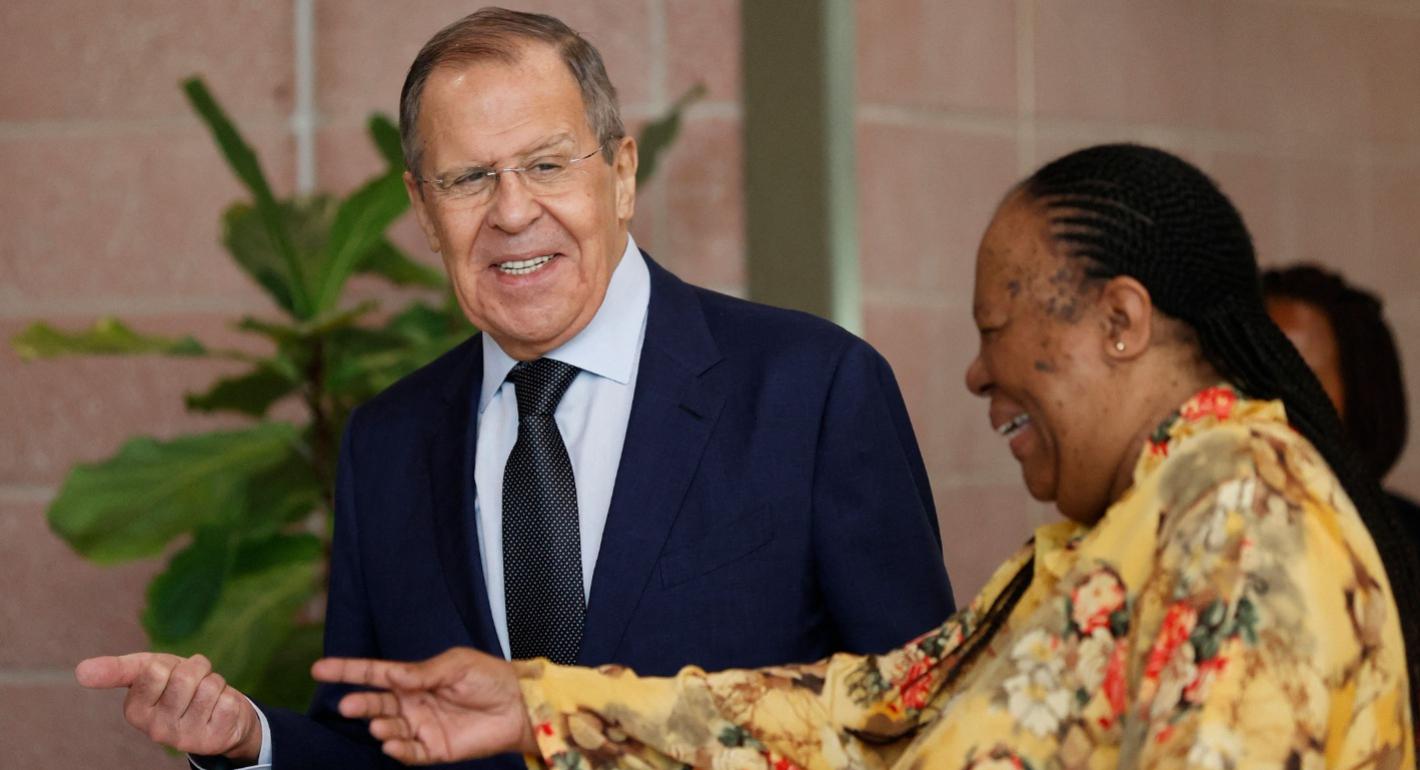
Africa is becoming a battlefield of artificial narratives. The Kremlin pretends it is creating a “second front” and challenging the rules-based order, while the West feigns concern over the Kremlin’s actions there, while knowing perfectly well that the main threat to its interests in the region is actually China.
Vadim Zaytsev
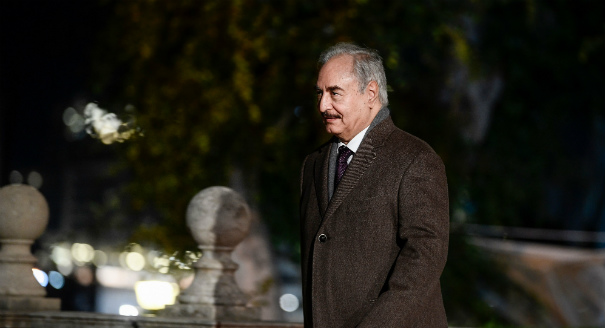
In order to secure its economic interests in Libya, Russia is seeking to bolster Haftar’s influence over a future UN-brokered diplomatic settlement.
Samuel Ramani
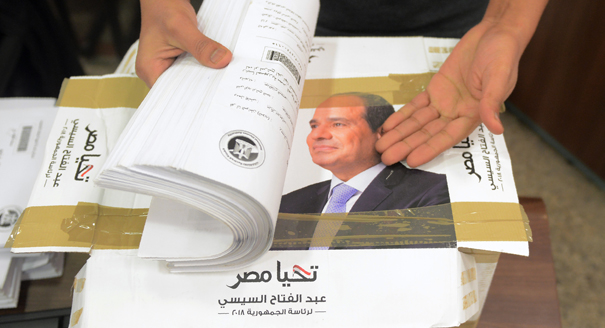
Egypt’s upcoming presidential election may not remove the incumbent, but many problems lie ahead if he wins.

Michele Dunne
Based on the data, policymakers and practitioners need to ask hard questions about whether the terrorist threat justifies a continuing U.S. military buildup in Africa.

Steve Feldstein