

Commentary
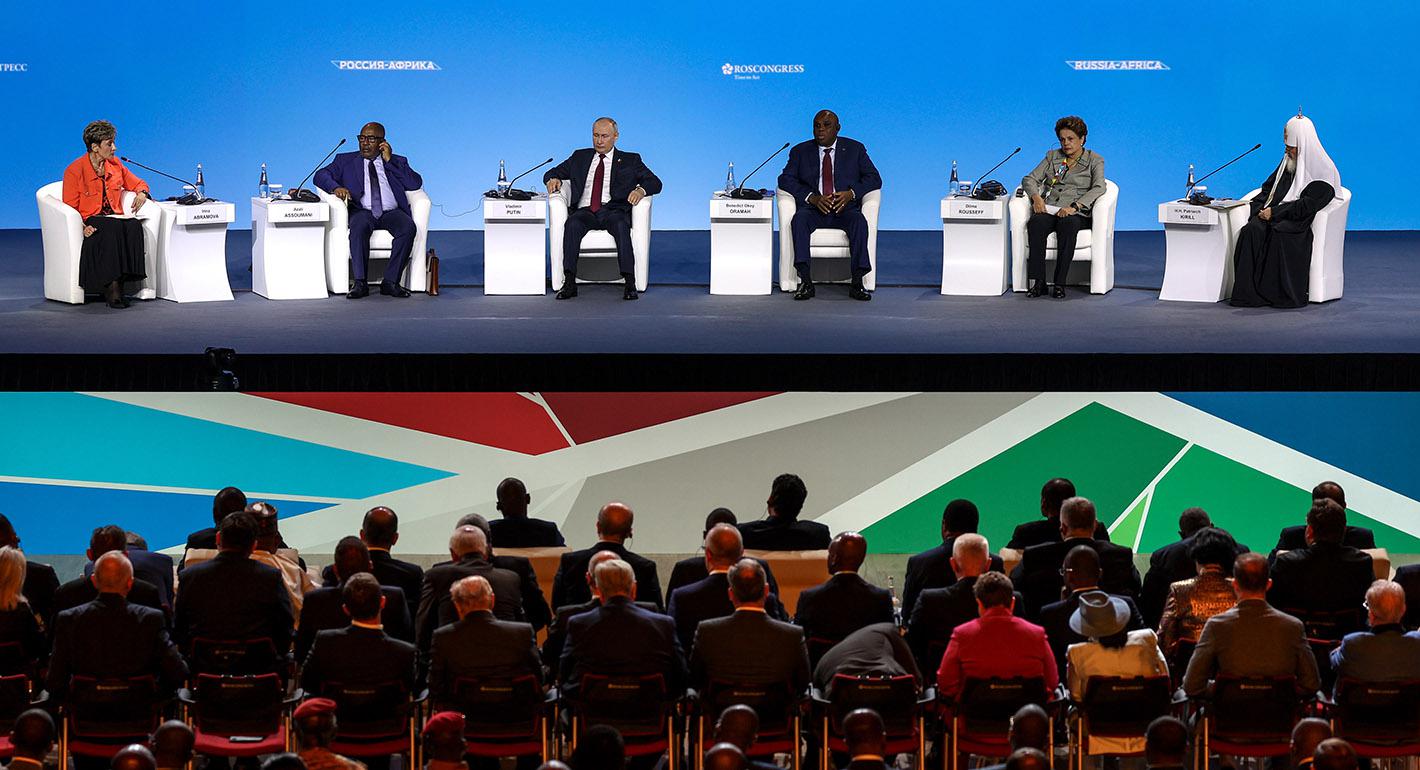
Trade volumes between Russia and African nations have fallen since the last event in 2019, while the war in Ukraine and Wagner’s activities on the continent have strained political ties.
Vadim Zaytsev
{
  "authors": [],
  "type": "other",
  "centerAffiliationAll": "",
  "centers": [
    "Carnegie Endowment for International Peace"
  ],
  "collections": [],
  "englishNewsletterAll": "",
  "nonEnglishNewsletterAll": "",
  "primaryCenter": "Carnegie Endowment for International Peace",
  "programAffiliation": "",
  "programs": [],
  "projects": [],
  "regions": [
    "North Africa",
    "Egypt"
  ],
  "topics": []
}
Source: Getty
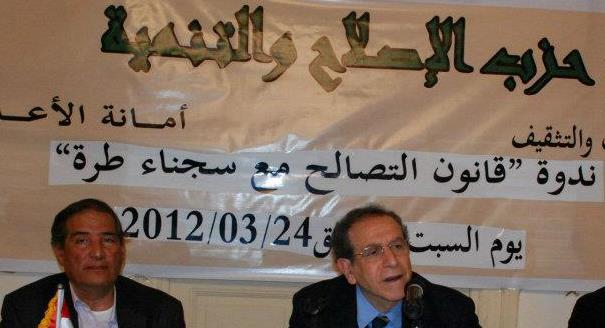
A backgrounder on the Reform and Development Party.
This resource was published on 09/16/2010 and is not updated to reflect changing circumstances.
The Reform and Development Party falls on the liberal side of the spectrum. Starting as a splinter from the Democratic Front in 2009, it was not allowed to register officially until May 2011, but remained active in the interim. The party remained aloof concerning alliances in the 2011 parliamentary elections, joining neither the Democratic Alliance nor the Egypt Bloc.
Ramy Lakkah: President
Anwar Tal’at Esma’t Sadat: Vice President
The Reform and Development Party, a relative newcomer to Egypt’s political scene, was launched in January 2009 by Anwar Tal’at Esma’t Sadat, a nephew of former President Anwar Sadat, after he defected from the Democratic Front Party. The Political Parties Committee rejected his application for legal status in July 2010. Rather than appealing the decision, Sadat started lobbying for a complete overhaul of the committee’s structure to prevent it from functioning as an instrument of the National Democratic Party (NDP) and custodian of the regime’s interests. The party was legalized on May 21, 2011 after the 2011 uprising. In June 2011, the Reform and Development Party merged with the Our Egypt party led by Ramy Lakkah, and Lakkah became the party’s new president.
Carnegie does not take institutional positions on public policy issues; the views represented herein are those of the author(s) and do not necessarily reflect the views of Carnegie, its staff, or its trustees.
Trade volumes between Russia and African nations have fallen since the last event in 2019, while the war in Ukraine and Wagner’s activities on the continent have strained political ties.
Vadim Zaytsev
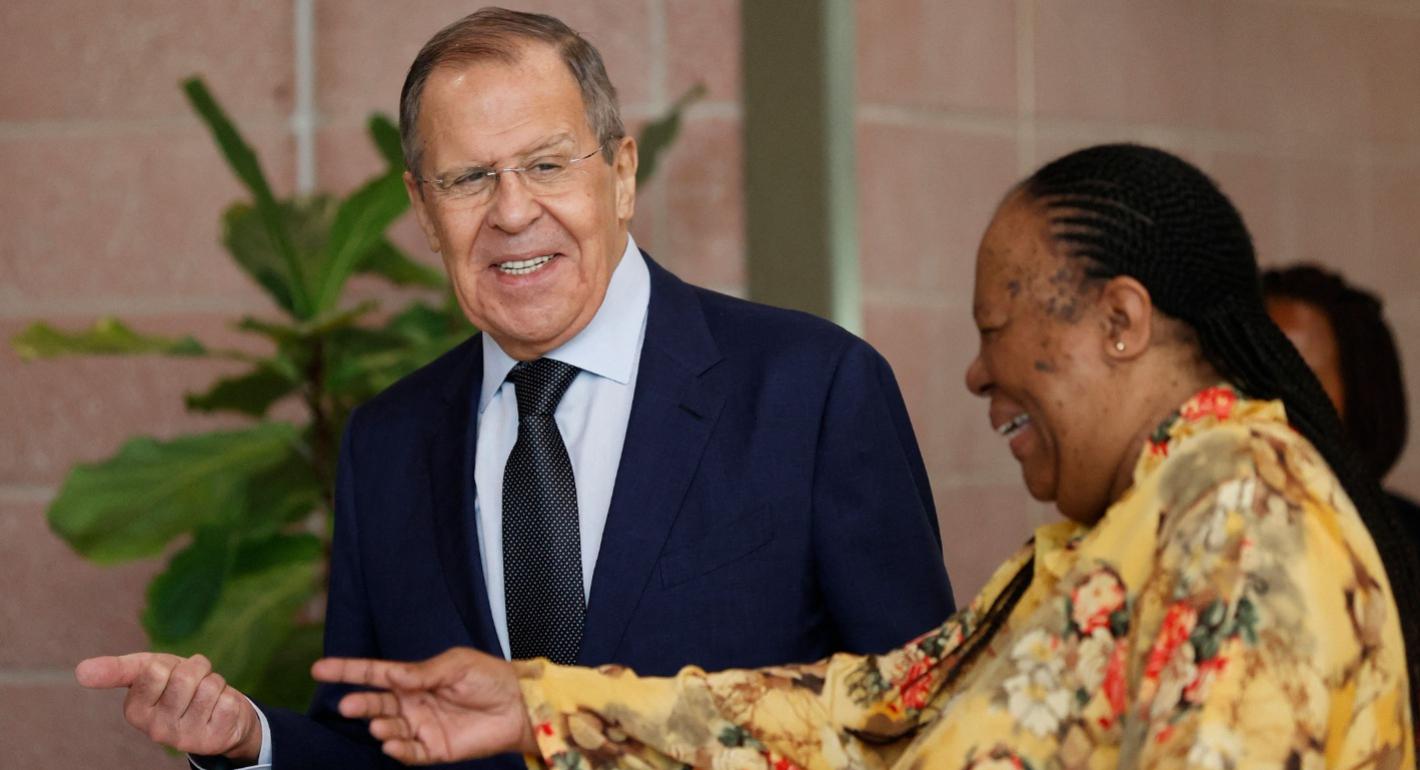
Africa is becoming a battlefield of artificial narratives. The Kremlin pretends it is creating a “second front” and challenging the rules-based order, while the West feigns concern over the Kremlin’s actions there, while knowing perfectly well that the main threat to its interests in the region is actually China.
Vadim Zaytsev
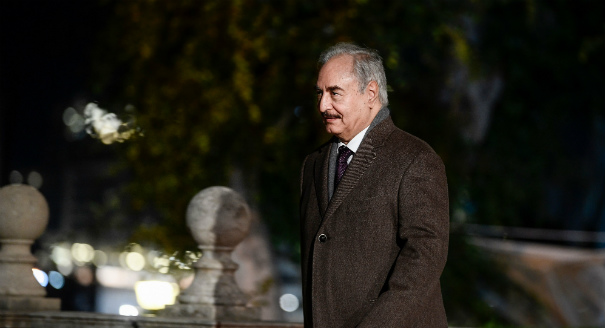
In order to secure its economic interests in Libya, Russia is seeking to bolster Haftar’s influence over a future UN-brokered diplomatic settlement.
Samuel Ramani
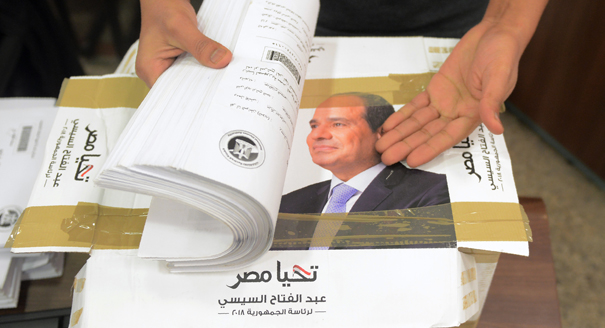
Egypt’s upcoming presidential election may not remove the incumbent, but many problems lie ahead if he wins.

Michele Dunne
Based on the data, policymakers and practitioners need to ask hard questions about whether the terrorist threat justifies a continuing U.S. military buildup in Africa.

Steve Feldstein