

Commentary
Depleted financial reserves and a shrinking tax base mean it is no longer possible to simultaneously deliver high defense spending, price stability, and economic growth.
Alexandra Prokopenko
{
  "authors": [],
  "type": "pressRelease",
  "centerAffiliationAll": "dc",
  "centers": [
    "Carnegie Endowment for International Peace"
  ],
  "collections": [],
  "englishNewsletterAll": "ctw",
  "nonEnglishNewsletterAll": "",
  "primaryCenter": "Carnegie Endowment for International Peace",
  "programAffiliation": "NPP",
  "programs": [
    "Nuclear Policy"
  ],
  "projects": [],
  "regions": [
    "Russia",
    "Western Europe"
  ],
  "topics": [
    "Nuclear Policy"
  ]
}
REQUIRED IMAGE
With widening calls to move toward a world free of nuclear weapons, NATO’s nuclear policy will be high on the agenda during the Alliance’s November summit in Lisbon.
WASHINGTON—With widening calls to move toward a world free of nuclear weapons, NATO’s nuclear policy will be high on the agenda during the Alliance’s November summit in Lisbon. In a new paper, Detlef Waechter writes that NATO members should endorse the approach outlined by Secretary of State Clinton in April calling for NATO to retain its nuclear capability but begin an internal process of rethinking its nuclear posture. This modest but realistic course signals a commitment to defending member states while also demonstrating progress on arms control and disarmament.
Key Policy Recommendations:
Achieving a Europe free of nuclear weapons "requires considerable will to compromise on the part of the United States, which owns the tactical nuclear weapons in Europe as well as the strategic weapons systems," Waechter writes. "But the result—a European continent free of nuclear weapons, a NATO reconciled with Russia, and an Alliance free to tackle emerging security threats—would certainly make the effort worthwhile."
NOTES
Click here to read the policy outlook online
Detlef Waechter is a German diplomat and a visiting fellow at the Carnegie Endowment for International Peace. He served on Chancellor Angela Merkel’s foreign and security policy team in the Federal Chancellery from 2007–2010, and from 2005 to 2007 served in the German Permanent Representation at NATO in Brussels.
The Carnegie Nuclear Policy Program is an internationally acclaimed source of expertise and policy thinking on nuclear industry, nonproliferation, security, and disarmament. Its multinational staff stays at the forefront of nuclear policy issues in the United States, Russia, China, Northeast Asia, South Asia, and the Middle East.
Press Contact: Kendra Galante, 202-939-2233, pressoffice@ceip.org
Carnegie does not take institutional positions on public policy issues; the views represented herein are those of the author(s) and do not necessarily reflect the views of Carnegie, its staff, or its trustees.

Depleted financial reserves and a shrinking tax base mean it is no longer possible to simultaneously deliver high defense spending, price stability, and economic growth.

Alexandra Prokopenko
Blurring the line between humans and animals is a long-standing tradition in social utopian prose. In his latest novel, Leonid Bershidsky reminds us that in social experiments, people are often treated no differently than animals.

Alexander Baunov
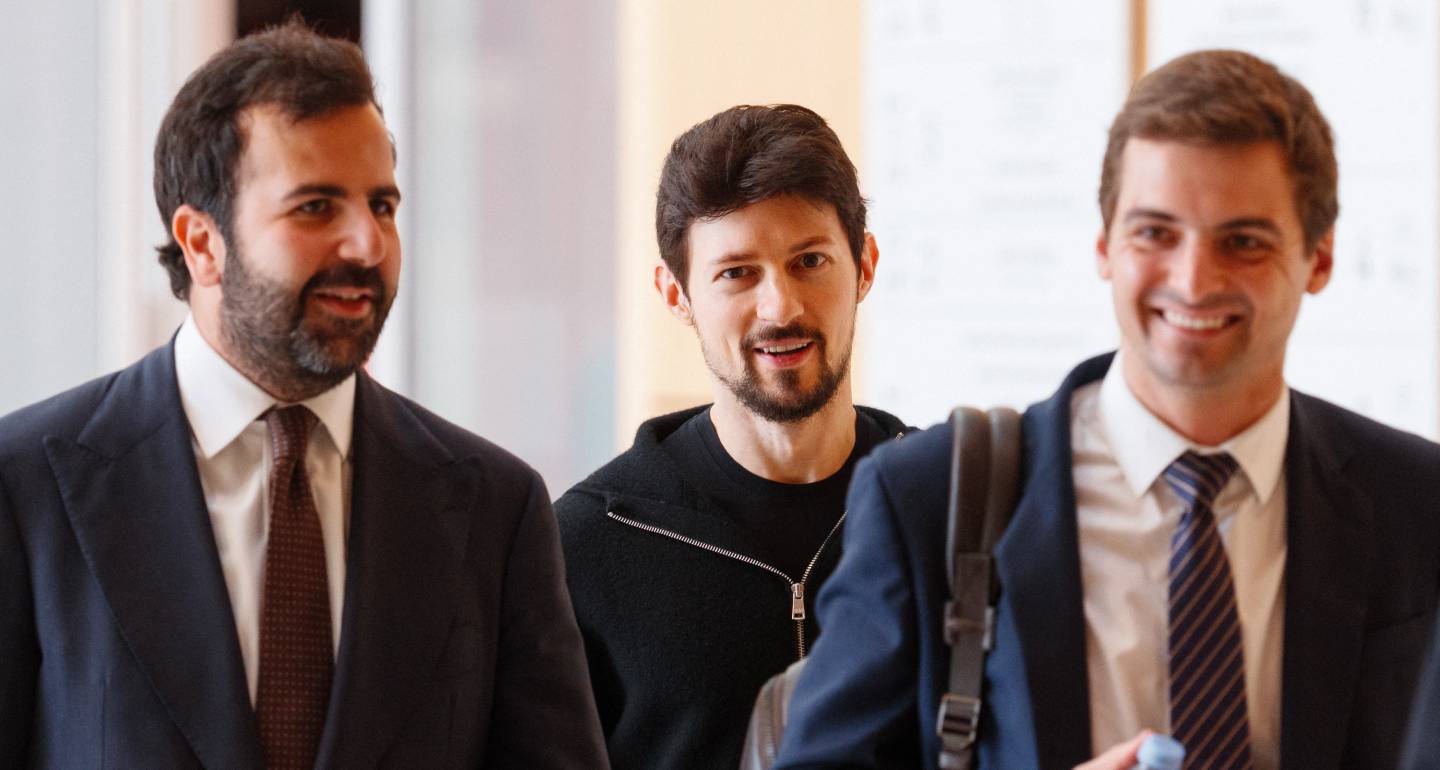
While France and Australia are seeking to establish the legal obligations of messaging apps like Telegram, Russia wants total subordination.

Maria Kolomychenko
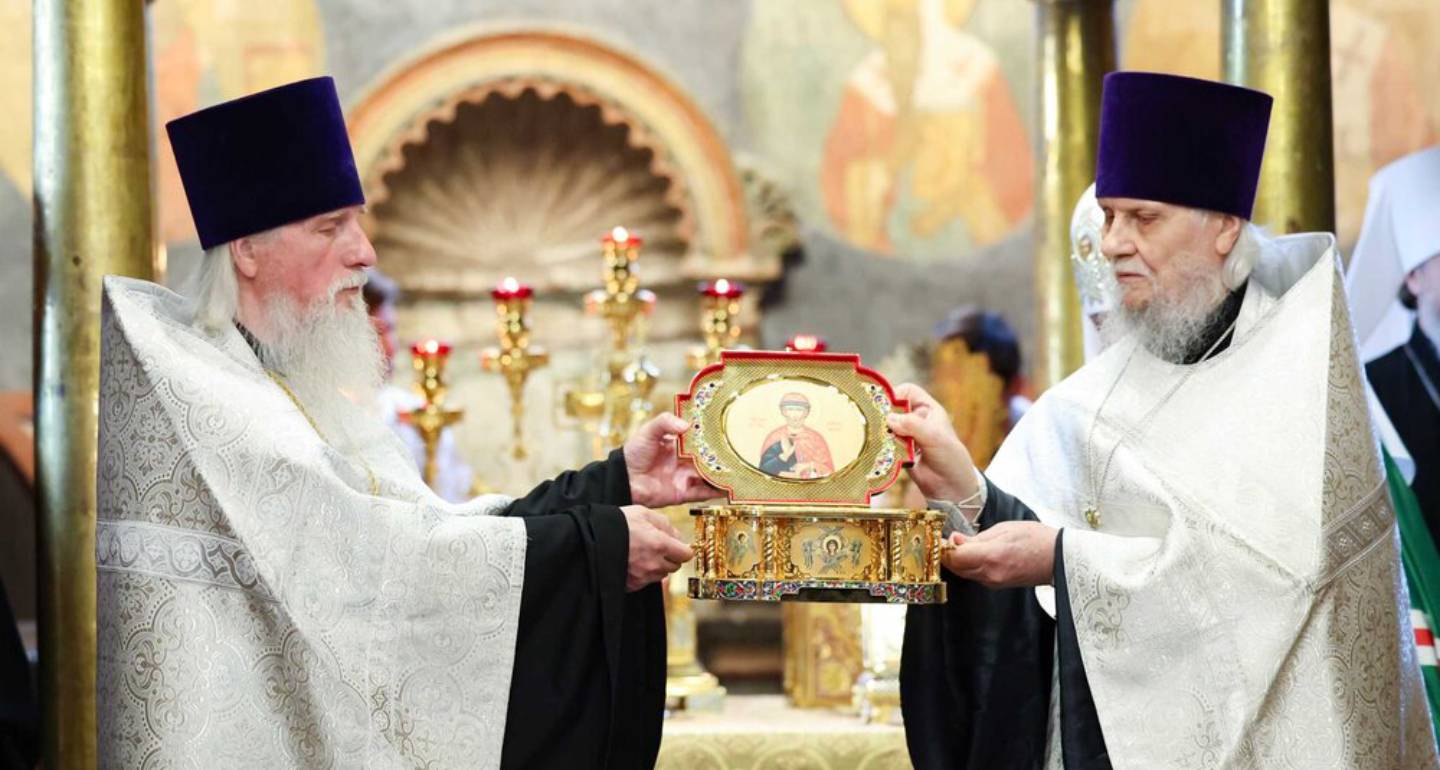
The recent uncovering of Dmitry Donskoy’s relics in the Cathedral of the Archangel is yet another attempt by the Russian Orthodox Church to help the state solve its problems. However, parroting the state’s version of Russian history leaves the Church with no message except “patriotism.”
Alexander Zanemonets

With the growth in points of friction between the great powers, organizations like the SCO will continue to play a role in the strategic adaptation of the smaller powers caught between them.

Temur Umarov