

In The Media
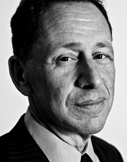
David Rothkopf
{
  "authors": [
    "David Rothkopf"
  ],
  "type": "legacyinthemedia",
  "centerAffiliationAll": "",
  "centers": [
    "Carnegie Endowment for International Peace"
  ],
  "collections": [],
  "englishNewsletterAll": "",
  "nonEnglishNewsletterAll": "",
  "primaryCenter": "Carnegie Endowment for International Peace",
  "programAffiliation": "",
  "programs": [],
  "projects": [],
  "regions": [
    "North America",
    "United States"
  ],
  "topics": [
    "Foreign Policy"
  ]
}
Source: Getty
As the world becoming increasingly multipolar and alternative centers of global power are arise, international institutions and rules will have to change to reflect the new global reality.
Source: World Affairs Council

Rothkopf noted that the world is rapidly becoming a multipolar system, with the center of intellectual and economic gravity shifting from the Atlantic to the Pacific. International institutions and rules in this new system have become either dysfunctional or ineffective, he said. Changes in how the global system is governed are already underway, such as in the shift in power from the G-7 to the G-20 and the rise of alternative centers of geopolitical gravity in Asia.
The panel examined other potential changes in the balance of global and their ramifications for U.S. foreign policy. Rothkopf argued that the world is in a period of substantial change, where old formulas and approaches may no longer apply. The United States will need to improve its diplomatic capabilities to contend with these new realities.
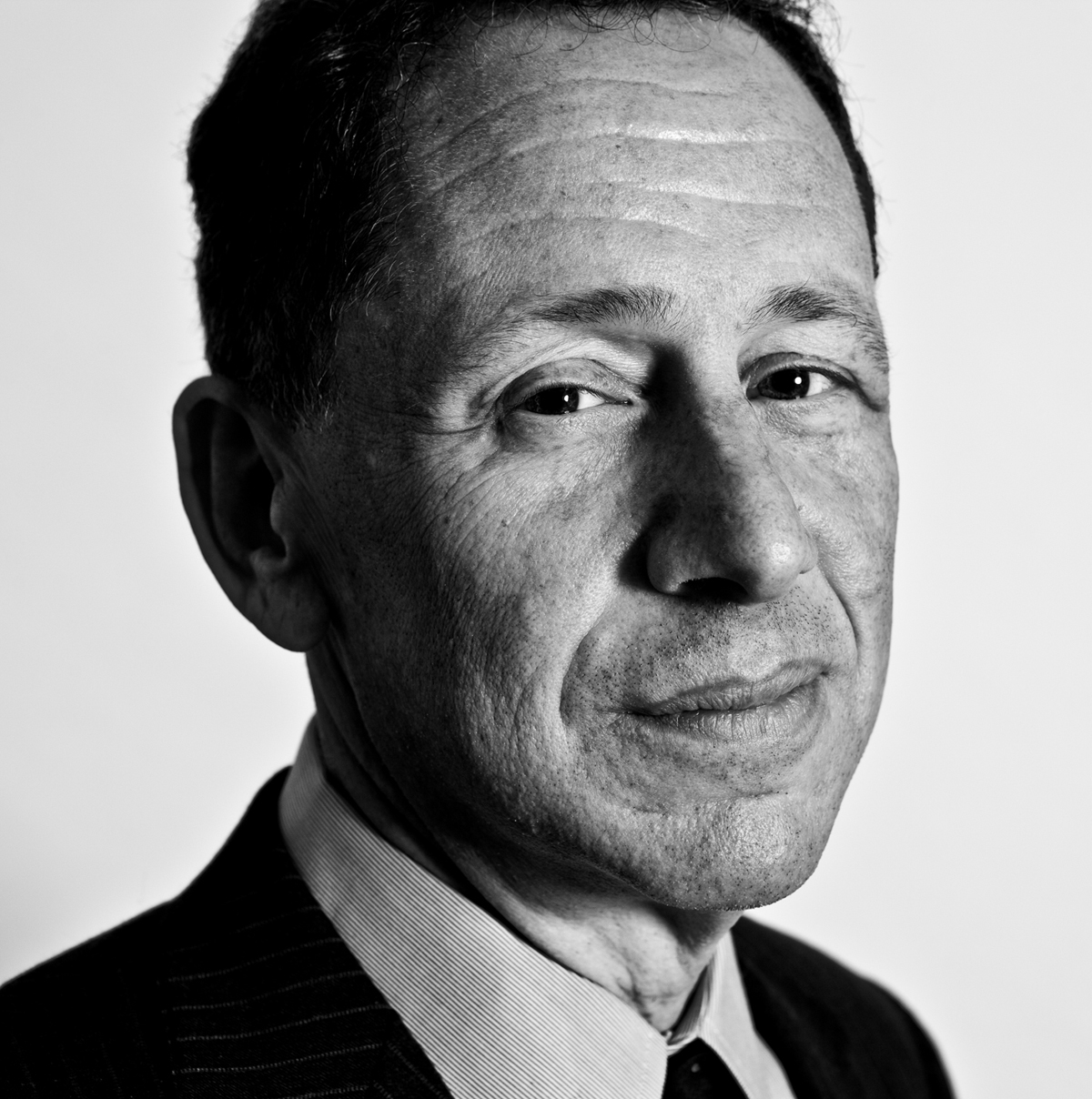
Former Visiting Scholar
David Rothkopf was a visiting scholar at the Carnegie Endowment as well as the former CEO and editor in chief of the FP Group.
Recent Work
David Rothkopf
David Rothkopf
Carnegie does not take institutional positions on public policy issues; the views represented herein are those of the author(s) and do not necessarily reflect the views of Carnegie, its staff, or its trustees.

When faced with fuel shortages in the past, Central Asian governments could always count on additional supplies from Moscow. That safety net no longer exists.

Galiya Ibragimova

Despite unhappiness on the ground, Moscow is determined to use both carrot and stick to ensure there is record support for United Russia in occupied Ukraine.

Konstantin Skorkin
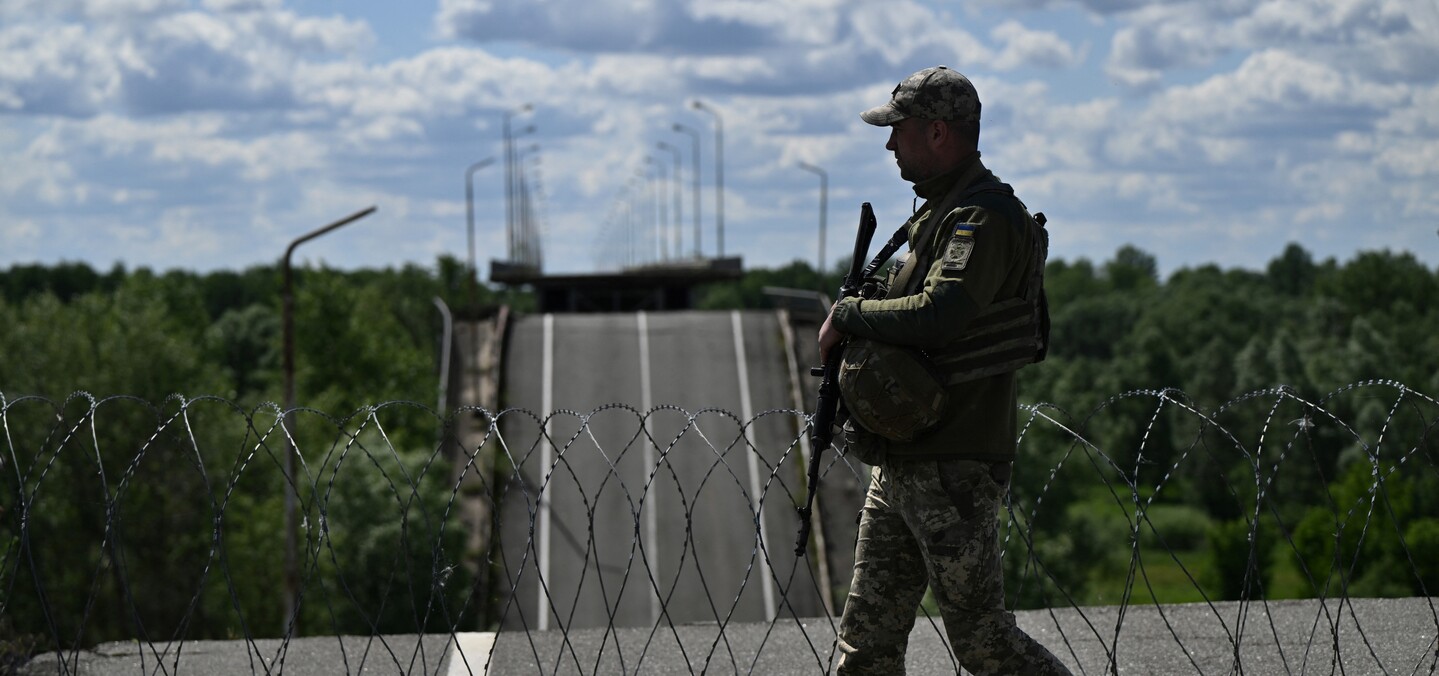
The recent damage inflicted by Ukrainian drones and missiles on Russia has made Belarus aware of its own vulnerabilities—and surprisingly amenable to Kyiv’s demands.

Artyom Shraibman
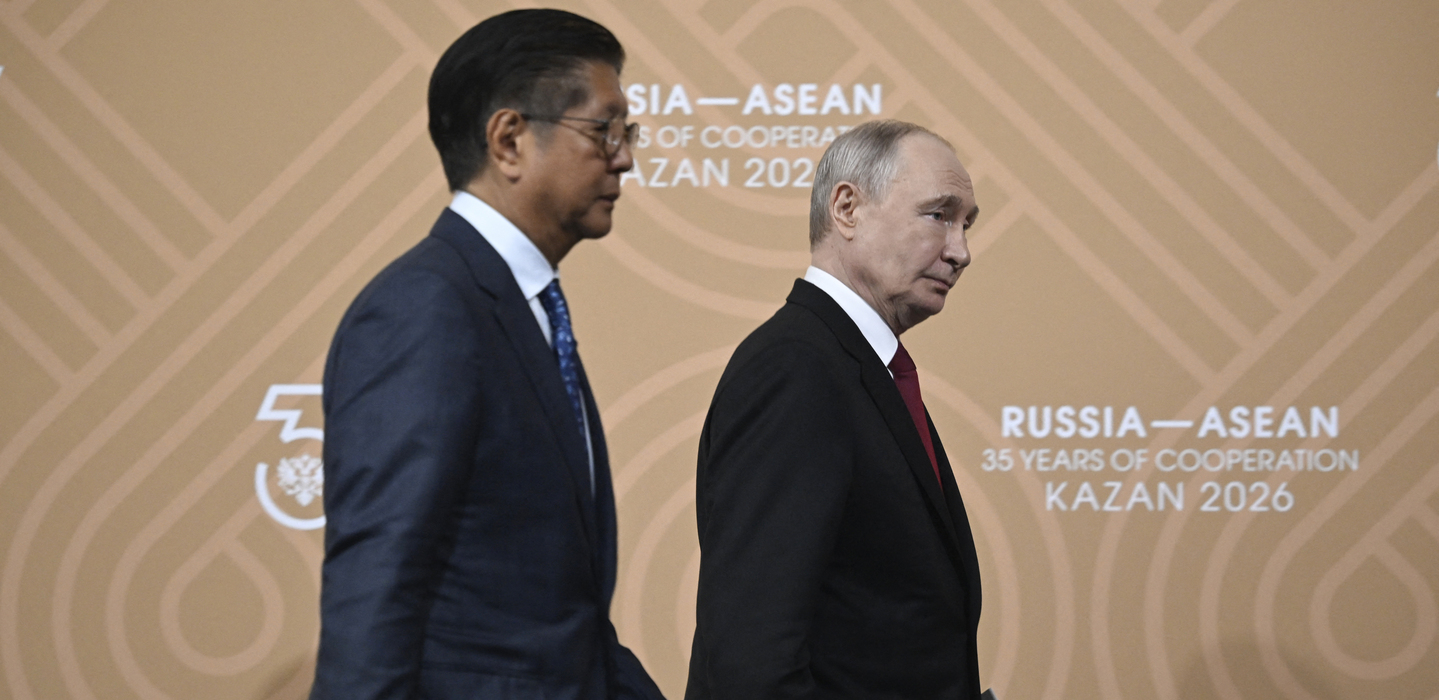
Russia looks set to reap economic benefits from closer ties with Southeast Asian countries that are keen to find reliable energy suppliers and diversify trade ties.

Alexander Gabuev
Ongoing uncertainty in the Middle East allows Moscow to both increase its influence in Tehran and continue to enjoy the financial windfall of higher oil prices.

Nikita Smagin