

Commentary
Trump has promised Belarus a massive potash deal. But Minsk is seeking something greater: restored Western transit and greater room for maneuver from Russia.
Balázs Jarábik
{
  "authors": [],
  "type": "pressRelease",
  "centerAffiliationAll": "dc",
  "centers": [
    "Carnegie Endowment for International Peace"
  ],
  "collections": [],
  "englishNewsletterAll": "ctw",
  "nonEnglishNewsletterAll": "",
  "primaryCenter": "Carnegie Endowment for International Peace",
  "programAffiliation": "SCP",
  "programs": [
    "Sustainability, Climate, and Geopolitics"
  ],
  "projects": [],
  "regions": [
    "United States",
    "North America"
  ],
  "topics": [
    "Climate Change"
  ]
}
REQUIRED IMAGE
On-road transportation has the greatest negative effect on climate of any economic sector, especially in the short term. Cutting on-road transportation climate and air-pollutant emissions would be unambiguously good for the climate and public health, writes Deborah Gordon in a new paper.
WASHINGTON, December 16—On-road transportation has the greatest negative effect on climate of any economic sector, especially in the short term. Cutting on-road transportation climate and air-pollutant emissions would be unambiguously good for the climate and public health, writes Deborah Gordon in a new paper. She calls on policy makers to reform the transportation sector in a way that reduces carbon emissions and increases efficiency. This is necessary for the United States to maintain its leadership position in the global economy.
Key Recommendations:
The on-road transportation sector is clearly “a major contributor to climate change; therefore, it should be the focus of new policies to mitigate warming,” Gordon writes. “Government must lead this effort as the market alone cannot precipitate the transition away from cars and oil, which dominate this sector.”
NOTES
Deborah Gordon is a nonresident senior associate in Carnegie’s Energy and Climate Program, where her research focuses on climate, energy, and transportation issues in the United States and China. Since 1996 she has been an author and policy consultant specializing in transportation, energy, and environmental policy for non-profit, foundation, academic, public, and private sector clients. From 1996 to 2000 she co-directed the Transportation and Environment Program at the Yale School of Forestry and Environmental Studies and from 1989 to 1996 she founded and then directed the Transportation Policy Program at the Union of Concerned Scientists. She is the author of Two Billion Cars (Oxford University Press, January 2009).
The Carnegie Energy & Climate Program engages global experts working in energy technology, environmental science, and political economy to develop practical solutions for policy makers around the world. The program aims to provide the leadership and the policy framework necessary for minimizing risks stemming from global climate change and reducing competition for scarce resources.
Press Contact: David Kampf, 202-939-2233, pressoffice@ceip.org
Carnegie does not take institutional positions on public policy issues; the views represented herein are those of the author(s) and do not necessarily reflect the views of Carnegie, its staff, or its trustees.

Trump has promised Belarus a massive potash deal. But Minsk is seeking something greater: restored Western transit and greater room for maneuver from Russia.

Balázs Jarábik

Minsk clearly expected the dialogue with Washington to yield more results, in particular the lifting of EU sanctions and permission to export potash.

Artyom Shraibman

When faced with fuel shortages in the past, Central Asian governments could always count on additional supplies from Moscow. That safety net no longer exists.

Galiya Ibragimova
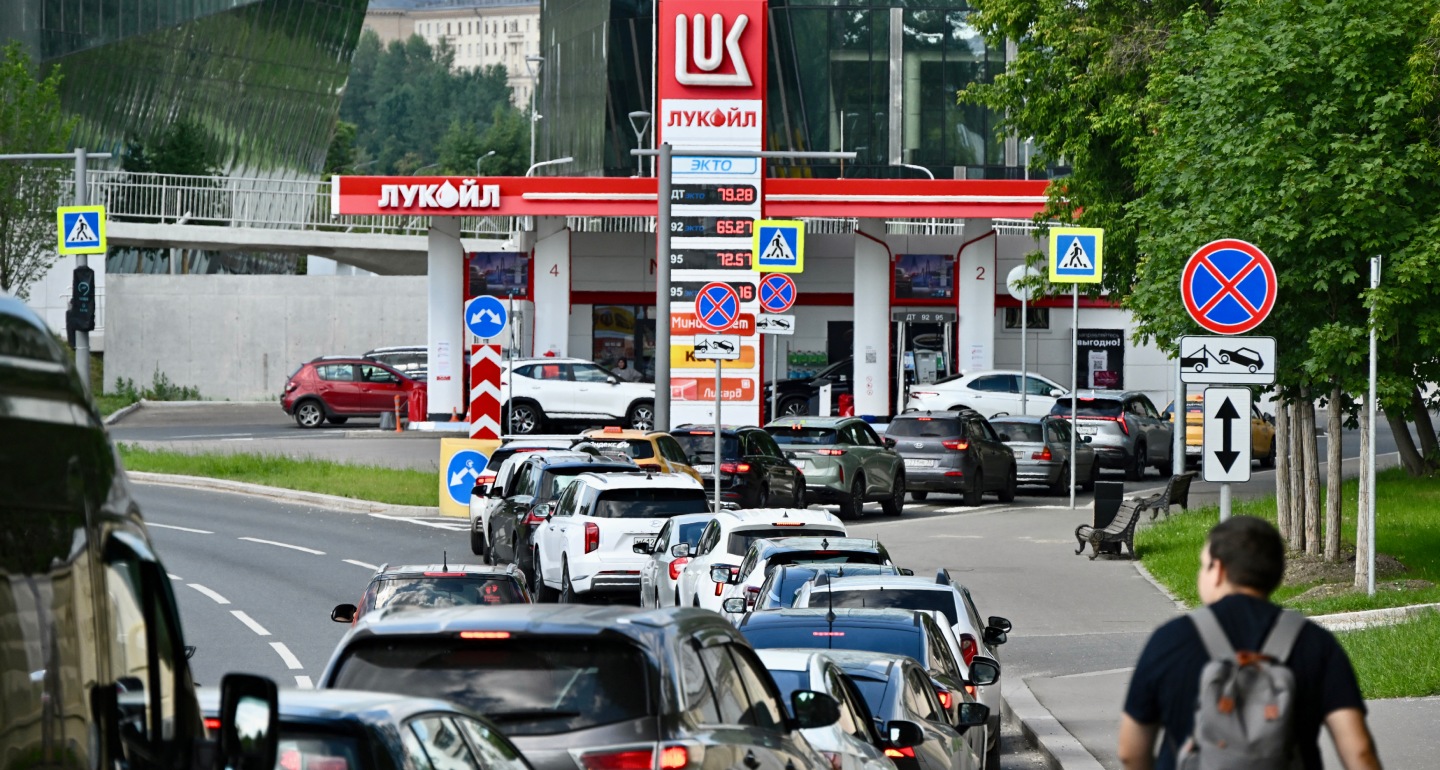
Official discussions about mini oil refineries are unlikely to come to anything—but the mere fact they’re happening reveals the regime is failing to deliver a functioning economy.

Sergey Vakulenko
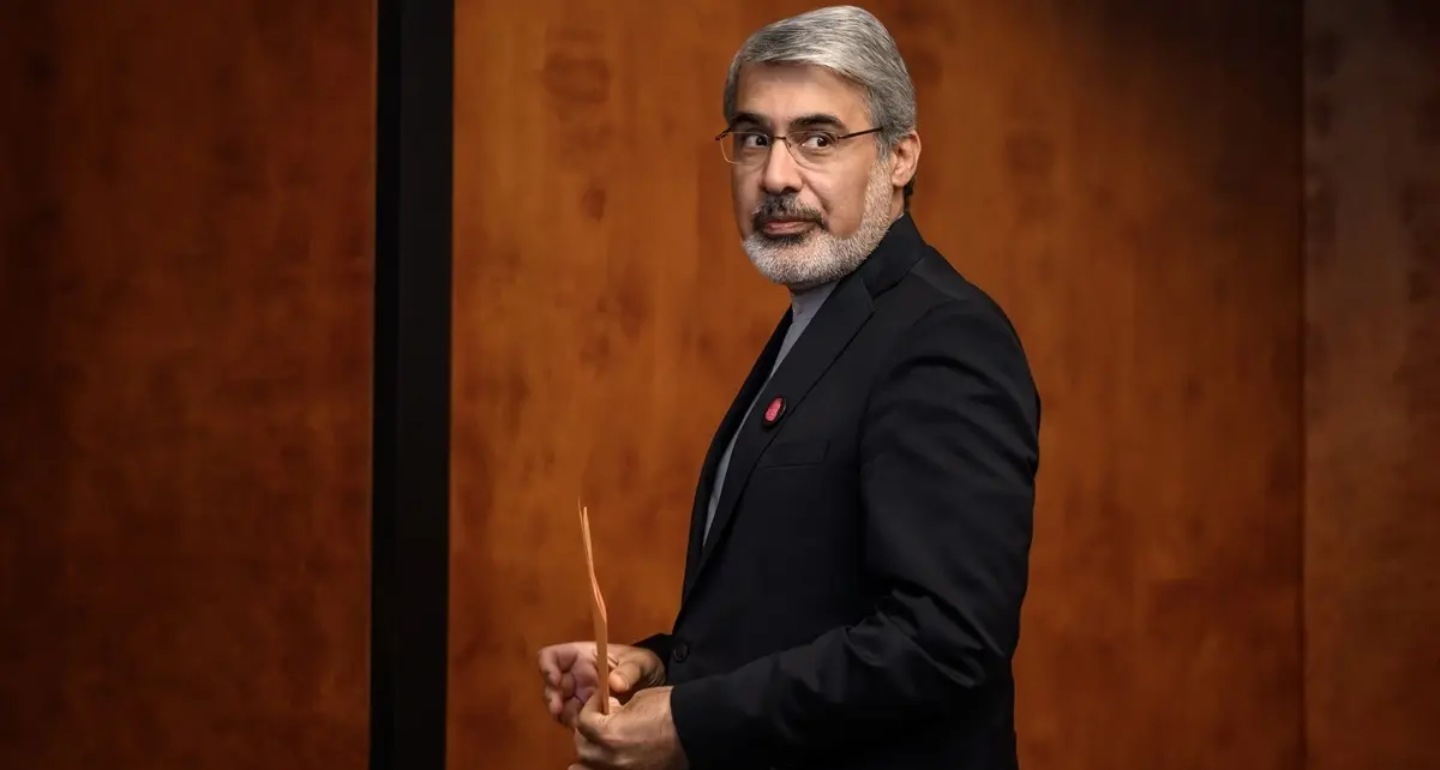
Ongoing uncertainty in the Middle East allows Moscow to both increase its influence in Tehran and continue to enjoy the financial windfall of higher oil prices.

Nikita Smagin