

Paper
Lora Saalman
{
  "authors": [
    "Lora Saalman"
  ],
  "type": "legacyinthemedia",
  "centerAffiliationAll": "dc",
  "centers": [
    "Carnegie Endowment for International Peace",
    "Carnegie China"
  ],
  "collections": [
    "China’s Foreign Relations",
    "U.S.-China Relations",
    "U.S. Nuclear Policy",
    "Korean Peninsula"
  ],
  "englishNewsletterAll": "ctw",
  "nonEnglishNewsletterAll": "",
  "primaryCenter": "Carnegie Endowment for International Peace",
  "programAffiliation": "NPP",
  "programs": [
    "Nuclear Policy"
  ],
  "projects": [],
  "regions": [
    "North America",
    "United States",
    "Middle East",
    "Iran",
    "East Asia",
    "China",
    "North Korea"
  ],
  "topics": [
    "Nuclear Policy",
    "Security",
    "Arms Control"
  ]
}
Source: Getty
Since the five permanent members of the United Nations Security Council are nuclear weapon states, they struggle in their attempts to convince other nations, like Iran and North Korea, not to develop a nuclear weapon program.
Source: Chinalogue

Saalman cast efforts to prevent Iran from developing a nuclear weapon as a necessarily troubled effort to enforce a double standard. The five permanent members of the United Nations Security Council are all nuclear weapon states and they struggle when trying to argue that other nations ought to not develop weaponization programs, Saalman said. She argued that the bellicose rhetoric of the nation’s leaders, the potential for a cascade effect in an already volatile region, and concern about nuclear blackmail are reasons for particular concern when considering the possibility of a nuclear Iran. Jishe noted the challenge of distinguishing between a uranium enrichment program intended for peaceful purposes and one with a military bent.
Jishe and Saalman also examined North Korea’s nuclear weapons program and China’s efforts to convince Pyongyang to engage in negotiations on the denuclearization of the peninsula. Saalman emphasized U.S. concerns about North Korean assistance for future nuclear programs, noting past cooperation with Iran, Syria, and Pakistan.
Saalman and Jishe discussed the need for reconsideration of nuclear arsenals and postures in the post-Cold War period as well. Saalman described the New START treaty mostly reinforcing extant transparency and verification measures. Given the acrimonious debate over New START, though, she predicted that more ambitious efforts will likely face considerable backlash.
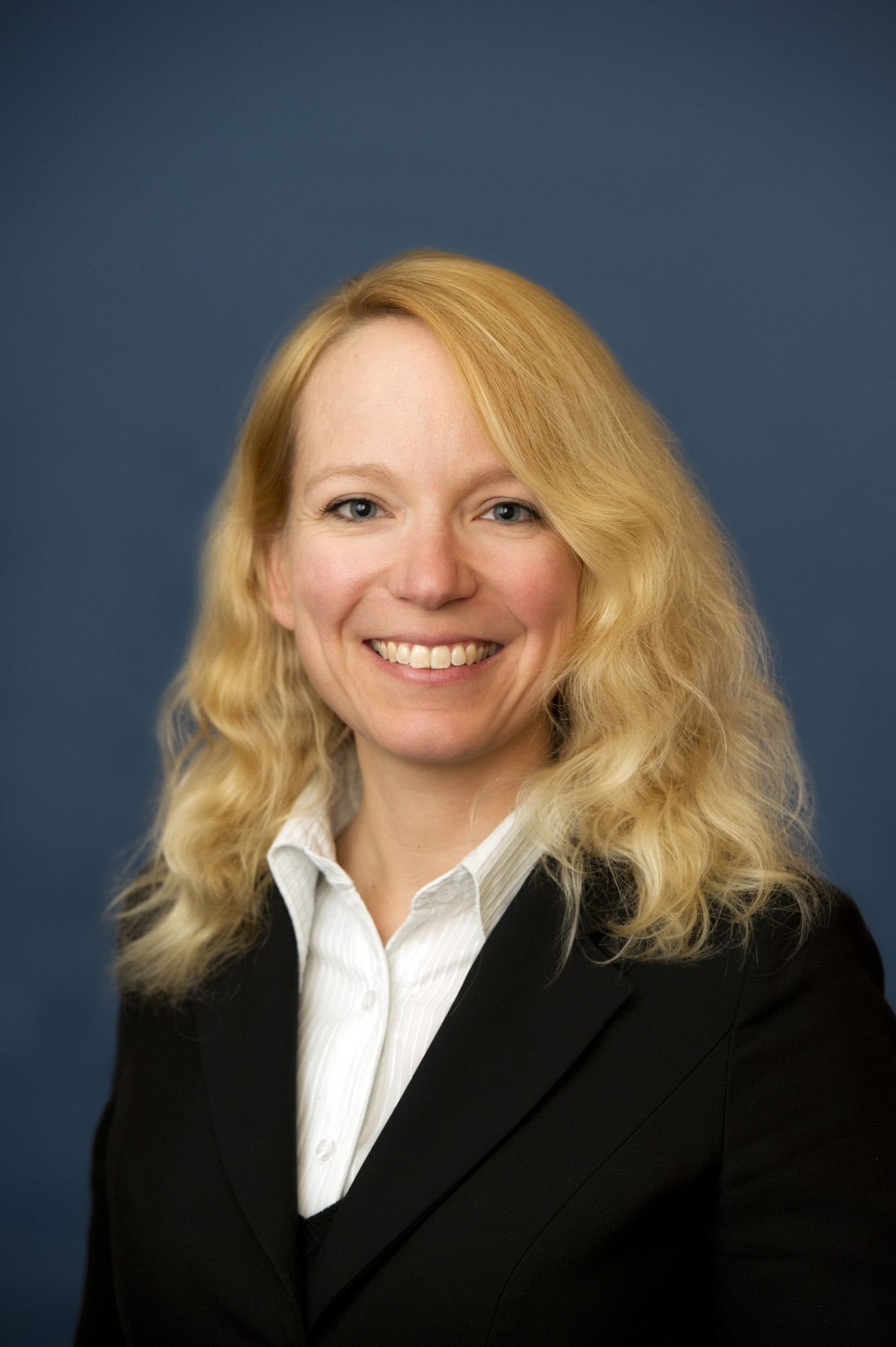
Former Nonresident Associate, Nuclear Policy Program
Saalman was a nonresident associate in the Nuclear Policy Program at the Carnegie Endowment for International Peace. Her research focuses on China’s nuclear and strategic policies toward India, Russia, and arms control.
Recent Work
Lora Saalman
Lora Saalman
Carnegie does not take institutional positions on public policy issues; the views represented herein are those of the author(s) and do not necessarily reflect the views of Carnegie, its staff, or its trustees.

Trump has promised Belarus a massive potash deal. But Minsk is seeking something greater: restored Western transit and greater room for maneuver from Russia.

Balázs Jarábik

The European far right might fail to steer EU policy in the direction Russia wants, but they will create enough chaos inside Europe to benefit the Kremlin.

Dimitar Bechev

Minsk clearly expected the dialogue with Washington to yield more results, in particular the lifting of EU sanctions and permission to export potash.

Artyom Shraibman

With the growth in points of friction between the great powers, organizations like the SCO will continue to play a role in the strategic adaptation of the smaller powers caught between them.

Temur Umarov
Two divergent trends—Putin’s hardline vision of how to prosecute the war in Ukraine, and a growing desire for change in Russia—could tear the regime apart.

Tatiana Stanovaya