

Commentary
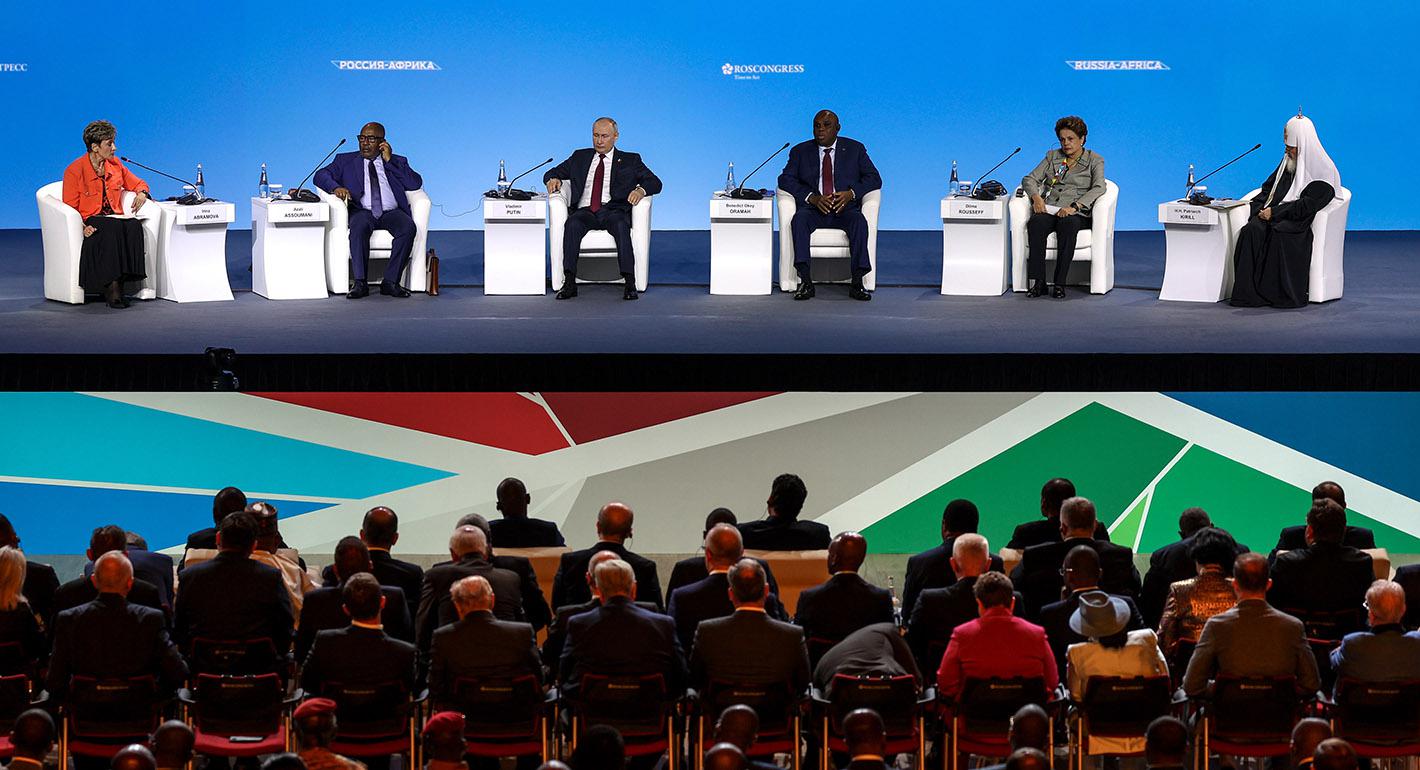
Trade volumes between Russia and African nations have fallen since the last event in 2019, while the war in Ukraine and Wagner’s activities on the continent have strained political ties.
Vadim Zaytsev
{
  "authors": [],
  "type": "pressRelease",
  "centerAffiliationAll": "dc",
  "centers": [
    "Carnegie Endowment for International Peace"
  ],
  "collections": [],
  "englishNewsletterAll": "menaTransitions",
  "nonEnglishNewsletterAll": "",
  "primaryCenter": "Carnegie Endowment for International Peace",
  "programAffiliation": "MEP",
  "programs": [
    "Middle East"
  ],
  "projects": [],
  "regions": [
    "North Africa",
    "Egypt"
  ],
  "topics": []
}
REQUIRED IMAGE
The bombing of a Coptic Christian church in Egypt on New Year’s Day reflected a sharp rise in religious friction. In testimony before the Tom Lantos Human Rights Commission, Michele Dunne explains that for years sectarian tensions have been slowly brewing in Egypt. Dunne details what the Egyptian government must do to curb the recent outbreak of violence and how the United States can spur change.
WASHINGTON, January 21—The bombing of a Coptic Christian church in Egypt on New Year’s Day reflected a sharp rise in religious friction. In testimony before the Tom Lantos Human Rights Commission, Michele Dunne explains that for years sectarian tensions have been slowly brewing in Egypt. Dunne details what the Egyptian government must do to curb the recent outbreak of violence and how the United States can spur change.
Policy Recommendations:
"Discrimination against Christians and sectarian tensions are likely to persist until all Egyptian citizens enjoy enhanced human, civil, and political rights," concludes Dunne.
NOTES
Click here to read the full testimony online
Michele Dunne is a senior associate at the Carnegie Endowment for International Peace and editor of the online journal, the Arab Reform Bulletin. A former specialist at the U.S. Department of State and the White House on Middle East affairs, she served in assignments including the National Security Council staff, the Secretary of State’s Policy Planning Staff, the U.S. Embassy in Cairo, the U.S. Consulate General in Jerusalem, and the Department of State’s Bureau of Intelligence and Research.
The Carnegie Middle East Program combines in-depth local knowledge with incisive comparative analysis to examine economic, socio-political, and strategic interests in the Arab world to provide analysis and recommendations in both English and Arabic that are deeply informed by knowledge and views from the region.
The Carnegie Middle East Center based in Beirut, Lebanon, aims to better inform the process of political change in the Middle East.
Carnegie's Arab Reform Bulletin analyzes political reform in the Middle East.
Press Contact: Karly Schledwitz, 202-939-2233, pressoffice@ceip.org
Carnegie does not take institutional positions on public policy issues; the views represented herein are those of the author(s) and do not necessarily reflect the views of Carnegie, its staff, or its trustees.
Trade volumes between Russia and African nations have fallen since the last event in 2019, while the war in Ukraine and Wagner’s activities on the continent have strained political ties.
Vadim Zaytsev
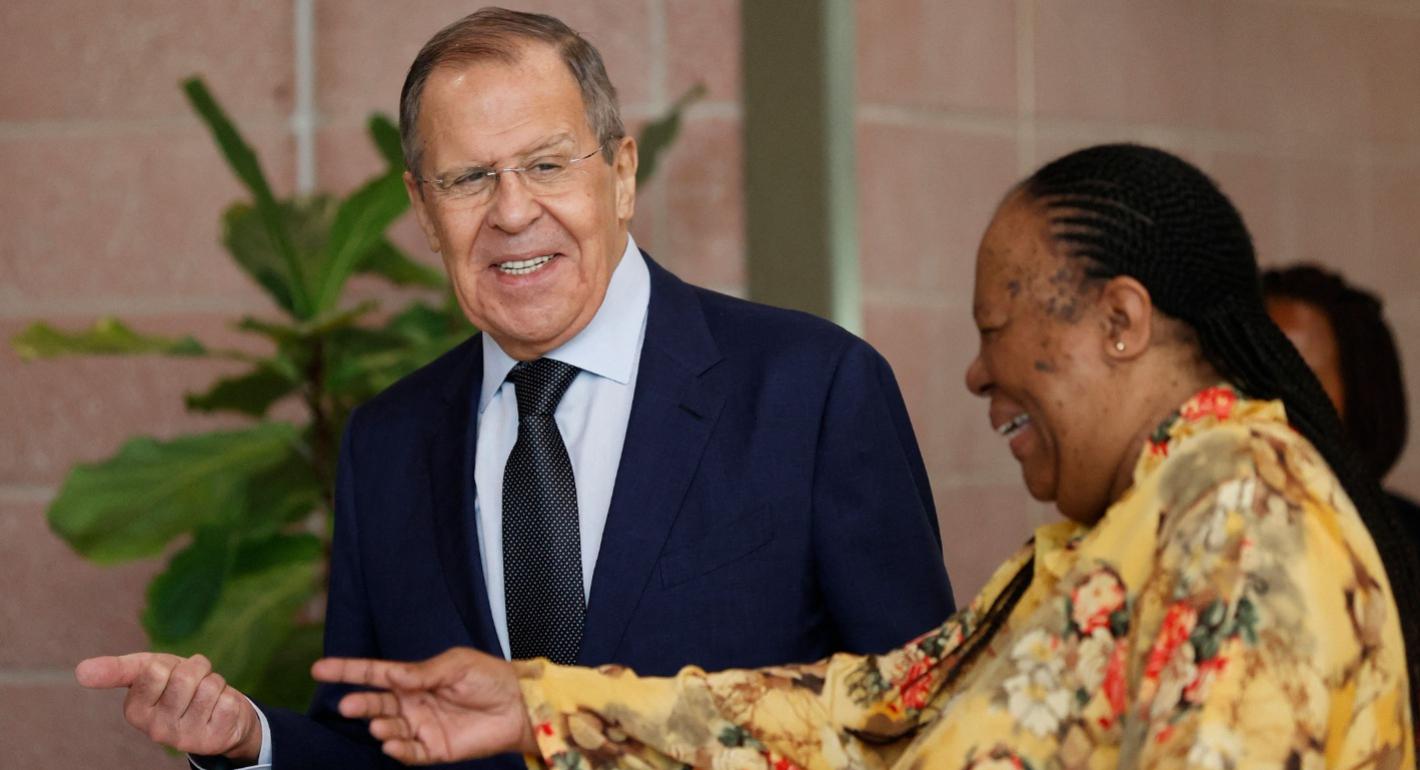
Africa is becoming a battlefield of artificial narratives. The Kremlin pretends it is creating a “second front” and challenging the rules-based order, while the West feigns concern over the Kremlin’s actions there, while knowing perfectly well that the main threat to its interests in the region is actually China.
Vadim Zaytsev
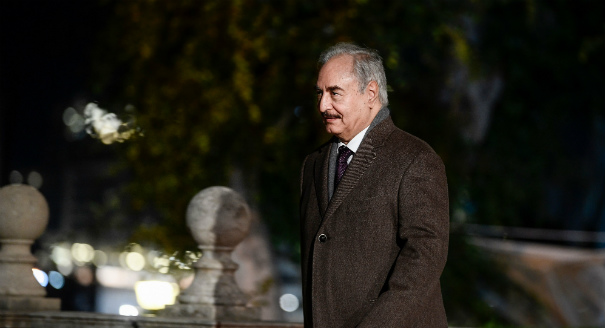
In order to secure its economic interests in Libya, Russia is seeking to bolster Haftar’s influence over a future UN-brokered diplomatic settlement.
Samuel Ramani
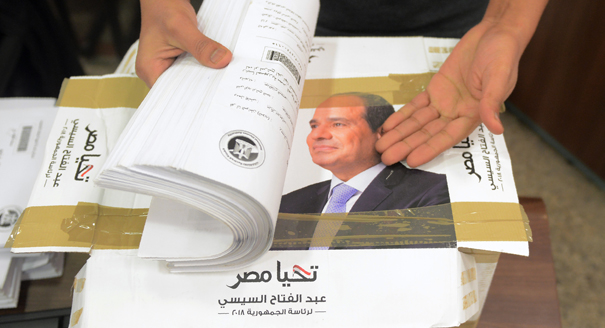
Egypt’s upcoming presidential election may not remove the incumbent, but many problems lie ahead if he wins.

Michele Dunne
Based on the data, policymakers and practitioners need to ask hard questions about whether the terrorist threat justifies a continuing U.S. military buildup in Africa.

Steve Feldstein