

Commentary
When faced with fuel shortages in the past, Central Asian governments could always count on additional supplies from Moscow. That safety net no longer exists.
Galiya Ibragimova
{
  "authors": [],
  "type": "pressRelease",
  "centerAffiliationAll": "",
  "centers": [
    "Carnegie Endowment for International Peace"
  ],
  "collections": [],
  "englishNewsletterAll": "",
  "nonEnglishNewsletterAll": "",
  "primaryCenter": "Carnegie Endowment for International Peace",
  "programAffiliation": "",
  "programs": [],
  "projects": [],
  "regions": [
    "North America"
  ],
  "topics": [
    "Economy",
    "Trade"
  ]
}
REQUIRED IMAGE
The idea of global rebalancing—which aims to reduce trade deficits and surpluses—receives a great deal of attention and is a main agenda item at this weekend’s G20 finance ministers meeting. In a new policy brief, however, Uri Dadush writes that this focus is misguided.
WASHINGTON, February 17—The idea of global rebalancing—which aims to reduce trade deficits and surpluses—receives a great deal of attention and is a main agenda item at this weekend’s G20 finance ministers meeting. In a new policy brief, however, Uri Dadush writes that this focus is misguided. Obsessing over global rebalancing stokes currency and protectionist tensions and diverts attention from what is really needed—reforms at home.
Key Conclusions:
"The rebalancing dispute rages on," writes Dadush. "The G20, beginning with the United States, may soon have to make a choice: deal decisively with the profound domestic vulnerabilities that the global financial crisis exposed, or put at risk the open, rules-based trading system that has underpinned postwar prosperity."
NOTES
Click here to read the policy brief online.
Uri Dadush is senior associate and director in Carnegie's International Economics Program. His work currently focuses on trends in the global economy, the global financial crisis, and the euro crisis. Dadush previously served as the World Bank’s director of international trade and director of economic policy. He has also served concurrently as the director of the Bank’s world economy group. Prior to joining the World Bank, he was president and CEO of the Economist Intelligence Unit and Business International.
The Carnegie International Economics Program monitors and analyzes short- and long-term trends in the global economy, including macroeconomic developments, trade, commodities, and capital flows, and draws out policy implications. The current focus of the Program is the global financial crisis and the policy issues raised. Among other research, the Program examines the ramifications of the rising weight of developing countries in the global economy.
Press Contact: Karly Schledwitz, 202-939-2233, pressoffice@ceip.org
Carnegie does not take institutional positions on public policy issues; the views represented herein are those of the author(s) and do not necessarily reflect the views of Carnegie, its staff, or its trustees.

When faced with fuel shortages in the past, Central Asian governments could always count on additional supplies from Moscow. That safety net no longer exists.

Galiya Ibragimova
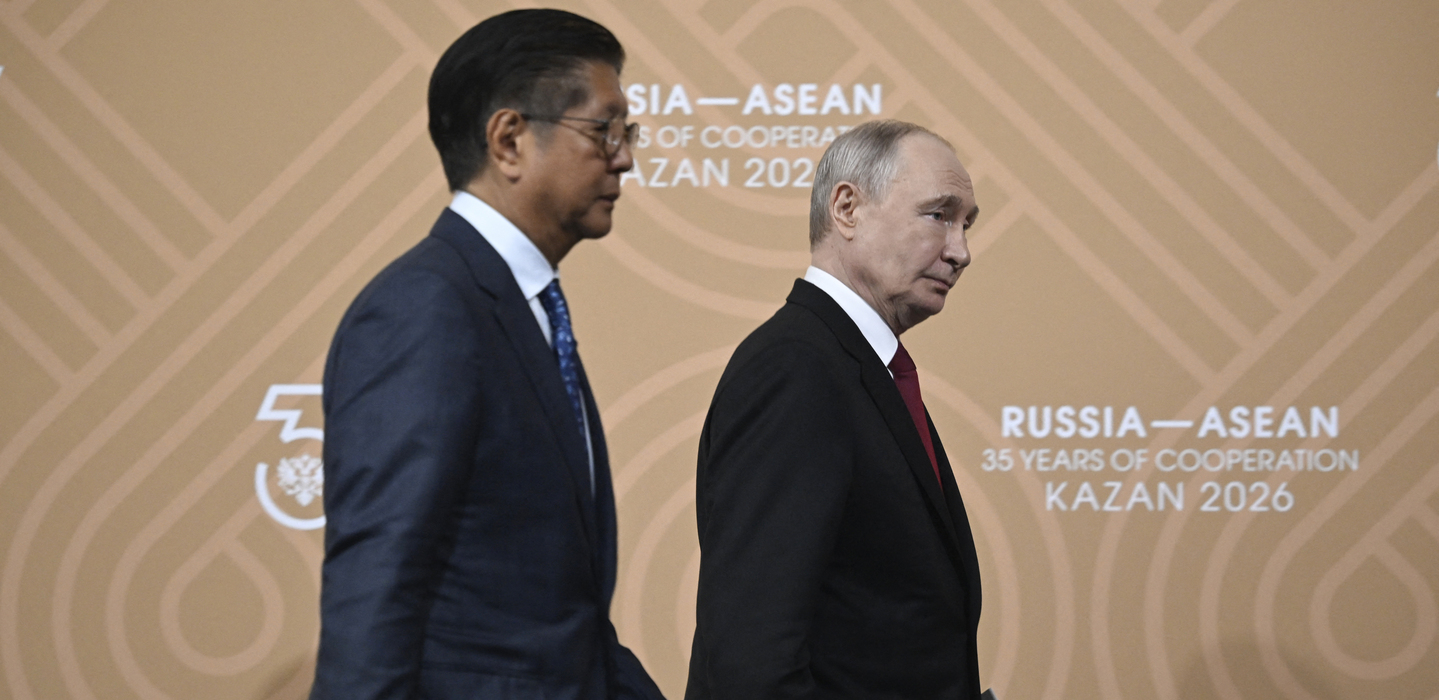
Russia looks set to reap economic benefits from closer ties with Southeast Asian countries that are keen to find reliable energy suppliers and diversify trade ties.

Alexander Gabuev
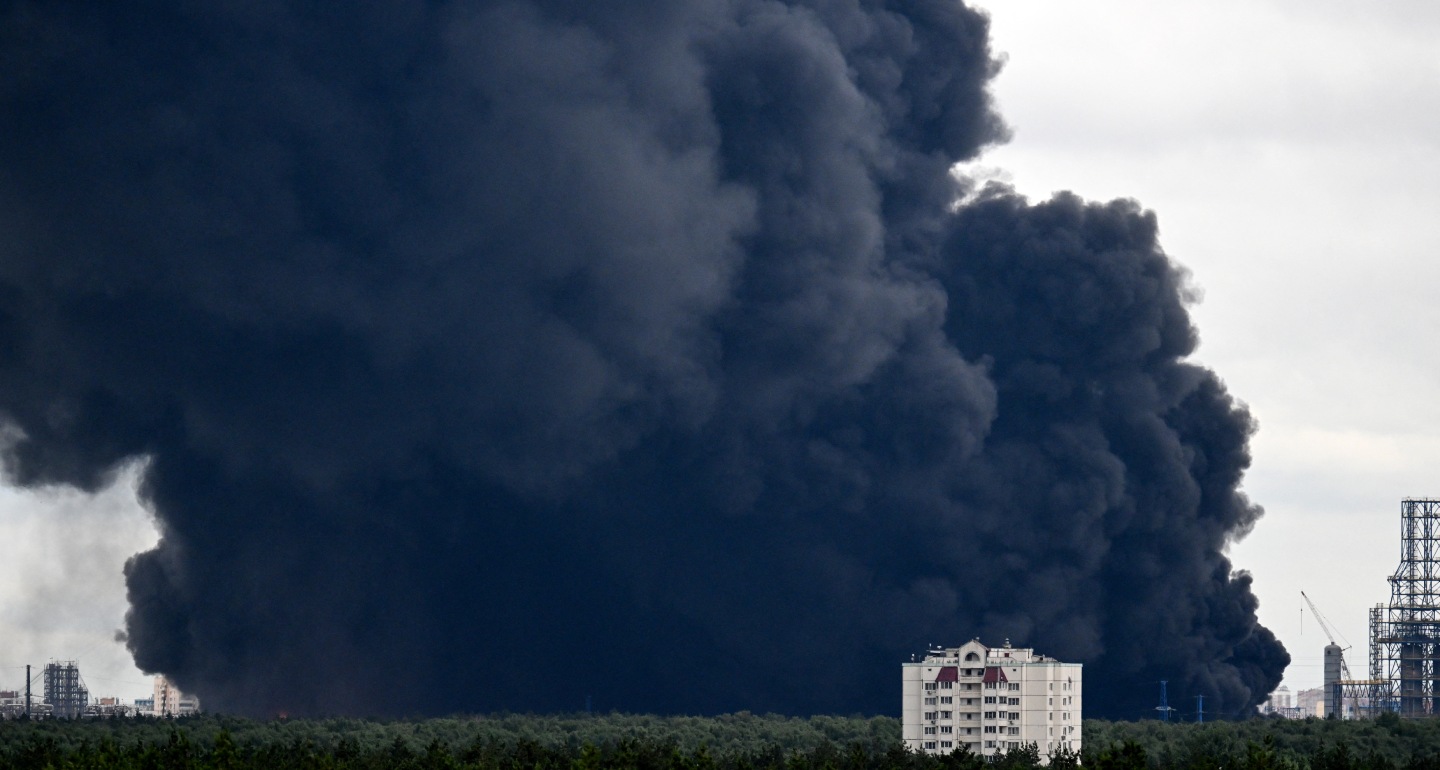
If it proves impossible for the Russian authorities to avoid a gasoline deficit, the question then becomes how they will organize the distribution of a scarce resource.

Sergey Vakulenko
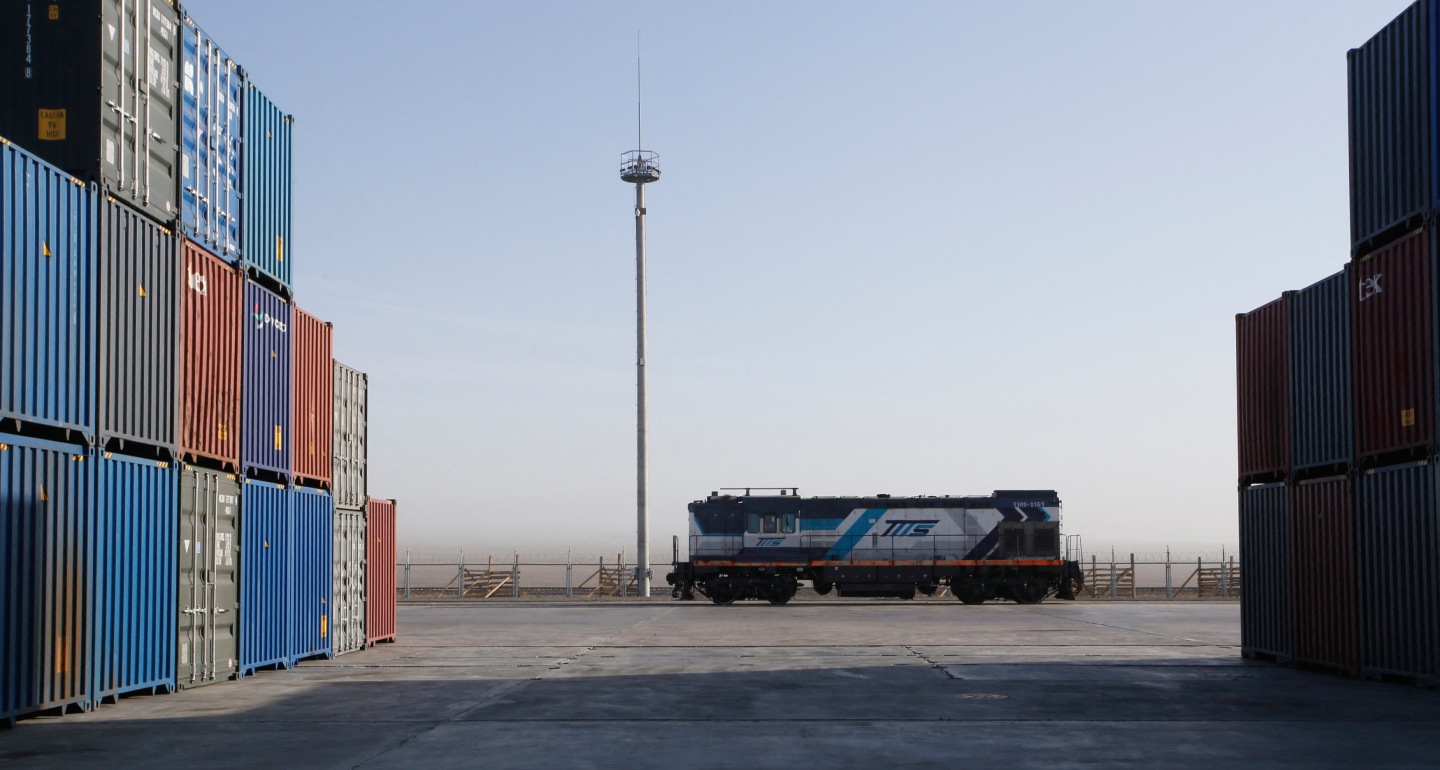
This year’s wars have made alternative routes to transit through Russia no less risky for Central Asian countries.
Galiya Ibragimova

A much-discussed disagreement over internet restrictions in Russia was never an existential threat for Putin: It was about elite groups protecting their interests.

Alexandra Prokopenko