

Paper
Lora Saalman
{
  "authors": [
    "Lora Saalman"
  ],
  "type": "legacyinthemedia",
  "centerAffiliationAll": "dc",
  "centers": [
    "Carnegie Endowment for International Peace",
    "Carnegie China"
  ],
  "collections": [],
  "englishNewsletterAll": "ctw",
  "nonEnglishNewsletterAll": "",
  "primaryCenter": "Carnegie Endowment for International Peace",
  "programAffiliation": "NPP",
  "programs": [
    "Nuclear Policy"
  ],
  "projects": [],
  "regions": [
    "South Asia",
    "India",
    "East Asia",
    "China"
  ],
  "topics": [
    "Nuclear Policy"
  ]
}
Source: Getty
China’s perception of India’s military modernization and space capabilities has evolved over recent years, and growing bilateral strains demonstrate the need for collaborative measures to reduce tensions and clarify national policies.
Source: James Martin Center for Nonproliferation Studies
China is increasingly paying attention to India’s military modernization and space capabilities. Carnegie’s Lora Saalman combed archives of key Chinese military, international relations, science, and security journals for articles referencing India, tracking changes in the depth and frequency with which they discuss India. She noticed five trends reflected in the way that prominent international relations journals describe China, which she presented at a luncheon seminar at the James Martin Center for Nonproliferation Studies. Increasingly, articles:
Saalman also interviewed Chinese and Indian officials and analysts. She noted that many within China were particularly concerned about creating an enduring stability and cooperation with India, a perspective that was less pronounced in India and even scarcer in journal articles. Saalman advocated collaborative measures to reduce the perception of bilateral threats, including the collaborative composition of a glossary to reduce the notorious ambiguity in space weapons terms. She also suggested that India and China develop Codes of Conduct to better align their policies on space and their border.

Former Nonresident Associate, Nuclear Policy Program
Saalman was a nonresident associate in the Nuclear Policy Program at the Carnegie Endowment for International Peace. Her research focuses on China’s nuclear and strategic policies toward India, Russia, and arms control.
Recent Work
Lora Saalman
Lora Saalman
Carnegie does not take institutional positions on public policy issues; the views represented herein are those of the author(s) and do not necessarily reflect the views of Carnegie, its staff, or its trustees.
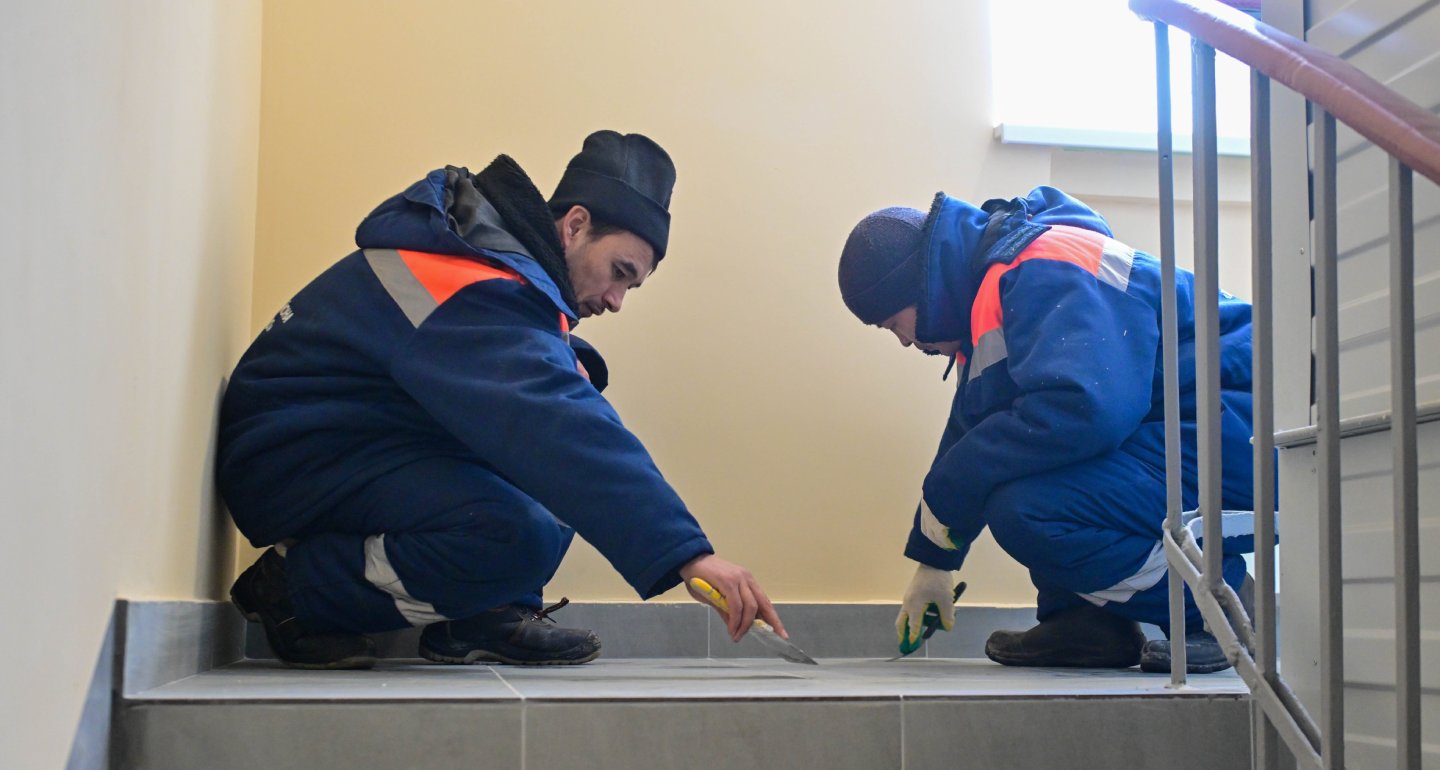
The demands of the Kremlin’s war in Ukraine, demographic problems, and public hostility toward Central Asians mean Russia does not have enough workers.
Salavat Abylkalikov
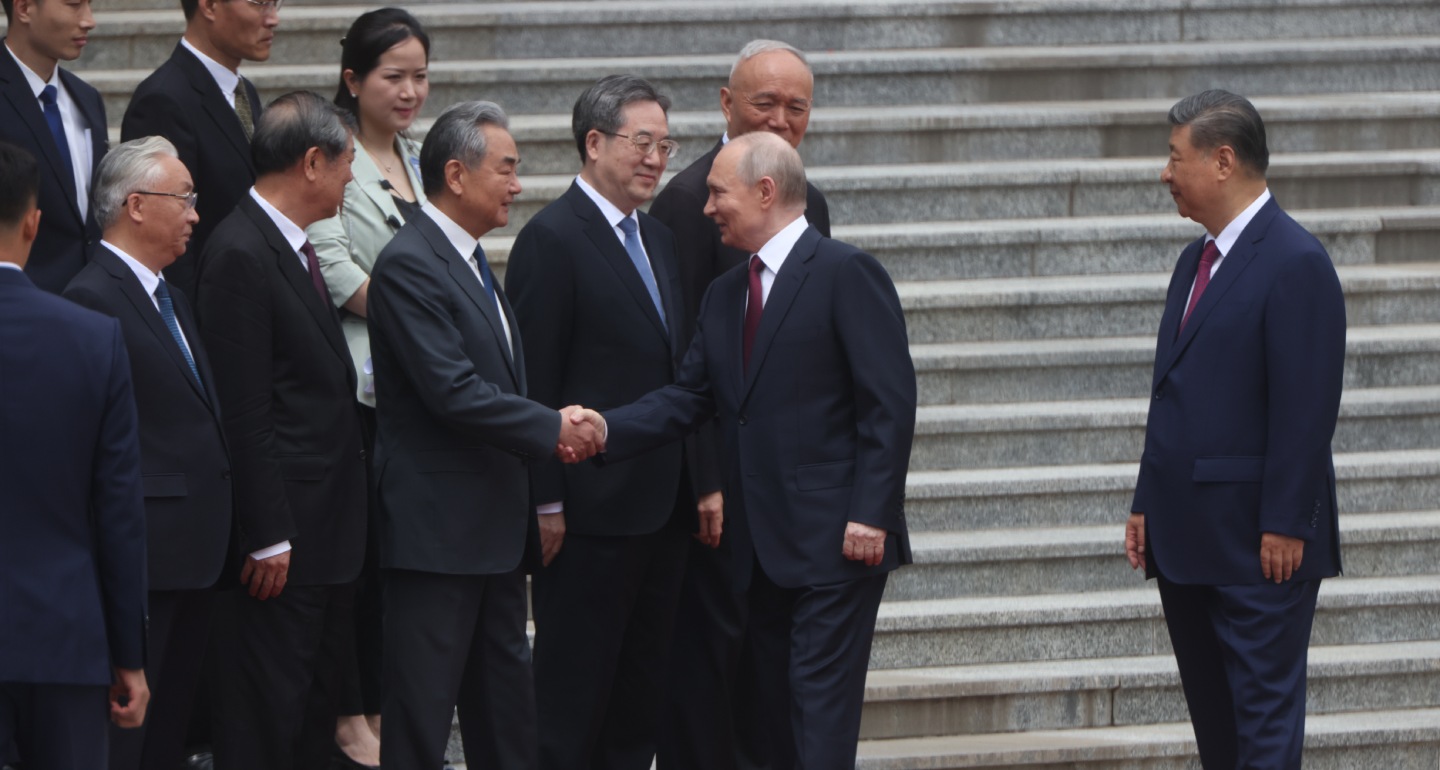
With no key agreement signed on the Power of Siberia 2 gas pipeline, there is a risk that the window of opportunity for Russia will close if Chinese power generation becomes so green that new gas sources are no longer of any interest to Beijing.

Alexander Gabuev

Tokyo would have to surmount a lot of obstacles—not least Western sanctions—if it wanted to return Russian oil imports to even modest pre-2022 volumes.

Vladislav Pashchenko
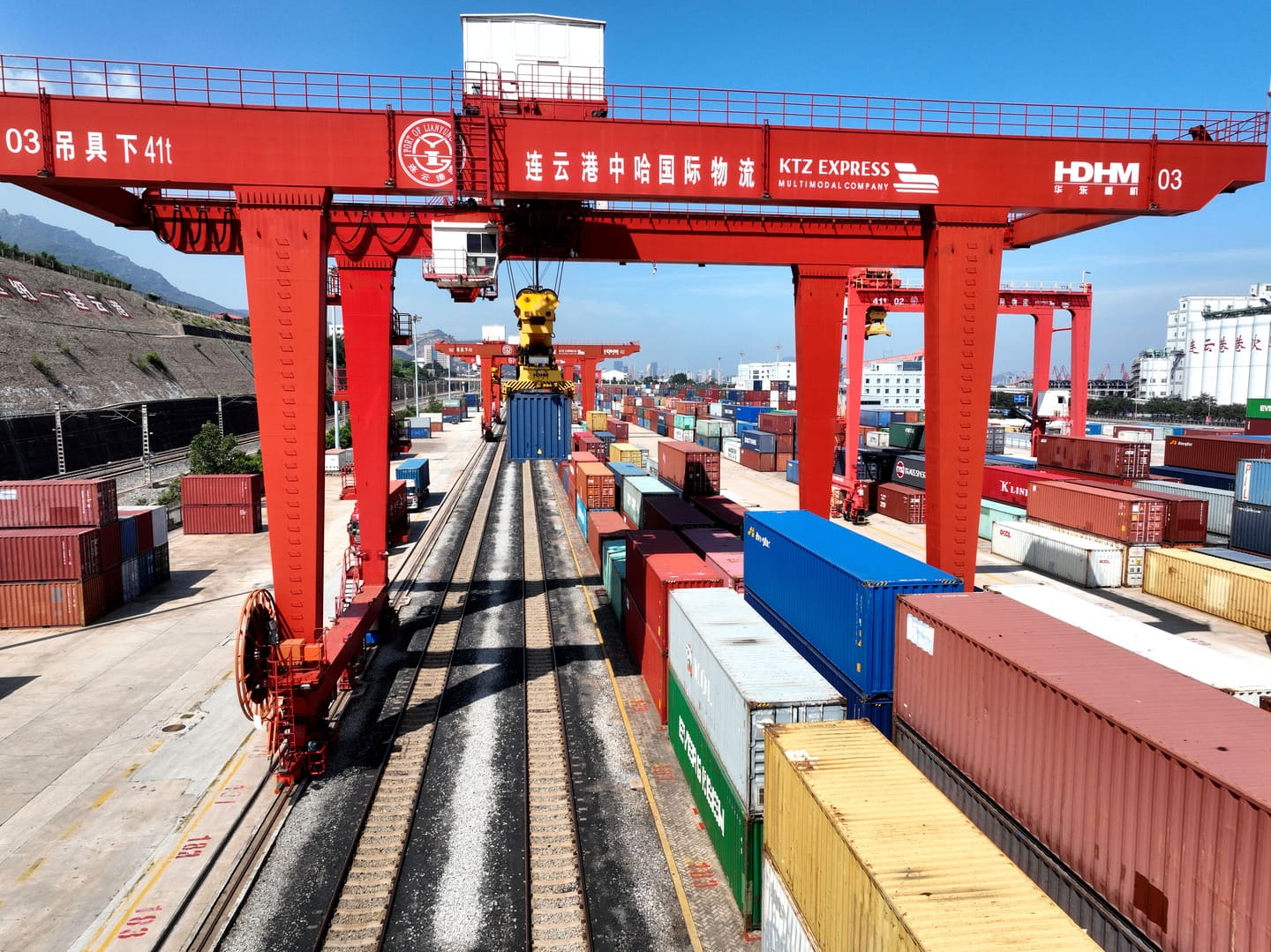
For the Middle Corridor to fulfill its promises, one of these routes must become scalable. At present, neither is.

Friedrich Conradi

Troubled by the growing salience of nuclear debates in East Asia, Moscow has responded in its usual way: with condemnation and threats. But by exacerbating insecurity, Russia is forcing South Korea and Japan to consider radical security options.

James D.J. Brown