

Commentary
Evan A. Feigenbaum
{
  "authors": [
    "Evan A. Feigenbaum"
  ],
  "type": "other",
  "centerAffiliationAll": "dc",
  "centers": [
    "Carnegie Endowment for International Peace"
  ],
  "collections": [],
  "englishNewsletterAll": "asia",
  "nonEnglishNewsletterAll": "",
  "primaryCenter": "Carnegie Endowment for International Peace",
  "programAffiliation": "AP",
  "programs": [
    "Asia"
  ],
  "projects": [],
  "regions": [
    "South Asia",
    "East Asia",
    "Southeast Asia"
  ],
  "topics": []
}
Source: Getty
While Asia is being reborn and remade, the United States is badly prepared for this momentous rebirth, making it less relevant in each of Asia's constituent parts.
Source: Washington Quarterly

Today, after a 300-year hiatus, Asia is being reconnected at last. Chinese traders are again hawking their wares in Kyrgyz bazaars. Straits bankers are financing deals in India, with Singapore having become the second-largest source of India’s incoming foreign direct investment over the last decade (behind only Mauritius, which retains first place because of tax avoidance incentives). China lies at the core of industrial supply and production chains that stretch across Southeast Asia. And Chinese workers are building ports and infrastructure from Bangladesh to Pakistan to Sri Lanka. The governments of Turkmenistan and Uzbekistan have sold electricity southward, reconnecting their power grids to Afghanistan, while Kyrgyzstan and Tajikistan have signed an intergovernmental memorandum to sell electricity to Afghanistan and Pakistan. Chinese, Japanese, and Korean money is flowing across Asia.

Vice President for Studies
Evan A. Feigenbaum is vice president for studies at the Carnegie Endowment for International Peace, where he oversees work at its offices in Washington, New Delhi, and Singapore on a dynamic region encompassing both East Asia and South Asia. He served twice as Deputy Assistant Secretary of State and advised two Secretaries of State and a former Treasury Secretary on Asia.
Recent Work
Evan A. Feigenbaum
Evan A. Feigenbaum
Carnegie does not take institutional positions on public policy issues; the views represented herein are those of the author(s) and do not necessarily reflect the views of Carnegie, its staff, or its trustees.
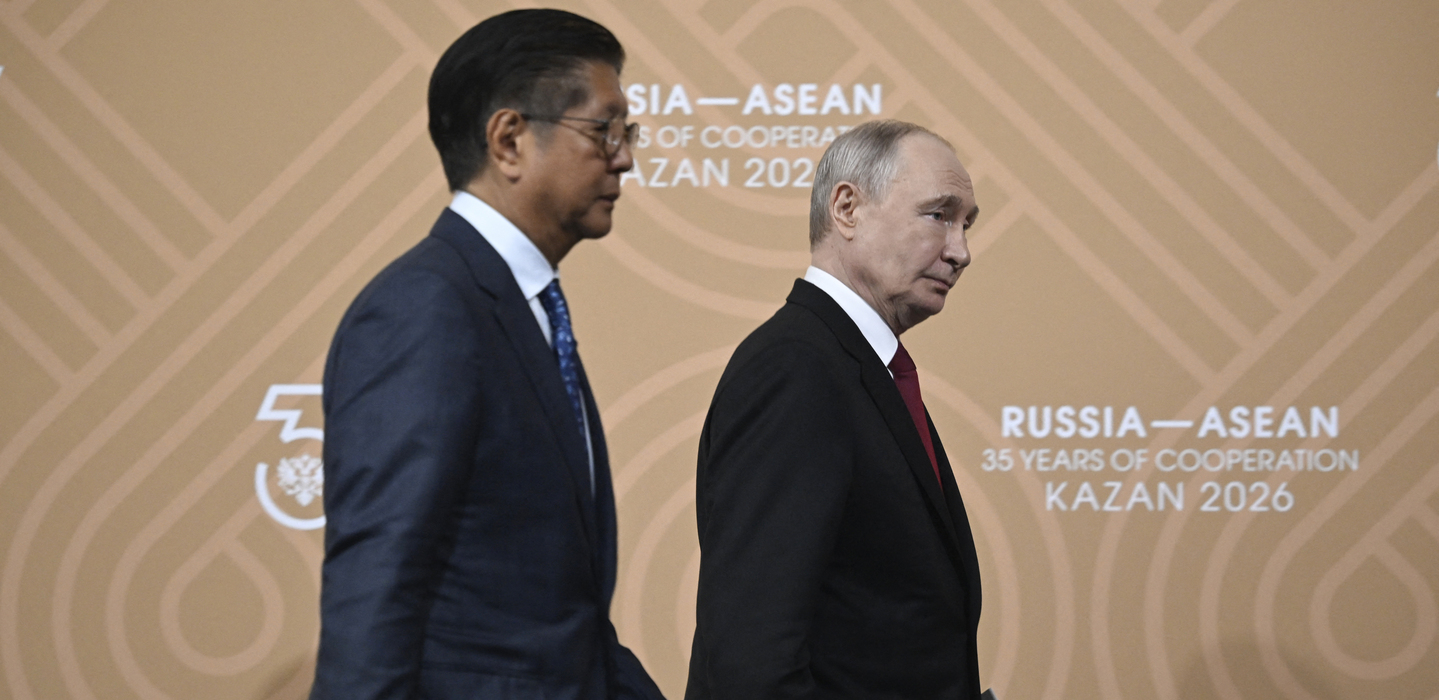
Russia looks set to reap economic benefits from closer ties with Southeast Asian countries that are keen to find reliable energy suppliers and diversify trade ties.

Alexander Gabuev

Tokyo would have to surmount a lot of obstacles—not least Western sanctions—if it wanted to return Russian oil imports to even modest pre-2022 volumes.

Vladislav Pashchenko
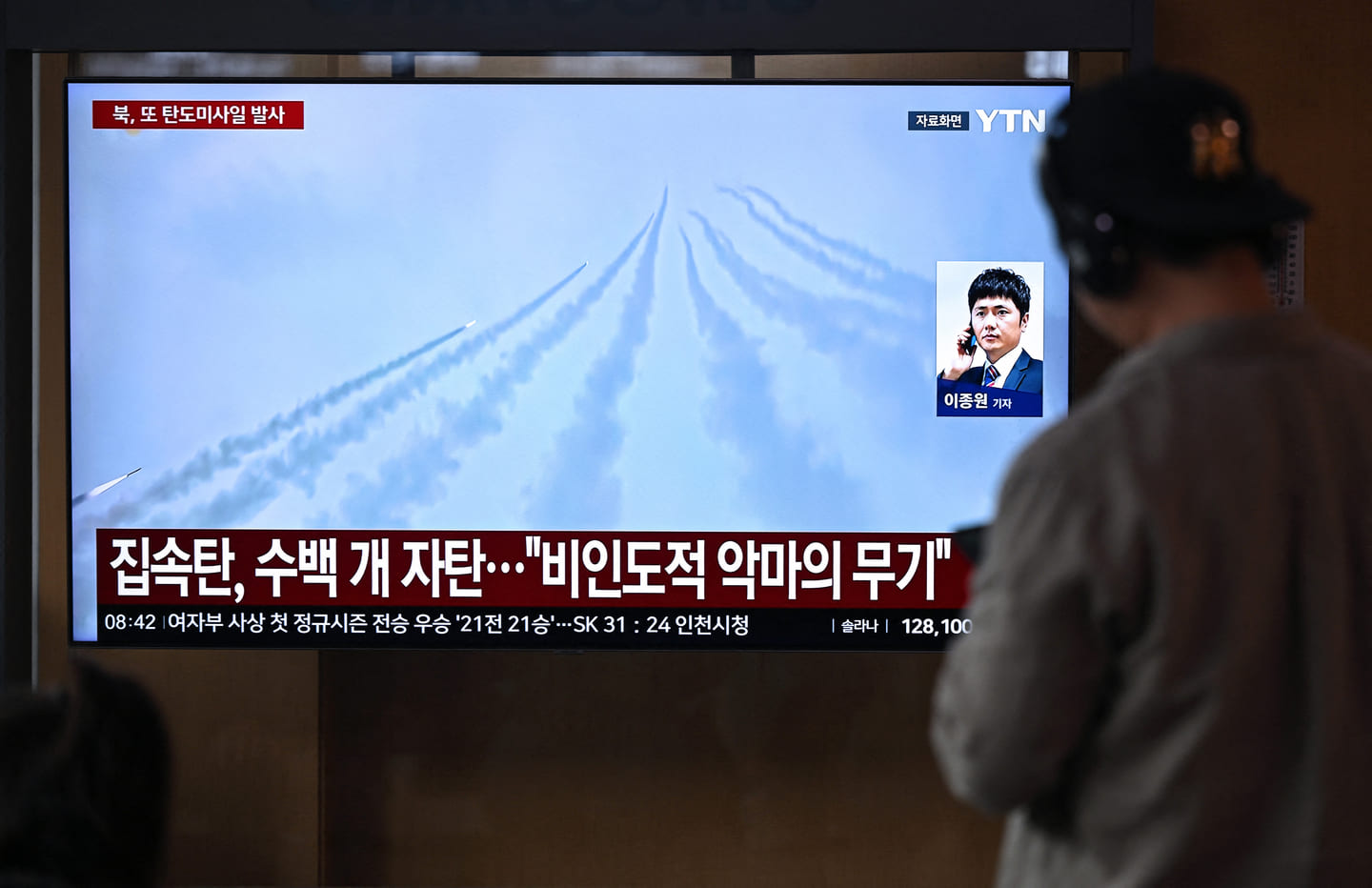
Troubled by the growing salience of nuclear debates in East Asia, Moscow has responded in its usual way: with condemnation and threats. But by exacerbating insecurity, Russia is forcing South Korea and Japan to consider radical security options.

James D.J. Brown
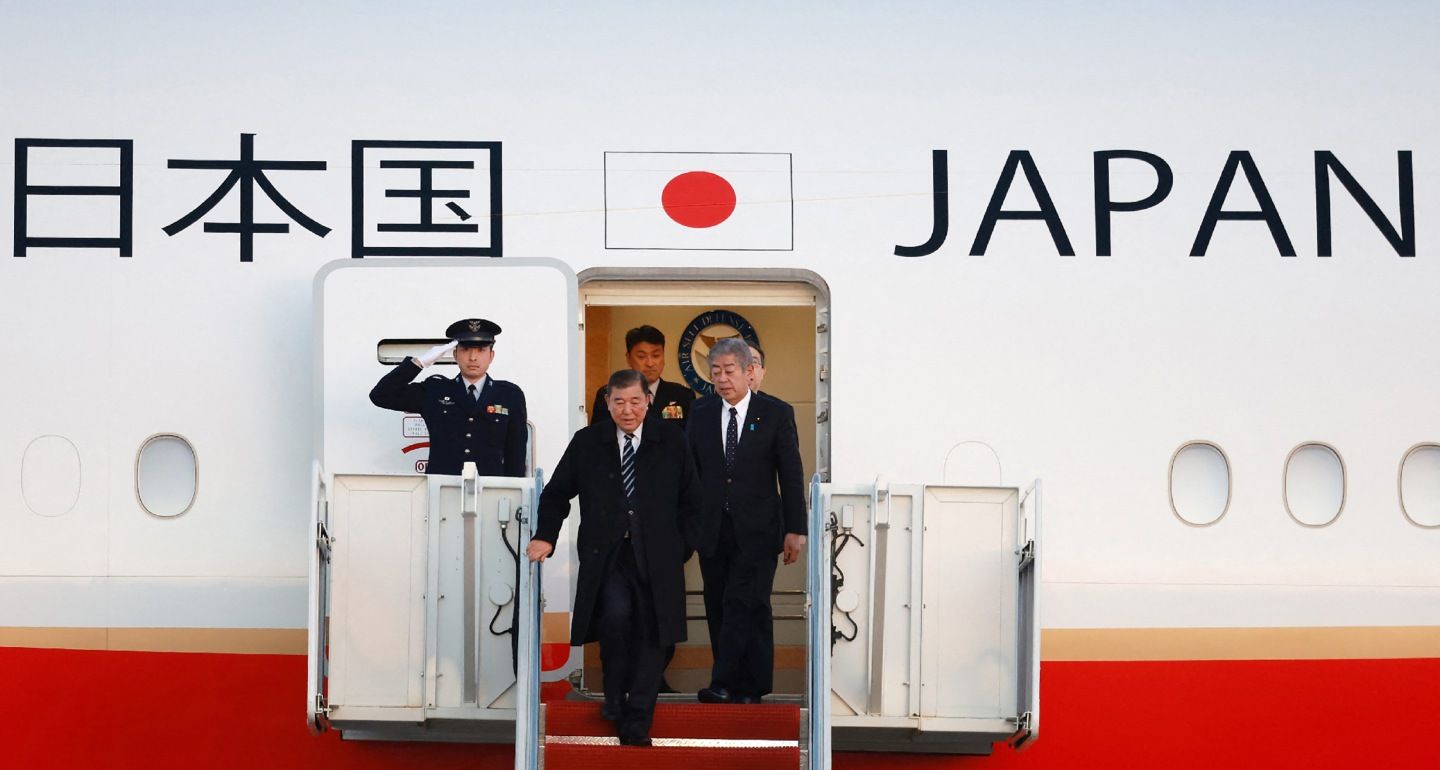
For Japan, much more so than for European countries, there is no alternative to the United States.
James D.J. Brown

China’s relationships with Central Asian borrowers are hardly one-size-fits-all. Chinese financial players have adapted and used different models, demonstrating the country’s flexibility as a lender.

Nargiza Muratalieva