• Research
  • Politika
  • About
Carnegie Russia Eurasia center logoCarnegie lettermark logo
  • Donate
{
  "authors": [
    "Lora Saalman"
  ],
  "type": "legacyinthemedia",
  "centerAffiliationAll": "",
  "centers": [
    "Carnegie Endowment for International Peace",
    "Carnegie China"
  ],
  "collections": [
    "China’s Foreign Relations"
  ],
  "englishNewsletterAll": "",
  "nonEnglishNewsletterAll": "",
  "primaryCenter": "Carnegie China",
  "programAffiliation": "",
  "programs": [],
  "projects": [],
  "regions": [
    "South Asia",
    "India",
    "East Asia",
    "China"
  ],
  "topics": [
    "Security",
    "Arms Control"
  ]
}
Source: Getty

In The Media
Carnegie China

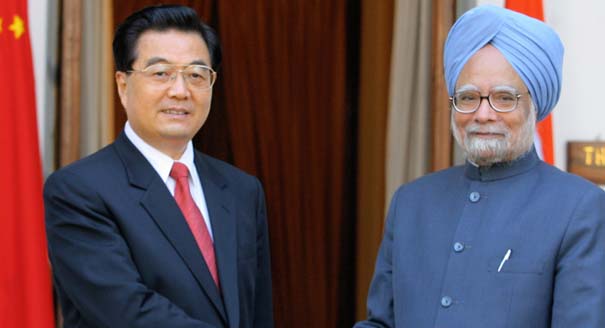
Divergence, Similarity and Symmetry in Sino-Indian Threat Perceptions

A close comparison of the security perceptions of Chinese and Indian strategic, scientific, and academic experts reveals that the Sino-Indian security dilemma cannot be simply viewed through the prism of the border anymore.

Link Copied
By Lora Saalman
Published on Jul 7, 2011

Source: Journal of International Affairs

China and India remain locked in a stagnant embrace when it comes to the most intractable of security dilemmas: the Sino-Indian border issue. A closer look at Chinese and Indian strategic, scientific and academic experts' security perceptions vis-à-vis one another reveals that there is much more to the Sino-Indian security dynamic than meets the eye. Chinese and Indian strategic analysts hold divergent interests when evaluating each other's military modernization, the former preoccupied with India's naval development and the latter with China's army. Technical analysts in each country share a similar level of interest in the other's aviation and aerospace programs. Scholars exhibit a strong, if not symmetrical, level of focus on the other country's nuclear strategy and status. Using this tripartite discourse as a baseline, this essay provides both a quantitative and qualitative analysis of each group's perceptions to better understand Sino-Indian security relations and to propose measures within each arena to enhance mutual understanding. It shows that the Sino-Indian security dilemma cannot be simply viewed through the prism of the border anymore. 

About the Author

Lora Saalman

Former Nonresident Associate, Nuclear Policy Program

Saalman was a nonresident associate in the Nuclear Policy Program at the Carnegie Endowment for International Peace. Her research focuses on China’s nuclear and strategic policies toward India, Russia, and arms control.

    Recent Work

  • Paper
    Balancing Chinese Interests on North Korea and Iran

      Lora Saalman

  • In The Media
    Why Beijing Stands by Pyongyang

      Lora Saalman

Lora Saalman
Former Nonresident Associate, Nuclear Policy Program
Lora Saalman
SecurityArms ControlSouth AsiaIndiaEast AsiaChina

Carnegie does not take institutional positions on public policy issues; the views represented herein are those of the author(s) and do not necessarily reflect the views of Carnegie, its staff, or its trustees.
More Work from Carnegie Russia Eurasia Center

  • Commentary
    Carnegie Politika
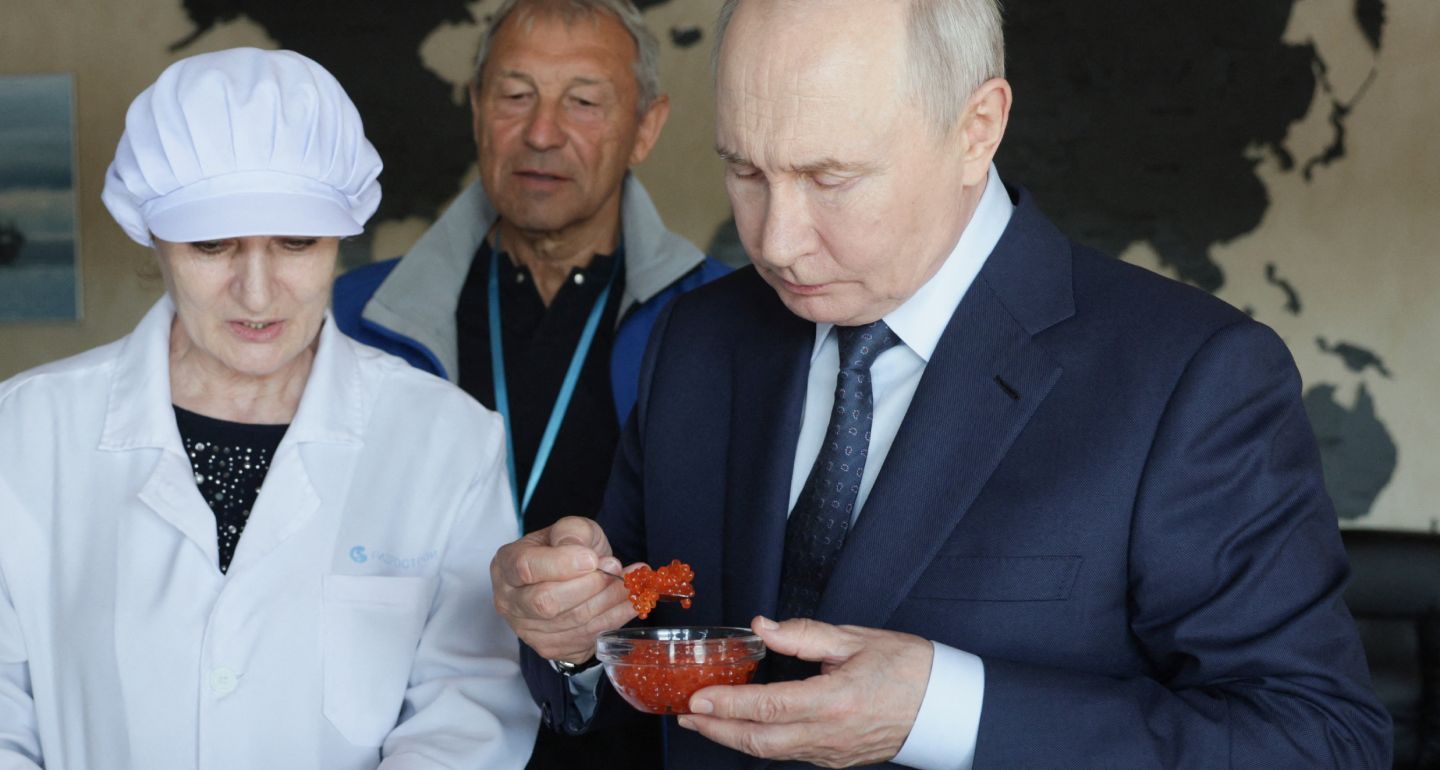
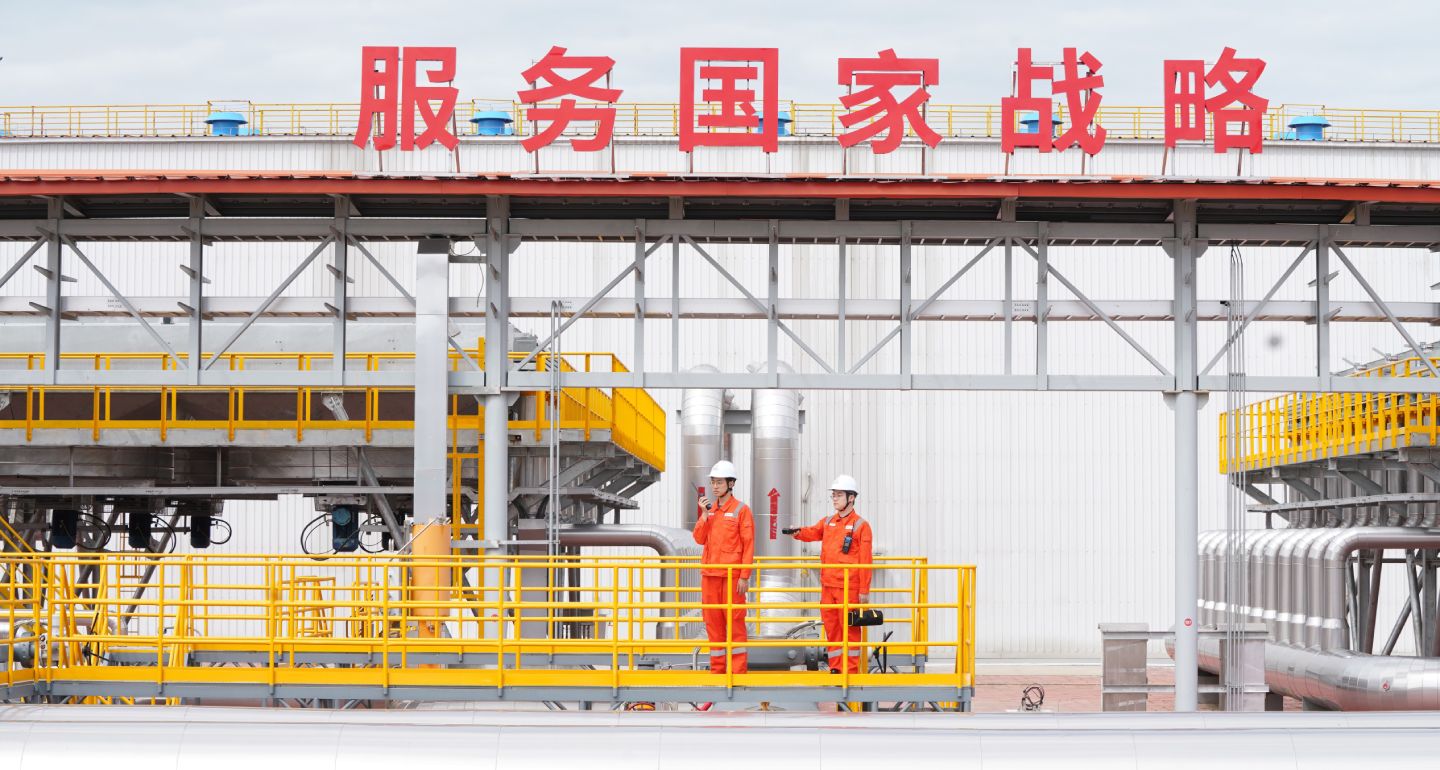
    Price Analysis Shows China Holds Upper Hand in Russia Gas Supply Talks

    A leak of Russian gas price data helps establish that China is paying Russia far less than Central Asian countries and Gazprom’s former European customers.

      • Sergey Vakulenko

      Sergey Vakulenko

  • Commentary
    Carnegie Politika
    Why Has Tokyo’s Response to Kremlin Challenges Been So Muted?

    Japan’s long-term security policy is driven by concerns about China, and there is little appetite for (or interest in) pursuing a confrontation with Moscow.  

      James D.J. Brown
  • Commentary
    Carnegie Politika
    The Future of Russian-European Relations Is Bleak

    The truth of the strategic situation is that Europe and Russia are extremely unlikely to be able to “turn the page” on their confrontation within the next two decades.

      Arkady Moshes

  • Commentary
    Carnegie Politika
    In the Kremlin’s AI Propaganda Blitz, the Noise Is the Signal

    Russia’s AI-driven propaganda campaigns operate in a fragmented, chaotic, and often illogical manner. That’s not necessarily a problem for the Kremlin, though: It’s much easier to mimic genuine public debate that way.

      Ilya Klishin
  • Commentary
    Carnegie Politika
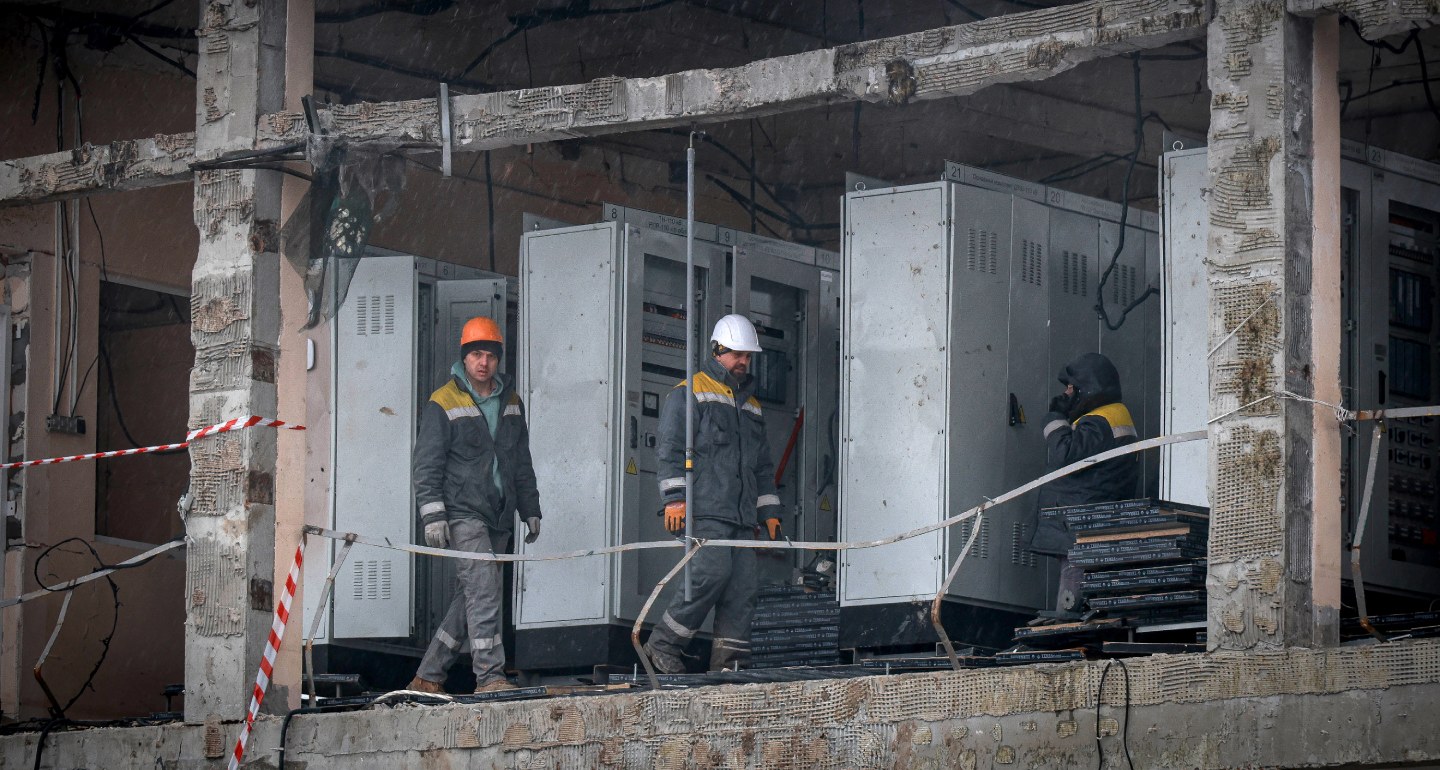
    Stalled at the Front, Russia Seeks to Undermine Ukraine’s Economic Capacity

    Russian strikes are weakening the economy sustaining Ukraine’s war effort. Closing the growing funding gap will require more European support and politically contentious reforms in Kyiv.

      Balázs Jarábik

Get more news and analysis from
Carnegie Russia Eurasia Center
Carnegie Russia Eurasia logo, white
  • Research
  • Politika
  • About
  • Experts
  • Events
  • Contact
  • Privacy
  • For Media
Get more news and analysis from
Carnegie Russia Eurasia Center
© 2026 Carnegie Endowment for International Peace. All rights reserved.