

Commentary
Yukon Huang, Isaac B. Kardon, Matt Sheehan
{
  "authors": [
    "Yukon Huang"
  ],
  "type": "legacyinthemedia",
  "centerAffiliationAll": "dc",
  "centers": [
    "Carnegie Endowment for International Peace",
    "Carnegie China"
  ],
  "collections": [
    "U.S.-China Relations"
  ],
  "englishNewsletterAll": "asia",
  "nonEnglishNewsletterAll": "",
  "primaryCenter": "Carnegie Endowment for International Peace",
  "programAffiliation": "AP",
  "programs": [
    "Asia"
  ],
  "projects": [],
  "regions": [
    "East Asia",
    "China"
  ],
  "topics": [
    "Economy",
    "Trade"
  ]
}
Source: Getty
The United States must generate more high-value jobs to capitalize on the opportunities presented by a rising China, which is likely to continue to make sustaining double-digit growth a key priority.
Source: CSPAN's Washington Journal
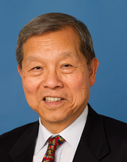
On CSPAN’s Washington Journal, Yukon Huang argues that sustaining double-digit growth will remain China's key priority in the coming decade. For its part, the United States must generate more high-value jobs to capitalize on the opportunities of a rising China and maintain a competitive position in the global economy.
While the United States is contending with fears of a renewed recession, China’s main concern is tackling inflation and maintaining double-digit growth for the coming decade, Huang explained. High household savings, government surpluses, and corporate profits have allowed China to invest 45 percent of its GDP, twice as much as a share of the economy as the United States. This investment has underpinned China’s productivity growth and rapid development, Huang added.
Given the roots of the financial crisis in the United States, China is understandably skeptical of arguments that it needs to emulate America in reducing investment and increasing consumption, Huang said. Nevertheless, China is well prepared to make the transition to a more consumption-led mode of development. Although birth rates have slowed, rapid, consistent growth over the past 30 years has created a middle class that is 300 to 400 million strong. Huang argued that the burgeoning middle class is driving annual retail growth of 10 to 15 percent, creating unprecedented opportunities for American companies.
China’s large trade surplus with the United States obscures its crucial role as an export market for American firms, whose profits are increasingly dependent on the spending habits of China's consumer class, Huang added. As Chinese producers climb the value ladder, the most important challenge facing the Obama administration is how to channel investment toward education and expand production capacity for high-tech, innovative product lines. Only then can the United States create high-value jobs and remain competitive in the global economy, Huang concluded.

Senior Fellow, Asia Program
Huang is a senior fellow in the Carnegie Asia Program where his research focuses on China’s economy and its regional and global impact.
Recent Work


Yukon Huang, Isaac B. Kardon, Matt Sheehan
Yukon Huang, Genevieve Slosberg
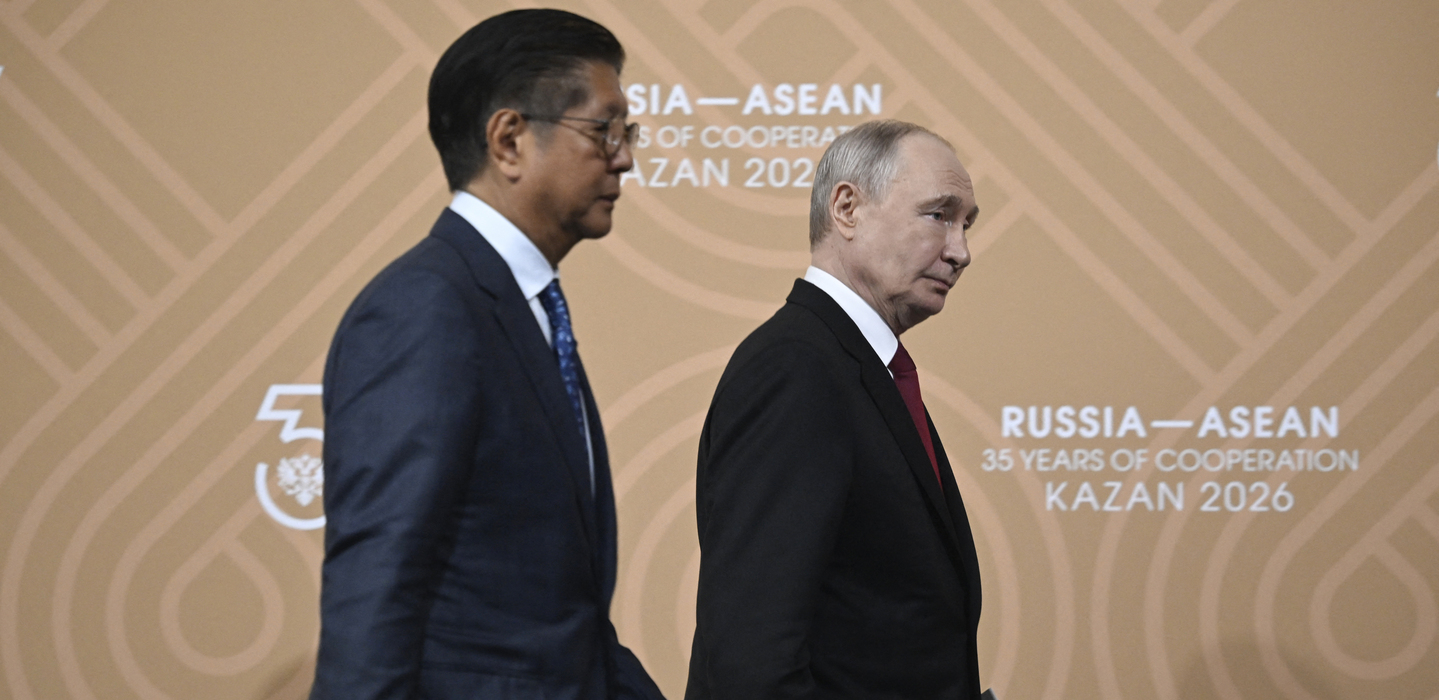
Russia looks set to reap economic benefits from closer ties with Southeast Asian countries that are keen to find reliable energy suppliers and diversify trade ties.

Alexander Gabuev

If it proves impossible for the Russian authorities to avoid a gasoline deficit, the question then becomes how they will organize the distribution of a scarce resource.

Sergey Vakulenko
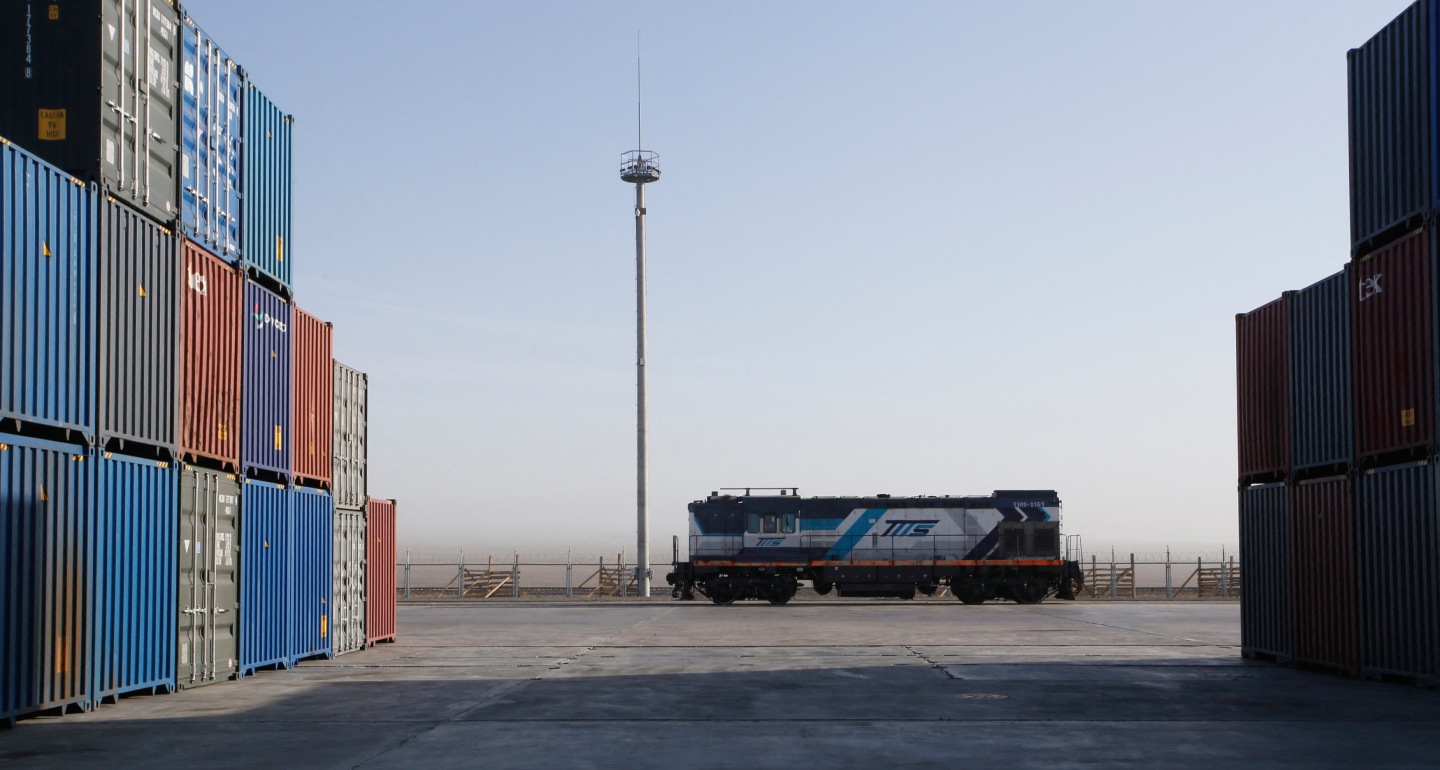
This year’s wars have made alternative routes to transit through Russia no less risky for Central Asian countries.

Galiya Ibragimova

A much-discussed disagreement over internet restrictions in Russia was never an existential threat for Putin: It was about elite groups protecting their interests.

Alexandra Prokopenko

The demands of the Kremlin’s war in Ukraine, demographic problems, and public hostility toward Central Asians mean Russia does not have enough workers.

Salavat Abylkalikov