

Commentary
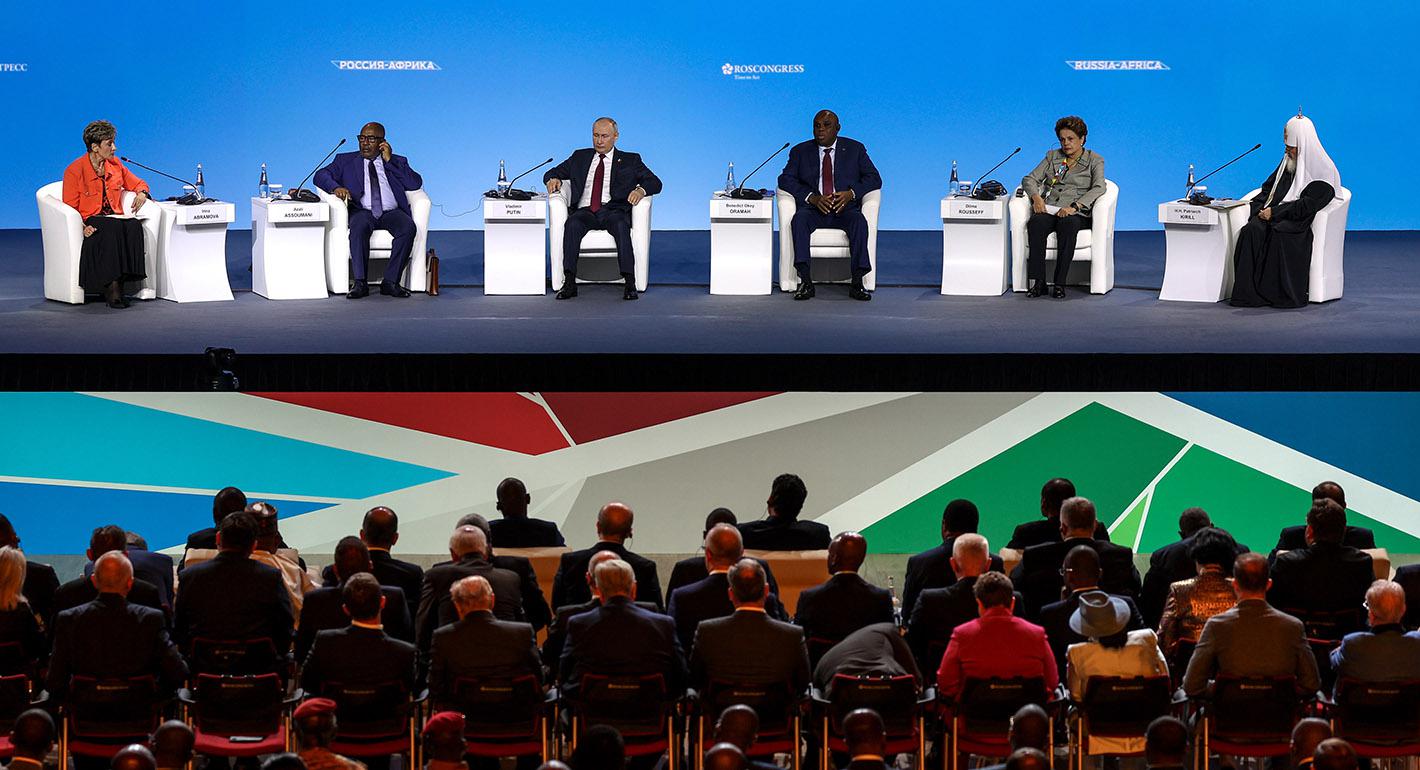
Trade volumes between Russia and African nations have fallen since the last event in 2019, while the war in Ukraine and Wagner’s activities on the continent have strained political ties.
Vadim Zaytsev
{
  "authors": [],
  "type": "other",
  "centerAffiliationAll": "",
  "centers": [
    "Carnegie Endowment for International Peace"
  ],
  "collections": [],
  "englishNewsletterAll": "",
  "nonEnglishNewsletterAll": "",
  "primaryCenter": "Carnegie Endowment for International Peace",
  "programAffiliation": "",
  "programs": [],
  "projects": [],
  "regions": [
    "North Africa",
    "Egypt"
  ],
  "topics": []
}
Source: Getty
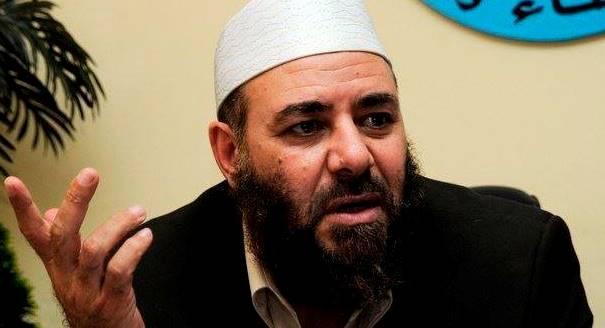
A backgrounder on the Building and Development Party.
This resource was published on 9/20/2011 and is not updated to reflected changing circumstances.
The Building and Development Party (al-Banna’ wa al-Tanmiyya) is the official political party of the Egyptian al-Gama’a al-Islamiyya (the Islamic Group). It was founded by the prominent Islamist Tareq al-Zumr following the January 2011 uprising. Al-Banna’ wa al-Tanmiyya was a member of the Democratic Alliance until it left on October 14, 2011, accusing the Brotherhood of monopolizing the political process and not dealing with them in good faith. The party won a number of seats in the 2011-2012 parliamentary elections as a member of the Islamist Alliance.
Tareq al-Zumr: Founder
Safwat Abd al-Ghani: Founder
Al-Shazli al-Sagher: Founder
Ashraf Tawfiq: Founder
Mohammed Essam Derbala: President of the Shura Council of the Egyptian al-Gama’a al-Islamiyya
Osama Hafez: Vice president of the Shura Council of the Egyptian al-Gama’a al-Islamiyya
On June 20, 2011, the Egyptian al-Gama’a al-Islamiyya announced the establishment of its official political wing, al-Banna’ wa al-Tanmiyya. The party was founded by a number of prominent members of al-Gama’a Islamiyya in Egypt, including Tareq al-Zumr and Safwat Abd al-Ghani. Tareq al-Zumr made headlines in Egypt in March 2011 when he was released from prison along with Aboud al-Zumr, after the two spent thirty years in prison for planning President Anwar al-Sadat’s assassination.
The party’s founders stated that their group has accepted the principles of political pluralism and equality and has renounced all forms of violence. On September 19, the Political Parties Affairs Committee denied the party a license because its platform was deemed “purely religious.” Al-Banna’ wa al-Tanmiyya finally gained official recognition as a political party in October 2011.
Carnegie does not take institutional positions on public policy issues; the views represented herein are those of the author(s) and do not necessarily reflect the views of Carnegie, its staff, or its trustees.
Trade volumes between Russia and African nations have fallen since the last event in 2019, while the war in Ukraine and Wagner’s activities on the continent have strained political ties.
Vadim Zaytsev
Africa is becoming a battlefield of artificial narratives. The Kremlin pretends it is creating a “second front” and challenging the rules-based order, while the West feigns concern over the Kremlin’s actions there, while knowing perfectly well that the main threat to its interests in the region is actually China.
Vadim Zaytsev
In order to secure its economic interests in Libya, Russia is seeking to bolster Haftar’s influence over a future UN-brokered diplomatic settlement.
Samuel Ramani
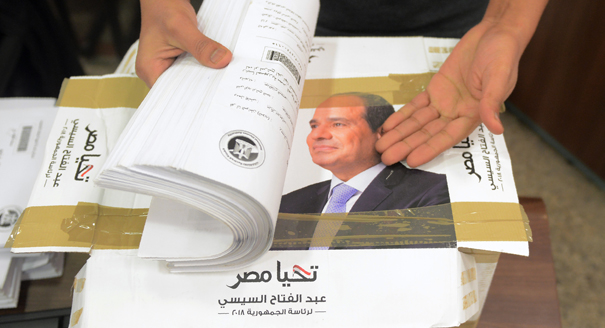
Egypt’s upcoming presidential election may not remove the incumbent, but many problems lie ahead if he wins.

Michele Dunne
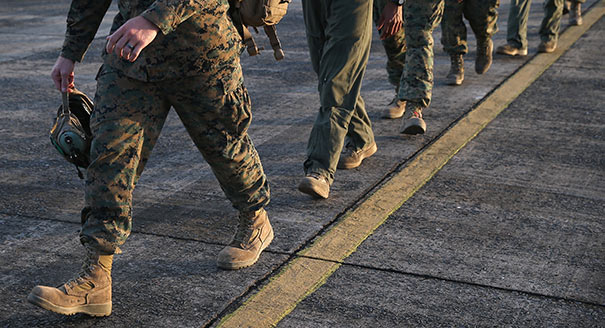
Based on the data, policymakers and practitioners need to ask hard questions about whether the terrorist threat justifies a continuing U.S. military buildup in Africa.

Steve Feldstein