

Commentary
Trade volumes between Russia and African nations have fallen since the last event in 2019, while the war in Ukraine and Wagner’s activities on the continent have strained political ties.
Vadim Zaytsev
{
  "authors": [],
  "type": "other",
  "centerAffiliationAll": "",
  "centers": [
    "Carnegie Endowment for International Peace"
  ],
  "collections": [],
  "englishNewsletterAll": "",
  "nonEnglishNewsletterAll": "",
  "primaryCenter": "Carnegie Endowment for International Peace",
  "programAffiliation": "",
  "programs": [],
  "projects": [],
  "regions": [
    "North Africa",
    "Egypt"
  ],
  "topics": []
}
Source: Getty
A backgrounder on the Ghad (Tomorrow) Party.
This resource was published on 09/20/2011 and is not updated to reflect changing circumstances.
Originally a splinter group of the al-Wafd Party, al-Ghad has maintained its liberal orientation, though it joined the Democratic Alliance with the Freedom and Justice Party rather than the Egypt Bloc with most other liberal parties during the 2011-2012 parliamentary elections. Troubled by internal dissension exacerbated by the Mubarak regime’s effort to discredit its leader, Ayman Nour, the party has failed to establish an identity separate from that of Nour.
Today the party is technically split into two parts, the al-Ghad al-Jedid Party controlled by Ayman Nour, and the al-Ghad Party, controlled by leaders Nour claims were installed by Mubarak. Nour has been attempting to regain control over the original al-Ghad Party license, while at the same time pursuing official recognition of his al-Ghad al-Jedid Party. On October 10, 2011, a Cairo court reversed an early ruling and granted al-Ghad al-Jedid legal recognition as a party. However, on October 16, Cairo’s Court of Cassation upheld Nour’s 2005 forgery conviction, rendering him ineligible to run in the presidential elections.
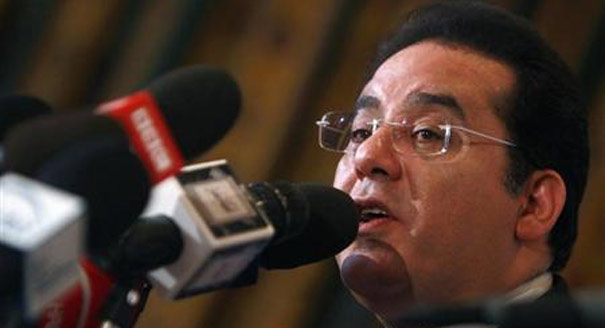
Ayman Nour: President of al-Ghad al-Jedid
Al-Ghad was established in 2004 by Ayman Nour, a former New Wafd parliamentarian who resigned in 2001 after a high-profile dispute with its leader, Noman Gomaa. After the Political Parties Committee rejected his bid for recognition, Nour pursued the case through the courts and ultimately obtained licensing. At the time of the party’s official recognition, a significant number of al-Ghad members identified as former Wafdists.
The Mubarak regime was concerned about the new party, particularly after Nour announced he intended to run for president in 2005. It thus tried to discredit the organization by accusing Nour of forging thousands of membership applications in order to obtain registration. In September 2005, Nour nonetheless ran as the party’s candidate in Egypt’s first multicandidate presidential elections, where he came in a distant second behind Hosni Mubarak with 7.6 percent of the vote. On December 24, 2005, Nour was convicted of forgery and sentenced to five years in prison. He was released on health grounds in January 2009.
Al-Ghad has also been plagued by serious internal problems. A faction hostile to Nour gained control of the party and was allowed to run its list of candidates in the 2005 parliamentary elections, winning one vote. In response, Nour launched al-Ghad al-Jedid and is trying to regain control of the original al-Ghad through the courts. The lawsuit brought by Nour has so far failed to resolve the issue, and Moussa Mustafa Moussa has remained president of the original al-Ghad party.
Carnegie does not take institutional positions on public policy issues; the views represented herein are those of the author(s) and do not necessarily reflect the views of Carnegie, its staff, or its trustees.
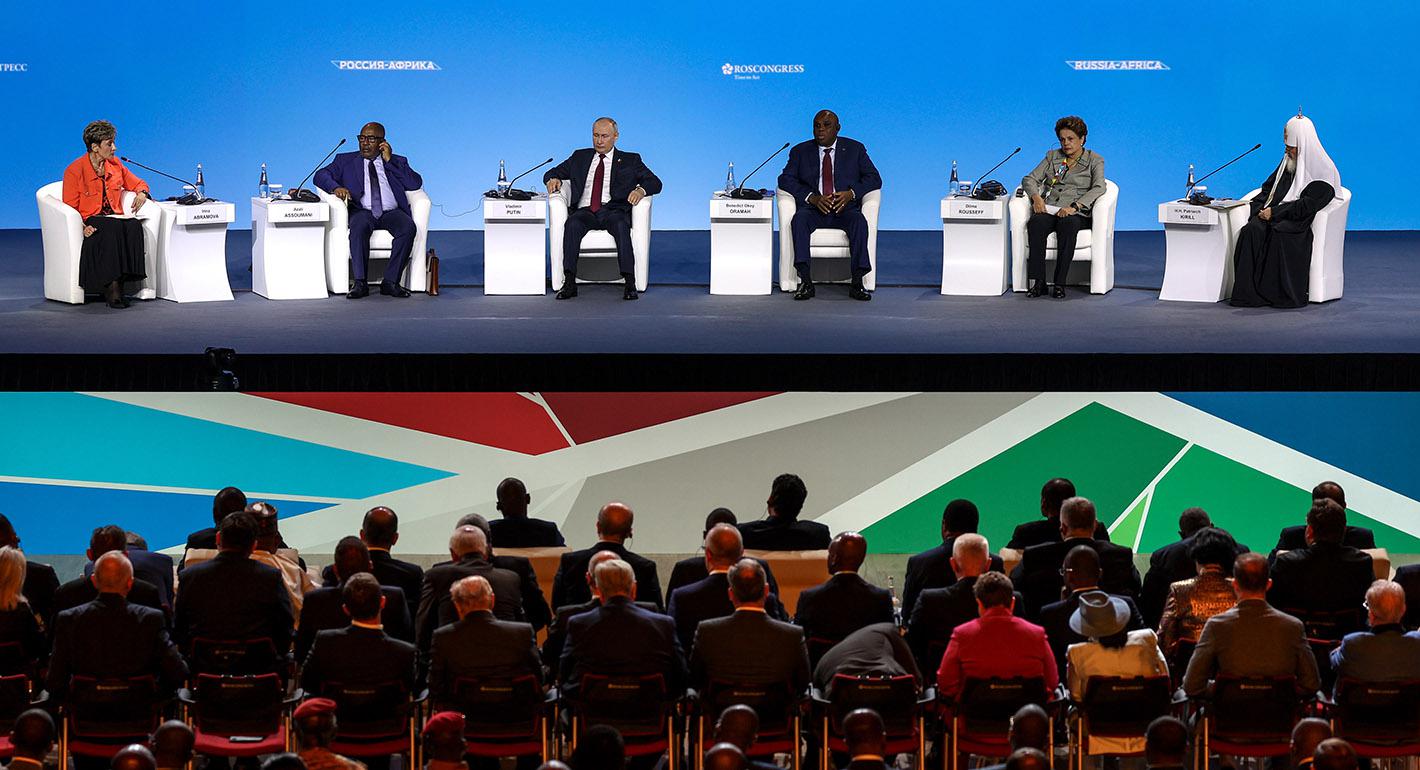
Trade volumes between Russia and African nations have fallen since the last event in 2019, while the war in Ukraine and Wagner’s activities on the continent have strained political ties.
Vadim Zaytsev
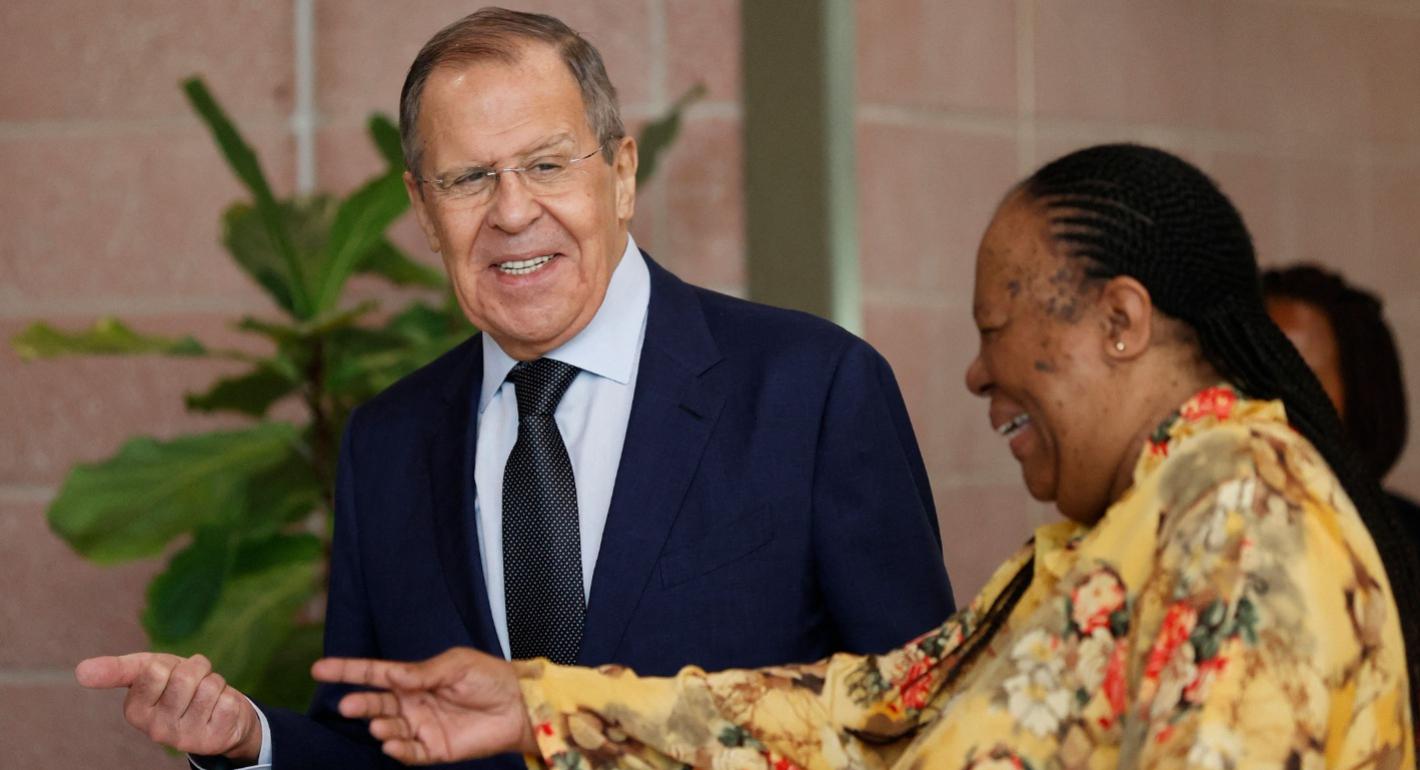
Africa is becoming a battlefield of artificial narratives. The Kremlin pretends it is creating a “second front” and challenging the rules-based order, while the West feigns concern over the Kremlin’s actions there, while knowing perfectly well that the main threat to its interests in the region is actually China.
Vadim Zaytsev
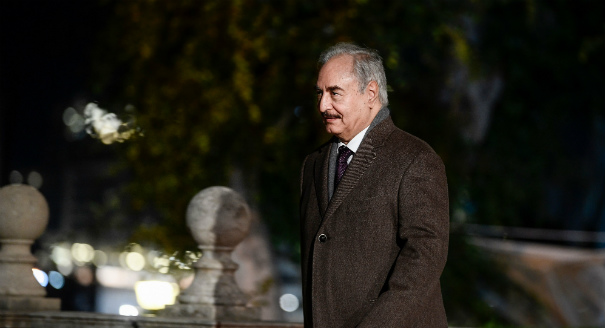
In order to secure its economic interests in Libya, Russia is seeking to bolster Haftar’s influence over a future UN-brokered diplomatic settlement.
Samuel Ramani
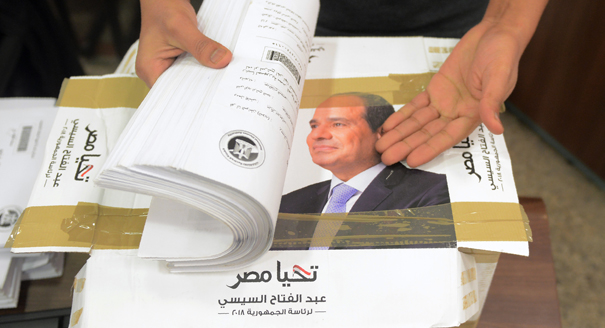
Egypt’s upcoming presidential election may not remove the incumbent, but many problems lie ahead if he wins.

Michele Dunne
Based on the data, policymakers and practitioners need to ask hard questions about whether the terrorist threat justifies a continuing U.S. military buildup in Africa.

Steve Feldstein