

Commentary
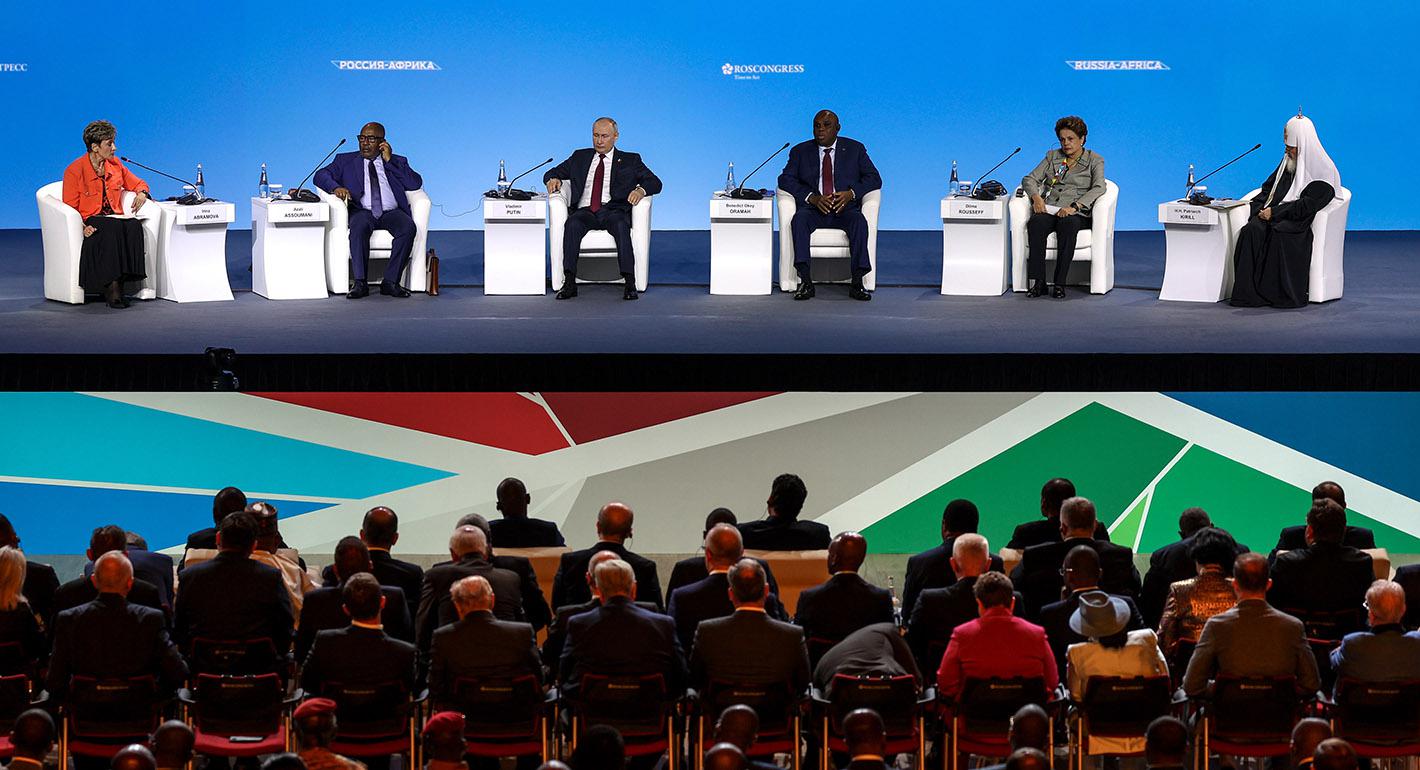
Trade volumes between Russia and African nations have fallen since the last event in 2019, while the war in Ukraine and Wagner’s activities on the continent have strained political ties.
Vadim Zaytsev
{
  "authors": [],
  "type": "other",
  "centerAffiliationAll": "",
  "centers": [
    "Carnegie Endowment for International Peace"
  ],
  "collections": [],
  "englishNewsletterAll": "",
  "nonEnglishNewsletterAll": "",
  "primaryCenter": "Carnegie Endowment for International Peace",
  "programAffiliation": "",
  "programs": [],
  "projects": [],
  "regions": [
    "North Africa",
    "Egypt"
  ],
  "topics": []
}
Source: Getty
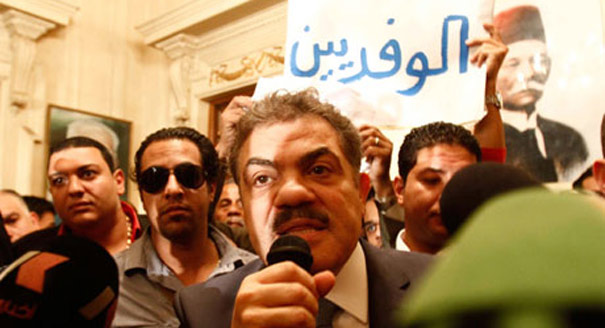
A backgrounder for the Wafd Party.
This resource was published on 09/20/2011 and is not updated to reflect changing circumstances.
Al-Wafd is one of the old, established political parties seeking to find their place in post-uprising Egypt. Rooted in history, today’s party, technically the New Wafd but always referred to simply as al-Wafd, is the successor to the once powerful organization Gamal Abdel Nasser disbanded in 1952. It is competing with new liberal parties that cannot claim a historical name and legacy but have younger and more dynamic leaders.
Al-Wafd’s difficulties are shown by its uncertain alliances. It was originally a member of the Democratic Alliance, but left the alliance on October 7, 2011 to run independently in the 2011-2012 parliamentary elections. The party’s wavering on the decision to stay in the Democratic Alliance lost al-Wafd some important members.
Sayyid al-Badawi: Chairman
Fouad Badrawi: Deputy chairman
Ahmed ‘Auda: Secretary-general
Monir Fakhri Abdel Nour: Secretary-general and parliamentary representative, resigned
The New Wafd Party was established on February 4, 1978, a successor to the party that played the central role in Egyptian politics for decades until it was banned after the 1952 revolution. Al-Wafd was one of several political parties that emerged when President Anwar Sadat introduced limited pluralism into the political process. Despite its glorious historical antecedents, ever since it was revived al-Wafd has struggled with internal divisions, aging leaders, and lack of dynamism. That situation that did not improve even after 2001, when the leadership was transferred from Fouad Siraj al-Din, a pre-1952 secretary-general, to a somewhat younger Noman Gomaa. The situation worsened further when Ayman Nour launched the al-Ghad Party in 2004 after resigning from al-Wafd, taking with him almost a quarter of the al-Wafd Party’s members.
Historically the party of the business elites and the Copts, al-Wafd has had trouble holding on to those constituencies and attracting new ones. The business elites gravitated toward the National Democratic Party, particularly after the launching of economic reforms. Copts became leery after al-Wafd entered into a short-lived electoral alliance with the Muslim Brotherhood in 1984.
During the 2010 parliamentary elections the al-Wafd Party confused voters. It participated in the first round of voting, but then announced that it would not participate in the second round because elections were fraudulent. That announcement was made after the party only won two seats. It went on to win six seats when the names of its candidates were not removed from the ballot in time but was unable to claim its seats because it had called for an election boycott.
The overthrow of Hosni Mubarak caused a new crisis for the troubled party. Its secretary-general, Monir Fakhri Abdel Nour, accepted a position as minister of tourism in the new cabinet formed by Prime Mister Ahmed Shafiq. His decision alienated many Wafdists because the cabinet included ministers affiliated with the old regime.
Divisions continued to plague al-Wafd. The party joined the Democratic Alliance, but prominent party members recommended in August 2011 that it withdraw and join the Egypt Bloc instead. While the party as a whole did not switch sides at that time, some prominent members did, further weakening the party and adding to the impression of uncertainty it has been projecting for a long time.
Carnegie does not take institutional positions on public policy issues; the views represented herein are those of the author(s) and do not necessarily reflect the views of Carnegie, its staff, or its trustees.
Trade volumes between Russia and African nations have fallen since the last event in 2019, while the war in Ukraine and Wagner’s activities on the continent have strained political ties.
Vadim Zaytsev
Africa is becoming a battlefield of artificial narratives. The Kremlin pretends it is creating a “second front” and challenging the rules-based order, while the West feigns concern over the Kremlin’s actions there, while knowing perfectly well that the main threat to its interests in the region is actually China.
Vadim Zaytsev
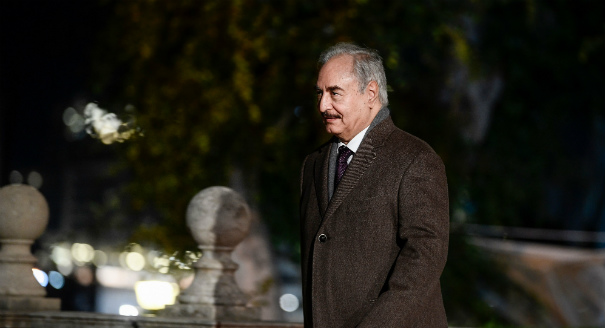
In order to secure its economic interests in Libya, Russia is seeking to bolster Haftar’s influence over a future UN-brokered diplomatic settlement.
Samuel Ramani
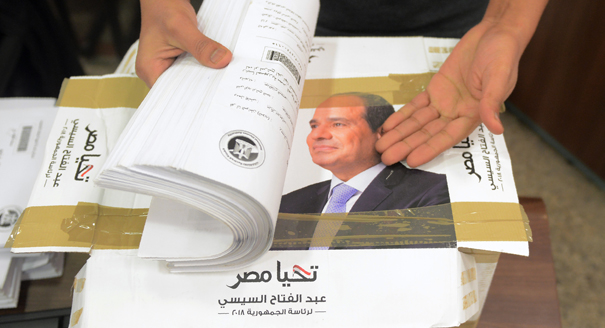
Egypt’s upcoming presidential election may not remove the incumbent, but many problems lie ahead if he wins.

Michele Dunne
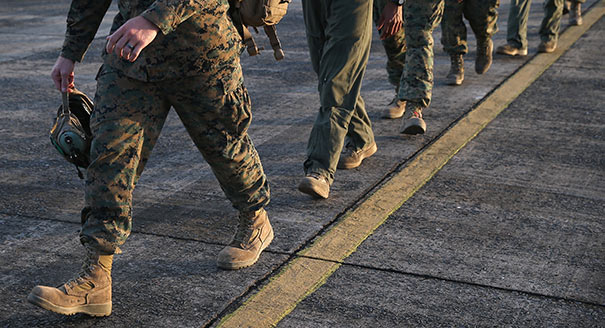
Based on the data, policymakers and practitioners need to ask hard questions about whether the terrorist threat justifies a continuing U.S. military buildup in Africa.

Steve Feldstein